
Boiler Installation in New York
Homes in New York are older than in 49 of the other 49 states.
Tell us about the job
Takes about a minute. No obligation.
- 24°Fwinter overnight low where people live
- 8 monthsof heat, October through May
- $16.03 per million Btuwhat homes paid for natural gas in 2024 (Btu means British thermal units, a measure of heat)
- 1,848winter storms from 2015 to 2024
Gas costs more here than most states so boiler efficiency shows up on bills
- Northern counties need about 40% more heat than southern ones
- Winter nights average 24°F where people live
- Heat runs October through May
- 1,848 winter storms from 2015 to 2024
- Climate zones 4A, 5A and 6A across the state
- 11% of homes lost power a day or more in 2024

Half of New York's homes were built in 1959 or earlier
Gas is the fuel most boilers here run on, and most homes are already set up for it. Close to six in ten occupied homes in New York heat with utility gas. Replacing a gas boiler with another one means the gas line, the venting and the meter are already in place.
If your home already has gas heat, staying with a boiler means the contractor is working with what's there instead of adding a fuel line or new venting. Switching to a different fuel type is possible, but it's a bigger job and a different conversation with your contractor than a straight swap.
A standard boiler sized for the house is the right call here
Heat runs from October through May here, about eight months. That's a longer season than 22 other states get, but the nights average 24°F, milder than in most of the country. A boiler sized and rated for a normal New York winter handles that without trouble. There's no local reason to size up or pay for more capacity than the house itself calls for. Snow and ice hit the state often, which matters for where the venting goes, not for the size of the boiler.


3 months of cooling, June through August
8 months of heat, October through May
New York isn't one heating climate. Homes in the northern counties need about 40% more heat over a year than homes in the southern counties, and that gap matters more than the state average when it comes to sizing a boiler.
Hamilton County needs heat about 10 months a year, the longest stretch in the state. Kings County needs it about 7, the shortest, and also has the lowest heating need of anywhere in New York. A boiler in one of these counties is working a very different year than a boiler in the other.
Winter nights average 19°F across the northern counties against 28°F across the south. That split shows up directly in how hard a boiler runs on a given night, not just how many months it runs.
Franklin County sits at the cold end of that range, with winter nights averaging 9°F. Kings County sits at the mild end, averaging 29°F. Both are New York. Neither is what the statewide average of 24°F describes well.
Winter storms, heavy snow, ice and blizzards, hit New York 1,848 times between 2015 and 2024. That count covers the whole state, and it's a reason to talk venting placement with a contractor no matter which county the home is in.
New York runs heat for more months of the year than 22 other states, and its winter nights are milder than in 25 others. The state as a whole sits in the middle. Where a given home falls inside that range depends on which county it's in.
What does a boiler in New York face?
How cold do winter nights get?
24°Faverage overnight low where people live
North Dakota4°F
Hawaii65°F
How many months does the heat run?
8 monthsof heating a year
Hawaii0 months
Alaska12 months
What does natural gas cost?
$16.03per million Btu, what homes paid in 2024
Montana$7.77
Hawaii$53.25
How often do storms hit?
197severe weather events per county from 2015 to 2024
Alaska5
Wyoming1,057
How many homes lost power for a day or more?
11%of homes in 2024
Arizona7%
Maine54%
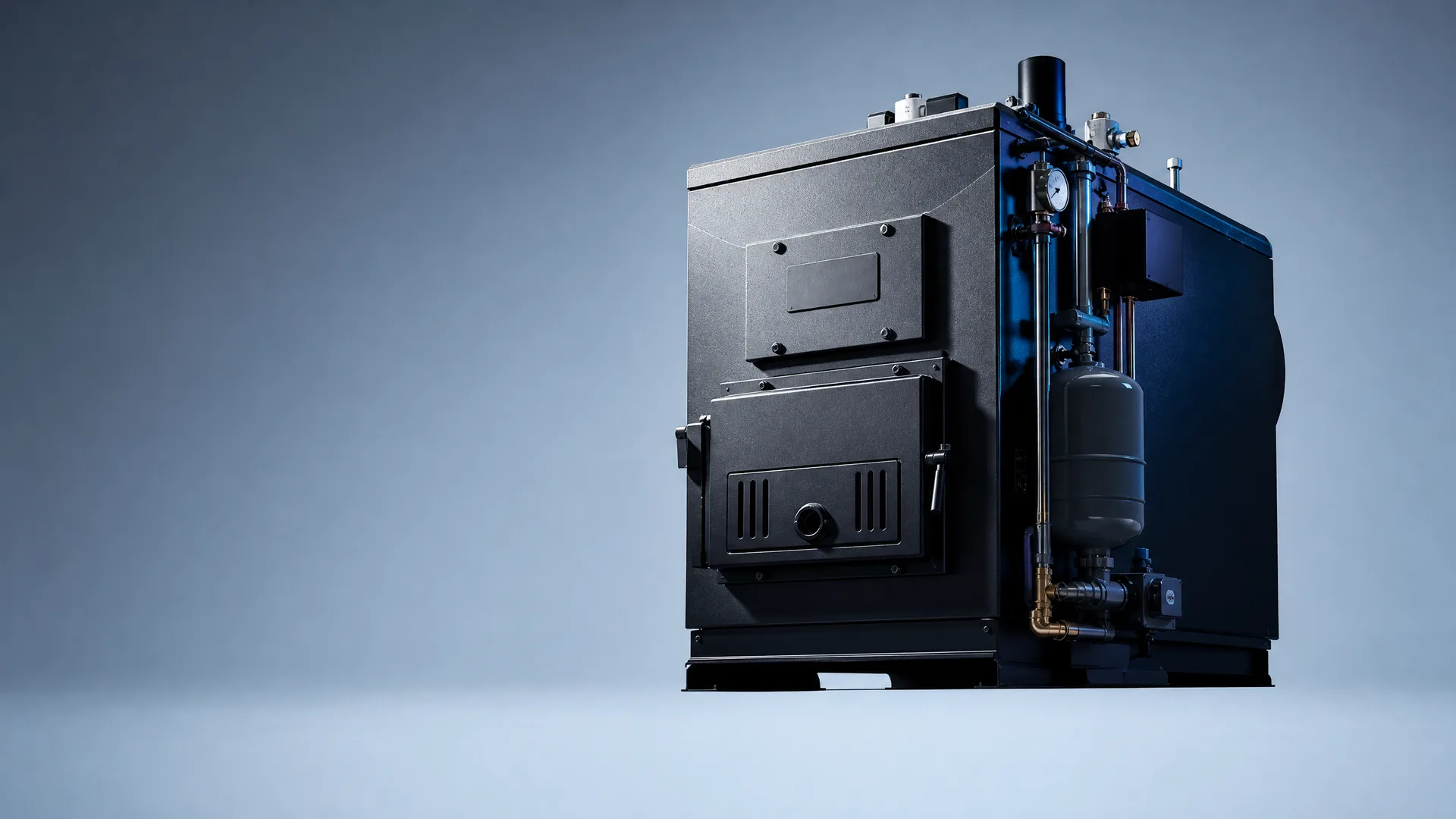
Replace it in September, before the heat has to go back on
Replace the boiler in September, before the heat goes on in October. A boiler that fails once the cold settles in means a rushed job and a house running on space heaters until someone can get to it. Doing it before October means the new boiler gets installed and tested before it has to hold the house at temperature on a cold night. Any adjustment, a venting tweak, a thermostat that needs resetting, gets caught while it still doesn't matter much. That window between the old boiler shutting off and the new one needing to work is there every year. Using it is the difference between choosing when the work happens and having it chosen for you.
What to ask before you pick a boiler
Boilers aren't a one-size part. The output has to match the house, and that's not a guess a contractor should be making on the spot. Ask how they're sizing it, a proper heat loss calculation looks at the walls, the windows, the insulation, not just the square footage. Ask what's happening to the old piping too. Some jobs reuse the existing pipes and radiators, some don't, and that changes both the cost and how even the heat is room to room. Ask about venting next. Where the flue goes and what it's made of depends on the boiler's efficiency rating, a higher-efficiency unit vents differently than an older style, and not every spot in a house works for both. Ask what the boiler is rated for, some are built for heat only, some handle hot water too, and that's a different system underneath even if the box looks similar. Last, ask what controls come with it. A boiler with a modern aquastat and outdoor reset can run lower water temperatures on milder days instead of firing the same way every time, and that's a real difference in how the system behaves, not just a feature on a spec sheet.
What gas prices mean for the boiler you pick
Gas here cost $16.03 per million Btu in 2024, more than most states pay. A boiler only burns what it needs to hold the house at temperature. A unit that's sized right and vented right earns that back on every bill it sends. An oversized boiler, or one with no outdoor reset, keeps firing the same way no matter how mild the night is. At New York's gas prices that shows up fast. The controls a contractor puts on the system end up mattering as much as the boiler itself.
A boiler that fits your house and is vented right keeps paying you back on a gas bill this high.
Tell us about the job
Takes about a minute. No obligation.
Fill out the form once and a licensed New York contractor gets in touch to talk sizing, venting and cost.