
Boiler Repair in New York
Homes in New York are older than in 49 of the other 49 states.
Tell us about the job
Takes about a minute. No obligation.
- 24°Fwinter overnight low where people live
- 8 monthsof heat, October through May
- $16.03 per million Btuwhat homes paid for natural gas in 2024 (Btu means British thermal units, a measure of heat)
- 1,848winter storms from 2015 to 2024
New York winters ask nothing unusual. Just eight months of regular heat.
- Northern counties need about 40% more heat than southern ones
- Winter nights average 24°F where people live
- Heat runs October through May
- 1,848 winter storms from 2015 to 2024
- Climate zones 4A, 5A and 6A across the state
- 11% of homes lost power a day or more in 2024


- A leak traced to the actual fitting or valve, not just topped off and left
- Heat reaching every radiator again, instead of the far end staying cold
- A pilot or ignition that stays lit, instead of needing a relight every few days
- Knowing whether that banging or kettling means repair now or a failing heat exchanger
- Correct pressure that holds, so the relief valve stops weeping and cycling stops
Gas here runs $16.03 per million Btu, among the higher rates in the country. A boiler that short cycles or runs longer than it should because of a bad aquastat or sludge in the heat exchanger burns through that gas for heat you're not getting. The fix usually costs less than months of paying that rate to run a system that's working against itself.
A boiler losing pressure, kettling, or needing a relight every few days doesn't get cheaper to ignore. Left alone, a small leak at a fitting can turn into a bigger repair, and a failing heat exchanger only gets more expensive to replace the longer it runs damaged. Getting the actual cause diagnosed now costs less than waiting it out at New York gas prices.
October is when problems that were waiting show up
Heat goes on in October here and runs through May. The first cold snap is when a boiler finds out what was already wrong with it. A weak aquastat, a clogged nozzle, sludge sitting in the heat exchanger, all of it was fine while the system sat idle. Put a full winter's load on it and that's when it short cycles, won't light, or starts kettling. That first run of the season is also the best time to get it looked at, before the cold months pile up behind it.


3 months of cooling, June through August
8 months of heat, October through May
New York's heating need isn't the same from one end of the state to the other. Homes across the northern counties need about 40% more heat over a year than homes across the southern counties. That difference shows up in how many months a boiler is actually running each year.
Hamilton County sits at one end of that range. Homes there need about 88% more heat over a year than homes in Kings County, where the state's heating need is lowest. Winter nights follow the same pattern. Franklin County averages 9°F across December, January and February. Kings County averages 29°F.
Homes in Hamilton County need heat about 10 months a year, the longest stretch in the state. Homes in Kings County need about 7. That extra run time matters. A boiler putting in ten months a year is cycling more, building more hours on the burner and the heat exchanger, than one that shuts off for most of spring and summer.
None of this points to one part of the state being hard on a boiler and another being easy. It just means the likely cause shifts with how much work the system has done. A unit that has run nine or ten months a year for years has had more chances to wear down an igniter, crack a heat exchanger or build up sludge than one running seven. Where the home sits in the state is a starting point for the diagnosis, not the answer by itself.
What does a boiler in New York face?
How cold do winter nights get?
24°Faverage overnight low where people live
North Dakota4°F
Hawaii65°F
How many months does the heat run?
8 monthsof heating a year
Hawaii0 months
Alaska12 months
What does natural gas cost?
$16.03per million Btu, what homes paid in 2024
Montana$7.77
Hawaii$53.25
How often do storms hit?
197severe weather events per county from 2015 to 2024
Alaska5
Wyoming1,057
How many homes lost power for a day or more?
11%of homes in 2024
Arizona7%
Maine54%
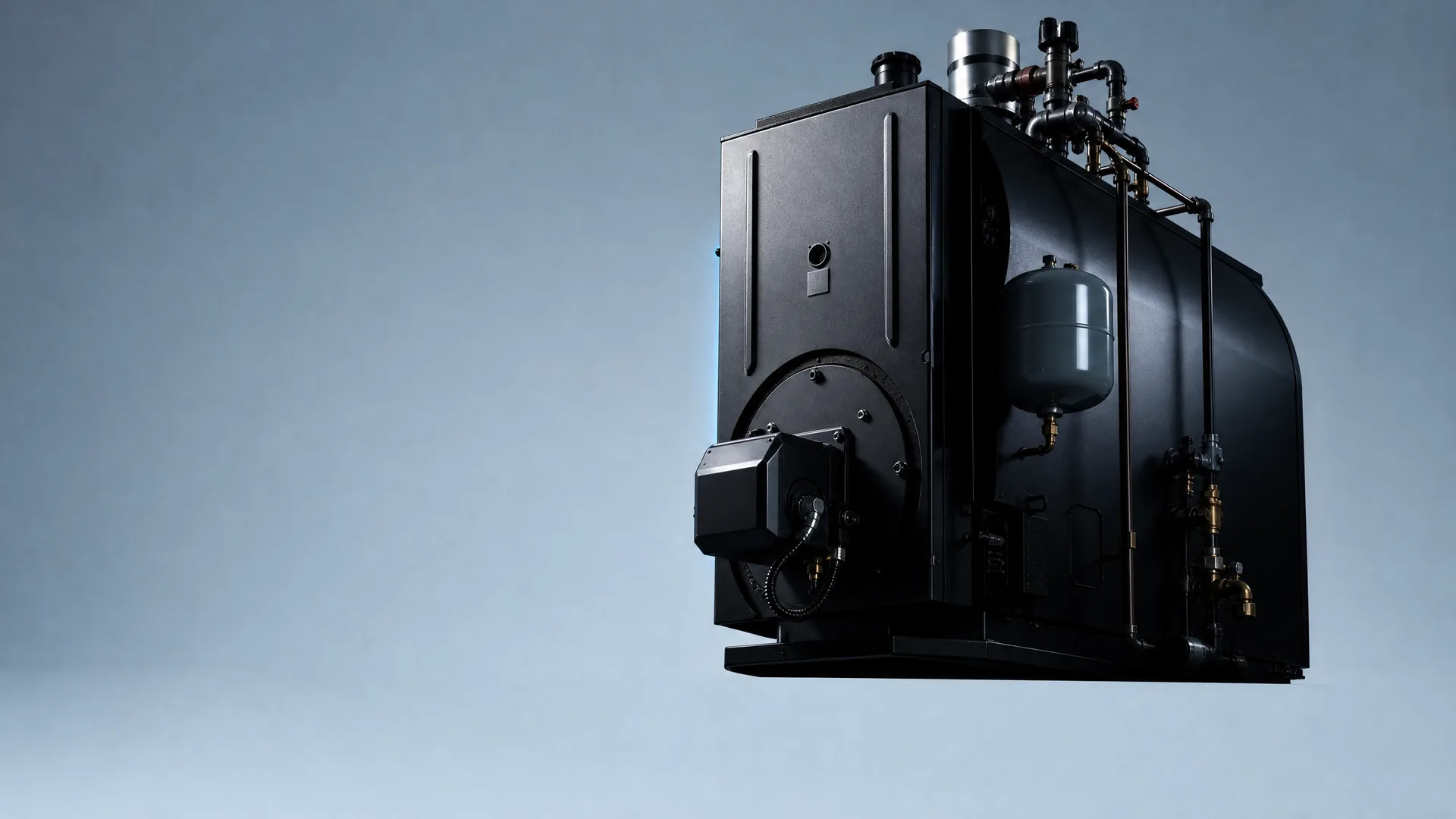
What a boiler costs you when something's off
A boiler that's short cycling or running longer than it should is burning gas at $16.03 per million Btu the whole time it's doing it. That's true whether the cause is a bad aquastat, sludge in the heat exchanger, or a thermostat that's lost its calibration. The machine doesn't know it's working harder than it should. It just keeps firing. A unit running efficiently and one fighting itself look the same from across the room, and cost very different amounts to run.
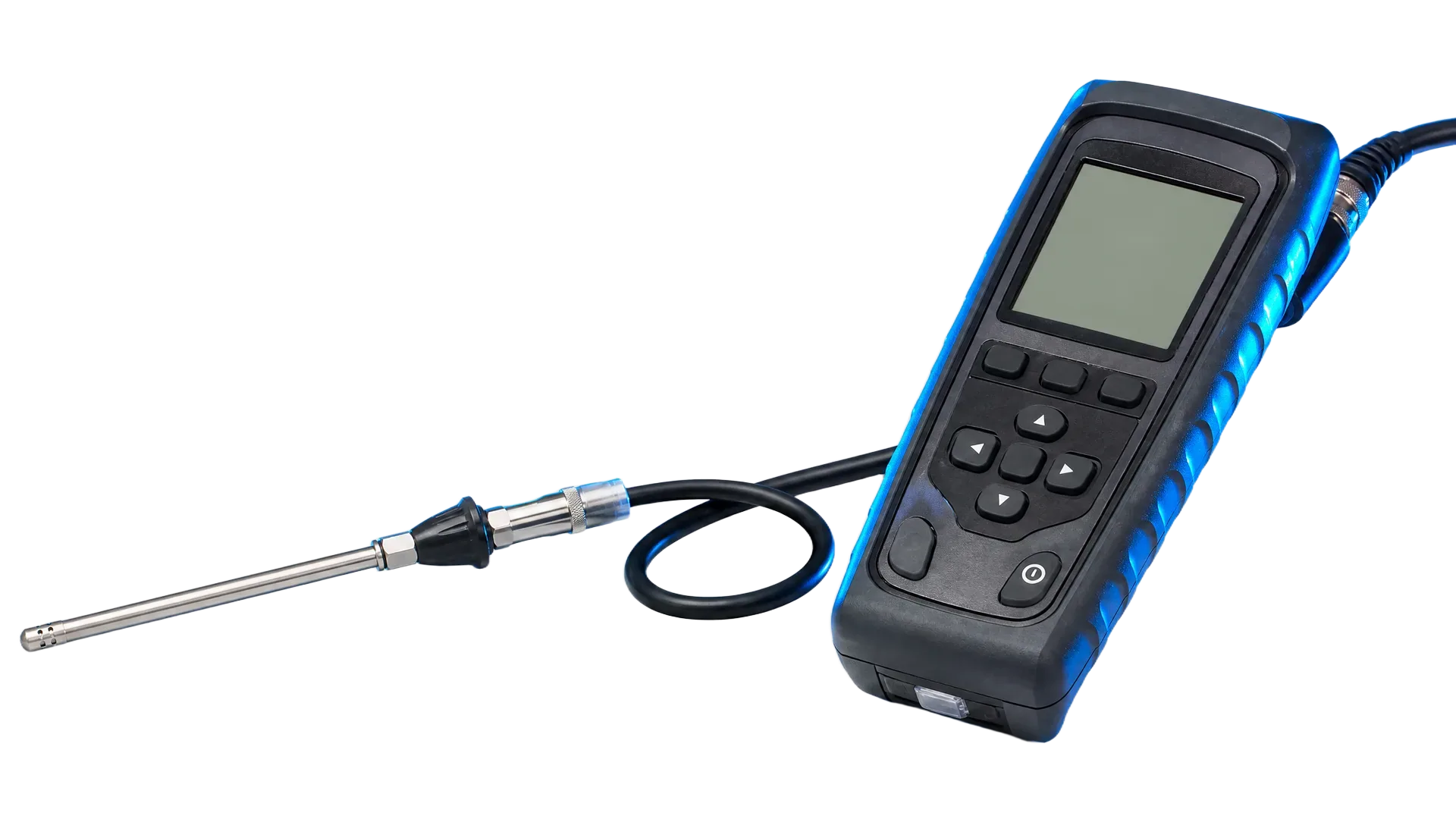
What to check before you call
Before calling anyone, look at the pressure gauge on the front of the boiler. If the needle sits low, the system has lost water somewhere, even if nothing is visibly dripping. Check around the base of the unit and under any visible pipe fittings for damp spots, mineral crust, or active leaks. If the pilot or ignition window shows no flame, or the flame looks weak and yellow instead of steady blue, that is worth telling whoever comes out. Listen for banging, knocking, or a rumbling sound coming from inside the boiler when it runs. That noise usually means sludge or scale is keeping water from moving through the heat exchanger the way it should. Feel the radiators or baseboards around the house. If some are hot and others stay cold, the heat is not making it through the whole system, and that points toward trapped air or a circulation problem rather than the burner itself. Check that the thermostat has power and is actually calling for heat, since a dead battery or a loose wire can look exactly like a boiler problem. None of this tells you what to fix. It tells the contractor where to start looking instead of opening the whole unit blind.
If the boiler is as old as the house
Half the homes in New York were built in 1959 or earlier, and the state's housing stock is older than in every other state in the country. An old boiler doesn't announce itself as old. It just keeps running until a part on it finally gives out. If your boiler came with the house, the repair in front of you might be a small part on a unit with years left, or it might be the first of several on a heat exchanger that's near the end. Before paying for the fix, it's worth asking whoever comes out how much life the rest of the unit has. That answer changes whether this repair is the right call or just the first of a few.
Eight months of heat a year means a boiler problem in New York won't wait until spring.
Tell us about the job
Takes about a minute. No obligation.
Fill out the form once and a licensed New York boiler contractor calls to schedule a look.