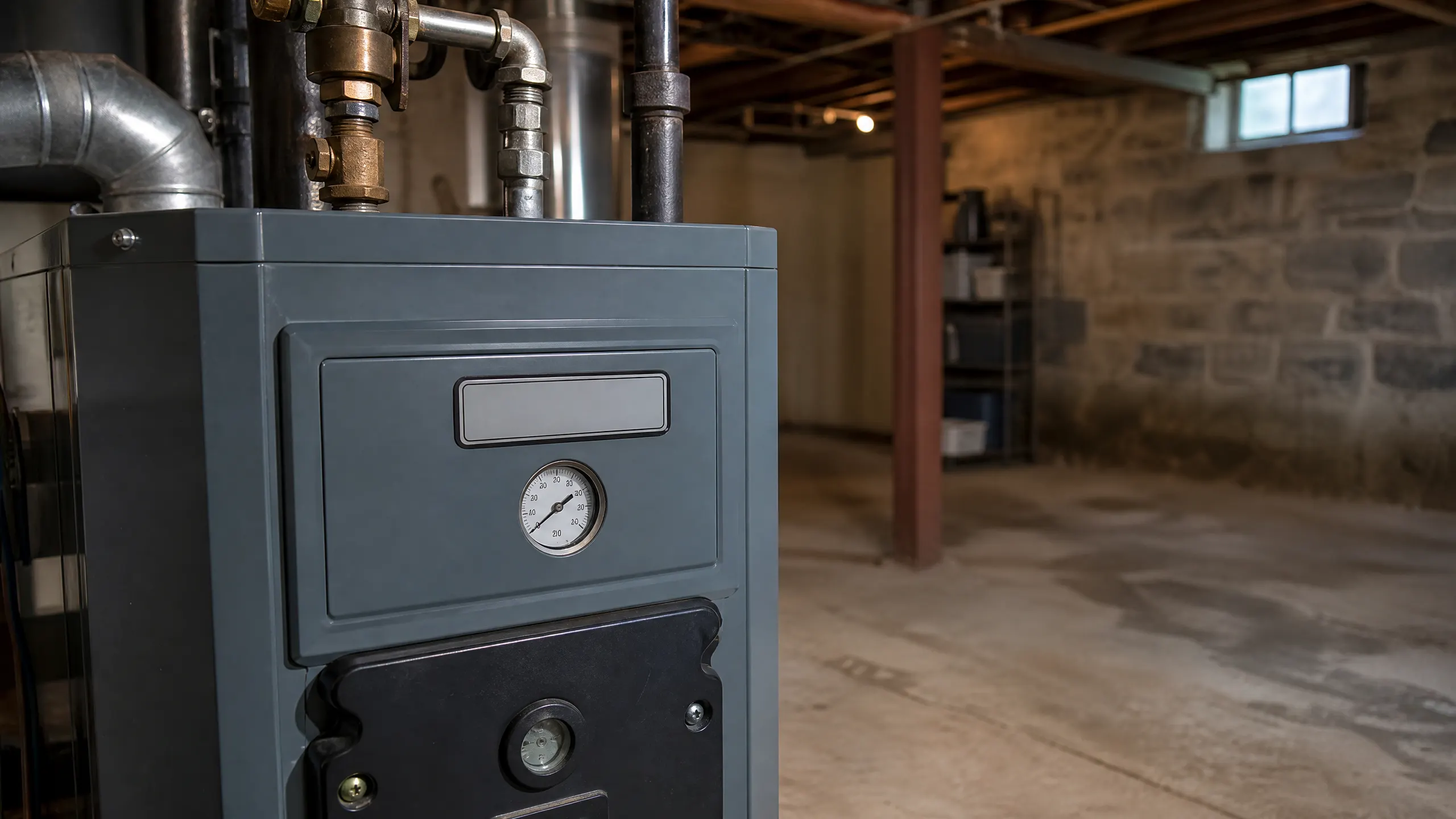




A gray residential boiler with brass pipe connections and pressure gauges installed in an unfinished stone-walled basement.

Boiler Installation in Kiryas Joel, NY

Tell us about the job

Takes about a minute. No obligation.

New system or replacementBoilerOrange County, NY
Step 1 of 2

What ZIP code is the job in?

Utility gas heats 47.6% of homes in Orange County, more than any other fuel, with fuel oil second at 27%. If your boiler runs on gas now, a new gas boiler is usually the straightforward swap. The gas line, the venting and the flue are already set up for it. Switching fuels on a boiler replacement is possible but it changes what the installation needs, from the gas line itself to how the unit vents, so it's worth knowing which one you have before you start comparing quotes.

Boilers in Kiryas Joel run from October through May, about eight months of the year.

Have a new boiler in before September ends, so the install happens on your schedule and not during the first cold week.

21°F nights, October through May. Nothing about that calls for an oversized boiler.

Climate zone 5A
Heat runs October through May
Winter nights average 21°F

A boiler gets sized from a heat loss calculation on the house itself, the square footage, the insulation, the windows. That math doesn't change by county. Half the homes in Orange County were built in 1975 or earlier and half since, so there's no single age or style of house here that a contractor can assume going in. That's the reason the calculation gets done on your house and not guessed from the street. A boiler sized to what your home actually loses on a cold night runs more efficiently and lasts longer than one sized up for a margin it doesn't need.

Replace it before the season

Replace it before the season starts, so it happens on your schedule, not in a hurry.

Find a contractor
A man in a dark shirt and khaki pants, seen from behind, carries a worn leather bag as he climbs wooden porch steps toward a dark front door, with a potted shrub beside the entry.

The boiler itself is one line item

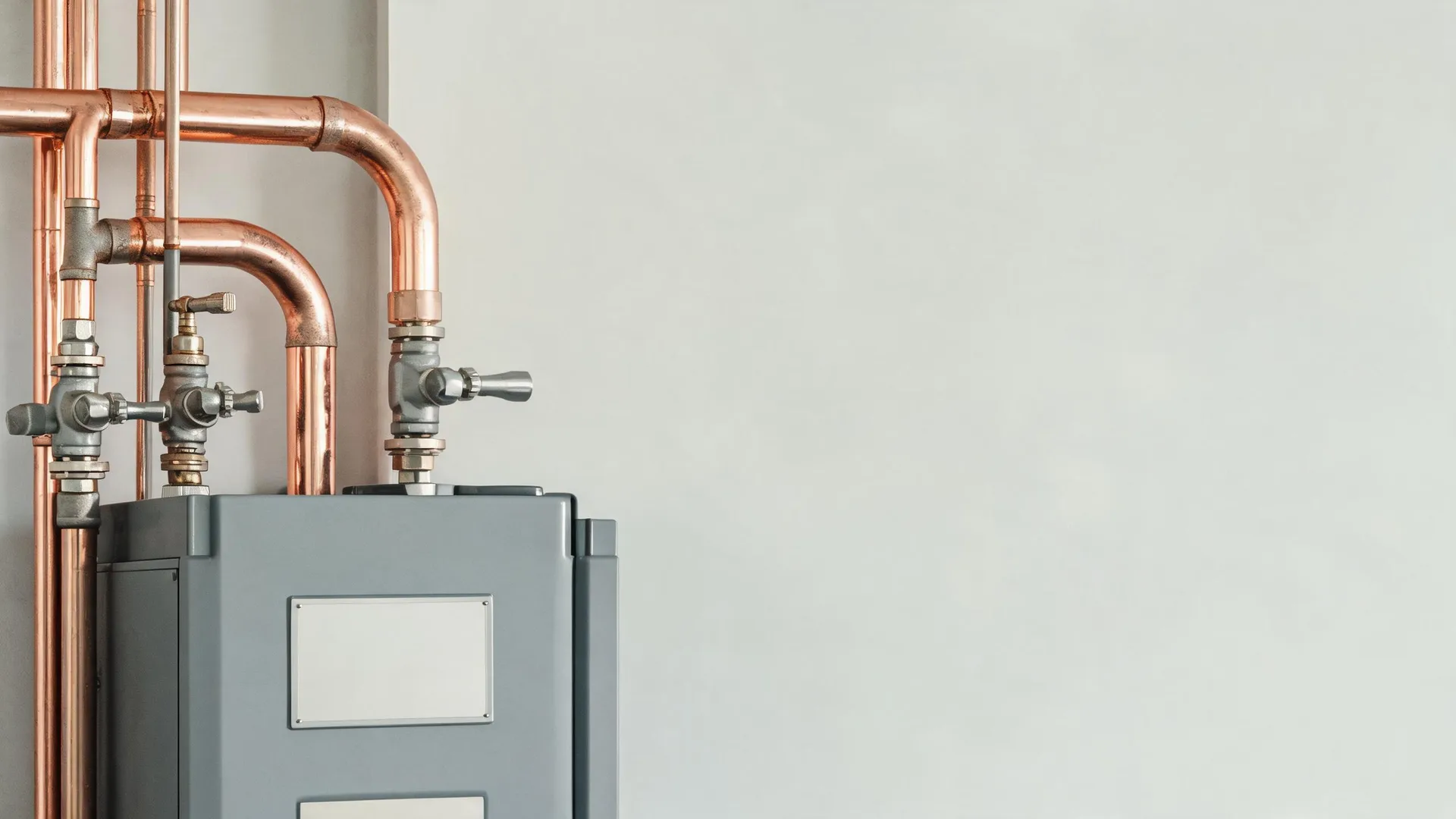
Output capacity, the material of the heat exchanger, and whether it's a standard or condensing design all change the price of the unit before anyone picks up a wrench. A condensing boiler costs more upfront than a standard one. It also vents through PVC pipe instead of the metal venting a standard boiler uses, and that difference alone can change what else the installation has to touch.
What's already there decides the labor

If the new boiler is the same type as the old one, in the same spot, venting the same way, the installer reuses what's already in place. The gas line, the venting, the near-boiler piping all stay put. Change any of those, switch venting styles, relocate the unit, upgrade the gas line to feed a bigger burner, and each change adds its own labor on top of the unit price.

Ask what's included in the quote. A boiler price can mean just the unit, or it can mean the unit plus the circulator pump, the expansion tank, and the near-boiler piping. Contractors quoting the same model can be pricing different jobs depending on what they're replacing versus leaving in place. Ask how they arrived on the size, and expect an answer about your house, not just the output of the boiler you have now. If the old one short-cycled or ran without ever seeming to catch up, that's a sign it was sized wrong to begin with, and the new one shouldn't repeat the same guess. Ask whether it's a condensing or standard design, since that decides how it vents and where it can go. Ask what the warranty covers on the heat exchanger versus the rest of the unit. Those terms often run for different lengths.

The old boiler comes out first, drained down and disconnected from the gas line, the venting and the near-boiler piping. Whatever is staying gets inspected before the new unit goes in, not after. The gas line gets pressure tested, since a leak that was hiding under old fittings won't stay hidden under new ones. The new boiler gets set, leveled, and connected to the near-boiler piping, the circulator pump, and the expansion tank. Venting comes next. A condensing unit vents through PVC pipe pitched to drain condensate correctly, while a standard one uses metal venting that has to be checked for proper draft. Once it's fired up, the installer checks the pressure, bleeds air from the system, and lets it run through a full cycle before calling it done. A boiler that short-cycles or won't hold pressure in that first hour is telling you something right away, not months later.