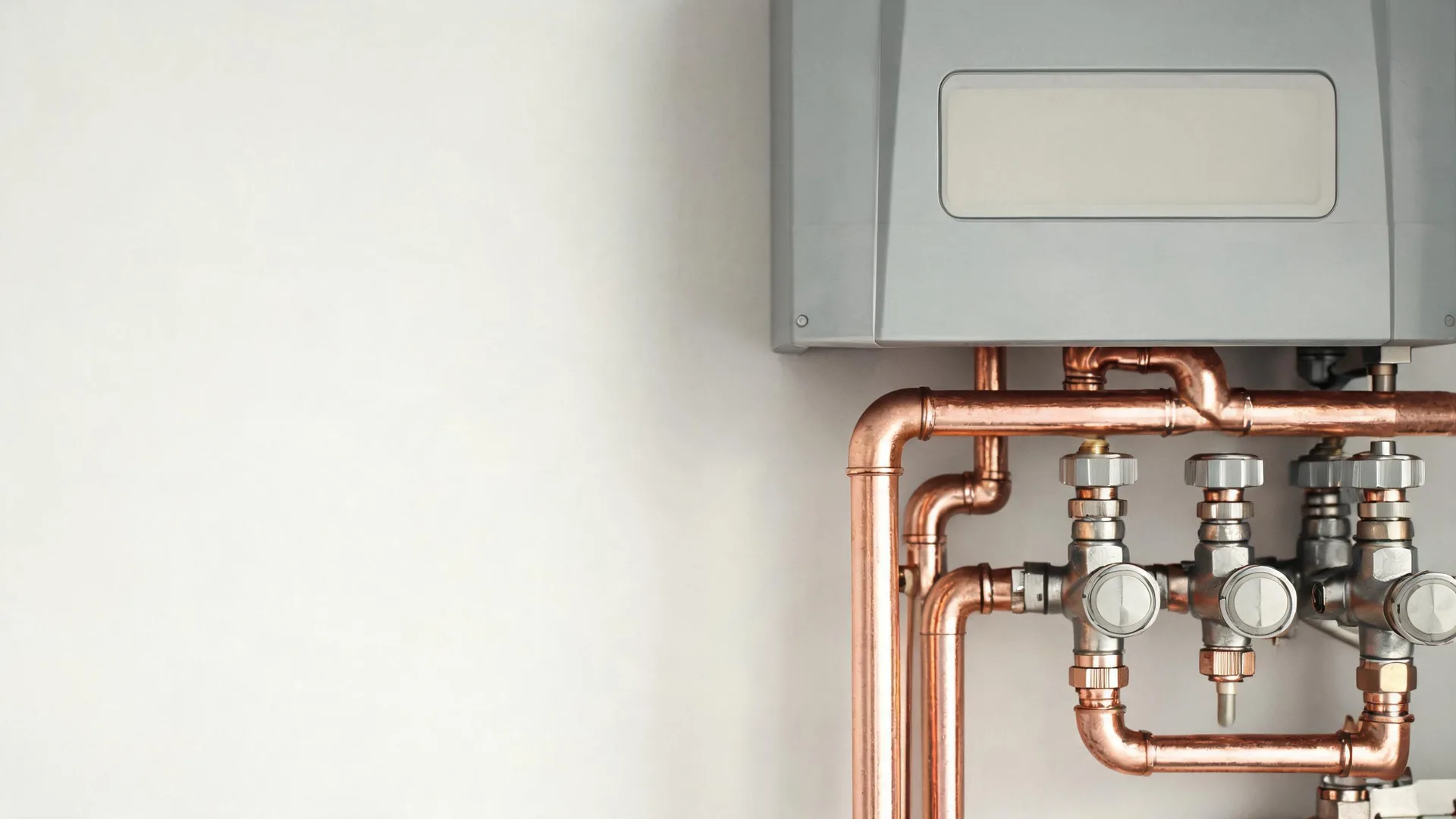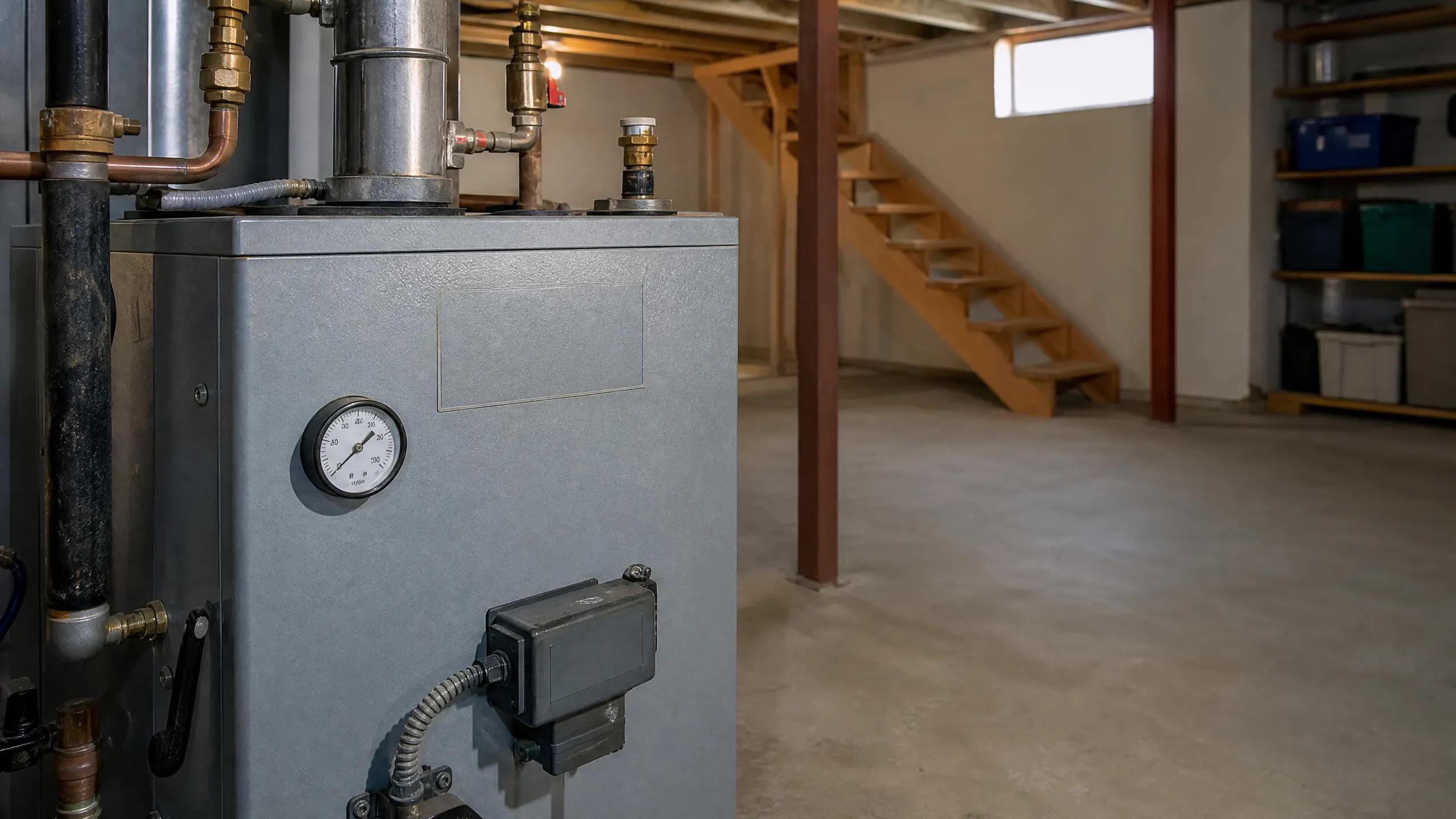
A gray boiler with copper pipes and a pressure gauge stands in an unfinished basement with wooden stairs and concrete floors.

Boiler Installation in Manhattan, NY

Tell us about the job

Takes about a minute. No obligation.

New system or replacementBoilerNew York County, NY
Step 1 of 2

What ZIP code is the job in?

Gas is the default here

Utility gas heats 48.5% of homes in Manhattan, more than any other fuel. Electricity comes next at 28.4%, and fuel oil heats another 14.5%. If your building already has a gas line in for heat, a gas boiler is the straightforward replacement.


What that means for this job

A new gas boiler can usually vent and connect the way the old one did, using the gas line and flue already in place. If your building heats with oil or electric resistance instead, the installation has more to account for, since the fuel supply itself may need to change.

Boilers in Manhattan run from October through April.

Replace one in September and the schedule is yours, not whatever the weather hands you once heat season starts.

Gas here runs $16.03 per million Btu, so a pricier high-efficiency boiler takes longer to earn back the difference

Climate zone 4A
Heat runs October through April
Winter nights average 28°F
A standard boiler fits this jobHeat runs seven months here, October through April, and nothing about that calls for an oversized or special system.

Half the homes in Manhattan were built in 1951 or earlier. A boiler going into one of those buildings may be feeding risers and radiators that have been there as long as the building has. The new boiler has to match what's already running through the walls, not the other way around. If the system came with the building, it's worth finding out whether the piping was ever resized or updated, since that affects what the new boiler should be rated to handle. A boiler sized for the place you have will heat it evenly. One sized off a guess will leave some rooms short or run harder than it needs to.

Any new boiler here has to clear zone 4A

Manhattan is rated zone 4A, a mixed climate that asks real work of both heating and cooling sides of a system. Gas-fired boilers made from January 2021 on have to hit 84 percent AFUE to be sold here at all, so that floor is already built into what a contractor can install. A federal tax credit is available on qualifying high-efficiency equipment, worth looking into while you're comparing options.

Find a contractor
A man in a cap, long-sleeve navy shirt and tan work pants walks up porch steps toward a dark front door, carrying a canvas tool bag in his right hand, with a potted shrub to the left.

The boiler itself is one line item

The unit is only part of what gets priced. Venting, piping, the gas connection, the expansion tank, controls and the labor to set it all up and test it are separate pieces of the same job. A contractor pricing an installation is pricing all of it, not just the box with the name on it.

What's already there changes the work

Pulling out an old boiler and setting a new one in its place is a different job than running new piping or changing how the system vents. The more of the existing setup a new boiler can reuse, the less labor the installation takes. The more that has to be adapted or replaced to fit the new unit, the more work it adds.

Ask what each quote actually includes before comparing the numbers. A boiler installation covers the unit, the venting, the piping, the gas connection, the controls, and the labor to set it up and test it. One quote might list all of that out. Another might only price the boiler itself and leave the rest as an add-on once the work starts. Ask how the new boiler will vent, and whether it uses the flue that's already there or needs a new one run. Ask what happens to the existing piping and radiators, since the new boiler has to be matched to what it's feeding, not sized off a guess. And ask what the warranty covers on both the equipment and the labor, since those are often separate and run for different lengths of time.

Installation day starts with the old boiler coming out, and that alone takes a few hours if the piping and venting are staying put. The contractor sets the new unit, connects the gas line, and runs the venting, either reusing the existing flue or running new vent pipe if the unit calls for it. Then comes the piping that ties it into the risers and radiators already in the building, along with the expansion tank and controls. Once it's all connected, the system gets filled, purged of air, and fired up. A contractor will check the pressure, look for leaks at every joint, and let the boiler run through a full cycle before calling it done. That test run matters as much as any step before it, since a leak or a bad connection shows up under pressure, not sitting still.