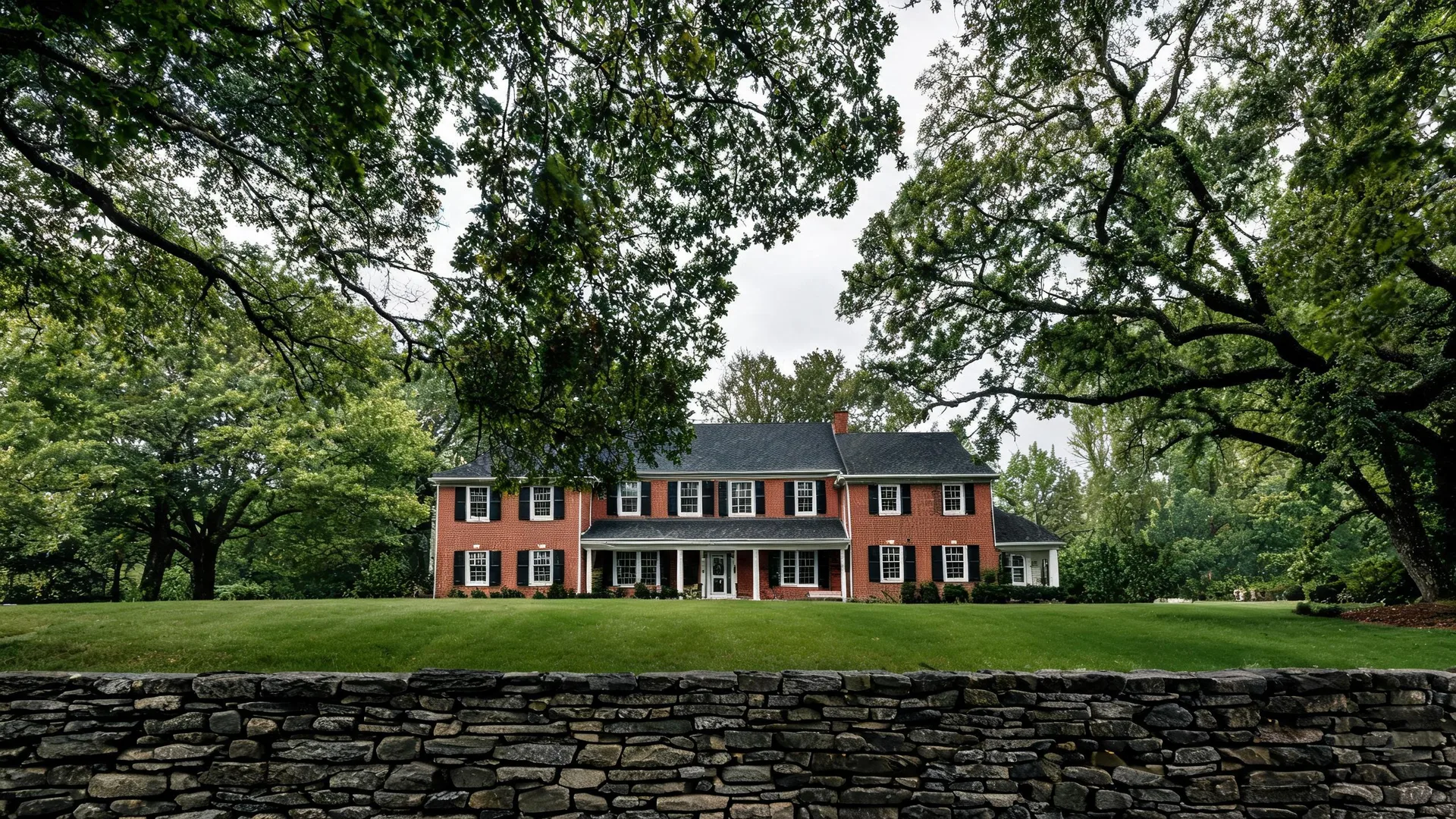



A two-story red brick house with black shutters and a covered porch sits behind a wide green lawn, framed by large leafy trees, with a dry-stacked stone retaining wall in the foreground.

Boiler Installation in Yonkers, NY

Tell us about the job

Takes about a minute. No obligation.

New system or replacementBoilerWestchester County, NY
Step 1 of 2

What ZIP code is the job in?

Gas heats a little more than half the homes in Westchester County, and oil heats close to three in ten. Fuel oil systems lean on boilers more than furnaces, since oil doesn't burn well in a forced-air setup. So if your home has a boiler already, odds are good it's either gas or oil fired, and swapping in the same fuel type keeps the install straightforward. The gas line or oil tank and lines are already there, along with the venting that fuel needs. Switching fuels on a boiler replacement means new lines, new venting, sometimes a new tank, which is a bigger job than most homeowners are looking for when a system just needs replacing.

Westchester averages a winter storm or two most years, sometimes more.

A boiler runs on water and a flame, not outdoor air, so there's no reason to size up for weather here.

Zone 4A calls for a standard boiler, nothing bigger

Climate zone 4A
Heat runs October through May
Winter nights average 24°F

Half the homes in Yonkers were built in 1959 or earlier. A house that old usually has its original radiator layout, whether that's cast iron radiators, baseboard, or a radiant system in the floor. Boilers get matched to that existing distribution, not swapped in with new piping to match the boiler. So before a contractor sizes anything, they'll want to know what's already running through the house and whether it was built for steam or hot water, since the two aren't interchangeable. If the radiators and pipes are original, the new boiler has to work with them as they are.

Get it done in September, before the boiler has to work

Heat comes on in October here and runs through May, eight months straight. September is the one month a boiler sits idle, which makes it the month to put a new one in. Do it now and the work happens on your timeline, with the old one still backing you up if anything runs long.

Find a contractor

Bigger isn't safer, it's harder on the system

An oversized boiler short cycles, firing up, satisfying the thermostat fast, then shutting off again before the house actually evens out. That start-stop pattern wears on the igniter and the heat exchanger faster than steady run time ever would, and it burns more fuel to deliver less comfort. A boiler sized to the house runs longer stretches at a steady flame, which is what keeps radiators or baseboard putting out even heat.
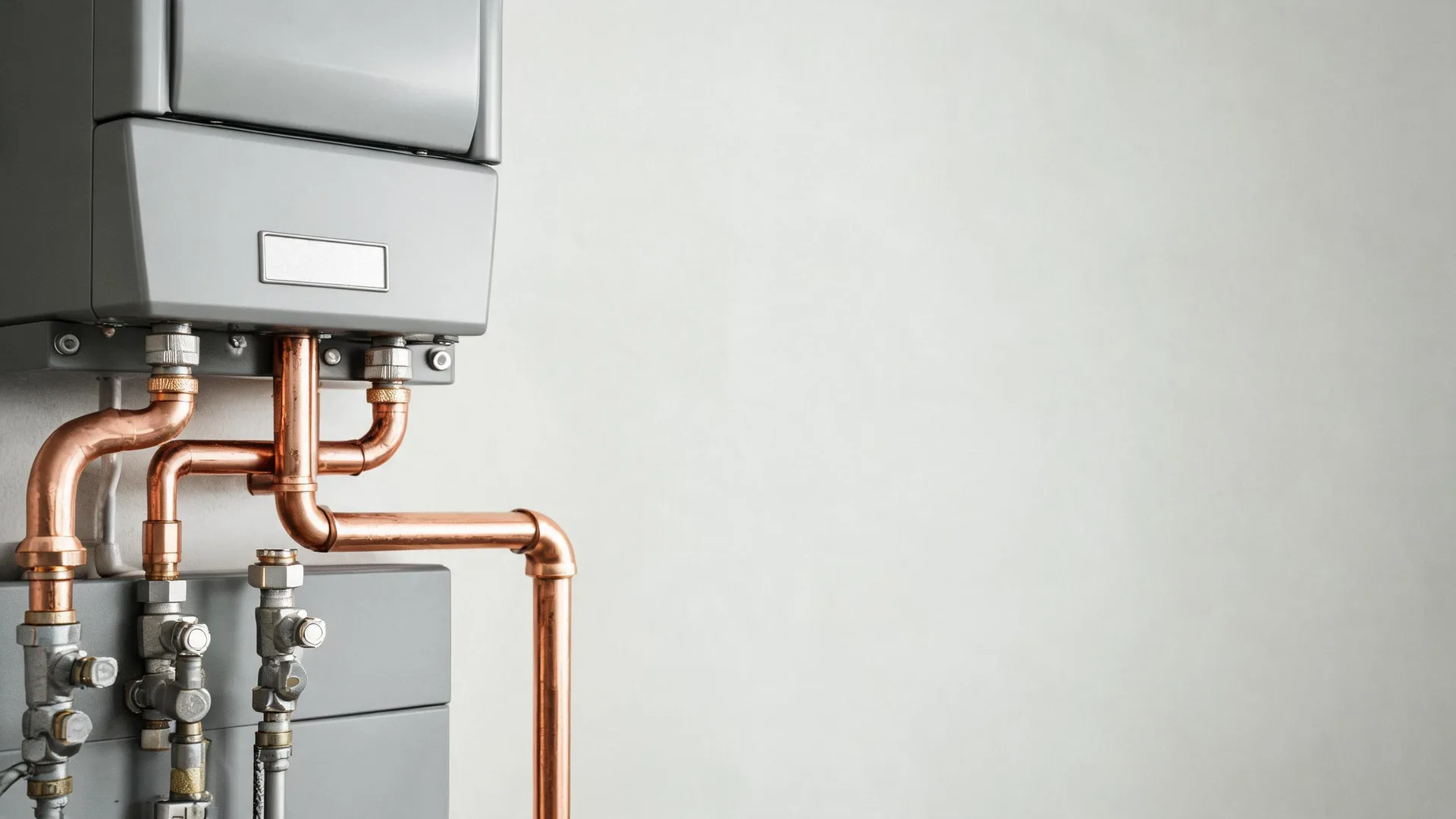
Sizing comes from a heat loss calculation, not the old boiler's rating

A contractor works out how much heat the house actually loses on a cold day, room by room, based on wall and window area, insulation, and ceiling height. That number is what sizes the new boiler, not whatever the last one was rated for. Old systems get oversized more often than not, so matching the replacement to the existing unit just carries the same mistake forward.

Once sizing is settled, the rest comes down to how the boiler is built and backed. Ask what the combustion chamber is made of, cast iron or steel, since that affects how it handles the stress of repeated heating cycles over the years. Ask about the warranty on the heat exchanger specifically, not just the whole unit, since that's the part that's expensive to replace if it fails. Ask whether it's a single-stage or modulating burner, because a modulating one adjusts its flame to match how much heat the house needs at that moment, instead of firing at full blast every time. And ask who's doing the venting and piping work, not just the boiler brand, since a boiler is only as good as the installation around it.

Installation day starts with draining and disconnecting the old boiler, then pulling it out. That part often takes longer than expected once the old piping resists coming loose. The new unit gets set, leveled, and tied into the existing supply and return lines, along with the gas or oil line and the flue venting. Every joint gets pressure tested before anything is fired up, since a leak found later means opening the wall or floor again to fix it. Once the system holds pressure, the contractor fires the boiler and checks the flame, the draft, and the combustion readings to confirm it's burning clean. Then comes the walk through the house, bleeding air from each radiator or loop and adjusting valves so heat reaches every room evenly. The old boiler stays connected until the new one proves out, so the house is never left without heat overnight.