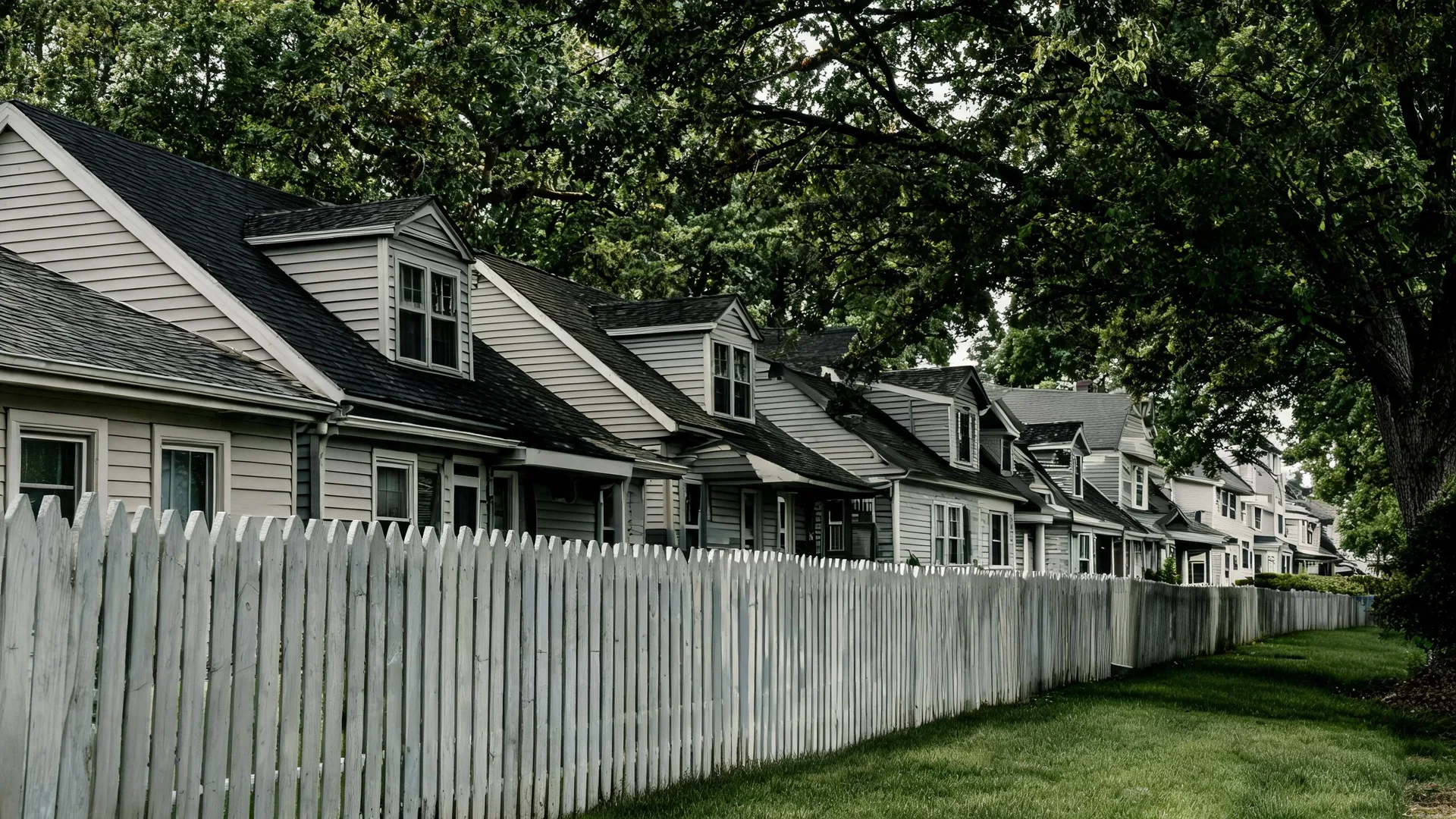




A weathered wooden picket fence runs along a grass strip in front of a row of similar gabled houses with dormer windows and dark shingled roofs, shaded by large leafy trees.

Boiler Installation in Hempstead, NY

Tell us about the job

Takes about a minute. No obligation.

New system or replacementBoilerNassau County, NY
Step 1 of 2

What ZIP code is the job in?

Gas heats 62.4% of homes in Nassau County, more than any other fuel. Fuel oil comes in well behind that at 26.5%, still more than electricity and propane combined. If your boiler runs on gas, a straight swap to a new gas boiler is usually the simplest job, since the gas line and venting are already in place. If yours runs on oil, replacing it with another oil boiler keeps the tank and supply line you already have. Switching fuels on a boiler replacement is a bigger job, since it can mean new gas service, a new tank, or different venting, so it helps to know which fuel you're working with before you compare quotes.

Boilers in Hempstead start running in October and go through May.

Replace it in September and the install happens before you need the heat on.

Half the homes in Hempstead were built in 1955 or earlier, and a boiler has to fit the house it goes into

Half the homes here were built by 1955
Climate zone 4A
Heat runs October through May
Eight months of heatNassau County runs its heat October through May, with overnight lows averaging 28°F in January.

Nassau County sees weather that can knock out power, and a standard boiler won't run without it. Gas and oil boilers both need electricity to run the igniter, the circulator pump and the controls, so a power outage shuts the system down even with fuel available. That's not a reason to size up or spend more on the boiler itself. A standard size and efficiency rating heats a home here just fine. If backup power matters to you, that's a separate conversation about a generator or battery, not about buying a bigger boiler.

Here, the right fit beats the highest efficiency rating

Natural gas ran $16.03 per million Btu in New York last year. That's cheap enough that a high-efficiency boiler takes longer to pay back in lower bills. Picking the right fit and a reliable install matters more here than chasing the highest efficiency rating on the spec sheet.

Find a contractor

What the rating actually measures

The efficiency rating on a boiler tells you how much of the fuel it burns turns into heat for the house, versus how much goes out the flue. A boiler with a higher rating pulls more heat out of the same flame before the exhaust leaves the building. It says nothing about how big the boiler is or how fast it can heat the house, only how much of what it burns gets used.
Why the number on the label can mislead you

A high rating on the spec sheet assumes the boiler is sized and installed to match the house it's going into. An oversized boiler cycles on and off more than it should, and a poorly sealed vent or a return temperature that runs too high can keep a boiler from ever hitting the number on its label. The install matters as much as the equipment for getting anywhere near that rating in real use.

The old boiler has to come out before the new one goes in, and that's its own job. A gas boiler gets disconnected from the gas line, the vent and the supply and return lines, then drained if it still holds water. An oil boiler comes with a tank in the picture too, and if you're not keeping oil, that tank gets drained and either removed or left in place depending on what you want done with it. Whoever installs the new boiler should be handling the old one's removal and disposal as part of the job, not leaving it behind for you to deal with. If the old unit used a chimney for venting and the new one doesn't need it, that chimney still has to be addressed so it doesn't become a path for cold air or moisture into the house.

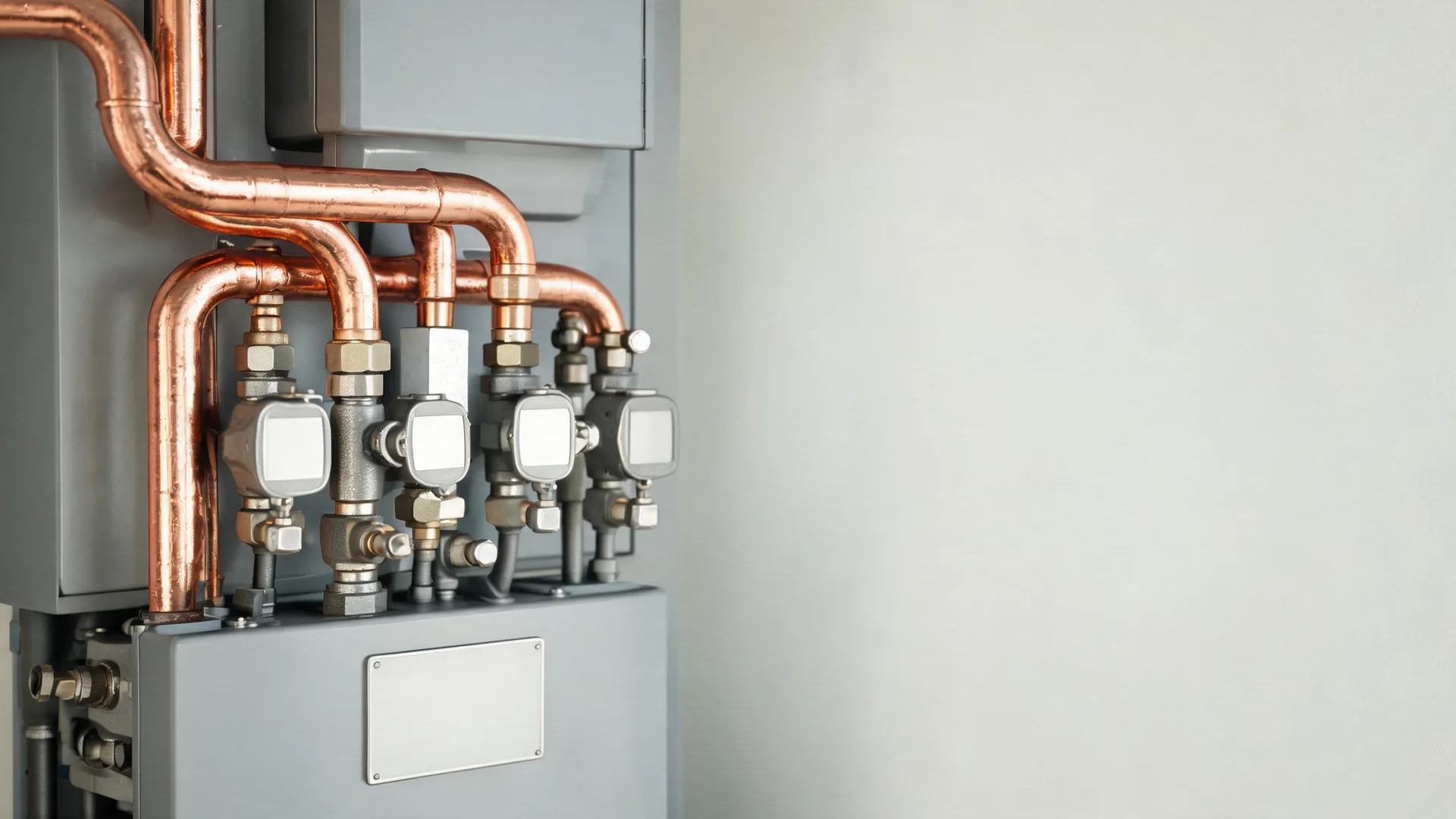
The boiler gets set in place and plumbed into the supply and return lines first, since everything else connects off that. Gas and electrical hookups come next, along with the venting, which has to run a specific way to the outside rather than just wherever is convenient. Once it's connected, the system gets filled with water and the air has to be bled out of the lines, or you'll get cold spots in the radiators or baseboards later. Then comes firing it up and checking the settings, the pressure, the temperature and the burn, to make sure it's running the way the manufacturer built it to run. A combustion test on a gas or oil boiler isn't optional. It's how the installer confirms the thing is burning clean and venting properly before anyone signs off on the job.