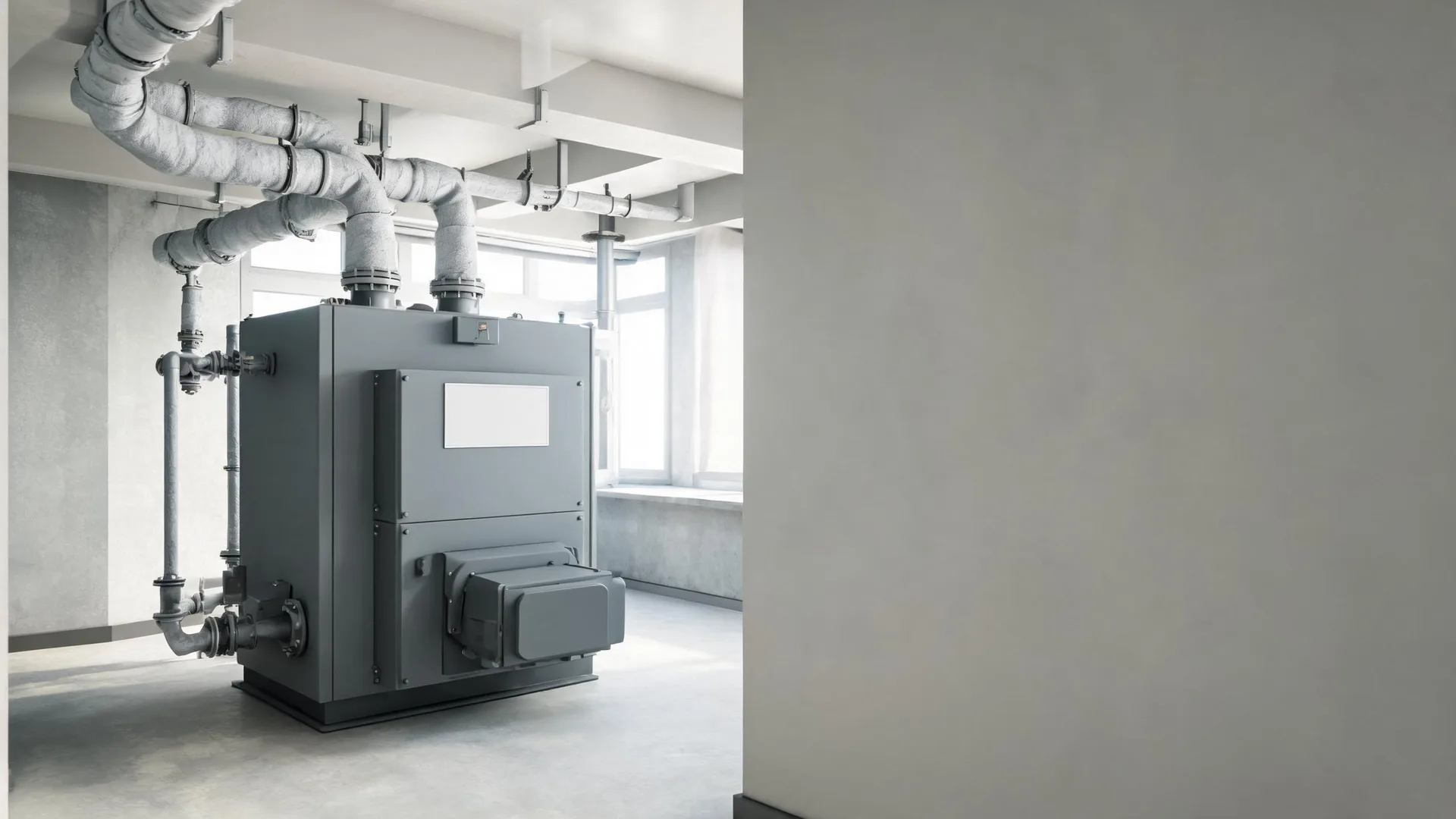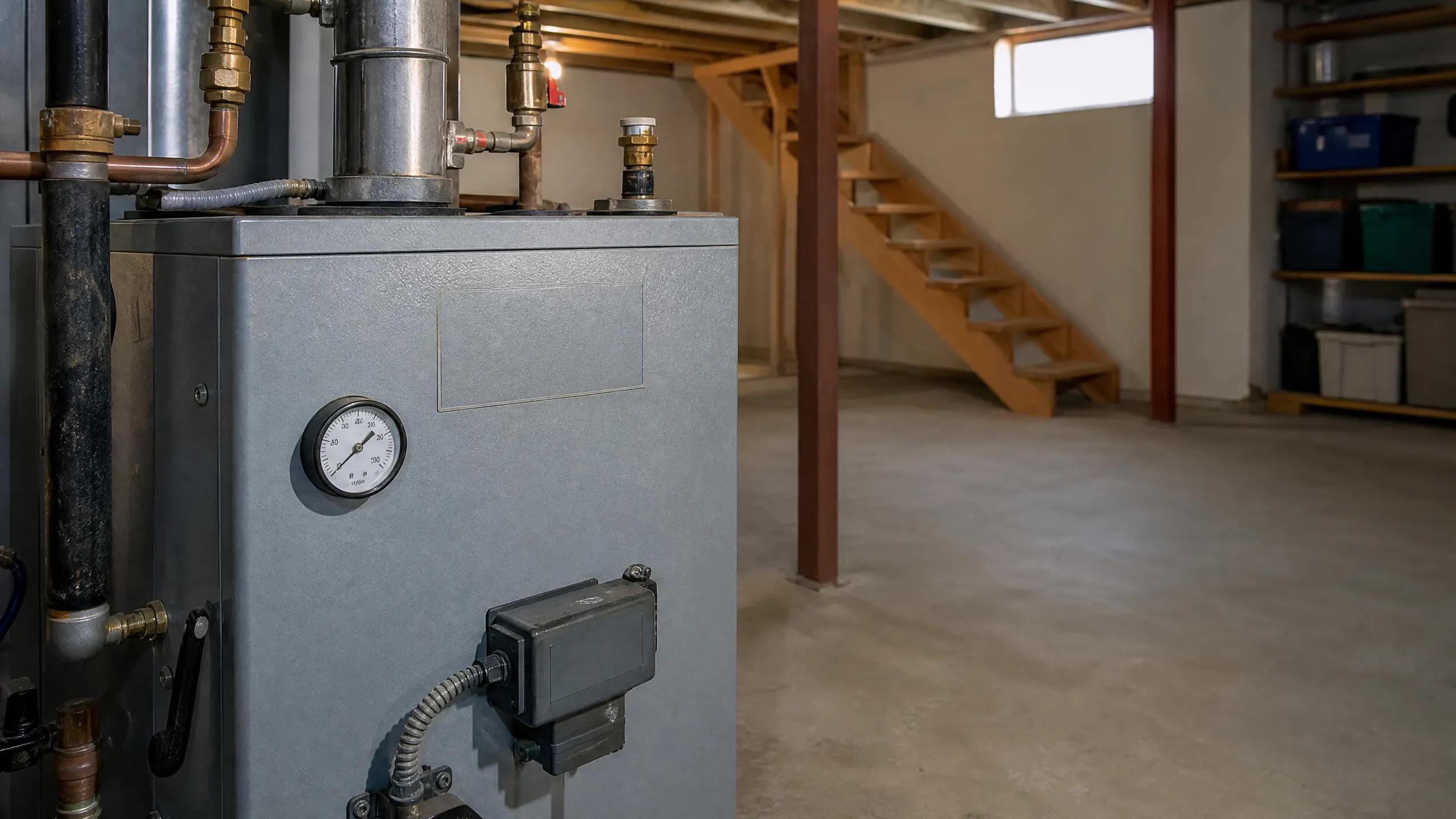
Gas is the default here
Utility gas heats 73.8% of homes in Queens County. A gas boiler is what most contractors are pulling out and what most are putting back in.
Takes about a minute. No obligation.
Utility gas heats 73.8% of homes in Queens County. A gas boiler is what most contractors are pulling out and what most are putting back in.
If your old boiler ran on gas, a new gas boiler ties into the same gas line and the same flue. There's no new fuel source to run and no tank to add.
Winter here runs about seven months, October through April, with overnight lows averaging 28°F in January.
A standard boiler sized to the house handles that. Queens gives no reason to size up or pay more.




An old gas line or old piping doesn't rule out a new boiler, but it does change what the contractor has to check before they quote one. Half the boilers going into Queens homes are going into houses built in 1953 or earlier, and a lot of those houses have been re-piped, re-zoned, or added onto since. If your radiators were added one at a time over the years rather than all at once, the boiler has to be sized for what's there now, not for what the house started with. A contractor who skips a look at the gas line, the electrical hookup, and the existing piping before quoting a number is guessing. Ask what they found when they looked, not just what boiler they're recommending.
Boilers here run October through April, seven months of the year. September is the last clear month before that starts. Replace it then and the installer has time to do the job right, and you're not without heat while it happens.
Find a contractorA boiler installation covers more than the unit itself. The contractor has to run new venting if the old flue doesn't match the new boiler's exhaust type, piece in new piping if the old sections are worn or the wrong size, and add safety controls and shutoffs that older systems were installed without. None of that shows up until someone opens the mechanical room and looks.
Swapping a gas boiler for another gas boiler on the same footprint is the simplest job there is. Moving the boiler, changing its vent type, or feeding more radiators or a bigger zone than the old one handled all add work. The condition of the existing gas line and electrical hookup matters too. A line that needs upsizing or rework adds a step the boiler cost alone won't tell you about.
Sizing a boiler comes down to how much heat the house loses on the coldest day, not how big the house is. A contractor works that out room by room, adding up the heat loss through walls, windows, and ceilings rather than going by square footage alone. Too big and the boiler short cycles, heating the water fast, shutting off, then firing again a few minutes later. That wears the igniter and the heat exchanger harder than steady runs do, and it still leaves rooms farther from the boiler colder than the ones close to it. Too small and it runs flat out on the coldest nights and never quite catches up. The old boiler's output is a starting point, not the answer, since it may have been oversized to begin with or sized for a house that had fewer radiators or less insulation than it does now.
Installation day starts with draining the old boiler and disconnecting the gas, water, and vent lines. The old unit comes out, sometimes in pieces if it has to pass through a tight doorway or down a narrow stairway. The new boiler goes in on its pad or wall bracket, then the contractor sweats or threads the piping back together and reconnects the gas line, checking every joint for leaks before anything gets fired up. Venting comes next, and if the new boiler needs a different vent type than the old one, this is where that work happens. Once everything is connected, the system gets filled with water and purged of air, the gas valve gets tested, and the boiler runs through a full cycle while the contractor checks water temperature, pressure, and that every radiator or zone is actually getting heat. A combustion analyzer reading at the flue confirms it's burning clean before the job is called done.