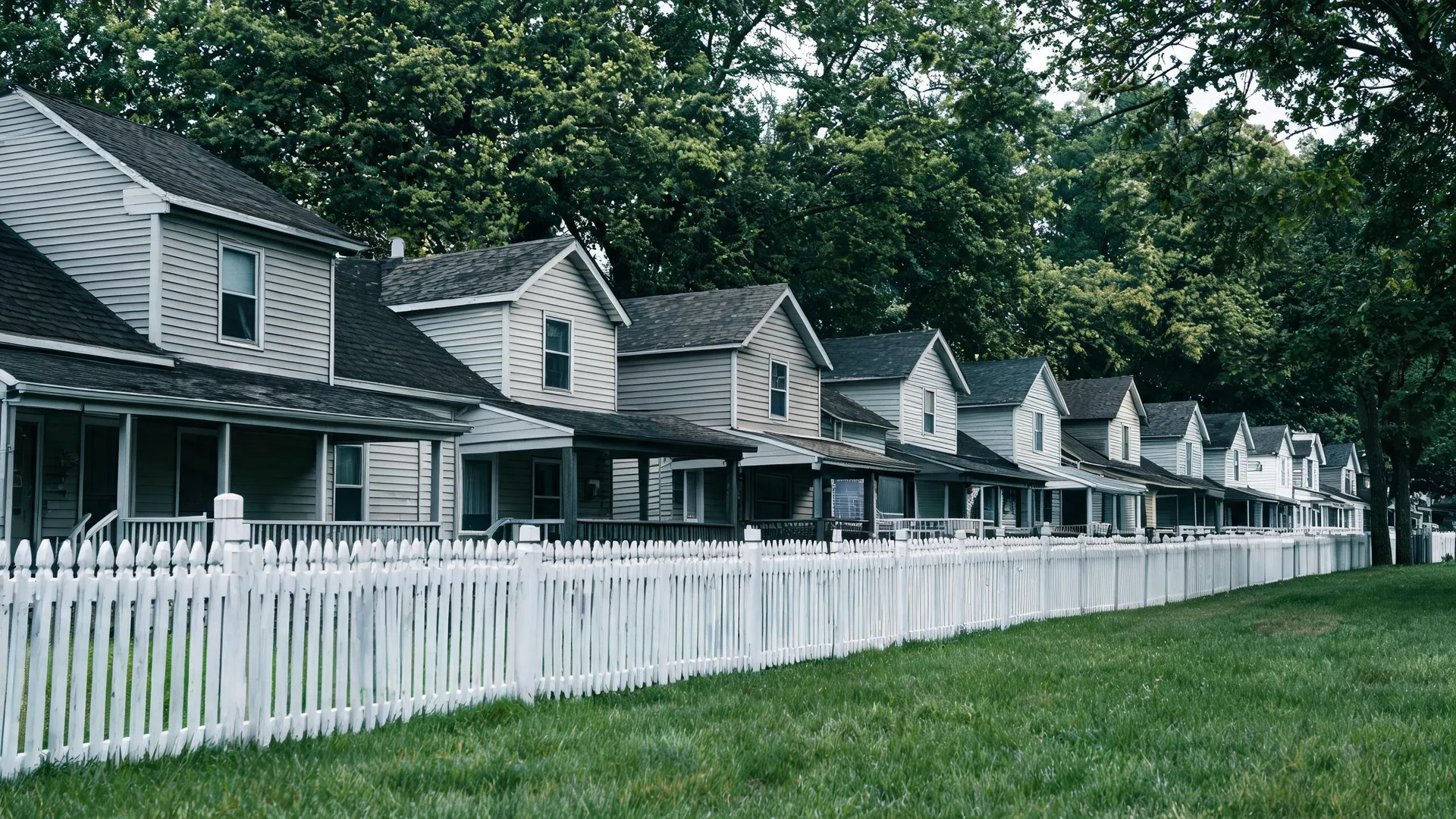
A row of similar gable-roofed wood-sided houses with porches behind a long white picket fence, with mown grass in the foreground and large leafy trees behind.

Boiler Installation in Utica, NY

Tell us about the job

Takes about a minute. No obligation.

New system or replacementBoilerOneida County, NY
Step 1 of 2

What ZIP code is the job in?

Natural gas ran $16.03 per million Btu across New York homes in 2024. A boiler that wastes heat up the flue or cycles more than it needs to burns through that gas fast, and in Oneida County the furnace runs for months straight. Two boilers rated for the same house can land on very different gas bills once winter sets in. The equipment you choose now is what decides which side of that gap you're on.

Boilers here run September through May.

Install before September and the first cold night isn't the night you find out something's wrong.

Half these houses were built by 1958. Your boiler has to match the one you've got.

Half the homes here were built by 1958
Heat runs September through May
Winter nights average 15°F
Gas Heats Oneida CountyUtility gas heats 57.3% of occupied homes here, more than any other fuel.

Oneida County saw 284 severe weather events between 2015 and 2024, and 195 of those were damaging wind. A boiler itself sits indoors, away from hail and falling branches, but the power behind it doesn't. Across New York, 11% of households lost power for a day or more in 2024. A standard gas boiler needs electricity to run its controls and circulator pump, so a long outage means no heat even with gas still flowing to the house. If you're installing new, ask what happens to that system when the grid goes down, and whether a battery backup or generator hookup makes sense for your house. Worth asking before the install, not during the first outage.

Efficiency pays here

Power costs more here, so an efficient system pays you back on every bill.

Find a contractor

Ask what it's rated to do, not just rated at

Every boiler carries an efficiency rating, but that number is measured under ideal lab conditions. Ask how it performs at partial load, since a boiler spends most of its life running below full output, not at it. Ask too about the turndown ratio, which is how far the burner can throttle down on a mild day. A unit that can only run full blast or shut off completely will cycle on and off all day, and every start burns extra fuel getting the burner up to temperature.
Ask who sizes it and how

A boiler sized by square footage alone is a guess. The right size comes from a heat loss calculation that accounts for insulation, window area, and ceiling height room by room. Oversized boilers short cycle, wearing out the ignition system faster and never running long enough to reach steady efficiency. Undersized ones run constantly and still can't hold the house at temperature on the coldest nights. Ask to see the calculation, not just the number it produced.

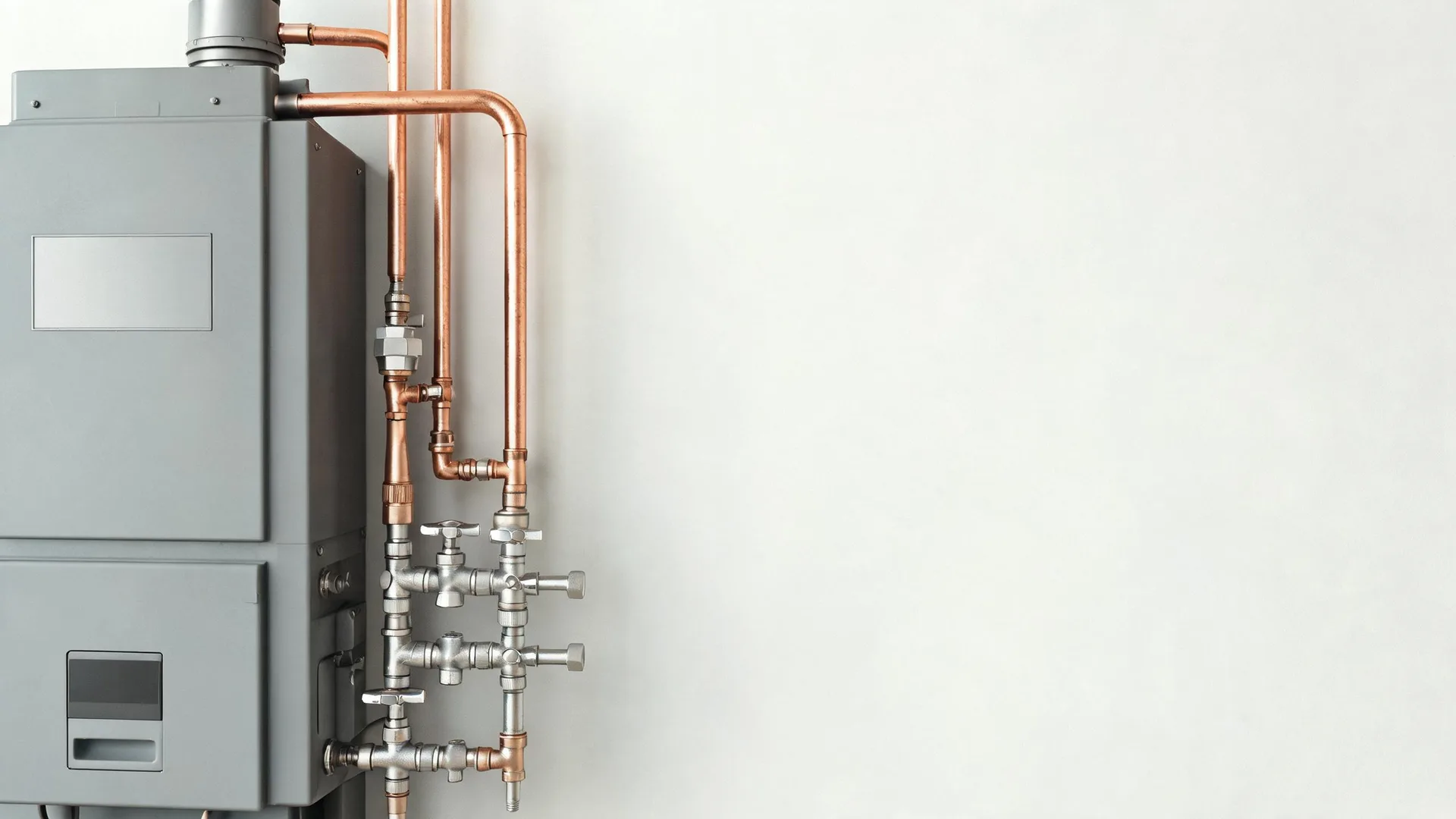
A boiler's price tag comes from more than the box itself. Cast iron heat exchangers cost more than steel but last longer and resist corrosion better. The controls matter too. A basic aquastat is cheap, but outdoor reset controls that adjust water temperature to match the weather add cost upfront and save fuel over the years it runs. Venting is another piece. A high efficiency condensing boiler needs intake and exhaust piping run to the outside, and if the house has no good path for that, the labor to route it climbs. Near boiler piping, the pipework right at the unit, affects efficiency too. Primary secondary piping or hydraulic separation costs more to install than a single loop, but it protects the boiler from flow problems and lets zones run independently. None of this shows up in a glance at the equipment. It shows up in how the thing runs once the weather turns.

Nine months of heat a year wears a boiler harder than almost anything else in the house. September through May, the burner is cycling on and off, the circulator pump is running, and the heat exchanger is expanding and contracting with every start. That's a lot of hours on an ignition system over a winter, let alone several. Storms add their own wear outside of that: Oneida County saw 57 winter storms between 2015 and 2024, heavy snow and ice that can knock out power and force a system to restart cold over and over on the worst nights. A boiler built for a milder climate won't hold up the same way here. The install has to account for how much this machine actually runs, not just what it's rated to do on paper.