Oil runs $23.11 per million Btu here
That's what New York homes paid for fuel oil in 2024, state figures show. A boiler that wastes heat burns through oil at that price all winter long.

Takes about a minute. No obligation.
That's what New York homes paid for fuel oil in 2024, state figures show. A boiler that wastes heat burns through oil at that price all winter long.
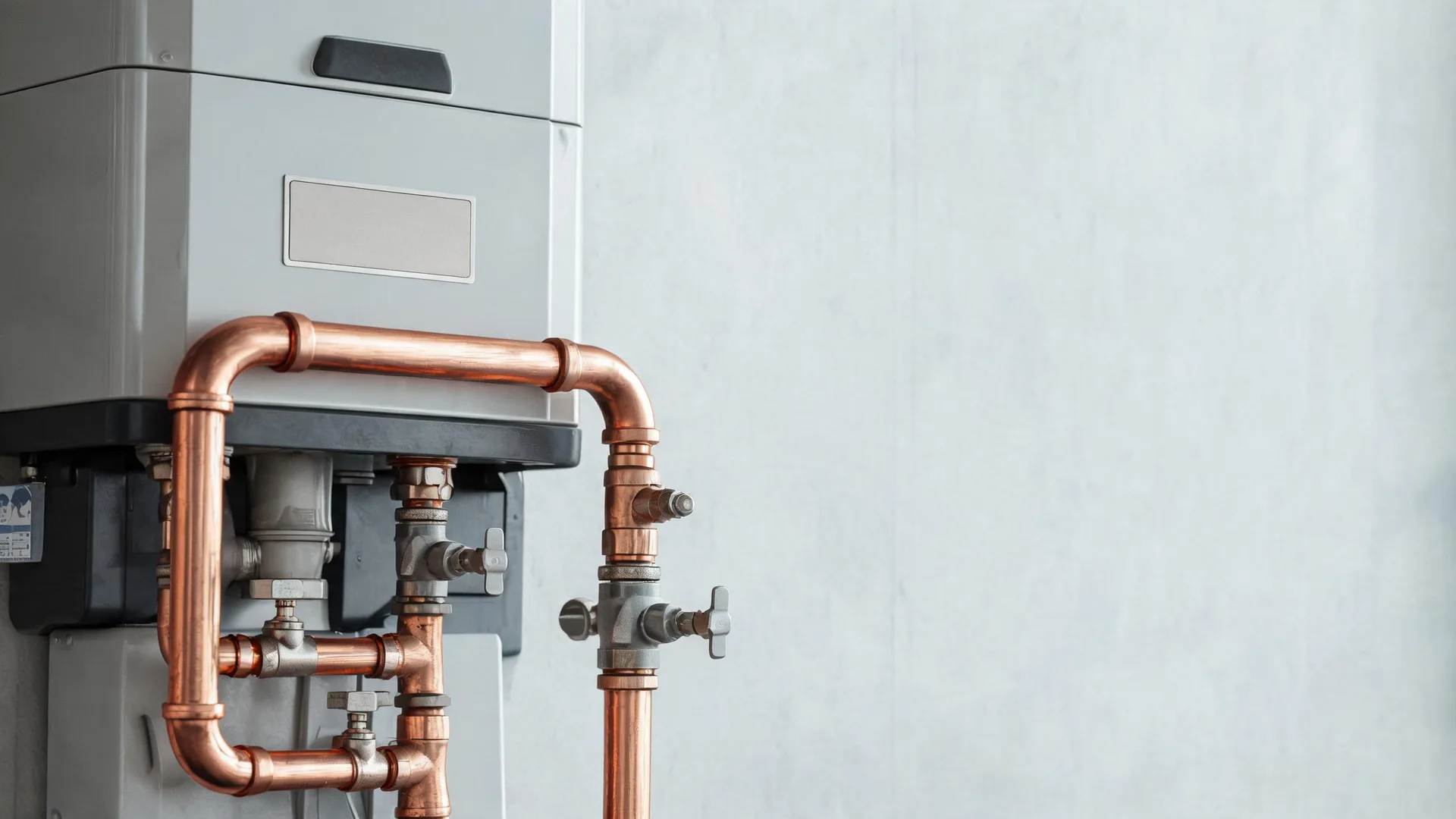
A new boiler sized right and installed right gets more heat out of every gallon it burns. In a house heating with oil, that difference shows up every time the burner fires.
Oil heats more homes in Putnam County than any other fuel, close to 6 in 10.
A boiler swap is the usual job here, not a switch to something the house wasn't built for.




Putnam County falls under climate zone 5A, a cool zone where the energy code assumes heating does most of the work. That shapes what a contractor can install. A gas-fired boiler going in has to turn at least 84 percent of the gas it burns into heat over the winter, a floor set for units built from January 15, 2021 on. That rule alone rules out the low-efficiency models that used to be standard. If oil is what's being replaced, the new system still has to perform against that same bar once it's in the ground.
A boiler sized and installed right turns more of that oil into heat, and at $23.11 per million Btu, that's what shows up on the bill all winter. The install is the one chance to get that right before the burner starts running for the season.
Find a contractor
The right size comes from a heat loss calculation, room by room, that adds up how fast the house gives up heat through its walls, windows and roof on the coldest days. A contractor who skips that and sizes off the old boiler or a square footage chart is carrying over whatever mistake was already there.
An oversized boiler short cycles. It blasts the house to temperature, shuts off, and fires again a few minutes later, never running long enough to settle into steady, efficient combustion. The metal heats and cools faster than it should, and the burner and ignition parts wear out from the extra starts, not from the hours on the clock.
When you're comparing quotes, ask each contractor what they're proposing and why, not just what it costs. Ask to see the heat loss calculation, not an estimate based on the old boiler's size. Ask what the AFUE rating is on the unit they're quoting, and ask them to explain the difference if two quotes show different numbers. Ask whether the near-boiler piping, the circulator, and the expansion tank are being replaced or reused, since a new boiler hung on old piping won't perform the way the rating on the box suggests. Ask how they're venting it and whether that changes anything else in the mechanical room. A contractor who answers these without hesitation has done the calculation already. One who can't is still guessing.
The old boiler doesn't get left in place once the new one's running. It gets disconnected, drained, and hauled out, along with the venting that served it if that's being replaced too. If it's oil, the line to the tank gets capped off, and if the tank is being abandoned rather than reused, that's its own job, since an oil tank can't just be left full or walked away from. A chimney that vented the old boiler may not suit the new one at all. Gas-fired units with high AFUE ratings often vent through a wall with plastic pipe instead of running up a masonry chimney, because the exhaust is too cool to rise on its own the way it did with the old equipment. That changes what the contractor has to plan for beyond just swapping one box for another, and it's worth asking about before the old one comes out.