A weathered wooden picket fence runs along a grass strip in front of a row of similar gabled houses with dormer windows and dark shingled roofs, shaded by large leafy trees.

Boiler Installation in Bronx, NY

Tell us about the job

Takes about a minute. No obligation.

New system or replacementBoilerBronx County, NY
Step 1 of 2

What ZIP code is the job in?

Gas is the common fuel here

Just over half of homes in Bronx County heat with utility gas, more than any other fuel. Fuel oil accounts for about a fifth of homes, and electric heat makes up most of the rest. If your old boiler ran on gas, the gas line and venting are likely already in place.


What that means for a new boiler

A straight swap, gas boiler for gas boiler, is usually the simplest installation since the fuel line and flue are already sized for it. Switching fuel types, say from oil to gas, means the contractor has to account for a new gas line or a different venting setup.

Boilers in Bronx County run from October through April, with overnight lows averaging 28°F in January.

A standard-sized boiler is built to handle winters like this one, so there's no reason to size up here.

Replace a boiler in September, before heat season starts in October

Heat runs October through April
Winter nights average 28°F
16 winter storms from 2015 to 2024
Boiler installation for Bronx's older homesHalf the homes in Bronx County were built in 1955 or earlier.

Bronx County sits in climate zone 4A, which asks real work of both heating and cooling over the year. Any gas-fired hot water boiler installed here now has to hit at least 84 percent AFUE if it was manufactured on or after January 15, 2021, so that floor applies to what a contractor can install. This isn't a local rule singling out the Bronx. It's the standard new boilers nationally are built to meet at this point, so it shouldn't narrow the options much. A federal tax credit is available for qualifying high-efficiency equipment, which is worth asking about when comparing models.

Reliability first

Power is cheaper here, so the most efficient model takes longer to pay off. Reliability and fit matter more.

Find a contractor
A man in a cap, gray T-shirt and brown work pants carries a worn leather tool bag up wooden porch steps toward a dark paneled front door, with a potted shrub to the left.

The old boiler gets drained and cut loose

A contractor shuts the water and gas valves, drains the boiler and its piping, and disconnects the flue before anything new goes in. Cast iron boilers hold a lot of water, so that drain-down takes real time. Once it's disconnected, the old unit gets cut away from the supply and return lines.

The flue and gas line get a second look

An old boiler's flue was sized for how much that unit vented. A new boiler, even a gas-for-gas swap, can call for a different vent size or a different gas line diameter depending on its input rating. Reusing the old venting without checking it is how a new boiler ends up drafting poorly.

AFUE is the number on the label, and it tells you how much of the fuel actually turns into heat for the house versus how much goes straight out the flue. Whatever doesn't become heat leaves as exhaust, and every boiler vents some, no matter how high that rating climbs. A higher AFUE boiler squeezes more heat out of the same fuel, usually by running a second heat exchanger that pulls warmth back out of the exhaust before it leaves the house. That second step is also why high-efficiency boilers often vent out a side wall through plastic pipe instead of up a chimney. What the rating does not tell you is whether the boiler is sized right for the radiators or baseboards it has to run. A mismatch there will cost you more comfort than a few points of AFUE ever will.

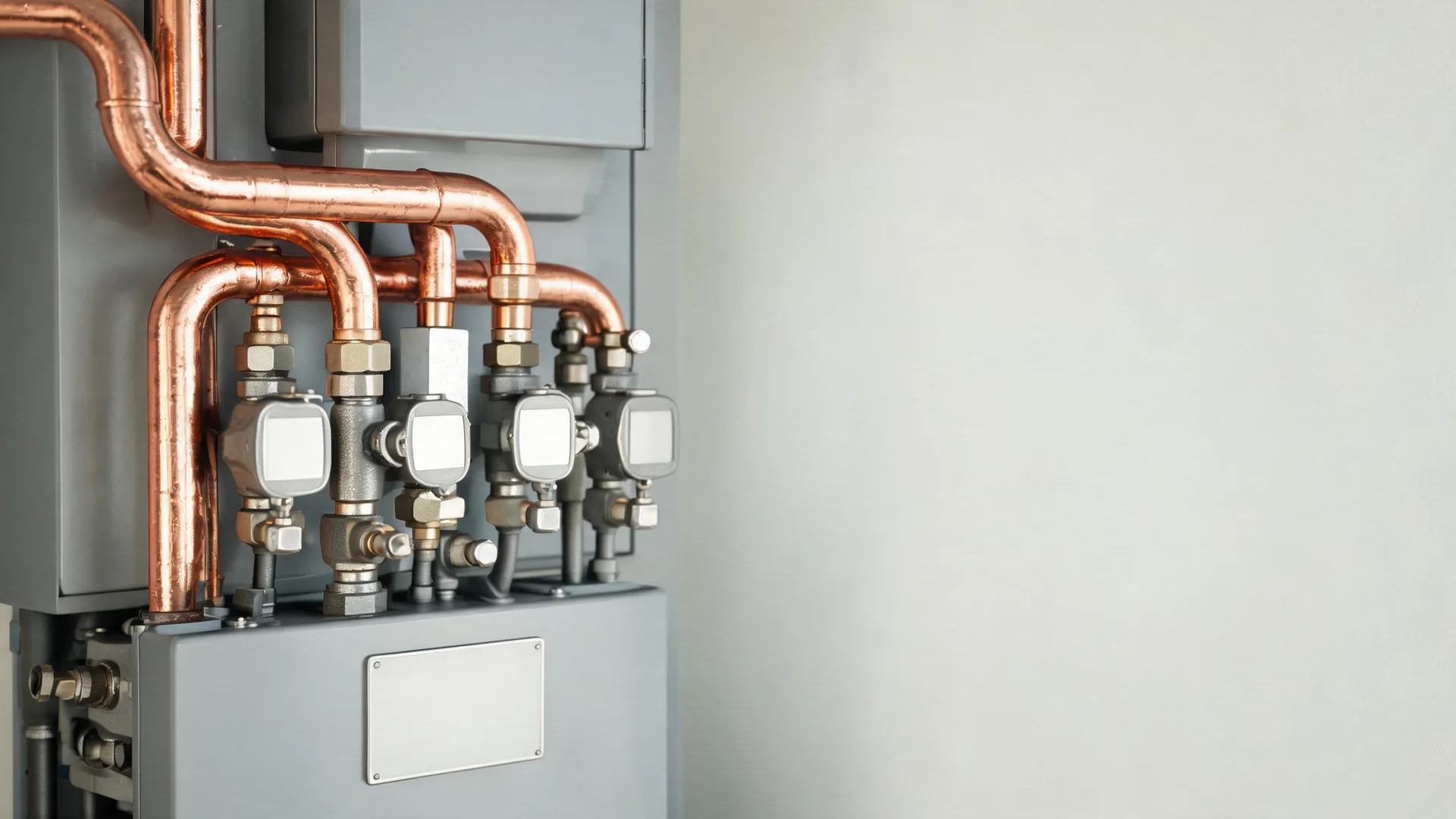
Once the old boiler is out, the new one gets set, leveled, and plumbed into the supply and return lines before anything gets fired up. The contractor pressure tests the system to make sure there are no leaks in the joints, then purges the air out of the lines. Low water pressure or an air pocket in the line will keep a boiler from firing right, so this step gets checked before power goes to the unit. Once it's wired in and the gas line is connected, the contractor fires it up and watches the flame, checks the flue draft, and lets the system run through a full heating cycle. That's also when the aquastat and any zone valves get set so each loop gets the heat it's supposed to. A boiler that looks done still needs that full cycle watched before anyone calls it finished.