



White colonial houses with lit windows photographed at dusk along a tree-lined residential street.

Boiler Installation in Troy, NY

Tell us about the job

Takes about a minute. No obligation.

New system or replacementBoilerRensselaer County, NY
Step 1 of 2

What ZIP code is the job in?

Rensselaer County recorded 301 damaging wind events and 38 winter storms between 2015 and 2024, along with 14 hail events and a tornado. That is a lot of weather moving through this county. A boiler installation here has to account for it. Statewide, 11% of households went at least a full day without power in 2024. A boiler burns gas, but it still needs electricity to run its igniter and controls, so a power cut can mean no heat even when the gas line is fine. Worth thinking through before the new unit goes in, not after the first outage.

Gas ran $16.03 per million Btu across New York homes in 2024.

An efficient boiler installed now burns less of that gas all winter.

Half the homes here were built before your boiler options were

Half the homes here were built by 1962
Heat runs October through May
Winter nights average 17°F
Gas boilers fit the way this county already heatsUtility gas heats 47.8% of occupied homes in Rensselaer County, more than any other fuel

Heat runs here from October through May, about eight months of the year. Through December, January and February the overnight low averages 17°F, colder than most of the country sees. That means a new boiler spends most of its first year working, not sitting idle waiting for a mild stretch. Winter storms hit Rensselaer County 38 times between 2015 and 2024, the kind of weather that pushes any heating system harder right when it can least afford a weak part. A boiler sized and installed for this county has to hold up to that load every winter, not just the easy ones.

Plan for the outage before the boiler is in

When the power goes out, a gas boiler still needs electricity for its igniter and controls. Ask the installer where the new unit goes, how its wiring is protected, and what backup options exist for an outage. Worth settling now, while the system is being put in.

Find a contractor
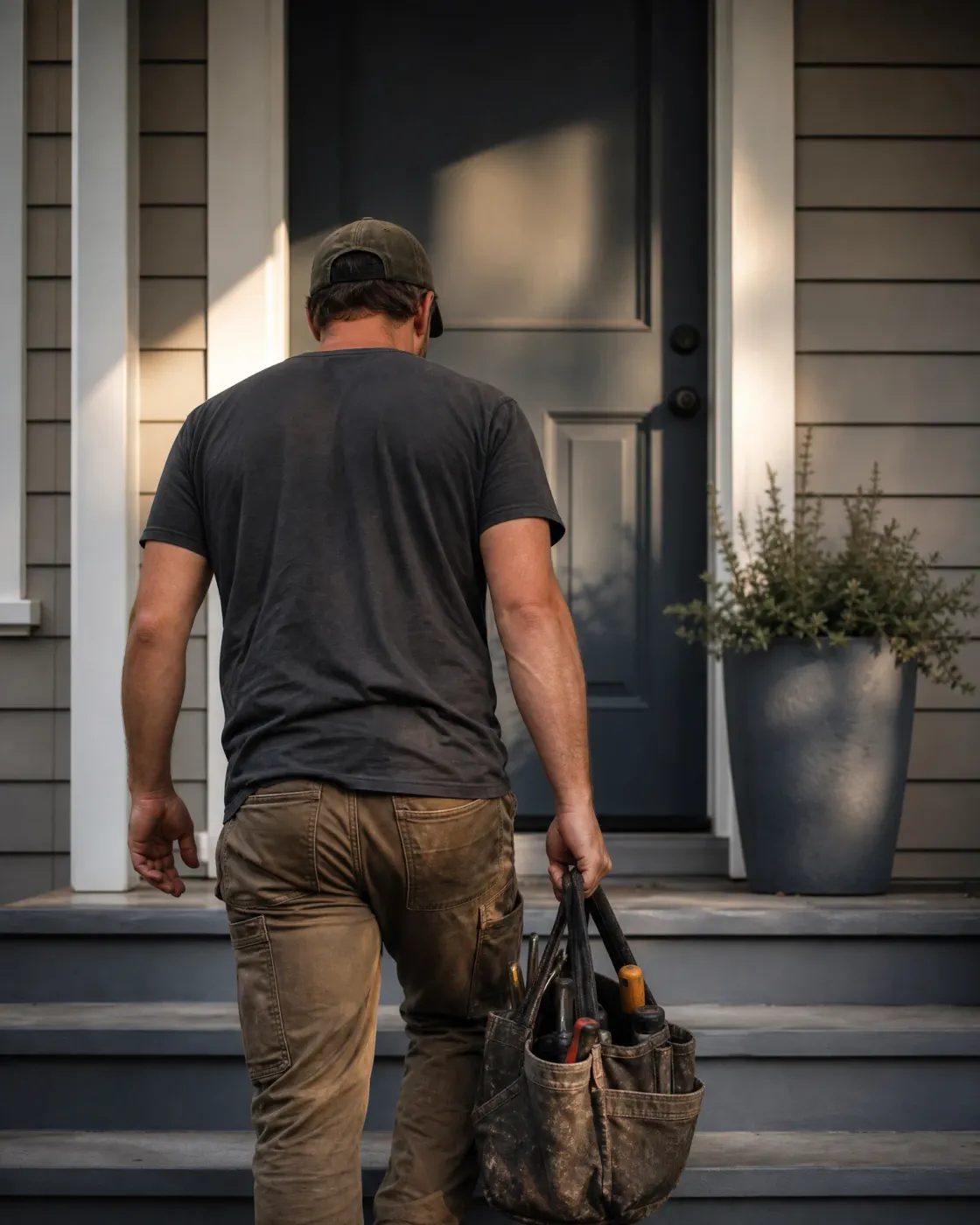
A man in a cap, dark t-shirt and worn tan work pants walks up steps toward a dark front door, carrying a canvas tool bag filled with tools, beside a potted shrub.

The rating measures fuel burned, not heat delivered

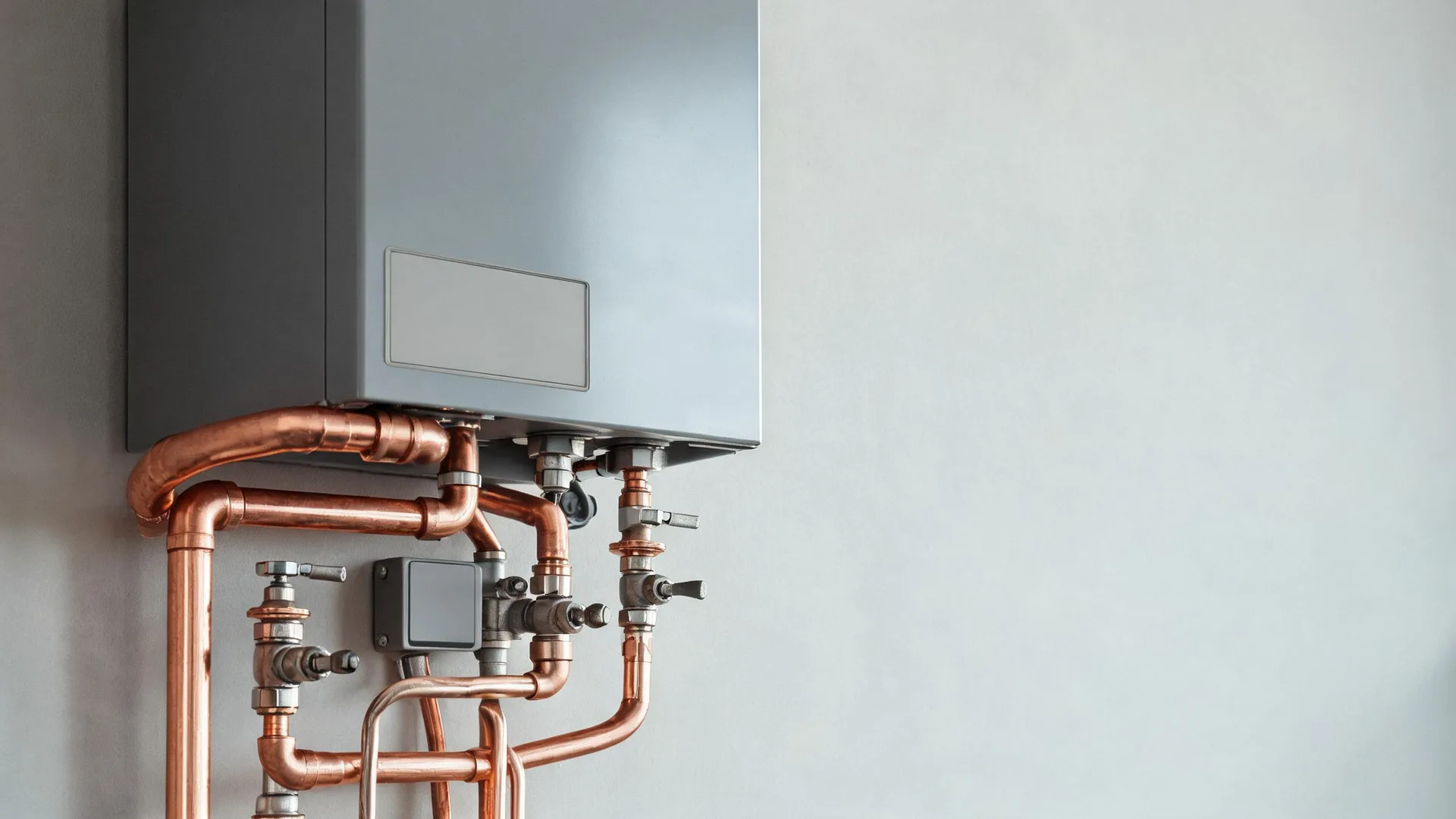
A boiler's efficiency rating tells you how much of the fuel it burns turns into heat for the house, and how much goes out the flue. A higher rating means less waste. It does not tell you how fast the house heats up or how warm the rooms get. That comes down to sizing and the distribution system, the pipes and radiators or baseboards carrying the heat around.
The rating only holds if the boiler is sized right

A boiler sized too big for the house will short cycle, turning on and off more than it should, and never run long enough to hit the efficiency the label promises. One sized too small will run constantly and still struggle to keep up. The rating on the label assumes the unit matches the heat loss of the house it's installed in, so that calculation matters as much as the number itself.

Taking out the old boiler is its own job, separate from setting the new one in place. If the unit is cast iron, it's heavy, and it usually comes apart in sections to get it out the door. The old gas line gets capped or rerouted, and the flue connection has to be dealt with too, since a new boiler often vents differently than the one it replaces. Any water left in the system drains out through a valve at the bottom of the unit before anything moves. If the old boiler used a chimney and the new one doesn't, that chimney still needs to be capped properly so it isn't left open to the weather. None of this is hard, but skipping a step is how a basement ends up with a gas smell or a water stain that wasn't there before.

Rensselaer County falls under zone 5A in the 2021 energy code, a cool, humid climate where heating carries most of the load. That classification sets a floor for what can be installed here. Any gas-fired hot water boiler built since January 2021 has to turn at least 84 percent of the gas it burns into heat over the season. That is a federal manufacturing standard, not a local one, so it applies no matter which brand or model goes into the house. A unit that meets it is already built for a climate like this one. There is also a federal tax credit available for qualifying high-efficiency equipment, worth asking about when comparing options.