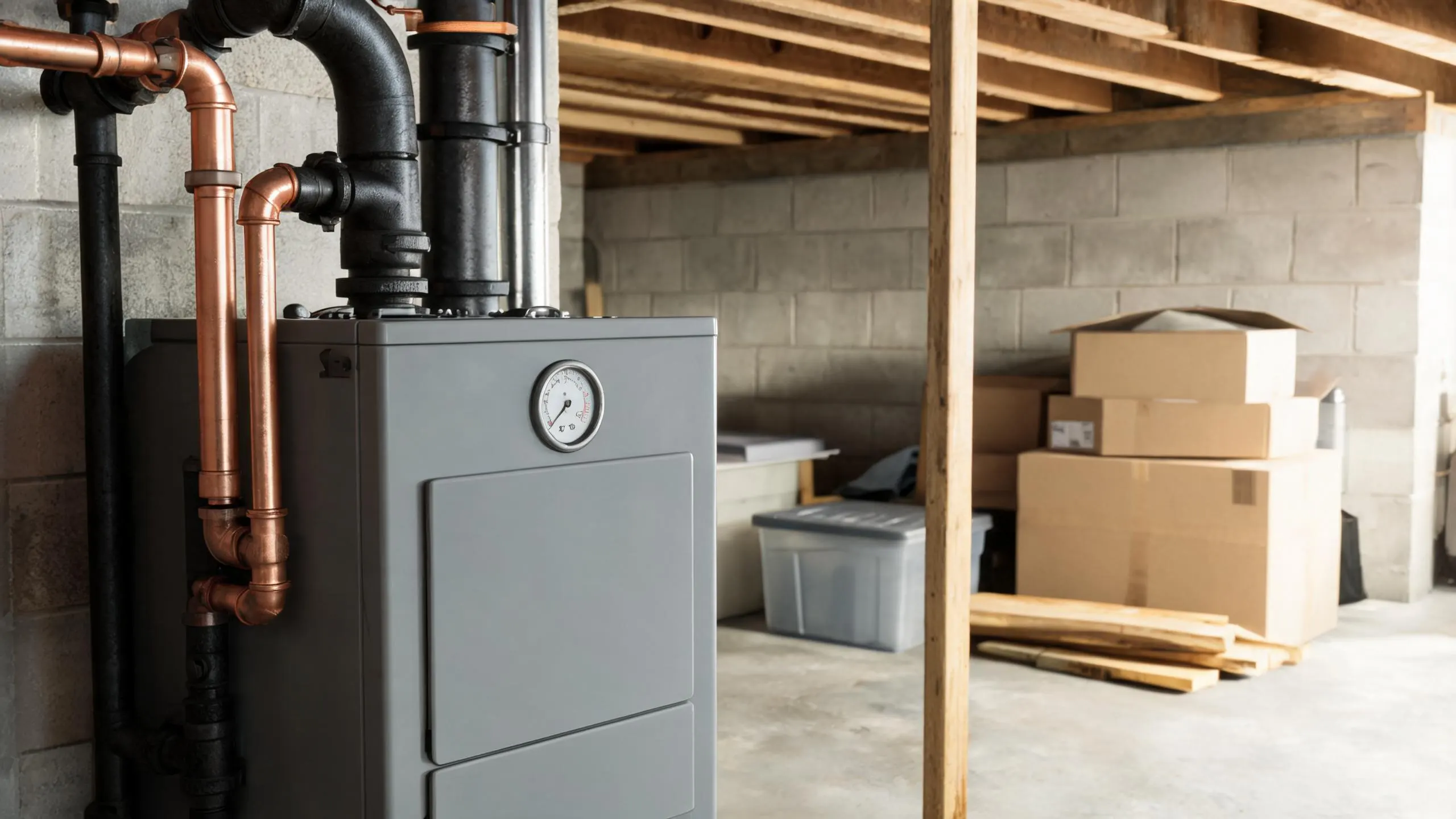



A gray boiler with copper and black piping mounted against a concrete block wall in an unfinished basement.

Boiler Installation in Plattsburgh, NY

Tell us about the job

Takes about a minute. No obligation.

New system or replacementBoilerClinton County, NY
Step 1 of 2

What ZIP code is the job in?

A lot of homes up here still run on fuel oil, and at $23.11 per million Btu it is one of the more expensive ways to heat a house in New York. If your boiler runs on oil, the efficiency rating on a new unit matters more here than it would somewhere cheaper to heat. A boiler that converts more of that fuel to actual heat in your radiators or baseboards, instead of losing it up the flue, keeps more of that cost from going to waste. Plattsburgh winters are long enough that this isn't a once-in-a-while expense. When you're comparing boilers, ask what each one actually costs to run on oil at today's prices, not just what it costs to install.

A boiler sized too big for the house will short cycle, turning on and off before the water ever gets up to temperature.

Sizing comes from a heat loss calculation on the house, not from matching the old boiler's number.

Nine months of heat and 11 degree nights wear a boiler down fast here

Heat runs September through May
Winter nights average 11°F
47 winter storms from 2015 to 2024

Heat starts running here in September and keeps going through May, nine months of the year. If your boiler is already struggling, August is the month to deal with it, while there's no cold house waiting on a repair crew. Wait until the season starts and you're choosing from whatever unit can be installed fastest, not the one that actually fits your house. A boiler put in during August has time to be checked over before it has to carry the first cold night.

Most homes here heat with oil. Replace yours with what already fits.

Over a third of homes in Clinton County heat with fuel oil, more than any other fuel. If that's your house, replacing the boiler with another oil unit is usually the straightforward call. The parts, the venting, the fuel line are already set up for it.

Find a contractor

Ask what the combustion chamber is made of

Cast iron sections hold up a long time but crack if cold return water keeps hitting them without a mixing valve to protect them. Steel heat exchangers cost less and heat up faster but don't forgive the same neglect. Ask which one you're getting and whether the installer is adding the piping to protect it.
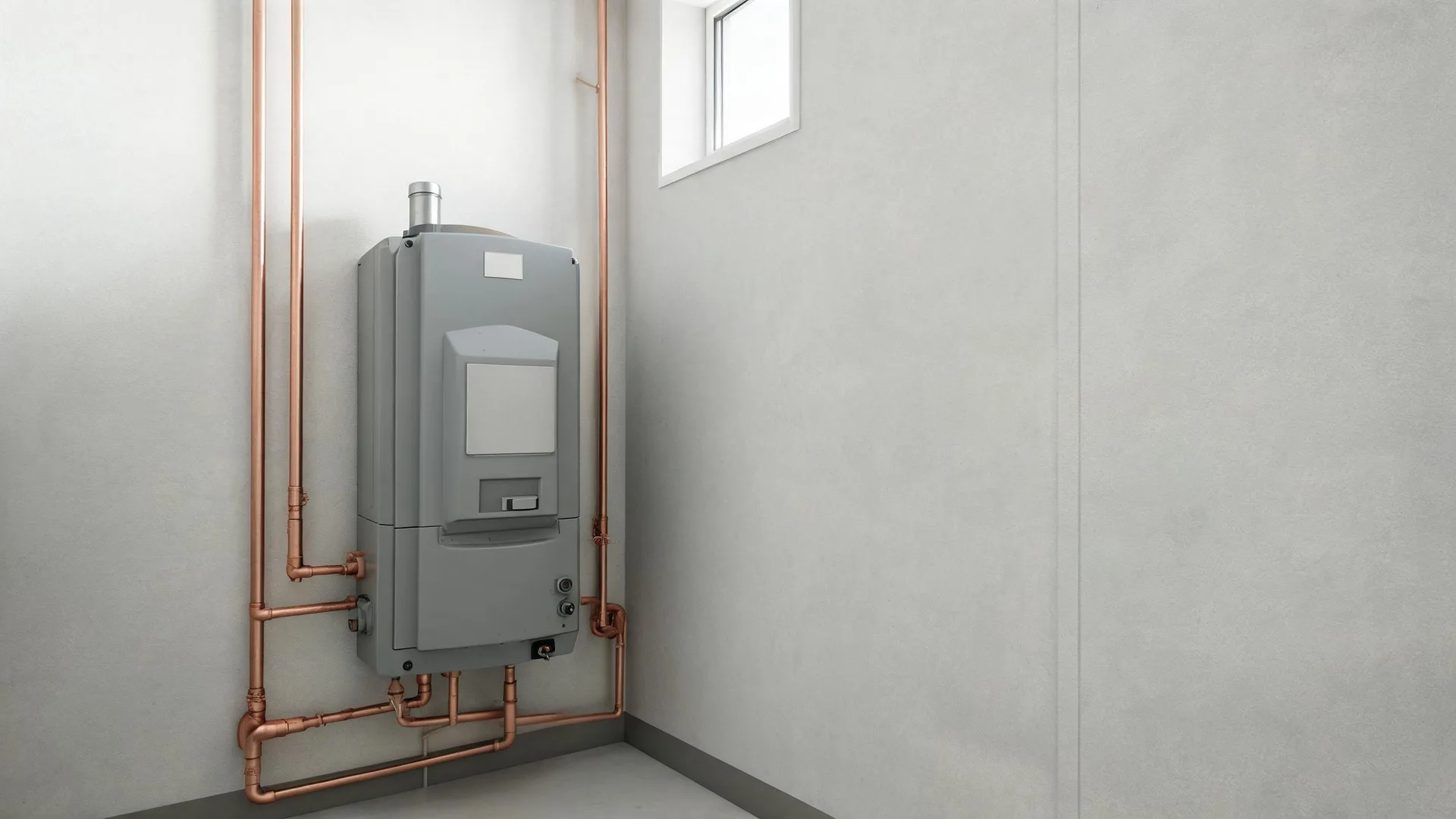
Ask how the near-boiler piping will be done

The boiler itself is only part of the job. The piping, valves and air separator right at the unit control how well it actually performs and how easy it is to service later. Installers quoting the same boiler model can still be quoting a different job depending on how that piping gets done.

The boiler itself is only one line on the quote. Venting is another. If the new unit needs a different vent than the old one, that means new pipe, and sometimes a liner, not just a swap at the connection. The piping around the boiler, the circulator, the expansion tank and the controls all add labor whether or not the boiler they are attached to is expensive. An installer reusing old piping and one replacing it to match the new boiler can quote the same model and land on different jobs. A house with multiple heating zones needs a circulator or zone valve for each one, plus the wiring to run them. None of that shows up by looking at the boiler on its own.

Installation day starts with the old boiler coming out, and that's often slower than putting the new one in. Draining the system, disconnecting the flue, getting a heavy unit out of a mechanical room with no straight path to the door, that part takes patience more than skill. Once the space is clear, the new boiler gets set, leveled and connected to the near-boiler piping first, before anything else. Venting comes next, and it gets tested for a proper draft before the unit ever fires. The gas or oil line gets connected and checked for leaks. Only then does the installer fire it, watch it run through a full cycle, and check the temperature rise, the pressure and the controls before calling it done.