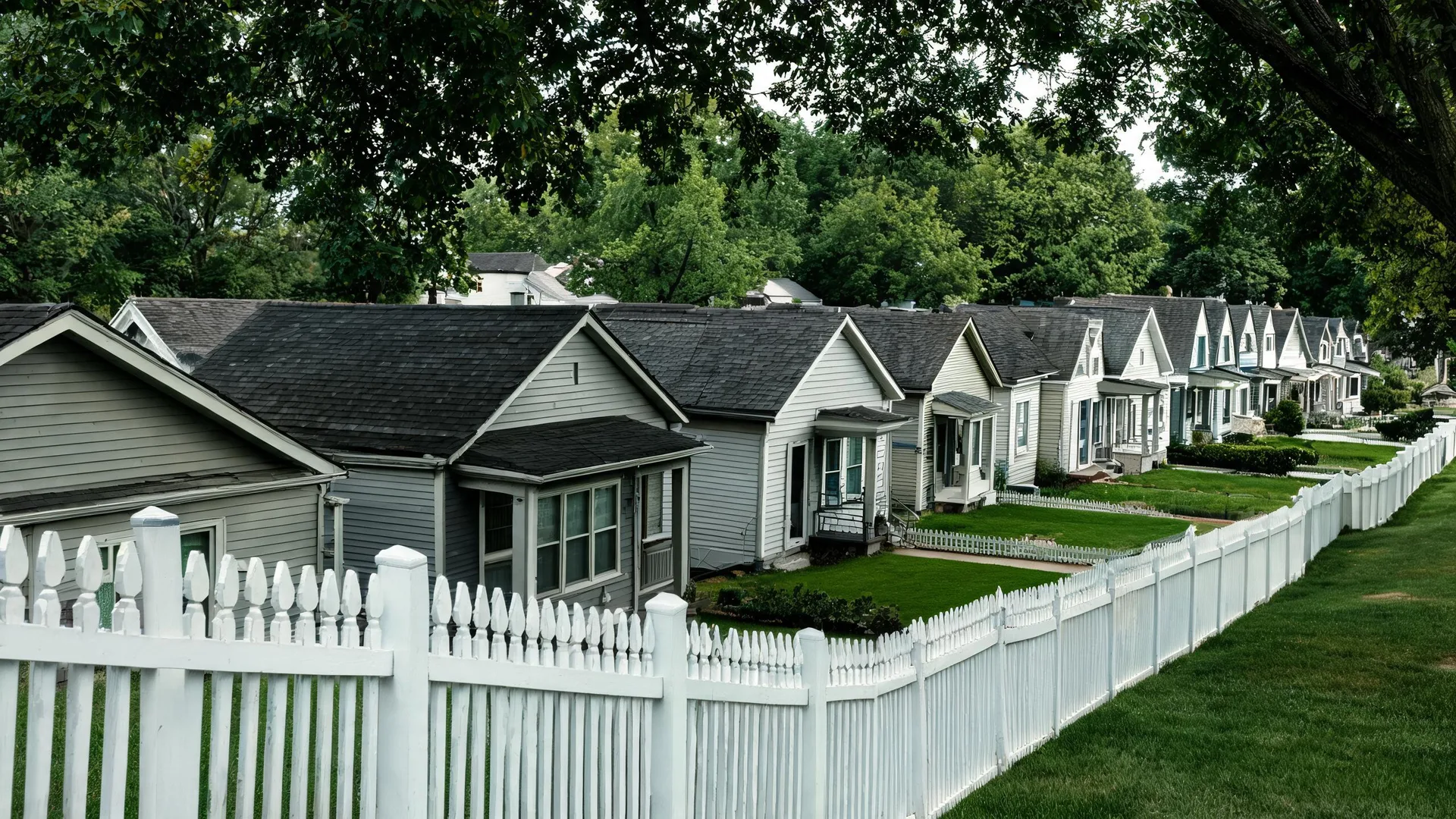



A row of small single-story houses with gray shingled roofs and light siding behind a white picket fence, with mown lawns and leafy trees.

Boiler Installation in Kingston, NY

Tell us about the job

Takes about a minute. No obligation.

New system or replacementBoilerUlster County, NY
Step 1 of 2

What ZIP code is the job in?

Ulster County saw 440 severe weather events between 2015 and 2024. Damaging wind caused most of them, 372 times in that stretch, with 33 winter storms and 28 hail events mixed in. Three tornadoes touched down in the county too. Statewide, 11% of households went at least a day without power in 2024. A boiler doesn't need electricity to burn oil and make heat the way a furnace needs it to push air, but most oil boilers still use an igniter, a circulator pump and a control board that do need power to run. Where that boiler sits, and what backs it up when the lines go down, matters more here than in a place that doesn't see weather like this.

Boilers here start running in October.

Get yours installed in September and you won't be doing it with snow on the ground.

Oil runs $23.11 a million Btu here, so every point of efficiency shows up on the bill

Climate zone 6A
Heat runs October through May
Winter nights average 18°F

Half the homes in Ulster County were built in 1966 or earlier. A boiler going into a house that age is usually replacing one that was sized and piped for a different time, cast iron radiators, maybe steam instead of hot water, and the new unit has to work with what's already running through the walls and floors. That's a job for whoever's installing it to look at directly, not guess at. What you can count on is that an older house wasn't built with modern boiler efficiency in mind, so the install is as much about matching the system to the pipes and radiators you have as it is about picking a good boiler.

Plan for the power going out before the boiler goes in

That control board and circulator pump need power even though the burner runs on oil. When you're installing, ask about where the boiler sits and what keeps it running if the lines go down. It's easier to decide that now than during an outage with the house going cold.

Find a contractor
A man in a dark long-sleeve shirt, tan work pants and a cap climbs porch steps toward a gray door, carrying a canvas tool bag in his right hand, with a potted shrub to the right.

Sizing a boiler isn't a guess

A boiler's output has to match the heat the house actually loses through its walls, windows and roof. Whoever installs it should run a heat loss calculation room by room, not just measure the old boiler and buy the same size again. Radiators and baseboors were sized for a reason too, and the new boiler has to put out enough heat and hot water to drive them the way they were designed to run.
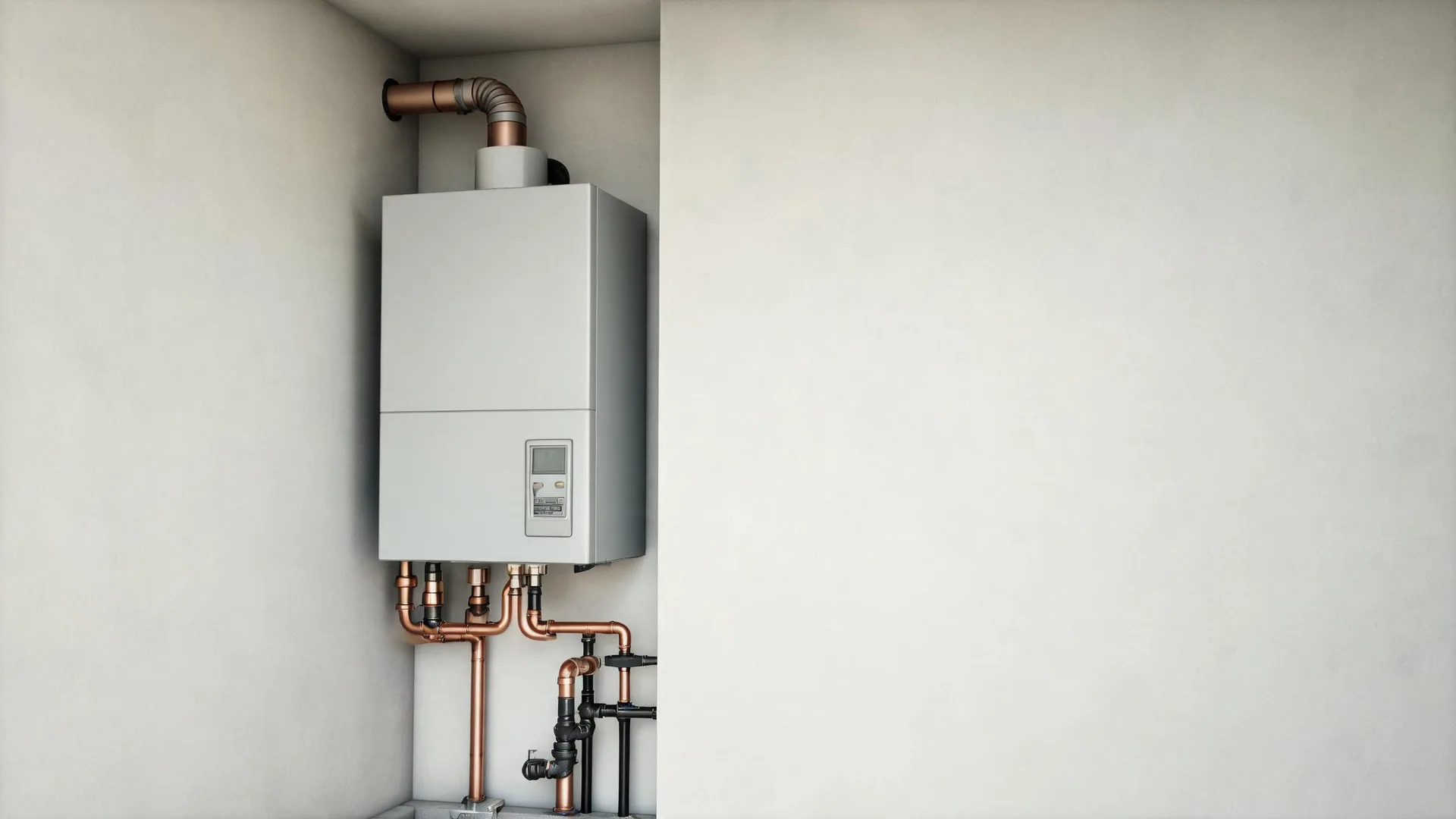
Bigger isn't safer

An oversized boiler short cycles, turning on and off more than it should instead of running a long, steady burn. That wears out the igniter and the circulator pump faster and leaves rooms uneven, some too hot, some still cold. Undersized does the opposite, running constantly and never quite catching up on the coldest days. The right size runs longer, steadier cycles and wears less doing it.

The efficiency rating on a boiler tells you how much of the fuel it burns turns into heat for the house, and how much goes straight out the flue. A boiler rated higher keeps more of that heat where you want it instead of losing it to exhaust. That rating assumes the unit is installed and vented the way it's meant to be, with the right piping and controls set up to match. An oversized or undersized boiler can run at its full rated efficiency and still waste fuel, because the rating measures the machine, not how well it fits the house. The number on the label is a starting point for comparing boilers against each other, not a promise about what your bill will look like.

Heat runs eight months here, October through May. That's most of the year this boiler will be on, not a few cold snaps. Ulster County saw 33 winter storms between 2015 and 2024, the kind that knock out power and push a heating system harder right when it can least afford a weak part. A boiler built for a mild climate and asked to do this much work will show its weak points sooner than it would somewhere easier. That's not a reason to buy the cheapest unit or the most expensive one. It's a reason to size it for what this county actually asks of it, and to have it installed by someone who knows what that means here.