Half these homes were built in 1953 or earlier
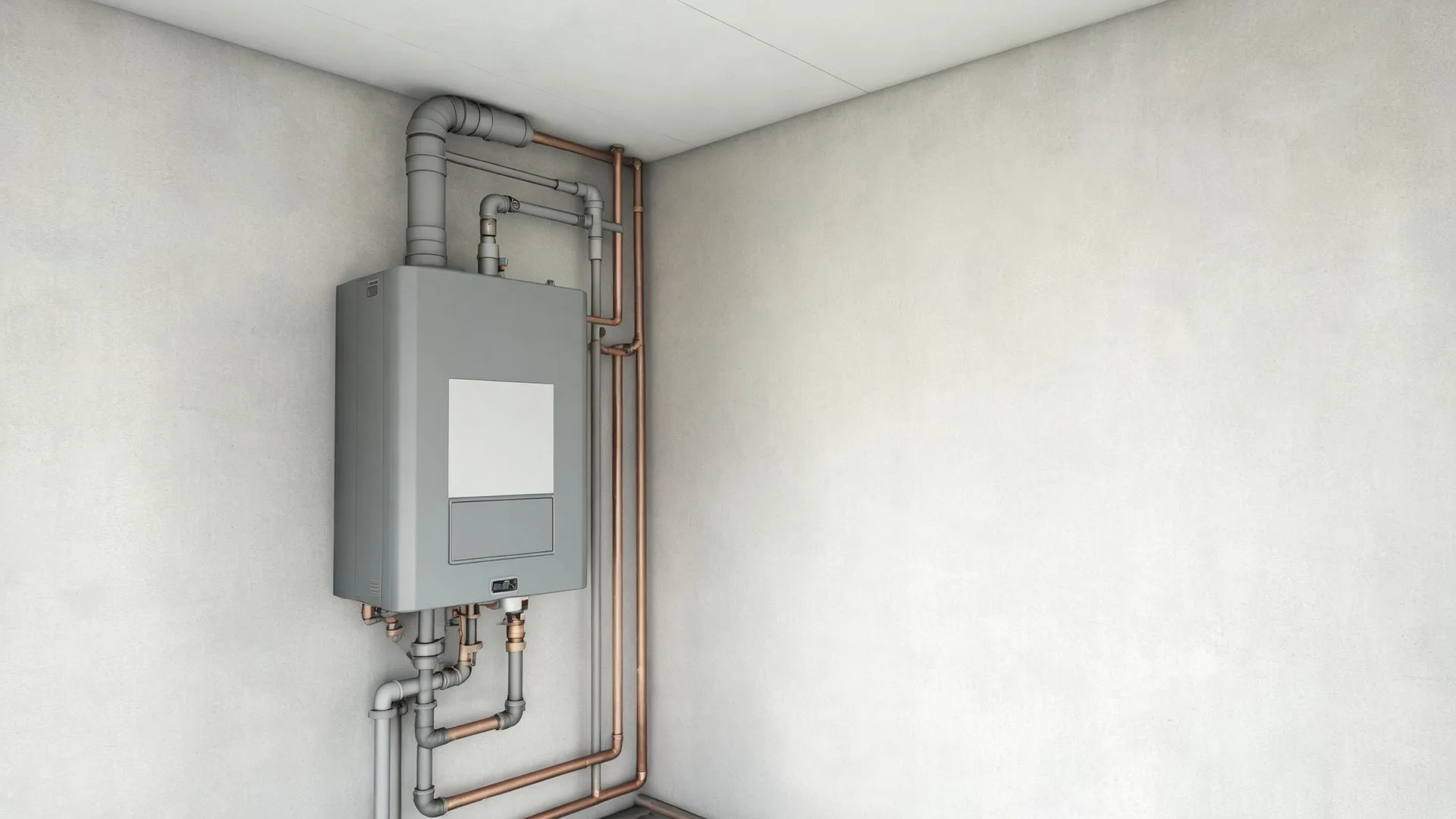
Jamestown sits in Chautauqua County, where half the homes went up in 1953 or earlier. A boiler going into a house that old has to match the radiators and pipework already there, not a generic setup.
Takes about a minute. No obligation.
Jamestown sits in Chautauqua County, where half the homes went up in 1953 or earlier. A boiler going into a house that old has to match the radiators and pipework already there, not a generic setup.
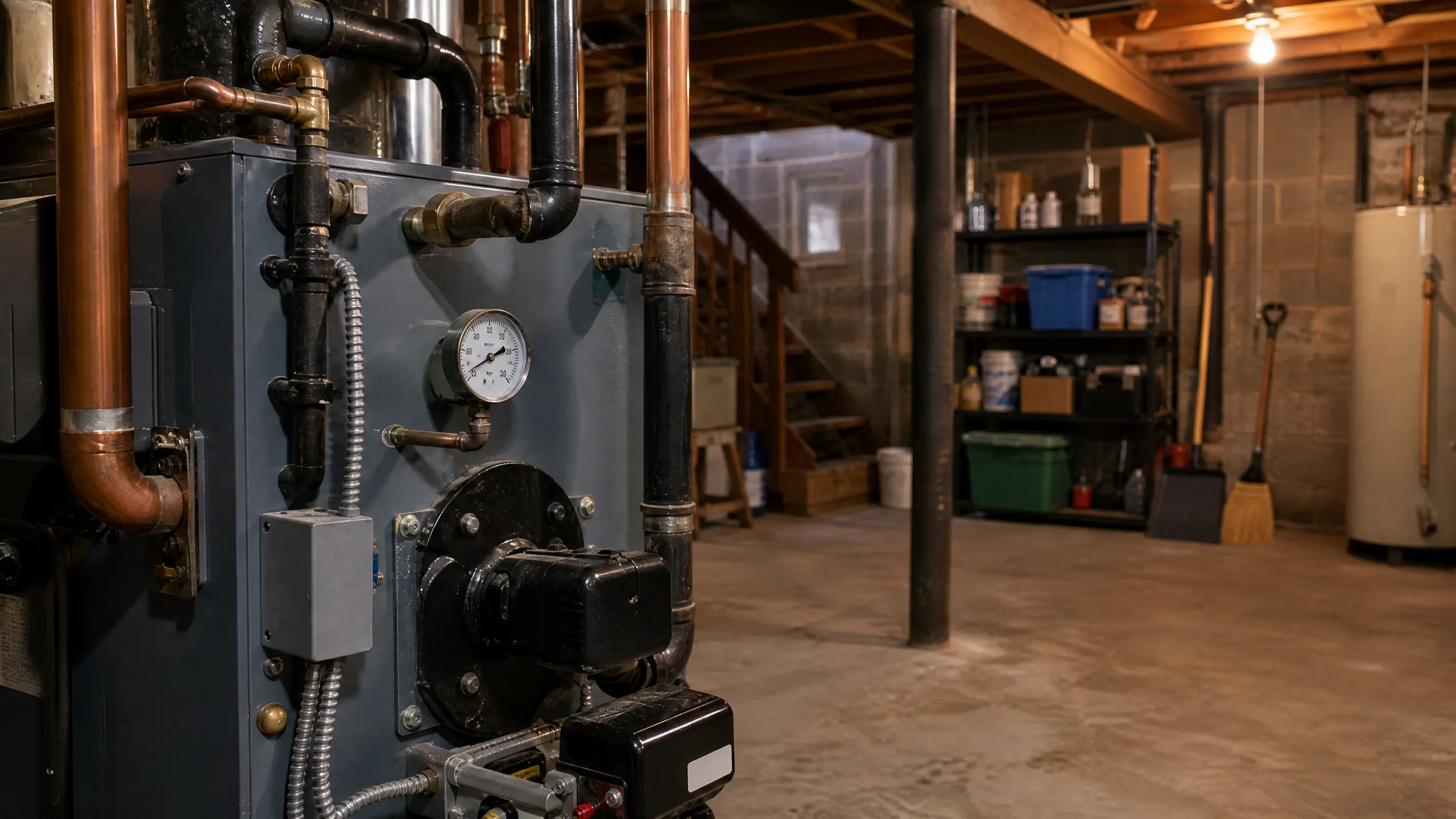
Whatever is coming out was likely matched to the place as it was built or last renovated. A new boiler needs its own sizing done for this house now, not a swap based on what the last one was rated for.
Boilers in Jamestown run from October through May, about eight months of the year.
A system that works eight months a year needs the right size from the start, not a guess carried over from the old one.



September is the month to get this done. Heat comes on in October here and runs through May, so a boiler that fails mid winter gets replaced in a hurry, with whoever has a truck free that week. Doing it in September means the contractor has time to size the new unit properly for the house and the radiators already in it, and you have time to compare bids instead of taking the first one. The old boiler doesn't need to be dead to justify this. If it's already on its way out, September is the last easy window before eight straight months of relying on it every day.
Most homes in the county heat with utility gas, and the pipework already here is built around it. Replacing a gas boiler with another gas boiler means working with what the house already has instead of adding something new to it.
Find a contractor
A boiler quote should come with a heat loss calculation for the house, room by room, not a number pulled off the old unit's rating plate. Contractors looking at the same house can land on different sizes depending on how carefully they measure. Ask to see the calculation, not just the result.
Older boilers often vented through a chimney. Newer ones often vent through a wall with a power vent or direct vent instead, which changes where the pipe runs and what has to be cut into the house. If the venting method is changing, ask what that involves before the work starts, not after.
The old boiler doesn't leave with the truck on day one. Disconnecting it means breaking the gas line, the vent connection and the piping to the radiators or baseboards, and all of that has to be capped or rerouted before the new unit goes in. If it's cast iron, expect it to be cut apart to get it out the door. That's normal and it's part of why this isn't a same-day job once the old system is this tied into the house. Ask the contractor what happens to the old unit and whether removal and disposal are included in the bid, because some quotes leave that out and charge for it separately.
Install day starts with the system off and the water drained down before anything gets disconnected. Once the old boiler is out and capped, the new one gets set, leveled, and connected to the gas line, the vent, and the piping that feeds the radiators or baseboards. Every joint gets pressure tested before it's covered up or buttoned in, because a leak found now is a quick fix and a leak found later means opening the wall again. The controls and thermostat wiring get hooked up next, then the system gets filled and purged of air, since trapped air in the lines shows up later as a knocking sound or a radiator that never gets warm. Before anyone leaves, the boiler gets fired and run through a full cycle, checking that it reaches temperature, shuts off correctly, and vents the way it's supposed to. Expect the contractor to walk the house with you afterward and point out the shutoff valve and what the normal operating pressure should read, so you know what to check if something seems off this winter.