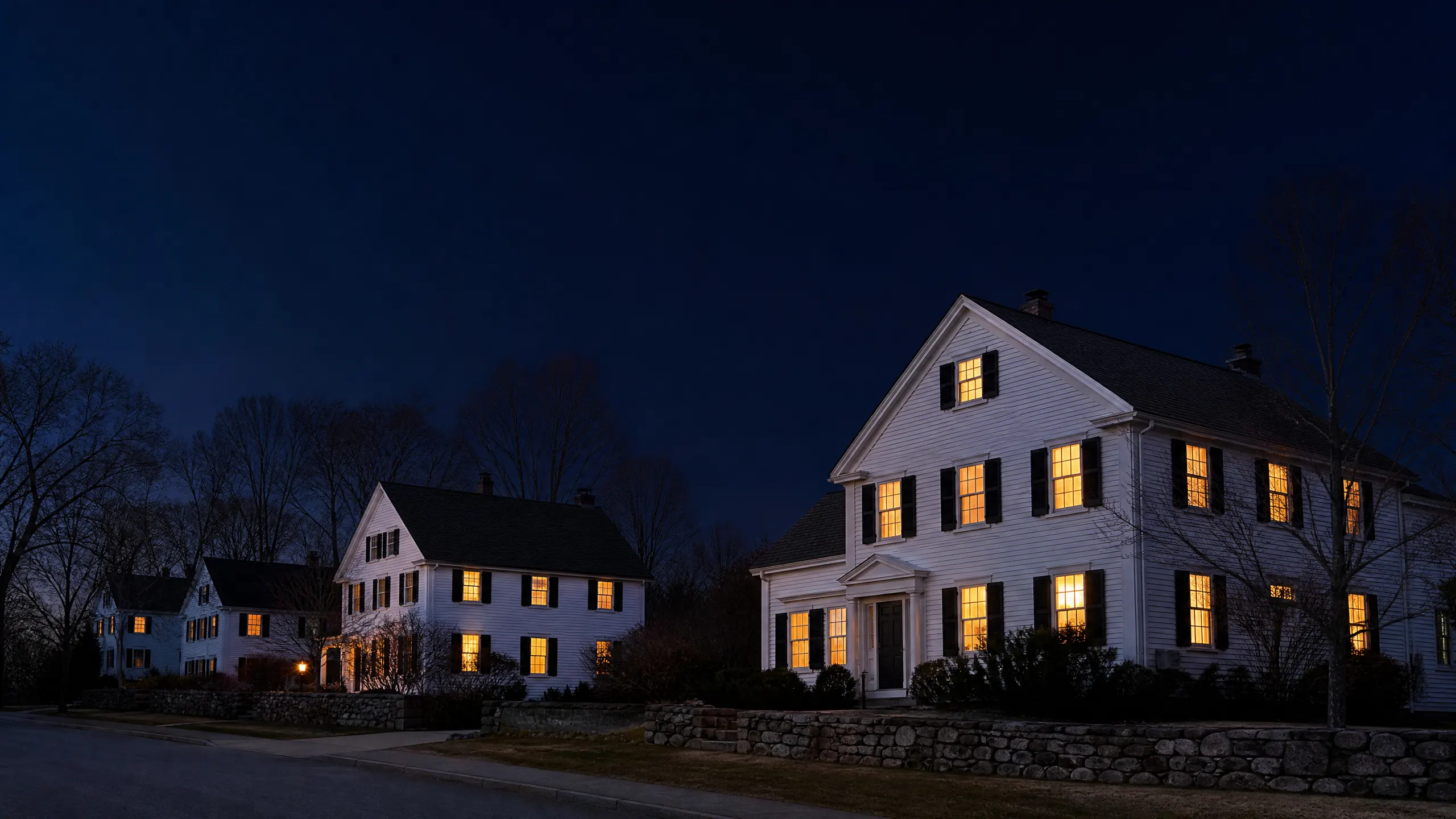




Two white multi-story colonial houses with lit windows and black shutters photographed at night, fronted by a stone wall.

Boiler Installation in Niagara Falls, NY

Tell us about the job

Takes about a minute. No obligation.

New system or replacementBoilerNiagara County, NY
Step 1 of 2

What ZIP code is the job in?

Natural gas in New York runs $16.03 per million Btu, well above what homeowners in cheaper gas states pay. A boiler that wastes heat up the flue burns through that expensive gas all winter long. This is where the efficiency rating on a new boiler actually matters to your wallet. A high-efficiency condensing boiler pulls more heat out of the same unit of gas than an older standard boiler does, so less of what you pay for goes out the vent. If your current boiler came with the house and you don't know its age, that's worth finding out before you decide what to install next.

Gas heats 76.2% of homes in Niagara County.

Replace a gas boiler with a gas boiler and the gas line, meter and venting are already sized for the job.

Eight months of heat a year, down to 21 below freezing

Heat runs October through May
Winter nights average 21°F
Climate zone 5A
Get it done before OctoberHeat starts in October here and runs through May. September is the month to have it installed, not the month to be without it.

When you're pricing out boilers, ask for the AFUE rating and compare it against what's on the unit you have now. A higher rating means less of that $16.03 per million Btu going out the flue instead of into your house. A contractor sizing the new boiler should size it to this house, not just match the output of what's already there. A boiler too big for the place cycles on and off more than it needs to, and that burns gas without adding comfort.

Size the new boiler to the house you have

Half the homes in Niagara County were built in 1958 or earlier. A boiler going into a house that age needs sizing to match that house, its radiators or baseboards, not just swapped in to match the output of the old unit. Get a load calculation done on the house itself before you settle on a size.

Find a contractor

Ask what venting the new boiler needs

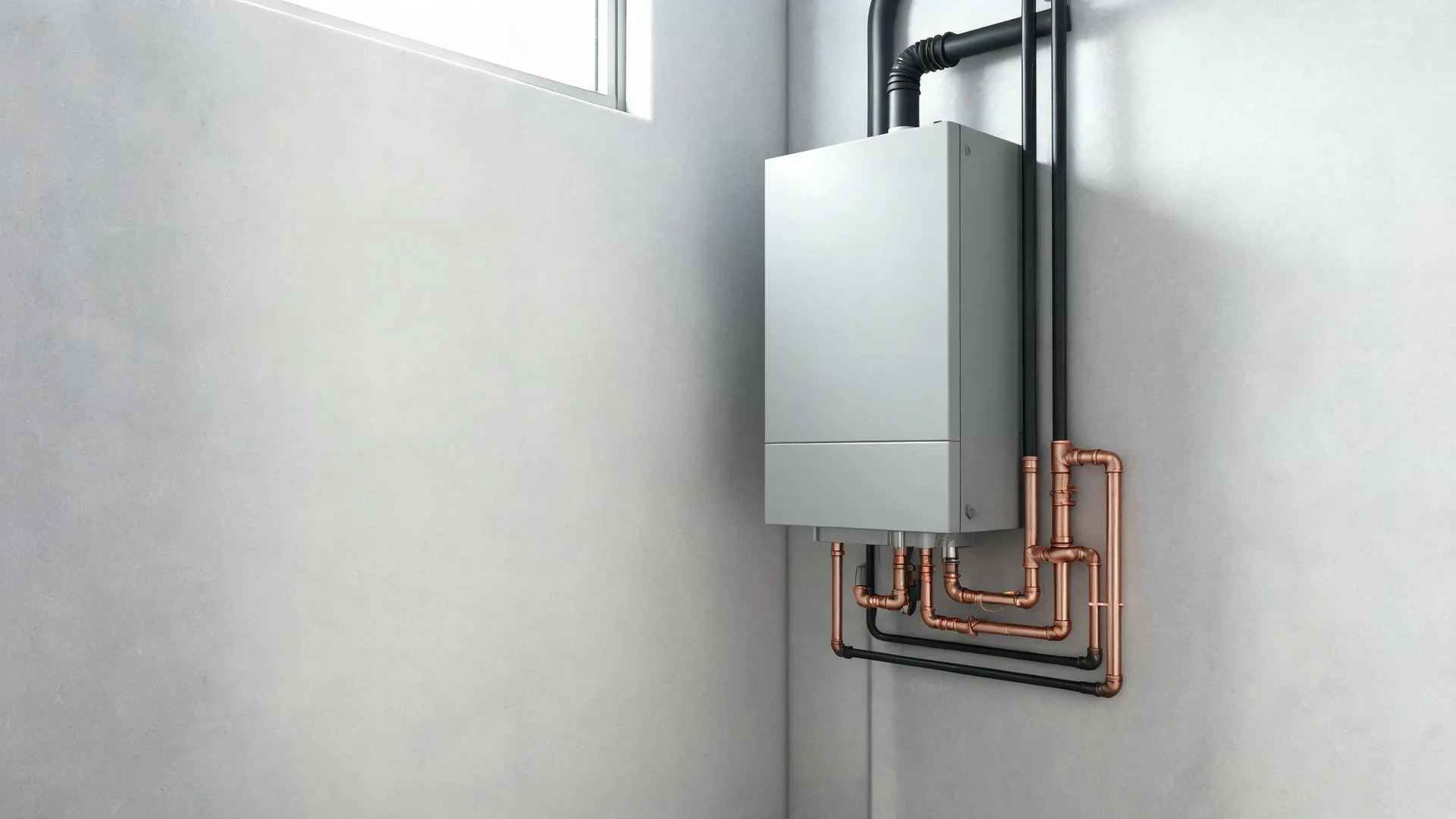
A condensing boiler runs cooler exhaust than a standard one and often vents through PVC pipe instead of a metal flue. Ask whether that venting is included in the quote, along with a new expansion tank, circulator or near-boiler piping. A bid that looks lower sometimes just leaves those parts out.
Ask how the boiler will be controlled

A boiler that modulates its output needs a thermostat built for that, not a simple on-off setup left over from the old unit. Ask whether the system will use outdoor reset, which adjusts water temperature to match the weather instead of running full blast on a mild day. That changes how the house feels and how often the boiler short-cycles.

Once the new boiler is in, the old one still has to come out. A boiler doesn't get left in place as a backup the way some other equipment might. It's drained, disconnected from the gas line, the water piping and the flue, and hauled out, usually in pieces if it came in whole. The flue it used gets capped or removed so nothing vents into a space that no longer has an appliance using it. If the old boiler ran on a chimney shared with a water heater, that chimney may need relining once the boiler's draft is gone, since the chimney was sized for both appliances pulling air through it. Ask the contractor what happens to that chimney before the old unit comes out, not after.

Installation day starts with the old boiler still running, so the contractor can confirm the near-boiler piping and venting before anything gets cut loose. Expect the water drained down, the gas line shut and disconnected, and the old unit cut free from the flue before it comes out. The new boiler gets set, leveled and connected to the existing piping wherever that piping is being reused, with new sections run where it isn't. Gas gets connected and pressure tested before the burner ever fires, and the flue or venting gets run and sealed to the boiler's own spec rather than reusing whatever the old one happened to use. Once it's all tied in, the system gets filled, purged of air, and fired so the contractor can check the flame, the draft and the water temperature while it runs. A boiler installed in the morning can reasonably be heating the house by that same evening, though a trickier venting or piping job can push it later.