



A single-story red brick house with a dark shingled roof and black shutters, set behind a lawn and a long dry-stone retaining wall, framed by large leafy trees under an overcast sky.

Boiler Repair in Brewster, NY

Tell us about the job

Takes about a minute. No obligation.

RepairBoilerPutnam County, NY
Step 1 of 2

What ZIP code is the job in?

Boilers in Brewster run about eight months a year, October through May. Overnight lows average 21°F in January. That is a long, steady stretch of work, but it is not unusual wear for a boiler. Most problems here come down to the same few things. A failed igniter. A pressure issue. Air trapped in the lines. A thermostat that has stopped talking to the unit. The cold snaps and winter storms this area sees do not create new problems. They expose ones that were already building. A boiler that has been losing pressure slowly or short cycling for weeks will often pick the coldest night to quit.

Boilers in Putnam County start the season in October.

A boiler that limped through last spring will usually show it in the first cold week.

Oil here runs $23.11 per million Btu, and a boiler that's short cycling or losing pressure burns through it every month it runs.

Climate zone 5A
Heat runs October through May
Winter nights average 21°F

A boiler that's losing pressure or short cycling doesn't fix itself by running. Low pressure means water is escaping somewhere, and every cycle without enough water in the system puts more strain on the heat exchanger. Run it long enough that way and a part that needed a seal or a valve replaced can end up cracked instead. Short cycling does similar damage to the ignition system, since every failed start cycles the igniter or the electrodes through heat and cooldown they weren't built to take that often. A dirty burner left alone will keep burning unevenly until it fouls the heat exchanger with soot, which is a bigger job than cleaning the burner would have been. The boiler doesn't know it's struggling. It just keeps trying to do what the thermostat asks, and that's what turns a small part into a bigger repair.

A boiler burning oil at $23.11 per million Btu shouldn't be running inefficiently

Short cycling or a pressure problem doesn't fix itself, and every week it runs that way adds to what you're paying at that price per million Btu. A tech can find the actual cause and tell you whether it's worth repairing.

Find a contractor

Noise before failure

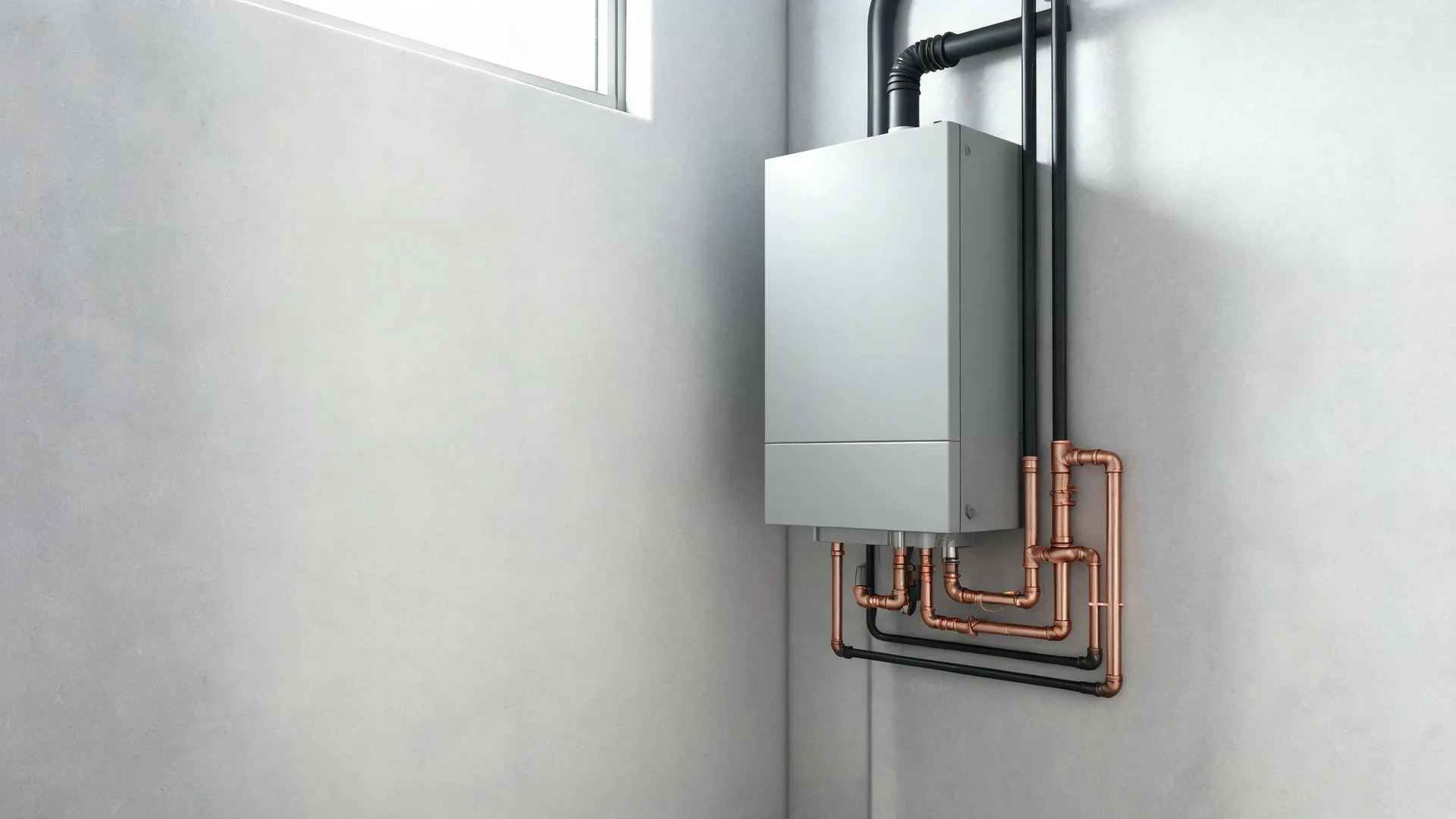
A boiler that bangs, kettles or gurgles is telling you something before it quits. Banging or knocking usually means scale built up on the heat exchanger. A low hum or whine from the circulator can mean the bearings are wearing out. These sounds get worse slowly, then the boiler stops firing altogether.
What it means for the job

Catching the noise early turns into a smaller repair. A circulator pump or a zone valve is straightforward to replace on its own. Wait until the boiler won't start at all, and the tech has to work backward through every part in the system to find out what finally gave out.

Before you call, check the pressure gauge on the front of the boiler. If the needle sits low, the system has lost water somewhere and that alone can keep it from firing. Check that the thermostat is calling for heat and has power, batteries if it takes them. Look at the boiler for a blinking light or a code on the display, most have one, and it will point to what tripped. If there's a condensate line or a float switch, make sure it isn't blocked or full, since either can shut the boiler down on its own. None of this fixes a cracked heat exchanger or a failed igniter, but it rules out the simple stuff before anyone drives out to look at it.

A diagnostic visit starts with questions. What the boiler is doing, when it started, whether it's one zone or the whole system. Then the tech checks pressure, looks for a blinking code on the display, and opens the panel to look at the burner and the flame. If it fires, they'll watch how it fires, a weak or uneven flame points to a dirty burner or a failing igniter. If it doesn't fire at all, they're checking the thermostat signal, the transformer, the safety switches in order, since any one of them can stop the whole sequence. They'll check the circulator pump is moving water and listen for the sounds you described on the phone. Most of this doesn't require taking the boiler apart. It requires knowing which part fails in which way, and ruling things out in the right order until only one explanation is left.