




A row of two-story wood-sided houses with porches and gabled roofs behind a white picket fence, with a mowed lawn in front and large tree branches overhanging from the left.

Boiler Repair in Olean, NY

Tell us about the job

Takes about a minute. No obligation.

RepairBoilerCattaraugus County, NY
Step 1 of 2

What ZIP code is the job in?

Half the homes in Cattaraugus County were built in 1960 or earlier. If your boiler came with a house that age, it's not the original unit, but it may still be older than you'd guess, especially if nobody's replaced it since it was new. A boiler that's put in thirty or forty winters here has earned a closer look before you sink money into fixing it again. Ask whoever comes out to look at the age of the unit, not just the house, before you decide on a repair. A straight answer on how much life is left in it is worth more than a quick fix right now.

Boilers here run from September through May.

Nine months of work a year wears parts down faster, and that's often what brought this one to your attention.

Nine months of winter don't leave this machine much time to rest

Heat runs September through May
Climate zone 5A
Winter nights average 17°F
Storms here hit hard, and this boiler is outdoors in all of itCattaraugus County saw 219 damaging wind events and 22 winter storms between 2015 and 2024

Gas in New York runs $16.03 per million Btu, and that was the statewide average for 2024. A boiler that's short-cycling, losing pressure, or firing longer than it should is burning more of that gas to make the same heat. You won't see it as one big charge. You'll see it as a bill that creeps up a little more each month the problem goes unfixed. A repair that just patches the symptom still leaves that cost sitting there. If the unit's old enough that it's losing efficiency on top of whatever's broken, that's two reasons the bill is high, not one.

Get the age of the unit before you pay for the repair

A technician can tell you how many winters this boiler has on it and what that means for fixing it versus replacing it. That answer is worth having before any money goes into the repair.

Find a contractor

No heat, or heat that won't stop

A boiler that won't fire at all usually points to the ignition system, a failed thermocouple, or a pressure switch stuck in the wrong position. One that keeps firing and won't shut off is often a stuck valve or a thermostat that's lost its connection to the system. Either way, the boiler isn't reading the situation right, and it needs someone to find out why before the parts around it get stressed.
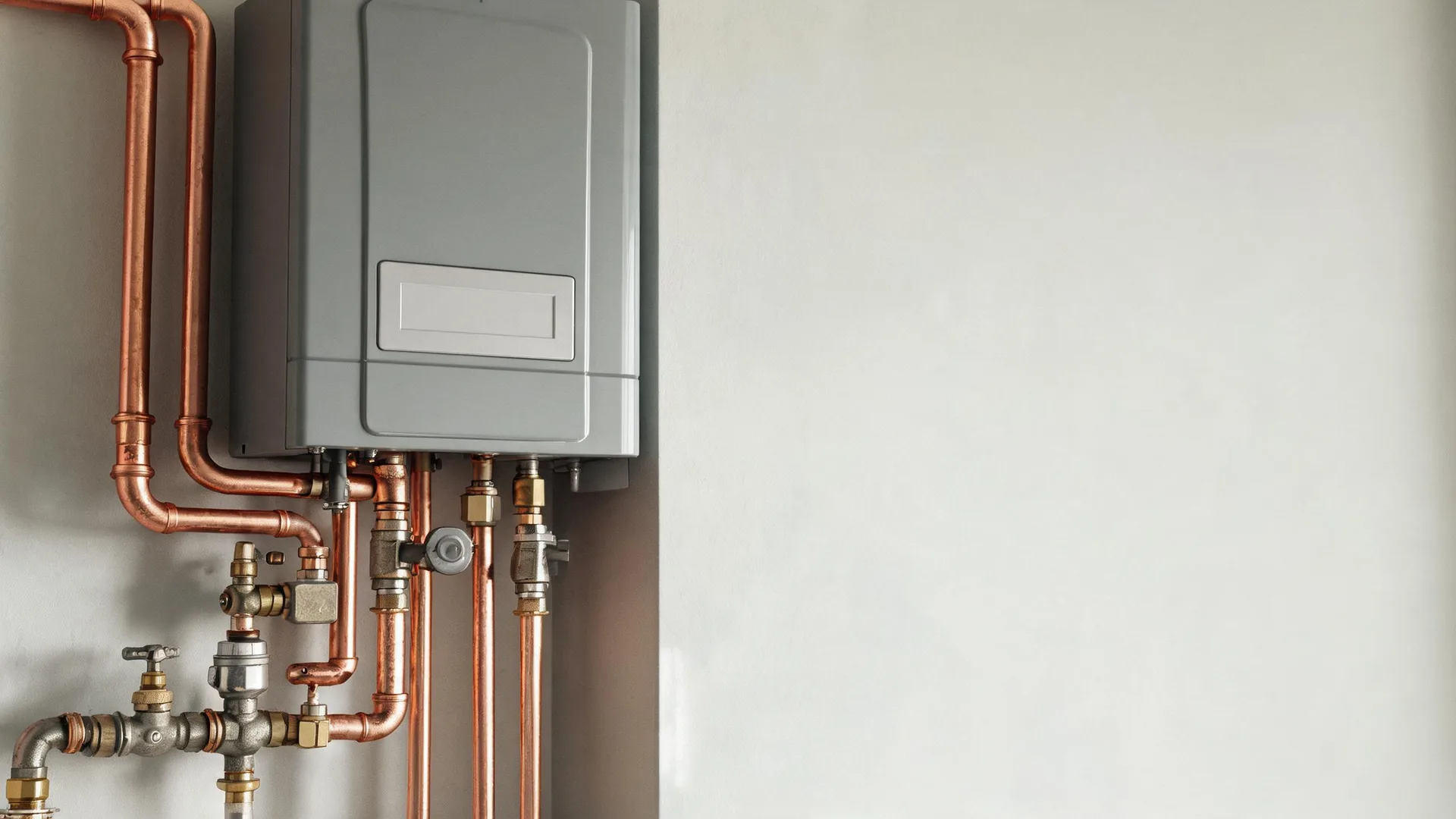
Noise and leaks are not cosmetic

Banging or kettling in the heat exchanger means mineral buildup is making the water boil in a confined space before it can circulate. Water pooling at the base of the unit points to a failed seal, a cracked header, or a valve that's given out. Both of these get worse while you wait, and both are easier to deal with the sooner they're caught.

Most boiler failures start small and get ignored because the heat still comes on. A pilot or igniter that's struggling takes a few extra tries before it catches, and that extra strain shortens its life. Low water pressure sneaks up the same way, a few pounds lost here and there until the system can't circulate right and the boiler shuts itself down to protect the heat exchanger. Pumps wear out from running constantly, and when one seizes or slows down, heat stops moving even though the burner's still firing fine. Sediment is another quiet one. It settles at the bottom of the tank or in the heat exchanger and insulates the metal from the water, so the burner works harder to get the same heat through. None of these show up as a single dramatic breakdown. They show up as a boiler that's a little less reliable each season until one day it isn't reliable at all.

Nine months of heating a year doesn't just wear the parts, it cuts down the window to deal with them. September through May, this boiler can't go down for long before the house feels it. Spring and summer are the slow months for boiler work here, and that's the time to get a repair done right instead of rushed. Fixing it now, in the middle of the season it's needed most, often means living with whatever gets patched together until the weather breaks. A technician can still tell you what's wrong and get the heat back on, but ask what the fix is actually buying you. If it's a short-term patch on a unit that's already old, you're better off knowing that now than finding out partway through next winter.