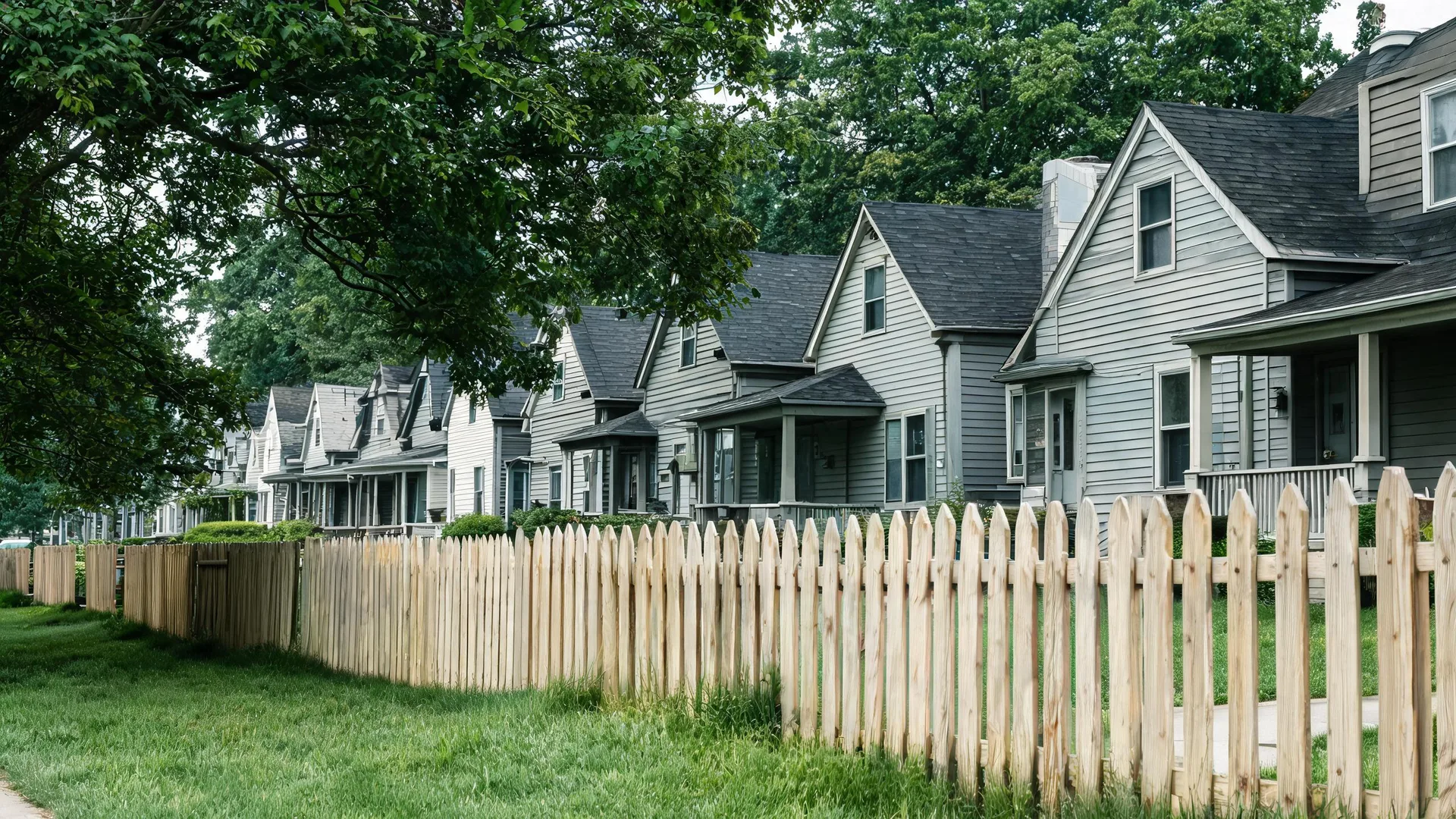




A row of similar gray-sided houses with gabled roofs and front porches behind a new wooden picket fence, with grass and mature trees along the street.

Boiler Repair in Utica, NY

Tell us about the job

Takes about a minute. No obligation.

RepairBoilerOneida County, NY
Step 1 of 2

What ZIP code is the job in?

A boiler around Utica runs from September through May. That's nine months of the year the burner is firing, the circulator is pushing water, and the whole system is cycling on and off to keep up. Oneida County has seen 57 winter storms between 2015 and 2024, heavy snow and ice that push heating demand even higher right when the system can least afford a problem. That kind of use adds up on the parts that do the work every cycle: the igniter, the circulator pump, the pressure relief valve. When one of those starts failing, it's usually because the boiler has been working this hard for years, not because something went wrong out of nowhere.

Half the homes in Oneida County were built in 1958 or earlier.

A boiler that came with a house that old is on borrowed time, and a big repair bill is a good reason to ask how much life it has left.

This county gets hit hard, and a boiler depends on power to run

284 severe weather events from 2015 to 2024
11% of homes statewide lost power a day or more in 2024
195 damaging wind events from 2015 to 2024

September is when most boilers here start their first real cycle of the year after sitting idle since spring. A part that was already marginal, a sticking valve, a circulator bearing worn thin, often makes it through the easy months and fails once the system has to run for hours instead of minutes. That first cold stretch is also when a weak boiler gets asked to catch up fast, especially once the overnight lows settle into the teens through December, January and February. Getting a boiler looked at in August, while it's still working, catches that kind of wear before it turns into a no-heat call once the season starts.

Have the real cause found, not just the symptom

A boiler that runs nine months a year through storm after storm wears on a schedule most machines never see. When a part finally gives out, it's rarely the first sign of trouble, just the one you noticed. Getting it diagnosed now means whoever fixes it is solving the actual problem, not just the symptom that showed up first.

Find a contractor
A man in a dark long-sleeve shirt and tan work pants carries a waxed canvas tool bag up concrete steps toward a blue front door of a gray-sided house, with potted shrubs nearby.

A leak doesn't stay a leak

Water finding its way out of a fitting or valve usually means the seal or gasket there has already failed. Left alone, that water reaches the burner compartment, the gas valve, or the controls, and corrodes parts that were never meant to get wet. A repair that starts as a valve replacement can turn into a control board replacement if it sits too long.
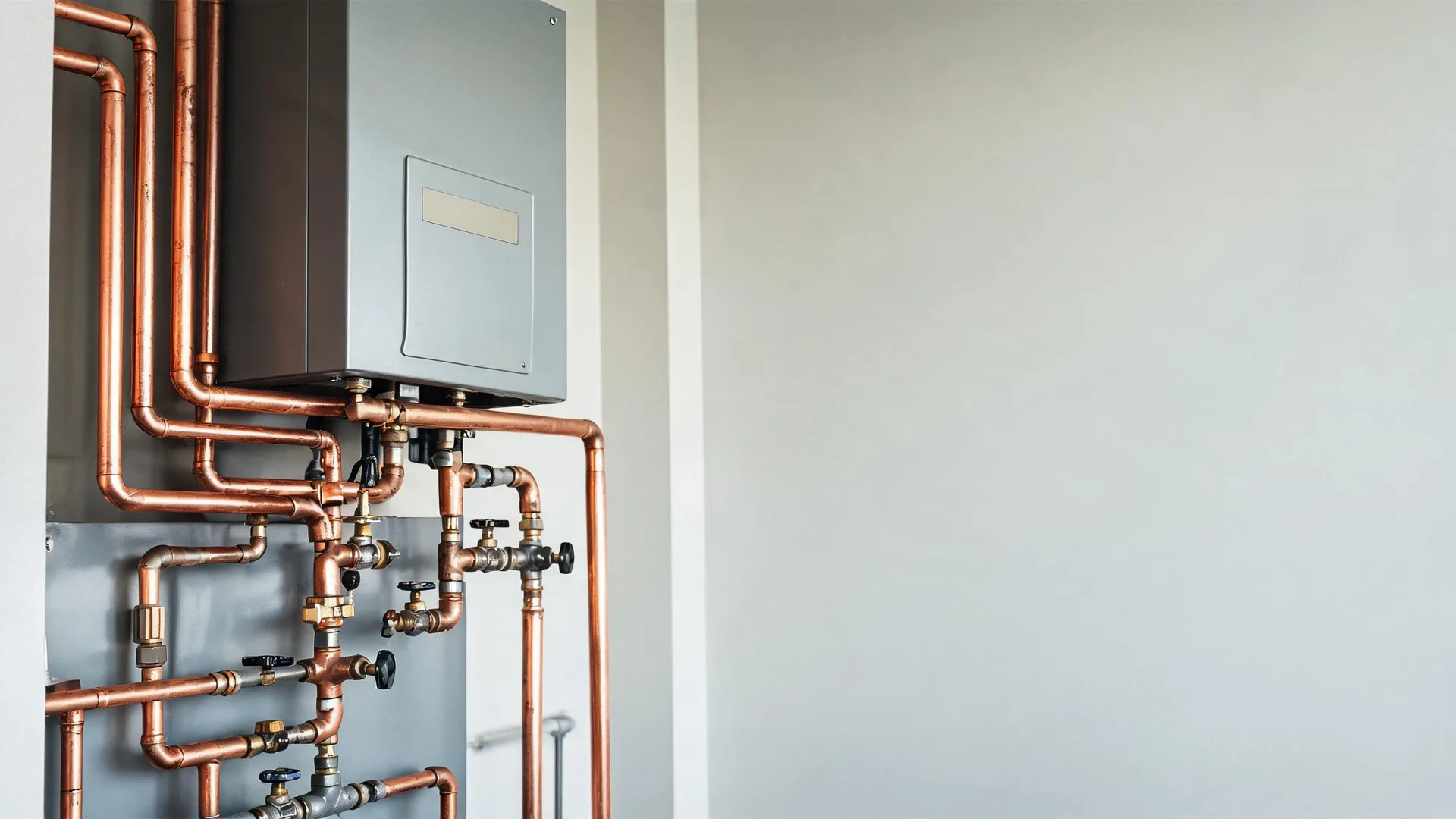
A boiler that short cycles wears out faster

When a boiler fires up, runs briefly, and shuts off before the space actually warms, something is telling it to stop too soon: a flame sensor reading wrong, a thermostat miscalibrated, water flow restricted through a clogged line. Every one of those extra cycles stresses the igniter and heat exchanger a little more. A boiler running correctly might fire a handful of times a day. One short cycling can fire dozens, and each start is where the wear happens.

Before calling anyone, look at the boiler itself. A pressure gauge reading well below where it should sit, or a sight glass showing no water, points to a fill problem you may be able to correct with the feed valve if you know where it is. Check that the gauge needle isn't sitting in the red. Look at the area around the base and the pipe fittings for water, even a small amount, since that tells you a seal is already failing. If the boiler won't fire at all, check that the switch on the unit and the one that looks like a light switch at the top of the basement stairs are both on, and that the gas valve is open. A thermostat with dead batteries or a tripped breaker explains more no-heat calls than people expect. None of this means opening the boiler up or touching the gas line or the electrical connections. If the checks come back fine and the boiler still won't run, that's the point to stop and call someone.

Gas here runs $16.03 per million Btu, among the higher prices homes pay for it in the country. A boiler that's short cycling or running longer than it should is burning through that gas without heating the house any better for it. That cost shows up on every bill while the underlying problem, a bad flame sensor, a clogged line, a failing seal, just sits there getting worse. Fixing it stops the waste at the source instead of paying for it month after month.