




A row of illuminated white colonial houses photographed at twilight along a tree-lined road with a stone wall in the foreground.

Boiler Repair in Buffalo, NY

Tell us about the job

Takes about a minute. No obligation.

RepairBoilerErie County, NY
Step 1 of 2

What ZIP code is the job in?

Half the homes in Erie County were built in 1957 or earlier. If yours is one of them, the boiler may not be the original, but it's worth finding out how old the one you have actually is. A boiler nearing the end of its life tends to show it through short cycling, uneven heat, or a repair bill that keeps coming back. Fixing the same unit twice in one winter costs more than the repair itself. Before you pay for another visit, it's worth asking the contractor straight out how many years they think it has left.

Your boiler runs eight months a year here, October through May.

That's more than most of the country asks of a boiler, and it's usually why something gives out.

Eight months of work a year wears a boiler down fast

Heat runs October through May
Climate zone 5A
Winter nights average 19°F
When storms knock out the power, your boiler needs it to come back onErie County saw 329 severe weather events from 2015 to 2024, and 11% of New York households lost power for a day or more last year.

Natural gas in New York ran $16.03 per million Btu last year, among the highest rates in the country. A boiler that's short cycling or struggling to hold temperature burns more gas to do the same job, and you pay that difference every month it goes unfixed. This isn't a machine you can let slide until spring. Get the repair done now, while the cost of waiting is still small.

Get the boiler checked before winter asks more of it

Eight months of heat a year is a long season to run on a part that's starting to fail. Get a contractor out to look at it before the cold pushes it harder.

Find a contractor

What actually wears out first

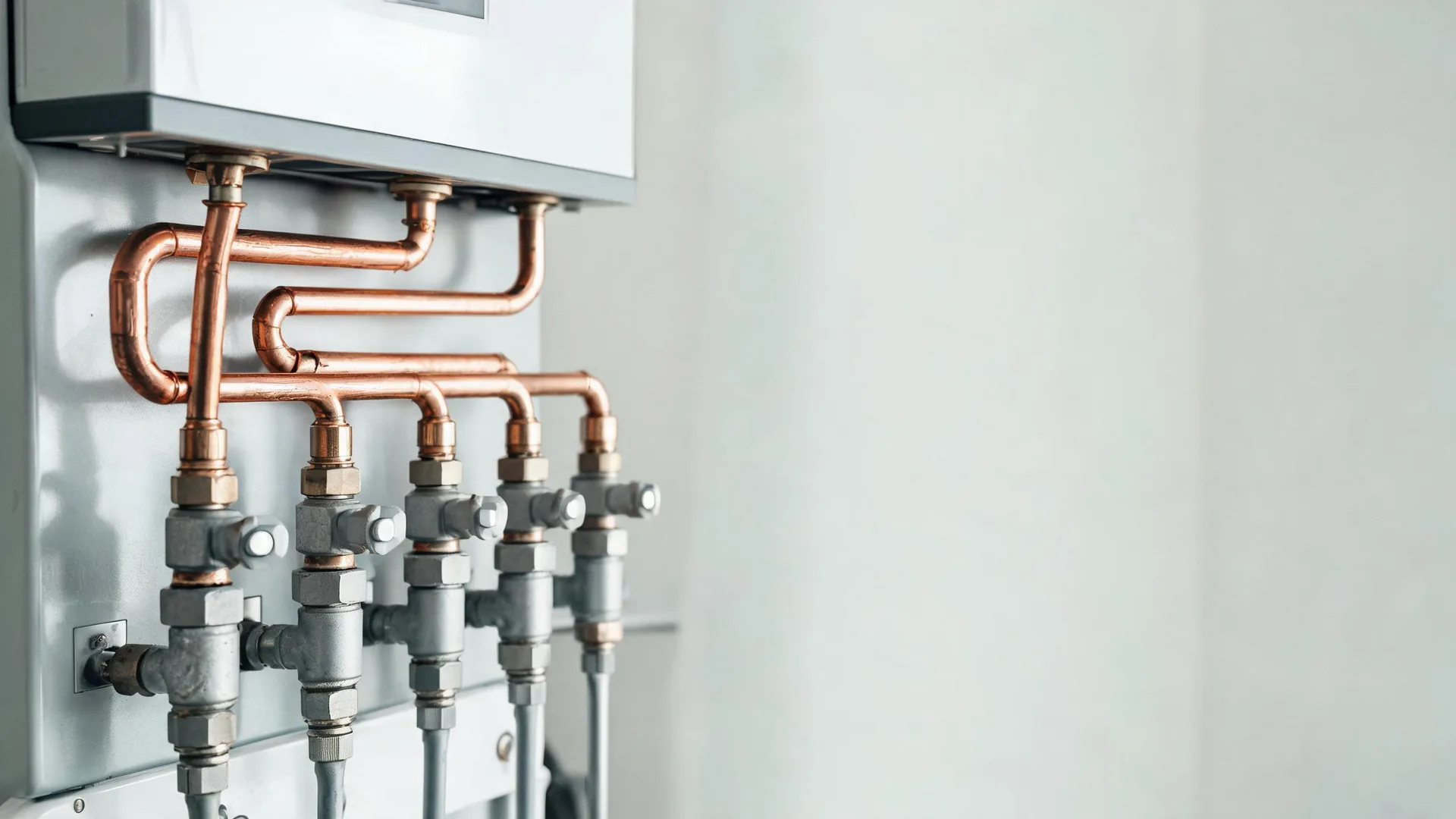
A boiler fails piece by piece, not all at once. The igniter or pilot assembly goes bad and the burner won't light. A circulator pump seizes up and heat stops moving through the radiators even though the boiler itself is running fine. Mineral scale builds up inside the heat exchanger and the burner has to work harder to push heat through it, which is often where a cracked exchanger starts. Low water pressure, a bad pressure relief valve, or a failed zone valve can each stop heat on their own without the rest of the system showing any sign of trouble.
What that means for a repair call

Two boilers with the same symptom can have completely different problems underneath it. No heat might mean a dead igniter, a clogged pilot, or a circulator that stopped turning. Banging or kettling sounds point to scale buildup, not a failing part. A tech needs to actually open the unit and check the exchanger, the pump, and the controls rather than guess from one symptom, because the fix for a bad igniter and the fix for a cracked exchanger aren't in the same ballpark.

Most boiler problems show up as sound or feel before they show up as no heat at all. Kettling or banging from inside the unit usually means scale has built up around the heat exchanger, and the burner is working harder to push heat through it. Radiators that stay cool while the boiler itself is running point to a circulator pump that has stopped moving water rather than anything wrong with the heat source. A pilot or igniter that keeps going out often means it's dirty, loose, or starting to fail. Water pooling near the base is worth a call on its own, since it can mean the pressure relief valve has let go or a fitting is cracked. None of these mean the same repair, so the symptom is just the starting point.

Gas here costs what it costs. The one thing you control is how long you let a bad burn go on. A boiler that's cycling short or hunting for temperature is burning more gas to hold the same heat, and that difference shows up on every bill until the repair happens. Waiting through a cold snap to see if it gets better just means more months of that higher burn. Get it looked at now and the extra cost stops where the fix starts.