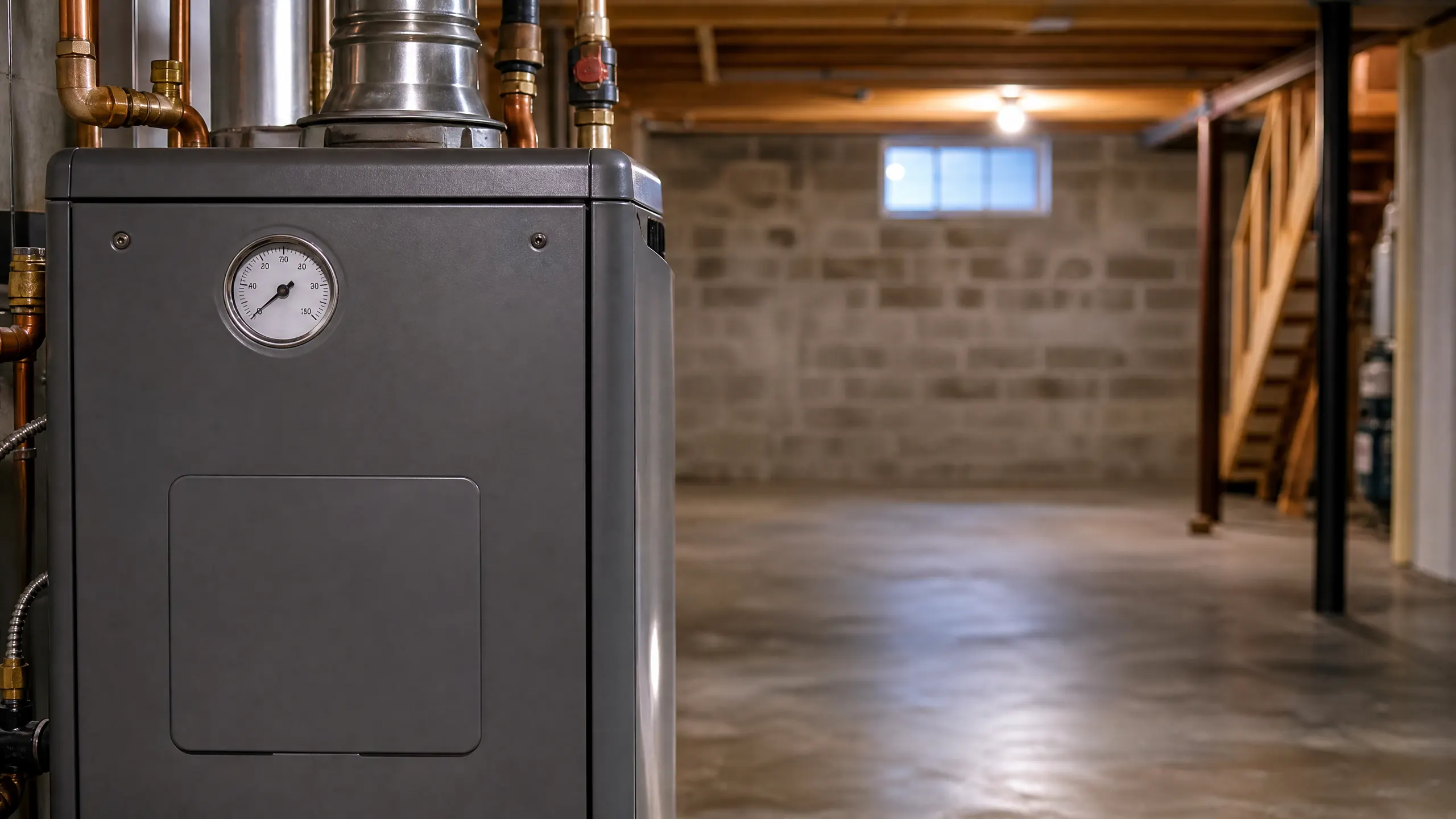



A gray residential boiler with copper pipes and a pressure gauge installed in an unfinished concrete-block basement.

Boiler Repair in Manhattan, NY

Tell us about the job

Takes about a minute. No obligation.

RepairBoilerNew York County, NY
Step 1 of 2

What ZIP code is the job in?

Boilers here run from October through April. A lot of calls come in during those first cold weeks of October, once the system gets switched on after sitting idle since spring. Whatever was already wearing out, a failing igniter, a pilot that won't hold, a pump that's seized up, shows itself as soon as the boiler has to work. If yours is acting up right at the start of the season, that timing is telling you something. September, before the heat goes on, is the easier time to get a problem caught and fixed.

A boiler making noise or short cycling is already telling you something is failing.

Keep running it that way and the part that's struggling now is the part that quits on you later.

Half the boilers in Manhattan are working in houses built in 1951 or earlier

Half the homes here were built by 1951
Heat runs October through April
Winter nights average 28°F

If your boiler came with the house, find out how old it actually is before paying for a repair. A boiler running past its years can still be fixed, but a cracked heat exchanger or a tank rusting through from inside isn't worth the money no matter how the rest of the house looks. Ask whoever comes out to look at it plainly whether the repair is worth doing or whether you're close to needing a new boiler. That answer should decide what you spend on the problem in front of you now.

Get it looked at early

Problems tend to show up in the first weeks of the season, when the load hits a part that was already weak.

Find a contractor

No heat, or heat that won't stop

A boiler that won't fire leaves the radiators cold while the thermostat keeps calling for heat. One that won't shut off keeps pushing heat long after the room is warm. Both point to the same place. The controls that read the water temperature and tell the burner when to start and stop aren't doing their job.
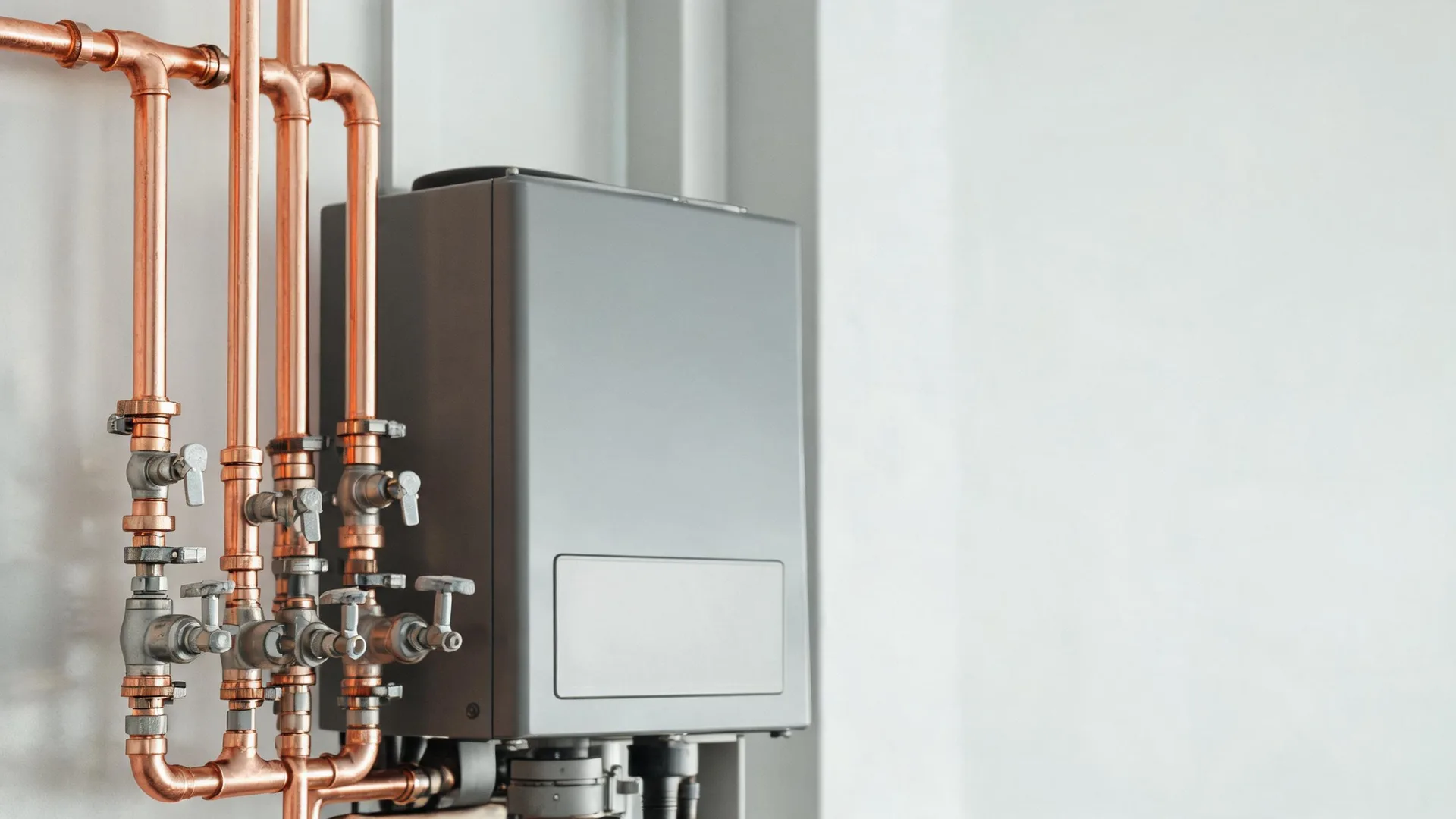
Water where it shouldn't be

Puddling at the base of the boiler, a damp patch on the floor, a pressure relief valve that keeps dripping. All of it means water is escaping somewhere it's sealed to stay. A loose fitting can be tightened. Water seeping from the tank itself is different. That means the tank is failing from the inside, and no repair fixes that.

Before you call, check the thermostat is actually set above room temperature and the batteries aren't dead. Look at the boiler itself for a pressure gauge. Most want to sit in a specific range, usually marked in color on the dial, and a needle that's dropped to zero means the system has lost water and needs repressurizing before it can fire. If there's a pilot light, check it's lit. If the boiler has a reset button, you can press it once, but if it trips again right after, stop there and don't keep resetting it. Check that nothing's blocking the vent pipe outside, since a blocked vent will shut the whole system down on purpose. Anything past this, a burner that won't catch, a pump that hums but doesn't move water, is a job for someone licensed to open the boiler up.

A diagnostic visit starts before any panel comes off. The tech asks what the boiler's doing, when it started, and what you've already tried, then checks the pressure gauge and the thermostat settings himself rather than taking your word for it. From there it's a process of ruling things out. Is the pilot or igniter lighting at all. Is it lighting but not sensing, which makes the system shut the gas back off as a safety measure. Is the burner firing fine but the pump isn't moving water through the radiators. Each of those points to a different part, and testing them in order is what separates a real diagnosis from a guess. Once the tech finds the part that's actually failing, he should be able to tell you what it takes to fix it and whether that repair makes sense given the boiler's age and condition.