

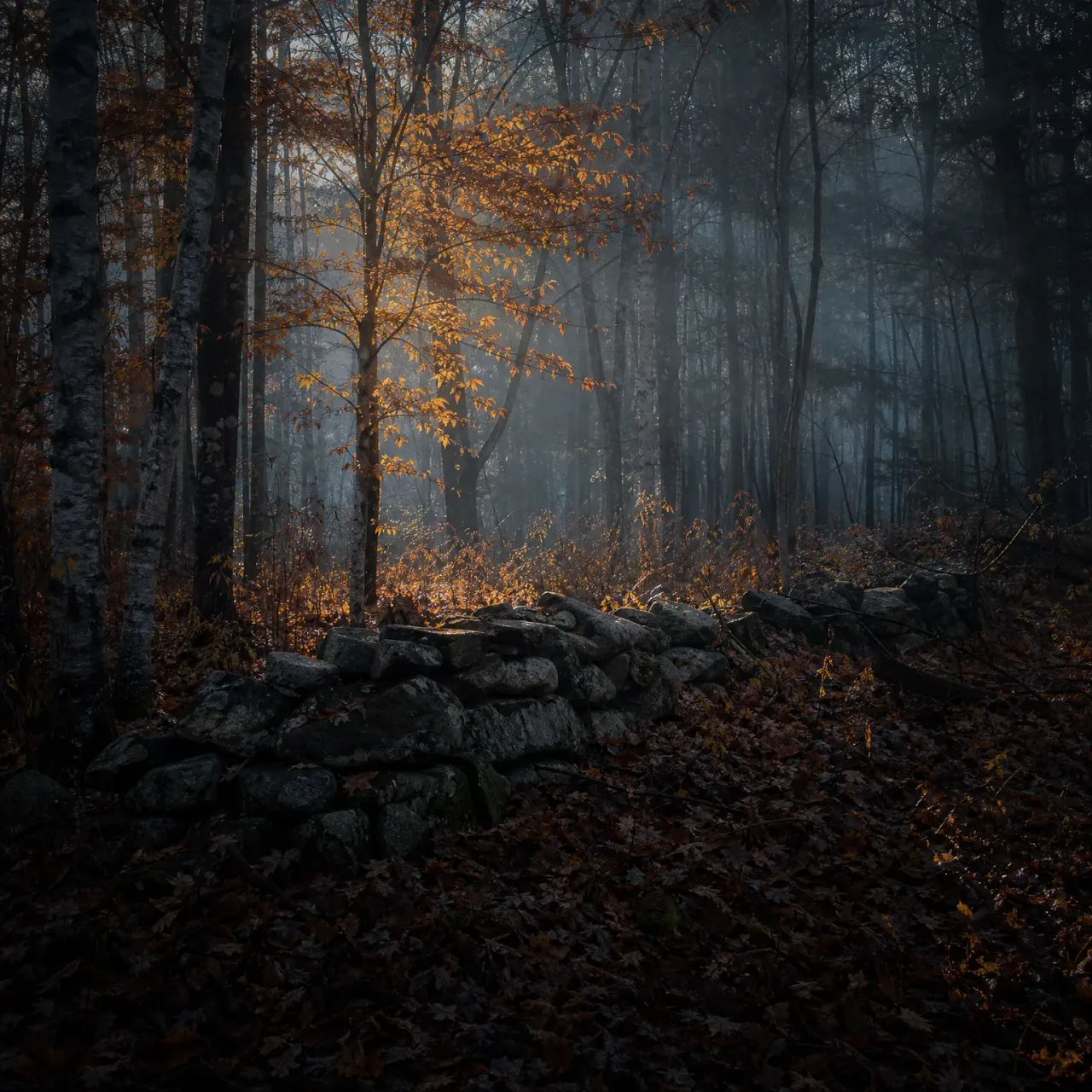


A two-story red brick house with black shutters and a dark roof sits on a mown lawn behind a long dry-stacked stone wall, framed by large deciduous trees under an overcast sky.

Boiler Repair in Glens Falls, NY

Tell us about the job

Takes about a minute. No obligation.

RepairBoilerWarren County, NY
Step 1 of 2

What ZIP code is the job in?

A boiler in Warren County runs from September through May. That's nine months out of twelve with the burner cycling on and off, the circulator pump moving water, the gas valve opening and closing, over and over. Warren County saw 59 winter storms between 2015 and 2024, and every one of those pushed the system to run longer and harder to keep up. That kind of use adds up on a boiler faster than it does in places with a short winter. Seals dry out. Ignition components wear down. A noise or a cold radiator that shows up now is usually the result of all those hours already on the machine, not a fluke.

Half the homes in Warren County were built in 1973 or earlier.

A boiler that old has been through decades of hard winters, so a repair now is worth weighing against what's left in the machine.

Nine months of heat finds the weak spot fast

Heat runs September through May
Climate zone 6A
Winter nights average 12°F
Gas isn't cheap hereNatural gas ran $16.03 per million Btu in New York in 2024, and a boiler that's struggling burns more of it to do the same job.

A boiler sits indoors, so hail and wind don't reach it directly. But Warren County logged 192 damaging wind events and 7 hail events between 2015 and 2024, and that kind of weather knocks out power more than it damages equipment directly. A boiler needs electricity to run the circulator pump and the ignition system. Gas alone won't fire it. Statewide, 11% of households went at least a day without power in 2024. When power drops mid-winter and comes back, a boiler that was already worn can fail to restart cleanly, or come back on with a problem that was there before the outage. If yours shut down during a storm this year, don't assume it's fine just because it's running again.

Get the boiler looked at before it has to work harder

Nine months of runtime a year doesn't leave much room for a small problem to stay small. Have someone look at it now and find out what's actually wrong, before the next cold stretch asks more of it.

Find a contractor

What you can check yourself

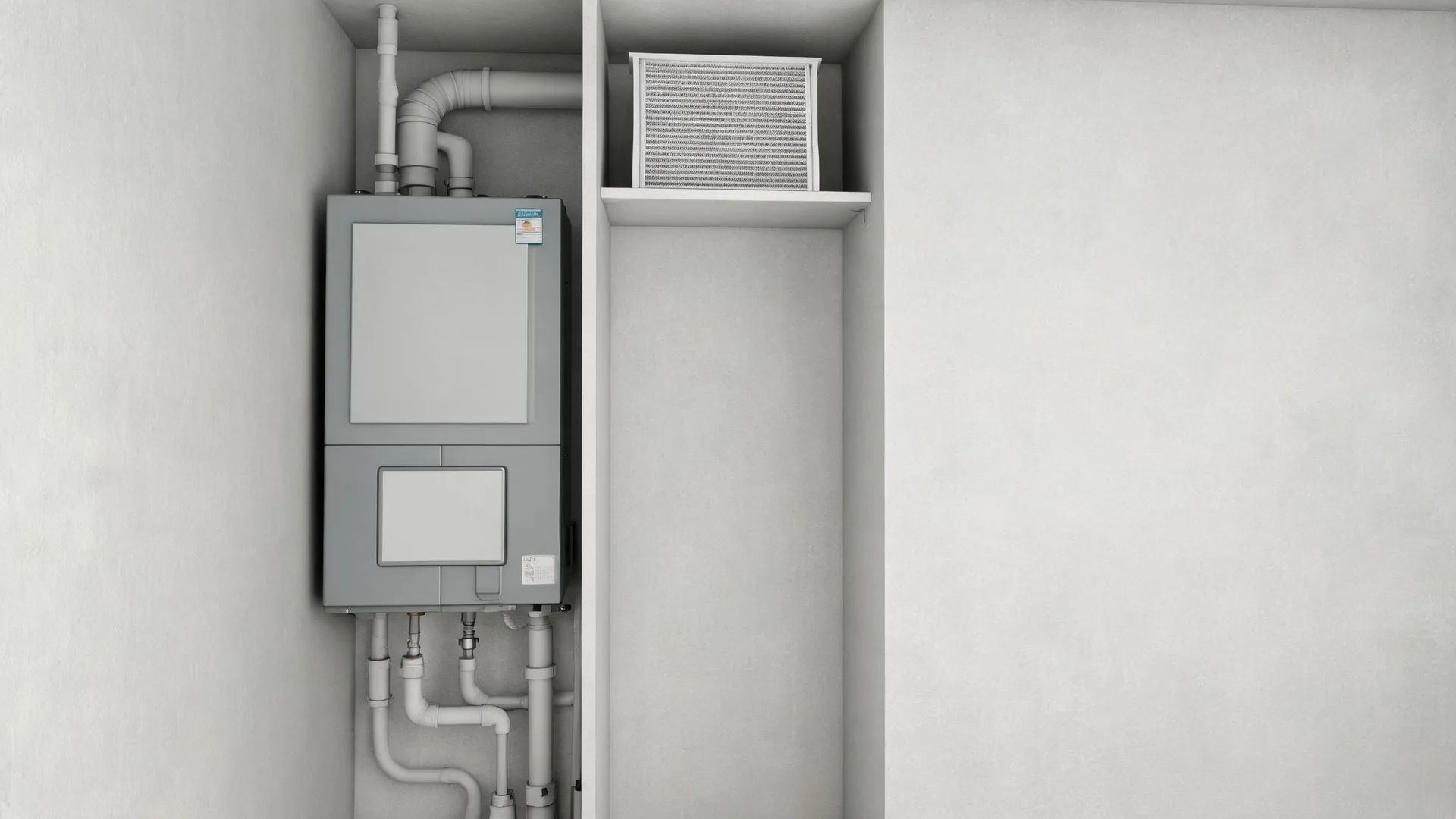
Look at the pressure gauge on the front of the boiler. The dial usually marks the range it should sit in when the system is cold, and if the needle has dropped below that, the system may need water added through the feed valve. Check the floor and pipes around the boiler for water. A damp spot points to a leak somewhere in the system, even a small one. If there's a viewing port, look at the flame. It should burn steady and blue. A flame that's yellow or lifting off the burner means it isn't getting clean combustion. Check that the thermostat has power, is set to call for heat, and that nothing is blocking it or sitting too close to it.
What to leave alone

Don't open the boiler's cabinet or touch the gas valve, the ignition parts, or the wiring. Testing those safely takes training and the right tools. If you smell gas, don't go looking for where it's coming from. Leave the house and call the gas company from outside. A pressure relief valve that's dripping, or a boiler that's banging or making a kettling sound, means something is wrong inside. That's not something to reset or ride out. Shut the system down and get a technician out instead of running it while it's making that noise.

A boiler that's starting to fail doesn't fix itself by staying on. A circulator pump that's losing bearing lubrication wears faster the longer it keeps turning, not slower. A cracked heat exchanger lets combustion gases mix where they shouldn't, and running it more only pushes more gas through that crack. Low water pressure left alone can let the system run dry in spots, and a boiler that fires without enough water around the heat exchanger can warp it permanently in a way that's no longer a repair. Even something as simple as a failing igniter tends to get worse with cycles, not better, since every attempt to light puts more strain on a part that's already going. The problems that stay small are the ones caught early, while the water's still under pressure and the flame still looks right.

If your boiler shut off during a storm this year, have it checked before you count on it again. A unit that restarts after an outage can come back with a problem that was already sitting there, and a hard restart in cold weather isn't the time to find out. Check the pressure gauge once it's back on, since a pump that cycled off mid-run can lose pressure. If the burner won't relight cleanly, or it lights and then cuts out, that's worth a technician's visit even if it eventually catches. Warren County sees enough wind and winter storms that this isn't a rare event here.