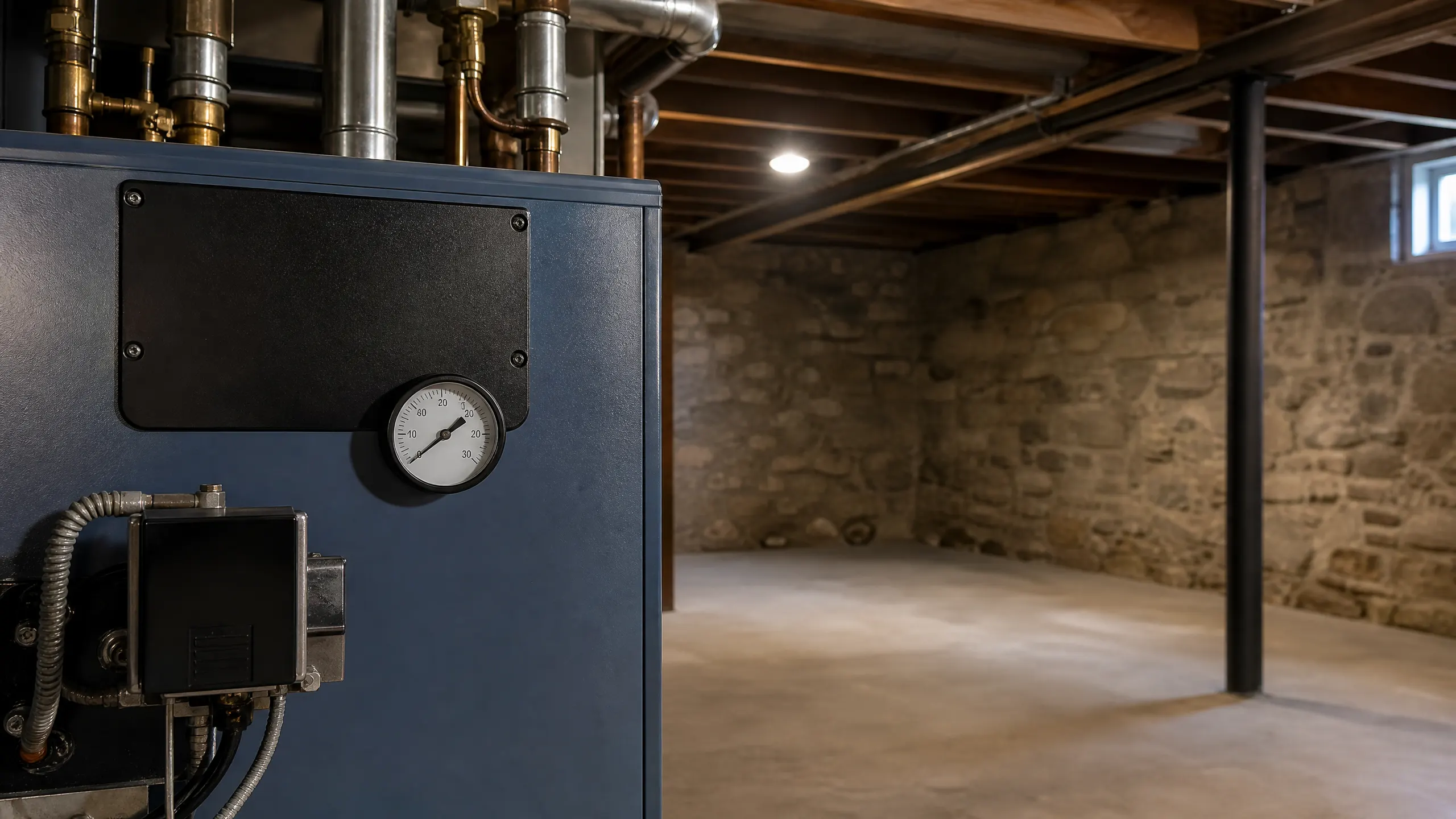




A blue boiler with copper pipework and a pressure gauge mounted in an unfinished basement with stone foundation walls.

Boiler Repair in Rochester, NY

Tell us about the job

Takes about a minute. No obligation.

RepairBoilerMonroe County, NY
Step 1 of 2

What ZIP code is the job in?

Half the homes in Monroe County were built in 1965 or earlier. If yours is one of them, there's a decent chance the boiler isn't the original, but there's also a decent chance nobody's replaced it since the last owner did sometime in the eighties or nineties. A boiler that old is working at the end of its design life even when it's still running. Before you put money into a repair, it's worth asking the contractor how many years they think the unit has left. Sometimes the honest answer changes what's worth fixing.

Your boiler runs eight months of the year here, October through May.

A machine working that many months a year wears sooner, so get the actual cause checked before you pay for a fix.

Gas here runs $16.03 per million Btu, and your boiler burns it most of the year

Heat runs October through May
Winter nights average 20°F
Climate zone 5A
October Is When Weak Boilers FailHeat goes on in October here, and that first real load finds whatever was already wearing thin.

A boiler that's short cycling, losing pressure, or struggling to hold temperature is burning that same expensive gas without heating the house well. The inefficiency doesn't show up as a separate line item. It shows up as a higher bill for the same cold rooms. If the repair is a simple one, a contractor can usually fix it in one visit and the cost stops there. If the boiler is older and the problem keeps coming back, that's a sign the money is better spent on a replacement that actually uses the gas it burns. Either way, the longer a malfunction sits, the more it costs to run.

Get the Cause Found, Not Just the Symptom

Eight months of heat a year doesn't leave much room for a problem to sit. Get a contractor out to find out what's actually wrong before it turns into a bigger repair or a bill for heat you're not getting.

Find a contractor

A Small Leak Doesn't Stay Small

A boiler losing pressure is losing water, and whatever is letting water out gets worse under the same heat and pressure that caused it. A hairline crack in a fitting or a weeping valve doesn't seal itself. The boiler keeps adding fresh water to make up the difference, and that fresh water carries oxygen and minerals that corrode pipes and the heat exchanger from the inside.
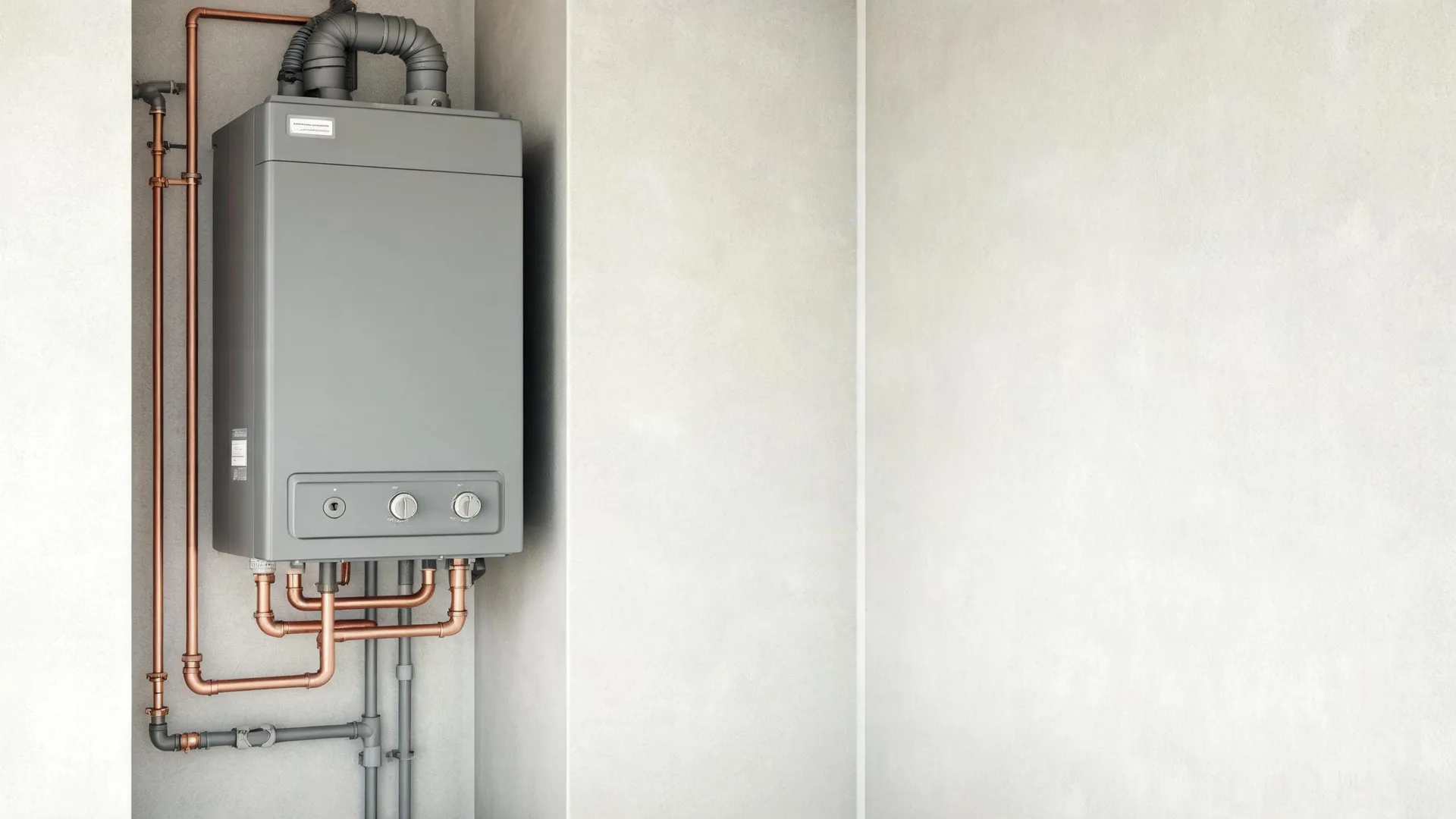
Running Dirty Water Wears the Whole System

Low water and constant refilling push sediment and air through pipes that were never designed to handle either. Sediment settles in the heat exchanger and insulates it from the water it's supposed to be warming, so the burner runs longer to do the same job. A boiler that keeps running through this doesn't just fail at one part. It wears down the pump, the valves, and the exchanger all at once.

Most boiler problems announce themselves before the boiler actually quits. Banging or knocking from the pipes usually means air trapped in the system, or mineral buildup on the heat exchanger making noise as water moves past it. A kettling or rumbling sound from the boiler itself often means sediment has settled where the burner's heat is concentrated. Cold spots on radiators or baseboards, especially cold at the top and warm at the bottom, point to trapped air that needs bleeding. If the pilot or igniter won't hold, or the boiler shuts off on its own partway through a cycle, a safety switch is doing its job and shutting things down before something fails further. None of these fix themselves, and waiting usually just moves the problem from an easy repair to a harder one.

Ask the contractor for a number, not a feeling, before you approve the repair. A straight answer is either a handful of years or a long run, and that answer should decide whether the bill makes sense. If nobody's sure who installed the boiler or when, that uncertainty is itself worth knowing. Get the estimate of years left in writing before the work starts, not after.