




A row of illuminated white colonial houses photographed at twilight along a tree-lined road with a stone wall in the foreground.

Boiler Repair in Schenectady, NY

Tell us about the job

Takes about a minute. No obligation.

RepairBoilerSchenectady County, NY
Step 1 of 2

What ZIP code is the job in?

Half the houses in Schenectady County were built in 1956 or earlier. If yours is one of them, there's a good chance the boiler isn't the original, but it may well be older than you'd guess, especially if nobody's swapped it since the last owner. An old boiler can still heat the house fine and still be near the end of what it has left. Before you pay for a major repair, it's worth asking whoever comes out how many years are likely left in it. That answer should factor into whether the repair makes sense.

Boilers in Schenectady County run eight months of the year, October through May.

Eight months of work a year wears parts down faster, so get the real cause checked before paying for the fix.

Gas here costs more, and this boiler runs on it most of the year

Climate zone 5A
Heat runs October through May
Winter nights average 17°F
When Storms Hit, Boilers Take the Hit TooSchenectady County saw 248 severe weather events between 2015 and 2024.

October is when the boiler gets asked to do real work for the first time since spring. Whatever was already weak, a failing igniter, a pump on its way out, a thermocouple that barely works, tends to show up in those first cold weeks, not in the easy months. Schenectady winters push the overnight low to 17°F in December and January, so a boiler that limps along in October usually fails outright once it has to run all night. Getting it looked at before October asks anything of it is the cheaper time to find out what's wrong.

Find out what's really wrong before you pay to fix it

Eight months of heating a year doesn't leave much downtime for anything to rest or get looked at. Have a licensed contractor find the actual cause before you decide what the fix should be.

Find a contractor

A small leak doesn't stay small

Water leaking from a fitting or valve carries minerals that build up as the water evaporates. That buildup can seize the valve it's leaking from, or drip onto the circulator and burn out the motor bearings. A leak that would have been a cheap fitting swap turns into a pump replacement if the boiler keeps running on it.
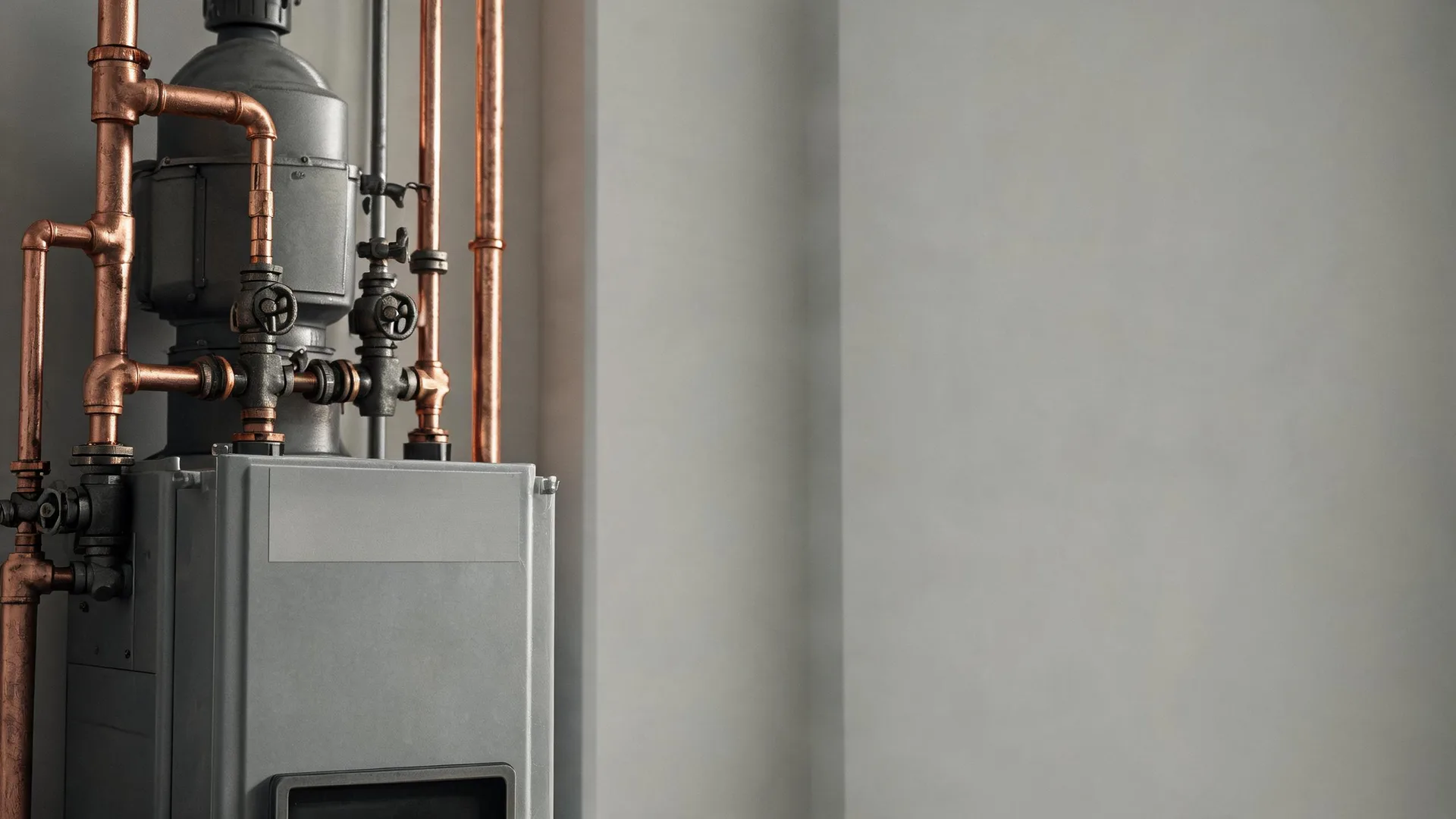
A failing part drags down the ones around it

A pump that's starting to stick still pushes water, just not enough. The boiler keeps firing to make up the difference, so the burner runs longer and hotter than it should. That extra runtime wears the heat exchanger and the igniter faster than normal use would. Shutting it down when the first sign shows up protects the parts that are still fine.

Most boiler failures start small, in a part that's cheap to replace on its own. A thermocouple or flame sensor gets coated and stops sensing the pilot or burner flame, so the gas valve shuts off as a safety measure. An igniter weakens and takes longer each time to light, until one day it doesn't. Low water pressure, often from a slow leak somewhere in the system, trips a pressure switch and shuts the whole thing down. None of these start as emergencies. They start as a pilot that's harder to light than last month, or a kettling noise from the heat exchanger, or a boiler that short cycles instead of running a full heat cycle. Left alone, any one of them forces the burner to work harder to make up for it, and that's what turns a minor part into a cracked heat exchanger or a seized pump.

Half the homes in this county went up in 1956 or earlier, and that age is worth asking about before paying for a major repair. A boiler installed when the house was built, or even one swapped in decades ago, may not have much service life left regardless of how it's running today. Ask whoever comes out to look not just what's broken but how many years they'd expect to get out of this boiler going forward. If the answer is not many, that changes whether the repair is worth doing. Get that answer before you sign off on the fix, not after.