



White colonial houses with lit windows photographed at dusk along a tree-lined residential street.

Boiler Repair in Newark, NY

Tell us about the job

Takes about a minute. No obligation.

RepairBoilerWayne County, NY
Step 1 of 2

What ZIP code is the job in?

Half the homes in Wayne County were built in 1968 or earlier. A boiler that old has likely been repaired more than once already. If yours came with the house, ask the contractor how many years it has left before you pay for the next fix. Sometimes a repair makes sense. Sometimes you're better off putting that money toward a new unit instead.

Boilers in Wayne County run from October through May.

Eight months of work a year wears parts down faster, so a breakdown now likely has a reason behind it.

Eight months of heat starts in October, and the first cold weeks are when a weak part gives out

Heat runs October through May
Winter nights average 20°F
Climate zone 5A

Natural gas in New York ran $16.03 per million Btu in 2024, among the higher prices in the country. A boiler that's short-cycling, losing pressure, or firing longer than it should is burning more of that gas to heat the same rooms. That cost shows up every month it runs, not just in the dead of winter. Worth having a contractor look at it now, before the cold months put more hours on it.

Have the real cause found before the next cold stretch

Eight months of heating a year puts real hours on a boiler, and a breakdown in that stretch usually traces back to a part that's been under strain for a while. Getting it diagnosed now tells you what actually failed and whether it's worth fixing.

Find a contractor

Kettling or banging means something inside the heat exchanger is building scale or trapping air

A boiler that bangs, gurgles or sounds like it's knocking has sediment or limescale on the heat exchanger, or air stuck in the system. The noise gets worse over time, not better, and it means the exchanger is working harder to move heat into the water.
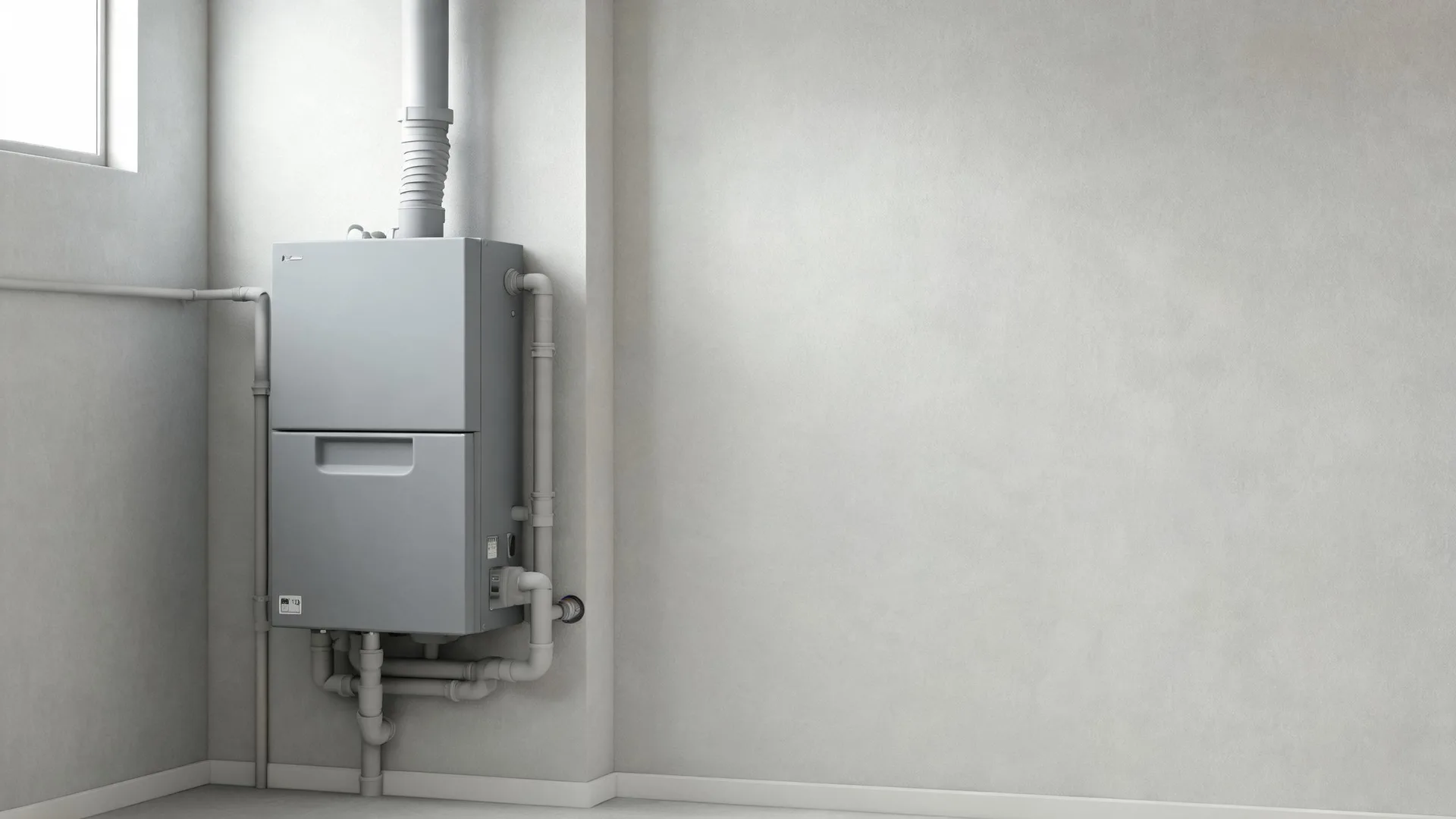
A pressure gauge that won't hold or a pilot that won't stay lit points to a specific failed part

If the pressure keeps dropping, something is letting water or air out somewhere in the system. If the pilot or ignition won't hold, the thermocouple, flame sensor or control board is the likely cause. Either one is worth a diagnosis before it leaves you without heat entirely.

Most boiler failures trace back to water quality or a part that controls ignition. Hard water leaves scale on the heat exchanger over time, and that scale insulates the metal so the burner has to work longer to get the same heat into the water. Low water pressure or a faulty pressure relief valve can shut a boiler down as a safety measure, since it won't fire if it senses the system can't handle it. On the ignition side, a worn thermocouple or flame sensor can't tell the control board the pilot is lit, so the gas valve never opens. Circulator pumps wear out too, and when one seizes or weakens, the boiler heats water that never reaches the radiators. None of these fail because a boiler is old on its own. They fail because something inside it has been working harder than it should for longer than it should.

A diagnostic visit starts with questions. When the noise started, whether the pressure gauge has been climbing or dropping, whether the pilot has gone out before. Then the contractor checks pressure, looks at the flame through the sight glass, and listens to the boiler run through a full cycle instead of just glancing at it cold. A combustion analyzer can read what's coming out of the flue, which tells you whether the burner is getting the right mix of air and gas. If the heat exchanger is suspect, they'll look for scale or corrosion where the water passes through. A pump gets checked by hand, feeling for a seized shaft or a weak hum that means it's running but not pushing water the way it should. The point of all this is to find the one part that actually failed, not just the symptom you noticed.