Why your gas furnace won't light in Yonkers, NY

RepairFurnace or heatingWestchester County, NY
Step 1 of 2

What ZIP code is the job in?

Why won't my gas furnace light in Yonkers?

Your furnace clicks, maybe tries a couple of times, and then nothing. No flame, no heat coming out of the vents, and it's cold in the house with winter outside. In Westchester County that's not a small thing to live with for long, since most homes here run on gas and the furnace is doing the real work from late fall through early spring.

Usually the igniter, the flame sensor, or the gas valve not getting a signal

A furnace that won't light is almost always failing at one of three points. The igniter can be weak or cracked and can't get hot enough to start the flame. The flame sensor can be coated with residue, so the furnace lights for a second and shuts right back off because it reads no flame. Or the gas valve itself isn't opening, often because the control board isn't sending it power. Each of these is a specific part failing, not the whole furnace giving out. With gas furnaces running hard through a Westchester winter, these are the parts that wear from steady use and are the first ones worth checking when the furnace won't start.

A dark interior hallway with a dim window at the end, a wooden floor, a stair railing on the right, and a bench or rug in the foreground.

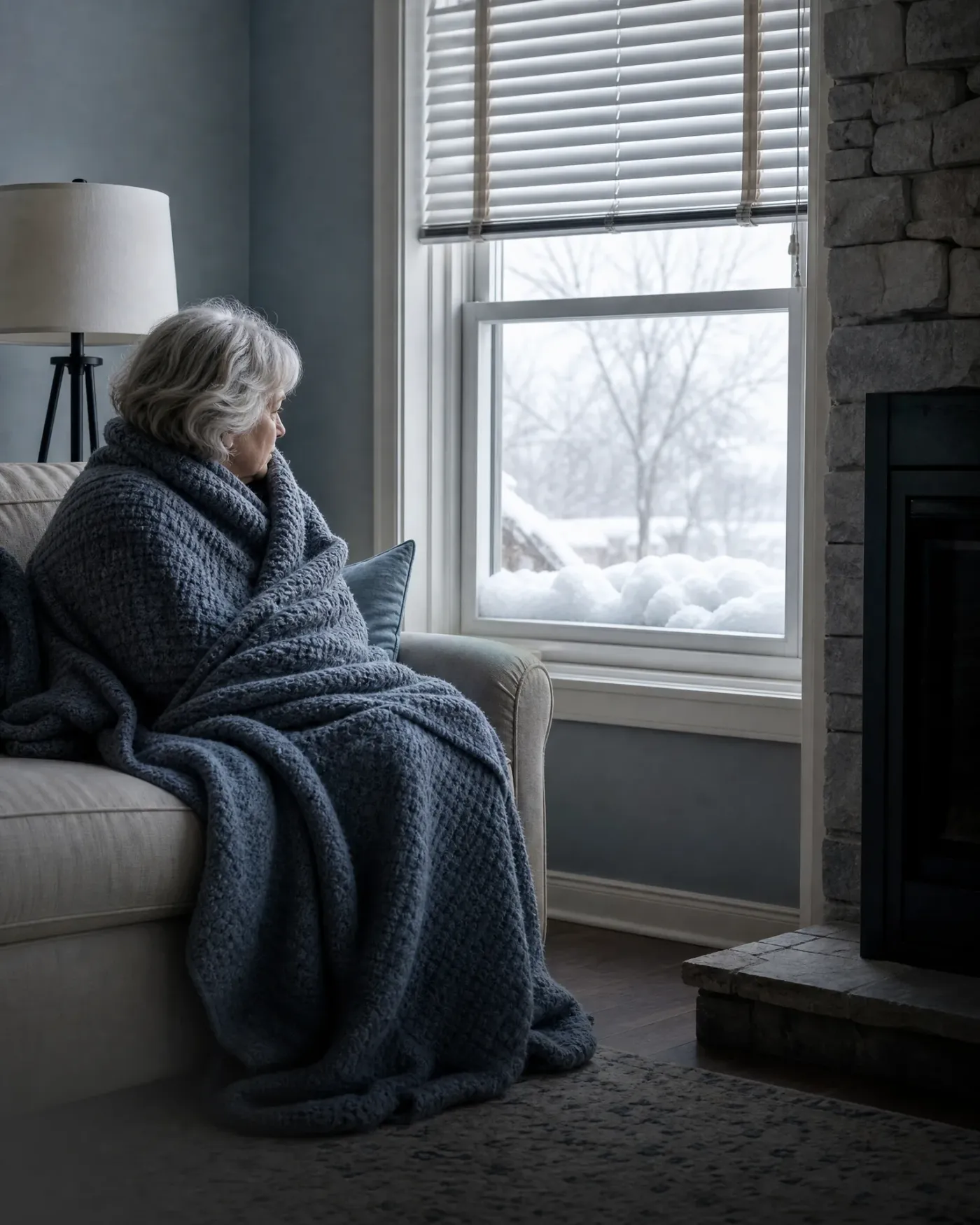
You wake up at 2 a.m. because the house feels wrong before you know why. The hallway floor is cold under your feet. You stand by the vent and hear nothing, no air moving at all. Down the hall the window has frost crawling up the inside of the glass. The thermostat light is the only warm color in the house, the rest is that flat blue that comes before dawn. You can hear the furnace click once, twice, trying to catch, and then it stops. Outside, Westchester County is deep into a January cold snap, and the radiator in your kid's room across the hall has gone quiet too.

A beige high-efficiency furnace with white PVC vent pipes stands beside galvanized sheet-metal ductwork in a basement with a concrete floor, exposed wood studs, and metal piping along the wall.
A high-efficiency furnace like this fires on the first call, the burner catching clean and the inducer running quiet before it does.
An older beige furnace with a louvered vent panel stands on a concrete basement floor beside galvanized sheet-metal ductwork, a metal flue pipe and vertical pipes along a concrete wall.
An older furnace like this can still heat the house fine, but a cracked igniter or a dirty flame sensor will stop it cold.

How Your Furnace Tries To Light

  • A gas furnace fires only after the inducer motor proves it can pull exhaust out through the flue.
  • The igniter has to glow and reach full temperature before the gas valve is allowed to open at all.
  • A flame sensor confirms the burner actually lit, and if it's coated with soot it shuts the gas off in seconds.
  • Furnaces run through this check every single cycle, so a part that's failing can work one night and not the next.
  • Three failed tries in a row usually locks the control board out until someone resets it by hand.
  • A pressure switch that won't close because of a blocked vent pipe will stop ignition before gas ever reaches the burner.

A gas furnace doesn't just dump gas on a spark and hope. It checks itself at every step, and it won't move to the next one until the last one passes. First the inducer motor spins up to pull air through the flue and vent pipe. A pressure switch has to sense that pull and close before anything else happens. If the vent is blocked or the inducer is weak, that switch stays open and the furnace stops right there, before gas is even in the picture. Once the switch closes, the igniter gets power and starts heating. It has to reach a certain temperature before the control board trusts it enough to open the gas valve. Gas flows, the igniter lights it, and now the flame sensor has one job: prove there's a real flame within a couple of seconds, or the board shuts the valve again. A sensor coated in soot can't tell the board anything, so the furnace quits even though gas is flowing fine. All of this runs fresh each time the thermostat calls for heat, which is why a borderline part can work one night and fail the next. After three failed attempts, the board locks out and waits for someone to reset it, usually at the switch or breaker.

A woman in a cream cowl-neck sweater sits by a window with snow outside, in a dimly lit living room with a sofa, lit lamp, mirror, candles and a fireplace.
A woman in a gray turtleneck sweater sits beside a large window looking out at snow-covered evergreen trees, in a dimly lit living room with a lit fireplace, lamps, couch and houseplant.
A woman in a cream turtleneck sweater stands beside a large window with snow-covered ground and bare trees outside, in a dimly lit living room with lamps, a sofa and framed art.
A woman in a grey cowl-neck sweater stands indoors near a window, looking out at falling snow, with a lamp, framed picture and couch in the warmly lit room behind her.
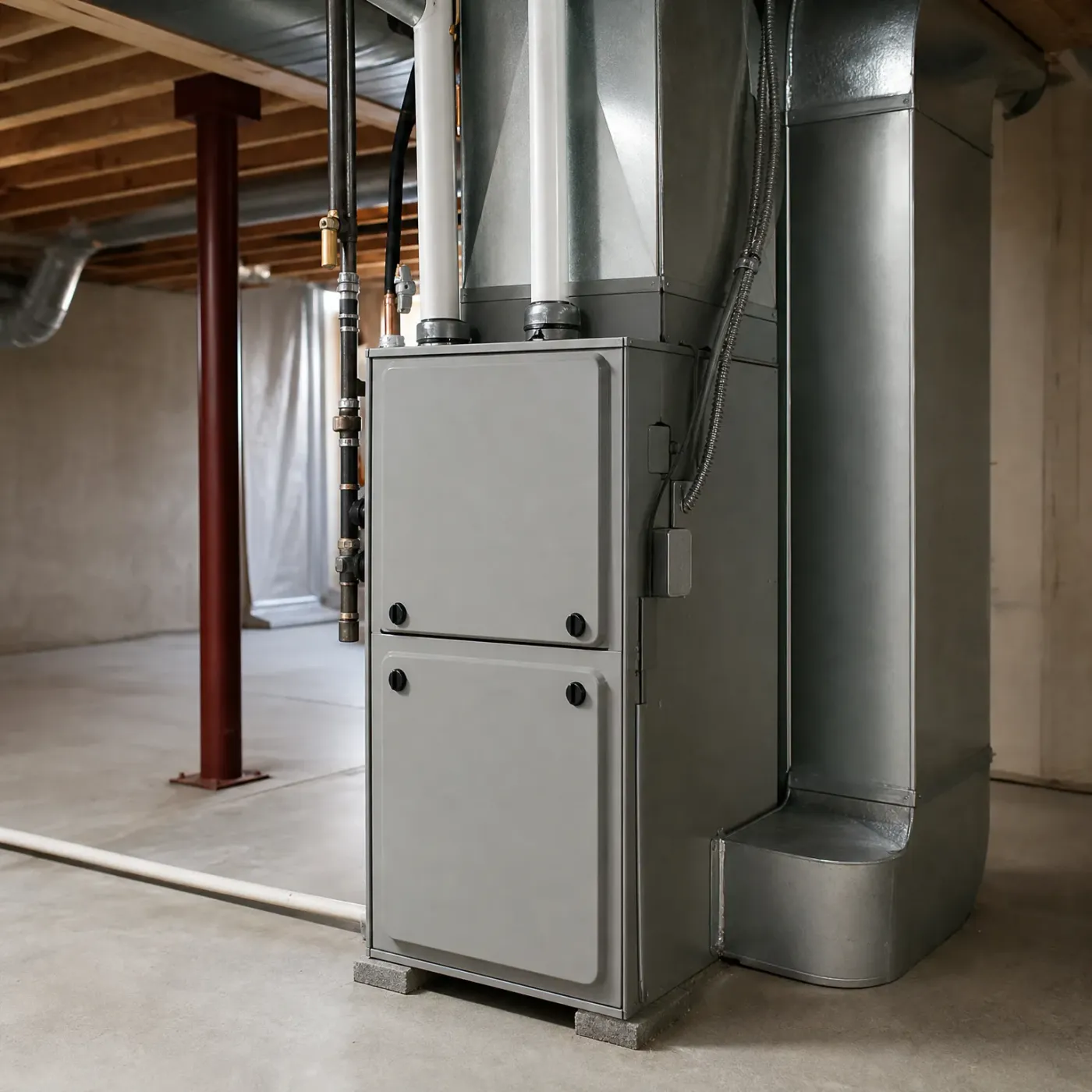
A gray high-efficiency furnace with two access panels stands on blocks in a basement, connected to sheet-metal ductwork, PVC vent pipes, flexible conduit, and gas and water piping, beside a red support column and exposed wood joists.

Get your furnace to the right pro

A licensed pro who repairs furnaces in Westchester County gets your request.

Tell a local repair pro what your furnace is doing.

Get a local pro

No charge to send it. You decide if you hire them.

What are you noticing right now in your house?

Check the thermostat and it still reads nothing changed, the number you set isn't the number you're getting. Put your hand near a vent and feel no air at all, warm or cold. Some furnaces click a few times before going quiet, others just sit there. You might catch a faint gas smell near the unit, or smell nothing at all, which can mean the valve never opened. If the basement is cold too, and rooms upstairs are dropping a couple of degrees an hour, that's the house losing heat faster than it should this time of year. Left alone over a cold stretch, pipes near exterior walls are the first thing at risk, along with anyone in the house who's older or very young.

A gray high-efficiency furnace with two PVC vent pipes stands in an unfinished basement beside sheet-metal ductwork, a framed and plastic-covered wall, and a bare concrete wall with vertical pipes.

Running right

A furnace like this fires, the burner catches, and the PVC flue carries exhaust out without any smell in the basement. The gas line, the ducts above, and the vapor barrier behind it are all doing their job, so the only thing you notice upstairs is warm air.

A gray furnace cabinet in a basement, connected to galvanized sheet-metal ductwork and white PVC pipes, against a concrete wall with exposed metal piping and insulation overhead.

Won't light

Set on a pallet off the concrete, this furnace still depends on the same igniter and flame sensor as any other. When one of those fails, the inducer might run and you'll hear it, but no gas valve opens behind it, and the vents upstairs stay cold.

A woman stands in the open black front door of a white-sided house with a dark shingled roof while a man in a navy jacket approaches along the walkway, with lantern wall lights, a potted shrub, and flowering garden beds nearby.

What this means for your house tonight

If the furnace won't light, every room fed by that trunk line is cooling at the same rate, not just the basement. Pipes along outside walls are the first to feel it if the house sits cold for more than a few hours, since Westchester winters don't let up once they settle in. A space heater in the bedroom buys you some time, but it isn't sized to hold the whole house above freezing, and running several of them on one circuit trips breakers fast given what power costs here.

You already know not to wait this one out. A furnace that won't fire is a closed gas valve or a part that failed its own safety check, and neither fixes itself by morning. The next step is getting a licensed furnace tech local to Yonkers out to look at it, someone who works these systems every winter and knows which part on your model tends to go first. One contractor gets matched to your situation, not a handful calling you back at once.

A gray upholstered sofa with a beige cushion and knit blanket beside a curtained window, with a white mug and a book on a dark wooden table in the foreground and a lit lamp in the background.
A gray furnace cabinet in a basement with sheet-metal ductwork, white PVC vent pipes, and black gas piping against a concrete wall and wood-framed partition on a bare concrete floor.

Working the way it should

This furnace sits on the basement floor with the main duct and gas line hooked up clean. When it's running right, the burner lights on the first try and warm air moves through that duct into the house within a minute or two.

A gray metal furnace with two white PVC vent pipes stands on a concrete floor beside galvanized sheet-metal ductwork in a basement or utility space with wood framing.

Age working against it

This one vents through PVC pipe instead of a metal flue, and the rust on the cabinet shows some years on it. A furnace this age is more likely to have a cracked igniter or a flame sensor too dirty to see the flame it's sensing.

Winter nights average 24°F

A night in the 20s is normal here, not a cold snap, so your furnace is built to run for hours at a stretch to hold the house. When it won't light, there's nothing slowing the drop. A bedroom with a weak vent can lose its heat fast once the burner stops firing.

NOAA nClimDiv 1991-2020

A furnace that won't light almost always comes down to one of a handful of parts: the igniter, the flame sensor, or the inducer motor not proving it can vent the exhaust. None of that is something to chase down yourself with the gas valve involved and the house getting colder by the hour. A contractor who works on furnaces around Yonkers all winter has seen this exact shutdown dozens of times and knows which of those parts tends to fail first on the kind of furnace sitting in your basement. Request a repair here and you're matched with one licensed local contractor, not a handful of companies competing for the job, so you're not fielding five calls while your house sits cold. They'll reach out to you directly about what they're seeing and what it takes to get the burner lit again. The furnace itself isn't complicated. Getting the right person in front of it tonight is what matters.

Interior room corner with sunlight from a window, showing peeling paint and damaged plaster on the wall above a white baseboard, a wooden cabinet with a pale bowl on top, hardwood floor and a patterned rug.
Interior corner of a room with tan walls, white profiled baseboard and window trim, a wood-plank floor in sunlight, and green foliage visible through the window.
An empty room corner with cream walls, white baseboard, two windows with deep sills showing green foliage outside, and a wood plank floor lit by sunlight.
Empty room corner with beige walls, white beadboard wainscoting, chair rail and baseboard, a window with green foliage outside, and sunlight casting leaf shadows on the wall above a wood floor.
Sunlit room corner with a multi-pane window, beige walls, white baseboard, wood floor with a woven rug, and a dark wooden cabinet holding a ceramic table lamp below a framed picture.

Find a furnace repair pro in Westchester County

Your request goes to one pro, not a list of companies.

Match me with a pro

There's no charge for the request.