

Repair or replace a gas furnace in Yonkers, NY

Send the form and stop researching installers for the new furnace.

Hand it off

Should I repair my gas furnace or just replace it?

A furnace repair bill lands and the next thought is whether it's worth paying it or putting that money toward a new unit instead. The answer depends on a few things about the furnace itself: how old it is, what's actually broken, and how much it would cost to fix versus replace. Nobody wants to sink money into a furnace that's going to need something else next winter.

Repair it if it's under 15 years old and the fix is simple. Replace it if it's older or the repair is a major one.

A furnace that age has usually earned the cost of a repair, especially for something like an igniter or a blower motor. Past 15 years, the parts that fail tend to be bigger ones, like a cracked heat exchanger or a failed control board, and those repairs often cost close to what a new furnace would. Westchester winters put a lot of hours on a furnace between October and April, so a unit near the end of its life is working hard right when you need it most. A contractor who sees the furnace can tell you which side of that line it falls on.

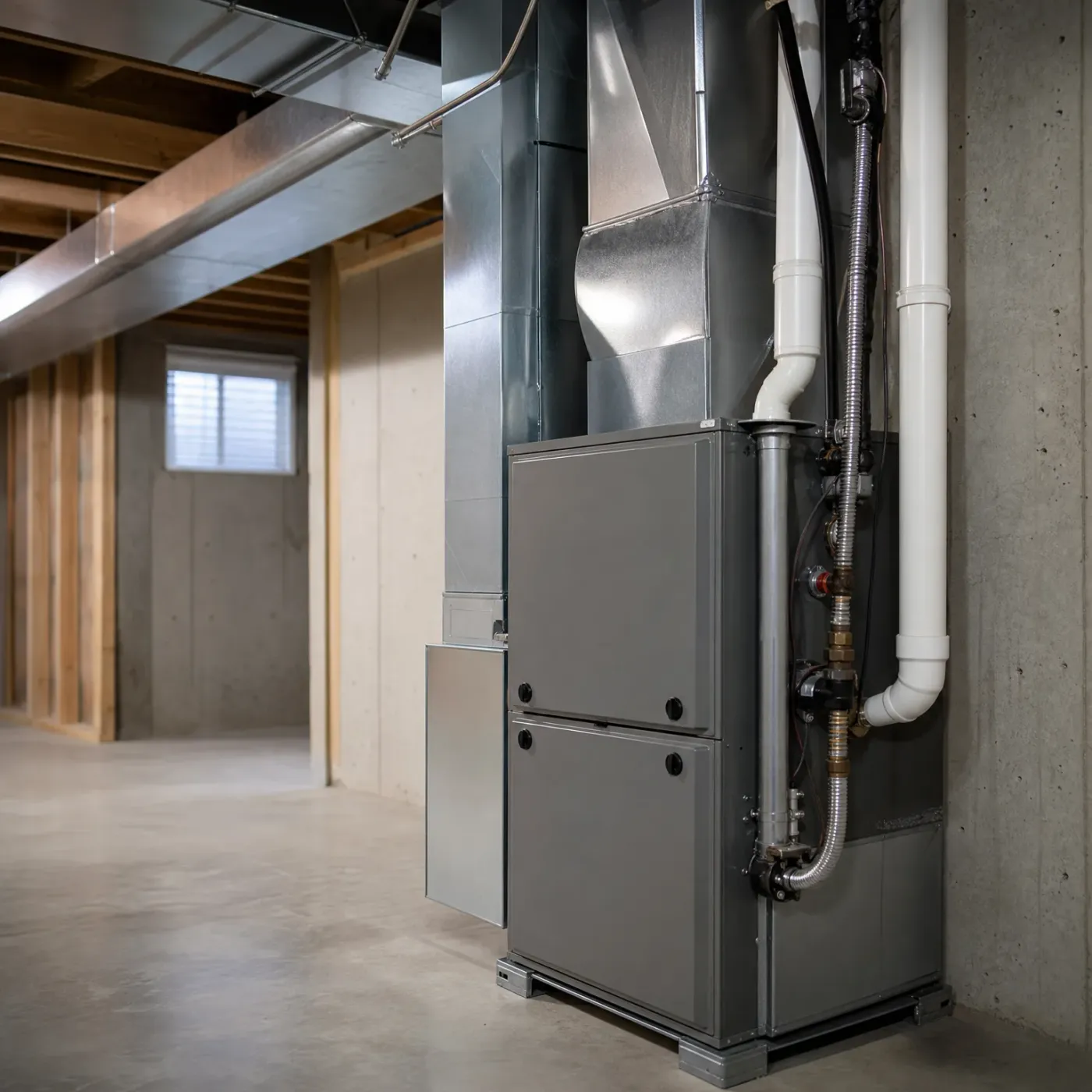
A gray high-efficiency furnace with white PVC vent pipes stands beside sheet-metal ductwork and a water heater in an unfinished basement with concrete walls and wood framing.

Repair holds up

This is a newer high-efficiency furnace, the kind vented with PVC pipe instead of a metal flue. If it's still within its first ten years or so and one part failed, a repair gets it back to running the way it's supposed to. The rest of the unit still has years left in it.


A beige gas furnace with a metal flue pipe stands in a basement against concrete block walls, beside sheet-metal ductwork, copper and white plastic pipes, and a water heater at right.

Replace instead

A furnace like this, with galvanized ductwork and an older cabinet, has likely been running for a couple of decades already. At that age, a repair bill is money spent on a unit that could need the next repair soon after. A new furnace replaces the whole risk, not just the broken part.

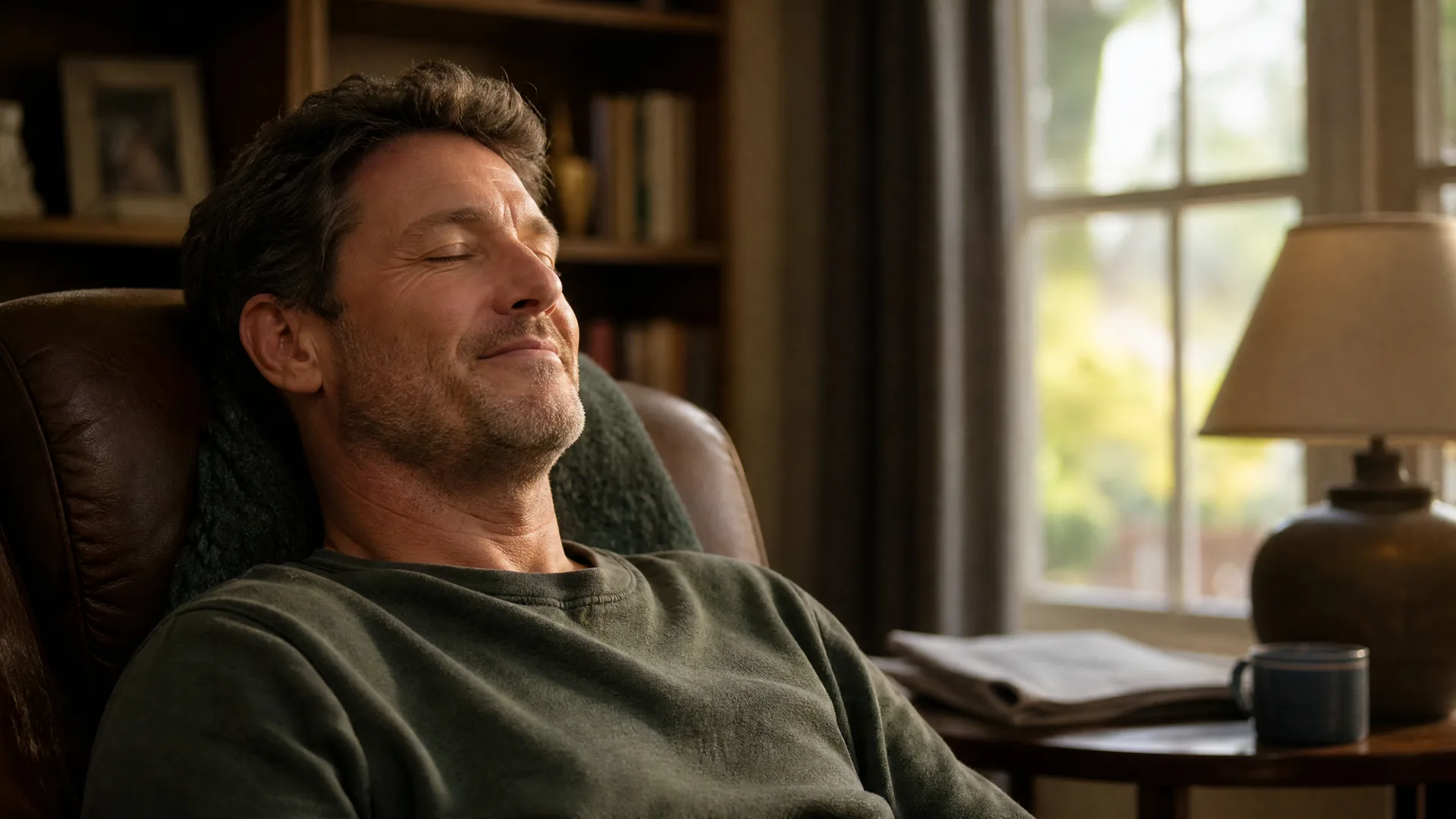
A man in a navy sweater reclines in a leather armchair with his eyes closed and a slight smile, beside a side table with a mug and folded newspaper, in a room with a bookshelf and a sunlit window.
A bearded man in a navy robe over a gray shirt reclines with closed eyes in a brown leather armchair, with a houseplant, folded newspaper on a wooden table, and a bookshelf behind him.
A bearded man in a navy sweater reclines with closed eyes in a leather armchair beside a table holding a folded newspaper and a green mug, with a dresser, potted plants, a lamp and framed artwork behind him.
A man in a dark green sweatshirt reclines with his eyes closed and a slight smile in a brown leather armchair, with a window, table lamp, mug and newspaper beside him.

15 to 20 years

That's the span a gas furnace in Westchester County usually covers. Near the end of it, a repair bill is a bet against a cabinet and heat exchanger that are running out of time.

Hand off the search

One cold call versus one warm house

Finding a licensed contractor, explaining the furnace twice, comparing quotes: sending the form hands that off, so the only thing left on your end is the wait.

Hand off the search

Is your furnace telling you something right now?

A furnace usually gives warning before it quits. The burner flame looks yellow or flickers instead of burning a steady blue. It short cycles, kicking on and off every few minutes instead of running a full heating cycle. Rooms upstairs stay cold while the thermostat reads warm. You hear a bang or a rattle on startup, or a burning smell drifts out of the vents the first few times it runs each winter. The gas bill climbs even though you haven't changed the thermostat. Any one of these on its own might be nothing. Ignored through a Westchester winter, a cracked heat exchanger or a failing igniter can leave the house cold on the coldest night of the year, or worse, let combustion gases into rooms where people are sleeping.

A beige high-efficiency furnace in an unfinished basement, with white PVC vent pipes, a yellow gas line, metal ductwork, and exposed wood framing on a concrete floor.

Running the way it should

This is a high-efficiency furnace with PVC pipe carrying the exhaust out, not a metal flue. The ductwork is intact, the gas line is tight, and the burner is doing its job. A furnace in this shape is worth fixing when something on it breaks.

An older beige furnace with two louvered vent panels stands on a concrete basement floor, connected to galvanized ductwork and a metal flue pipe, with gas piping and flexible conduit on the wall behind.

Running out of time

This older furnace vents through a metal flue pipe and runs on black iron gas pipe, the setup most of Westchester County had before high-efficiency units became standard. A cabinet and heat exchanger this old are closer to the end of their life than the middle of it.

An older gas furnace with two louvered front panels stands on a concrete basement floor beside galvanized sheet-metal ductwork, pipes, and a weathered concrete wall.
Before you get your furnace installation
A gray high-efficiency furnace in a basement, connected to sheet-metal ductwork on the left and white PVC vent pipes above, with black gas and drain piping and an exposed wood-stud wall with OSB sheathing on the right.
After you get your furnace installation
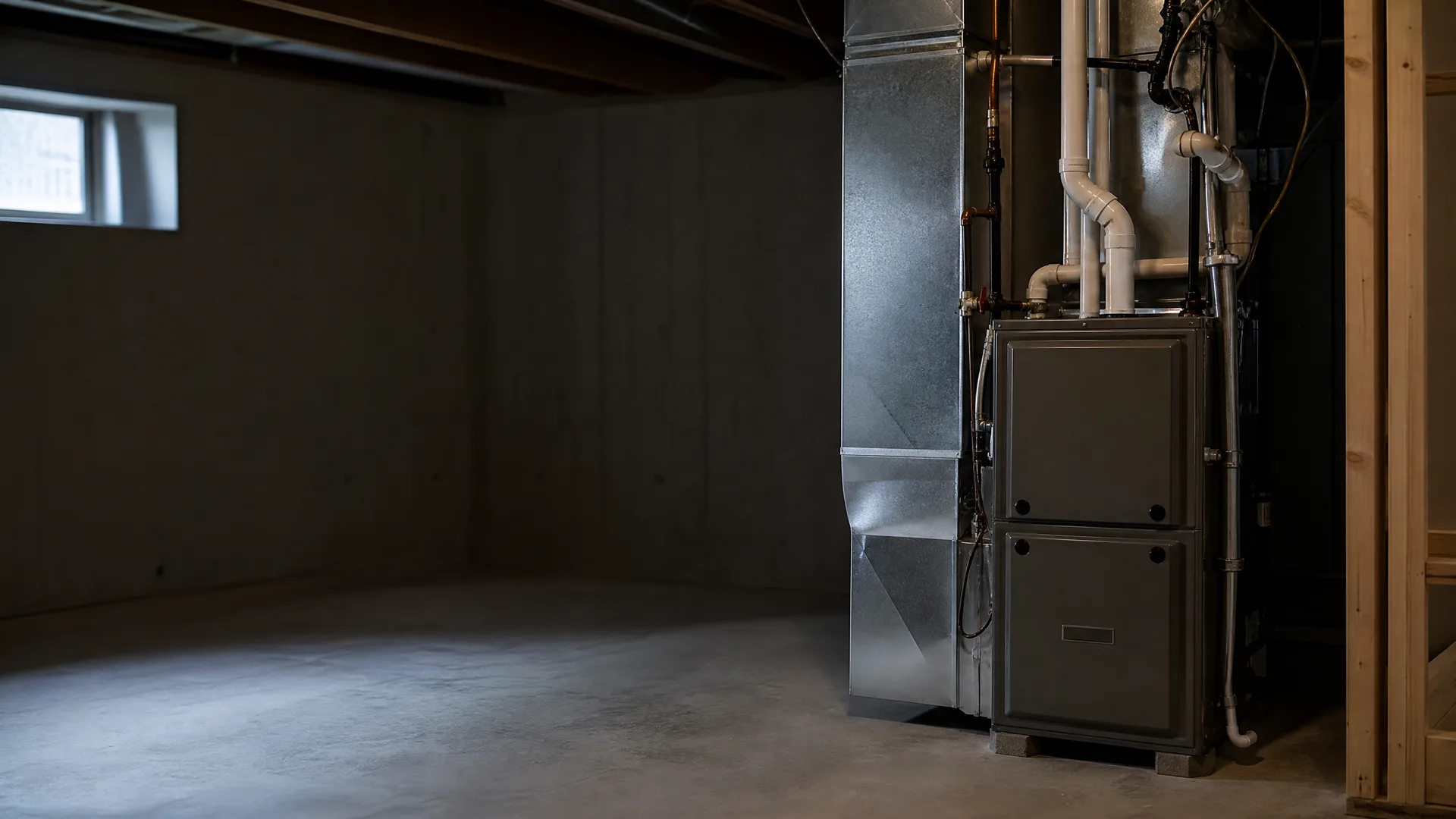
A gray high-efficiency furnace in an unfinished basement, connected to sheet-metal ductwork and white PVC vent pipes along a concrete wall, with wood-framed walls and a small window in the background.

Finding a pro stops being your job

Answer a few questions instead of calling shop after shop.

Once you send the form, finding a pro is off your list.

Send my request

You're not committing to anything by asking.

A gray high-efficiency furnace with white PVC vent pipes stands against a concrete basement wall beside sheet-metal ductwork, a small condensate pump on the floor, and exposed wood framing at left.
A furnace like this one, vented with PVC and set in a finished mechanical room, is still earning its keep and worth another repair.
A gray sheet-metal furnace with flue pipe and adjacent ductwork stands against a stone basement wall on a concrete floor, with white PVC and metal pipes running nearby.
A furnace like this one, boxed in by stone and block with gas lines and flex tubing exposed, is past the point where another repair makes sense.
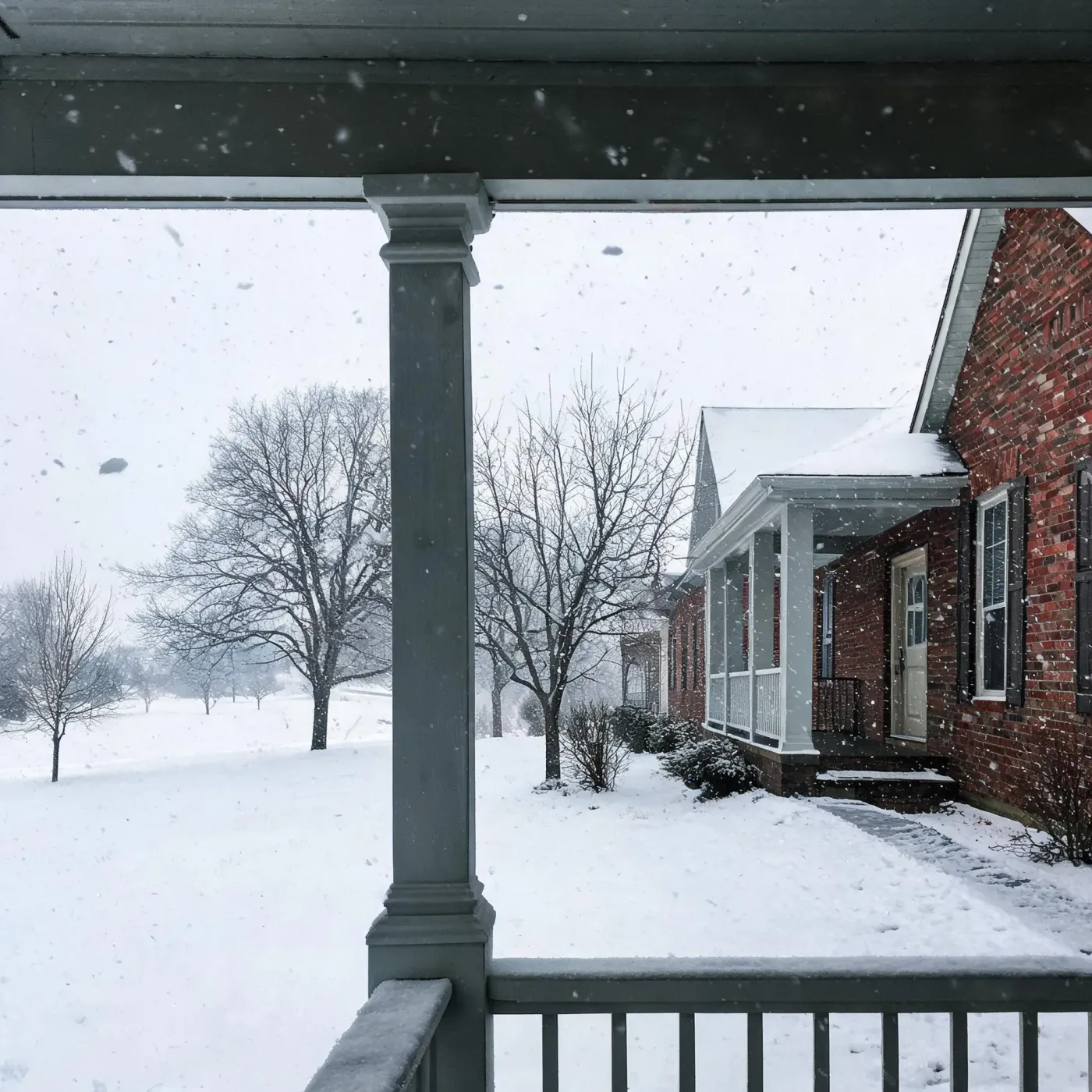
View from a covered porch with a square column and railing toward a neighboring red brick house with a white-columned porch, bare trees and snow-covered ground during falling snow.

Westchester County's overnight low averages 24°F through December, January and February, according to NOAA climate data. That's the stretch where your furnace runs longest, often holding a steady burn from evening into early morning instead of cycling on and off a few times an hour. A unit that's already struggling, a weak burner flame, a cracked heat exchanger, a failing igniter, gets exposed fast under that kind of demand. You'll notice it as rooms that don't quite catch up to the thermostat, or a furnace that seems to run constantly without the house ever feeling warm.

NOAA nClimDiv 1991-2020

An older man with gray hair and a navy knit sweater sits in an armchair with his eyes closed, near a bright window with potted green plants.
A woman in a cream knit sweater sits in an armchair indoors, eyes closed and smiling, beside a window showing yellow and orange autumn foliage, with a mug on a wooden side table and shelves holding vases behind her.

Where That Leaves Your Furnace

  • A furnace under ten years old with one failed part is usually worth repairing; one past 15 to 20 years usually isn't.
  • A cracked heat exchanger, a yellow or flickering burner flame, and short cycling are signs the furnace is closer to the end than the start.
  • PVC venting, a tight gas line, and intact ductwork point toward repair; exposed flex tubing and a boxed-in cabinet point toward replacement.
  • Westchester winters hold that 24°F overnight average for three straight months, and an aging furnace carries that load the whole time.
  • Instead of calling around to different contractors and repeating the same description of the problem to each one, a single form puts that search in someone else's hands.

The question was repair or replace, and the answer comes down to age and what's failed. A furnace still inside its first ten years, with one part gone bad, is almost always worth fixing. One past 15 to 20 years is running on borrowed time, and a repair bill at that point is money toward a cabinet and heat exchanger that won't last much longer anyway. The warning signs matter too. A yellow or flickering flame, short cycling, a heat exchanger with a crack in it, these point toward the end of the furnace's life rather than a one-time fix. What's venting the exhaust and feeding it gas tells you something as well. PVC pipe, a tight gas line, ductwork that's holding up, those are signs of a furnace still worth putting money into. Exposed flex tubing and a cabinet boxed in by stone or block usually mean the opposite. None of this changes with the season, but Westchester winters make the stakes clear. Three straight months averaging 24°F overnight is a long stretch for any furnace to carry, and an aging one carries it the same as a new one, just with less margin left. Once you know which side of that line your furnace is on, the next step is getting someone licensed to look at it, rather than spending an afternoon calling around and explaining the same problem to every contractor in the phone book.

An unfinished basement with bare concrete walls and floor, a small window at upper left, exposed joists overhead, and a furnace with sheet-metal ductwork and pipes along the right side.

Let someone else find the pro

Describe your furnace job once, to one pro.

New system or replacementFurnace or heatingWestchester County, NY
Step 1 of 2

What ZIP code is the job in?