







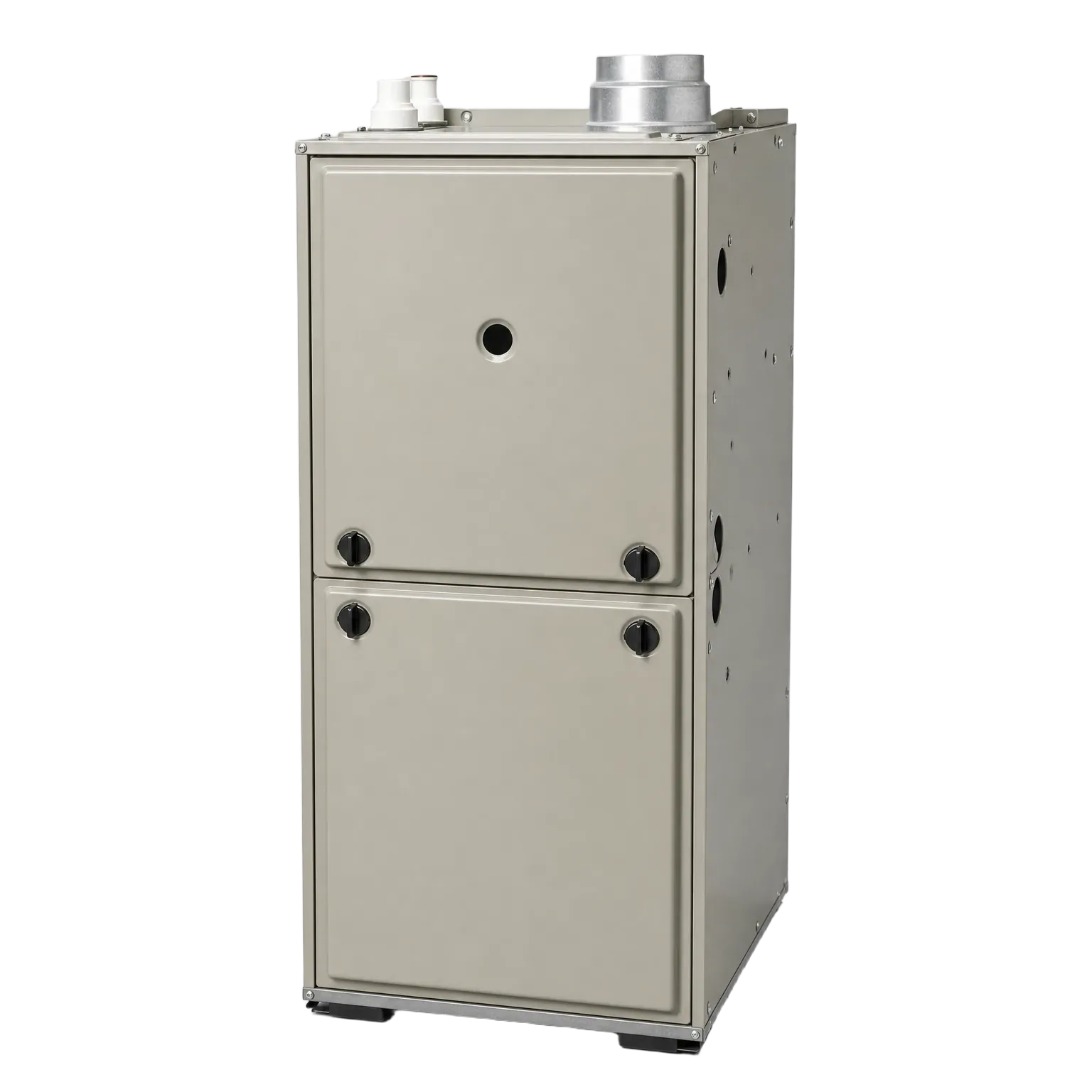
Furnace blowing cold air in Manhattan, NY

RepairFurnace or heatingNew York County, NY
Step 1 of 2

What ZIP code is the job in?

Why is my furnace blowing cold air?

Cold air coming out of the vents when you expect heat is unsettling once the temperature in Manhattan drops and you've got people at home counting on the furnace. Before you assume the whole system is dead, it helps to know that a furnace blowing cold air usually points to one of a few specific things, and some of them are simple to check yourself before a contractor even arrives.

Usually the igniter failed or the thermostat fan setting is on

Most of the time, cold air means the furnace is trying to heat but can't light the burners, so the blower runs while nothing warms it. A bad igniter or flame sensor is the usual cause. Sometimes it's simpler: the thermostat fan is set to "on" instead of "auto", which keeps air moving even when the burners are off. A clogged filter can also starve the burners of airflow and trip a safety switch that shuts off the heat while the fan keeps going. With gas furnaces common across New York County and the cold stretching from November into March, a furnace stuck blowing cold air needs attention fast, since a house can lose heat quickly once the burners stop firing.

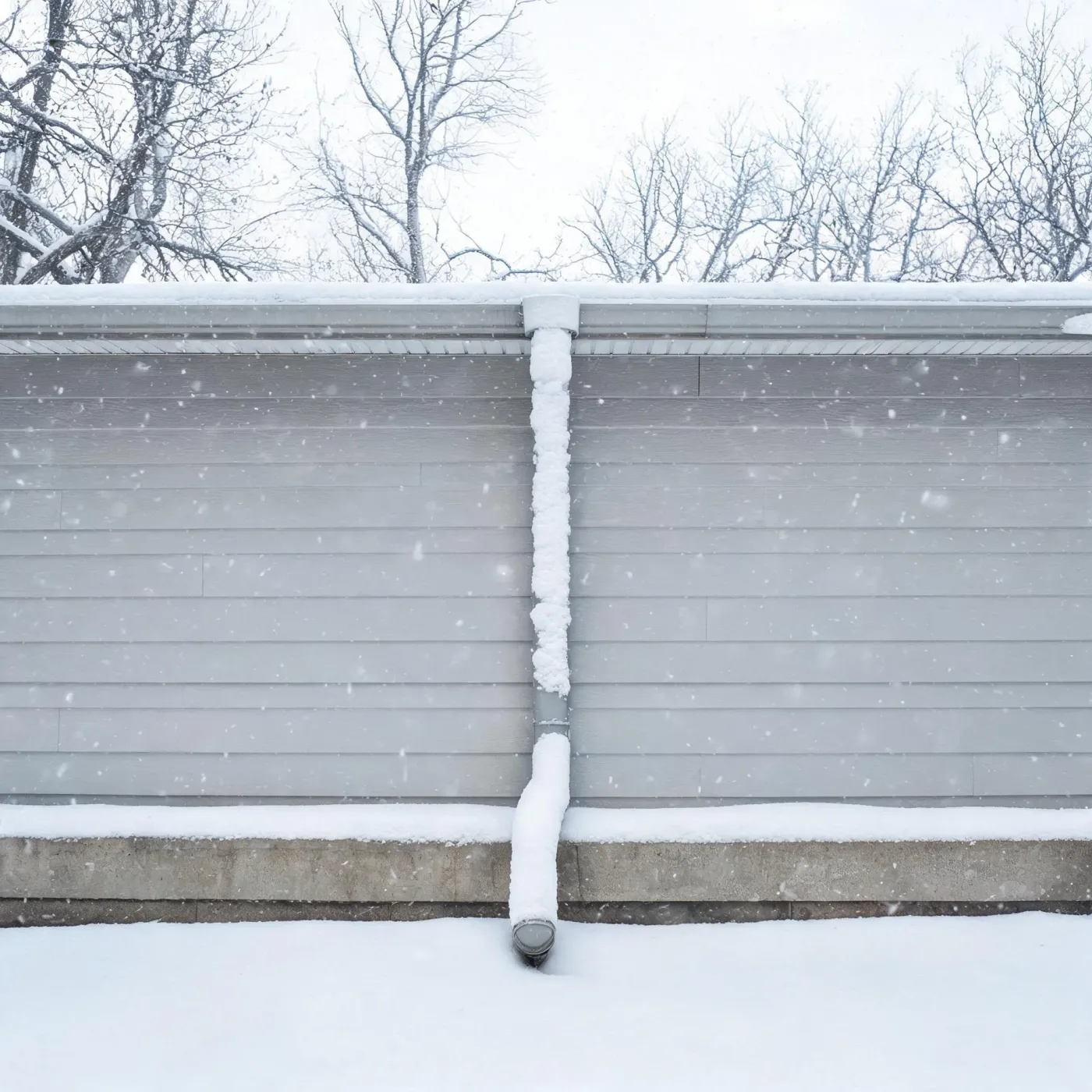
Snow-covered downspout running down the light gray horizontal-lap siding of a house wall to a concrete foundation, with falling snow and bare trees behind the roofline.

28°F is the average overnight low across December, January and February in New York County, according to NOAA climate data. That's the temperature your furnace is working against most winter nights, not just during a cold snap. A furnace that starts blowing cold air at that kind of overnight low won't warm the house back up on its own. You'll notice the thermostat reading climbs slower than usual, or rooms farthest from the furnace staying chilly while the air coming out of the vents feels barely warm, if warm at all. At 28°F, a furnace running on anything less than full function leaves a house that doesn't catch up before morning.

NOAA nClimDiv 1991-2020

A woman in a gray sweatshirt with her hair pinned up sits in a living room looking off to the side, with a pale sectional sofa, cushions, a potted plant, framed wall art and a large window behind her.
A woman with long wavy brown hair in a gray top and dark cardigan stands near a window, looking to the side, with a living room, fireplace and round mirror blurred behind her.
A woman with curly dark hair in a grey long-sleeved top sits on a grey couch with patterned cushions, looking off to the side in a softly lit living room.
A woman in a gray knit sweater with her hair in a bun sits on a couch indoors, smiling and looking off to the side, with a dining area and framed picture blurred in the background.

The furnace doesn't jump straight from off to warm air. The blower kicks on first, and there's always a short stretch where what reaches the vent hasn't passed over a heated exchanger yet. That part is normal. What isn't normal is when that cool air never turns warm. Check the thermostat fan switch first, since ON keeps the blower spinning whether the burners are lit or not. From there, most of the trouble traces back to airflow or ignition. A filter packed with dust can choke the burners enough to trip a limit switch, cutting the flame while the fan runs on. A flame sensor coated in residue will read a weak or absent flame and shut the burners down as a safety step, even with the blower still pushing air. If the igniter or pilot has gone out altogether, the thermostat still calls for heat and the blower still answers, just with nothing to warm the air. A dead gas valve is the one that stops fuel outright, and everything else runs except the heat itself.

Why the Air Turns Cold

  • A gas furnace runs a blower fan on a short delay, so you'll feel cool air for the first thirty to sixty seconds before the heat exchanger warms up.
  • If the thermostat fan setting is switched to ON instead of AUTO, the blower runs constantly and pushes room-temperature air whenever the burners aren't firing.
  • A clogged filter can starve the burners of airflow and trip a limit switch that shuts off the flame while the blower keeps running.
  • A furnace that ignites, runs briefly, then shuts off and blows cold is usually tripping a safety switch, often from a dirty flame sensor.
  • If the pilot light or electronic igniter has gone out, the blower can still turn on from the thermostat call with no flame to heat the air.
  • A failed gas valve stops fuel from reaching the burners entirely, so the system runs through every other step except actually producing heat.
A basement utility area with a gray furnace, sheet-metal ductwork, pipes, plastic-covered walls, a concrete floor, and a black shelving unit holding storage bins.
A furnace running right pulls air in, fires it past a clean heat exchanger, and sends warm air through ductwork that's sound.
A gray metal furnace with louvered vent panels stands on a concrete basement floor beside galvanized ductwork, gas and plastic pipes, and foil-faced insulation along the ceiling and wall.
Rust on the cabinet and age on the burners often go with a furnace that short cycles or quits producing real heat.

What Cold Air Costs Your Household

  • A furnace blowing cold air for more than a minute straight means the heat exchanger isn't warming the air it's pushing through your ducts.
  • At a 28°F overnight low, a furnace stuck blowing cold can drop a Manhattan apartment several degrees before anyone wakes up to it.
  • Gas use doesn't fall when the blower runs without heat, so you can see a higher bill for a furnace that isn't actually warming the place.
  • Kids and older adults at home during the day feel a cold house faster than anyone checking in after work.
  • Rooms farthest from the furnace or at the end of a duct run go coldest first when the heat exchanger isn't firing.
  • Leaving a cold-blowing furnace running overnight is how a small ignition problem turns into a no-heat call the next morning.

A furnace that's blowing cold instead of warm isn't resting. It's still pulling gas, still running the blower, and still doing none of the job you need from it. In a Manhattan apartment, that shows up fast. Rooms at the far end of a duct run or farthest from the unit lose ground first, so a bedroom down the hall can feel noticeably colder than the one next to the furnace closet while the thermostat still reads the same setting. Overnight is when it bites hardest. With lows around 28°F through December, January and February, a system stuck blowing cold can let the apartment slide several degrees before anyone's awake to notice and turn it off. That matters more if there's a kid or an older adult home during the day, since they feel a cold room sooner than someone who's out until evening. The bill doesn't wait either. Gas use doesn't drop just because the heat exchanger stopped firing, so the furnace can cost the same or more while doing less. And a furnace left running overnight with a misfiring ignition tends not to fix itself by morning. What starts as cold air from the vents is often the last stage before the system stops producing heat altogether, which turns a repair you could schedule into a no-heat call on a cold morning.

A beige furnace with two access panels stands against a concrete basement wall, with galvanized sheet-metal ductwork, a white PVC pipe, flexible conduit and insulated ducting around it.
Before you get your furnace repair
A gray furnace with white PVC vent pipes stands beside sheet-metal ductwork in a basement with a smooth concrete floor, exposed wood framing, and plastic sheeting on the walls.
After you get your furnace repair

Describe it once

A licensed pro who repairs furnaces in New York County gets your request.

Asking costs nothing, and the choice to hire stays yours.

What the igniter does

Most gas furnaces now use a hot surface igniter instead of a standing pilot. It's a small ceramic element that glows and lights the burners each time the thermostat calls for heat. When it cracks or weakens, the burners don't light at all, so the blower still runs and pushes air that never got heated. A flame sensor is there for safety. If it's coated with residue, it can't confirm a flame is present, so the furnace shuts the burners down a few seconds in. Either way the result looks the same from the vent: air moving, no heat behind it.

Why the exchanger matters

The heat exchanger is a sealed set of metal passages that keeps combustion gas separate from the air going into your ducts. Burners heat the metal, and the blower pushes house air across it. If the exchanger has cracked or corroded, a furnace won't always lose heat output right away, but a contractor checking a cold-air complaint has to look at it, because a failed exchanger is a safety issue and not one to run until a part is ordered. Checking it is part of why this gets diagnosed in person rather than over the phone.

How long does a furnace problem stay a cold-air problem here?

  • Winter nights average 28°F

    Heat runs here from October through April, about seven months straight. A furnace blowing cold instead of warm isn't a short-term annoyance you can wait out.

  • Heat runs October through April

    Overnight lows average 28°F through December, January and February. A furnace that won't heat leaves you with nothing to fall back on those nights.

  • 48.5% of homes heat with gas

    Gas heats 48.5% of homes in New York County, more than any other fuel. A furnace problem here usually traces back to the burners or the igniter, not the ducts.

NOAA nClimDiv 1991-2020 · ACS 2020-2024

Calling around yourself

You'd be searching for a furnace repair company in Manhattan, calling a few, explaining the cold air problem to each one, then waiting to see who calls back first. Some won't handle your furnace brand. Some won't come until next week. You'd end up comparing quotes from people you've never worked with, trying to guess who actually knows what they're doing from a phone call.


Matched with one contractor

You answer a few questions once, and you're matched with a licensed contractor local to Manhattan who works on furnaces all winter and knows what tends to go wrong with them. One company calls you, not five. They've heard enough about your situation already to show up ready to look at the heat exchanger or igniter, not start from scratch on your doorstep.

A woman with her hair in a bun sits wrapped in a beige knitted blanket on a couch, holding a sleeping child against her chest in a warmly lit room with a lamp and houseplant in the background.
A smiling older woman with gray hair in a loose bun wearing a ribbed beige sweater stands in a dimly lit kitchen beside a window showing darkness outside, with a loaf of crusty bread on a wooden board in the foreground.

A furnace blowing cold air almost always traces back to the igniter, the thermostat fan setting, or a heat exchanger that's stopped doing its job, and which one it is determines what happens next. A local contractor who services furnaces all winter in Manhattan apartments and brownstones has seen this exact complaint many times over and knows which of the three to check first for your furnace's age and type. You'll hear from one licensed contractor, not several, so you're not fielding calls all afternoon or repeating the same explanation to different companies. They'll come knowing the building stock here, the gas lines most of these systems run on, and what tends to fail when overnight lows sit in the 20s for months at a stretch. That's one call instead of several, and one visit instead of a guessing game over the phone.

A wooden sideboard with a paneled door holding a shallow wood bowl and a pale ceramic vase of leafy branches, beside a window with light falling on a wood floor and beige wall.
Corner of a cream upholstered sofa with a linen cushion on a wood floor, beside a beige wall with white baseboard and a window casting sunlight, with a woven rug at the lower left.
Sunlit corner of a room with a framed landscape print on a pale wall, a white-trimmed window with green foliage outside, a potted plant in a woven basket, and a light upholstered armchair with a cushion.
Interior corner with a tall double-hung window showing green trees outside, a wicker basket holding a fringed throw and cushion, a framed botanical print on the beige wall, and sunlight on a wood floor.
Corner of a room with a cream upholstered sofa draped with a rust-colored knit throw, a framed landscape photograph on the wall, a white-trimmed window at left, dark wood flooring and a woven jute rug.

No calling every shop in New York County

Only one pro gets your request, so you hear from one company.

Get a licensed local pro

No fee to send it, and nothing to sign.