Heat pump vs gas heat in Yonkers, NY

Send the form and stop researching installers for the new furnace.

Hand it over

Gas heat still makes more sense than a heat pump for most houses in Yonkers. A furnace burns gas right at the house, so it keeps putting out full heat no matter how cold it gets outside. A heat pump pulls heat from the outside air, and once temperatures drop into the teens and below, which happens plenty through a Yonkers winter, it has to work harder and puts out less heat for the same power drawn. Most homes here already have a gas line in, so a furnace tends to be the simpler swap when the old one needs replacing. A heat pump still has a place here, mainly in homes without existing gas service, or for someone who wants one system that also handles summer cooling. For a straight winter heat source in this area, gas is the steadier choice.

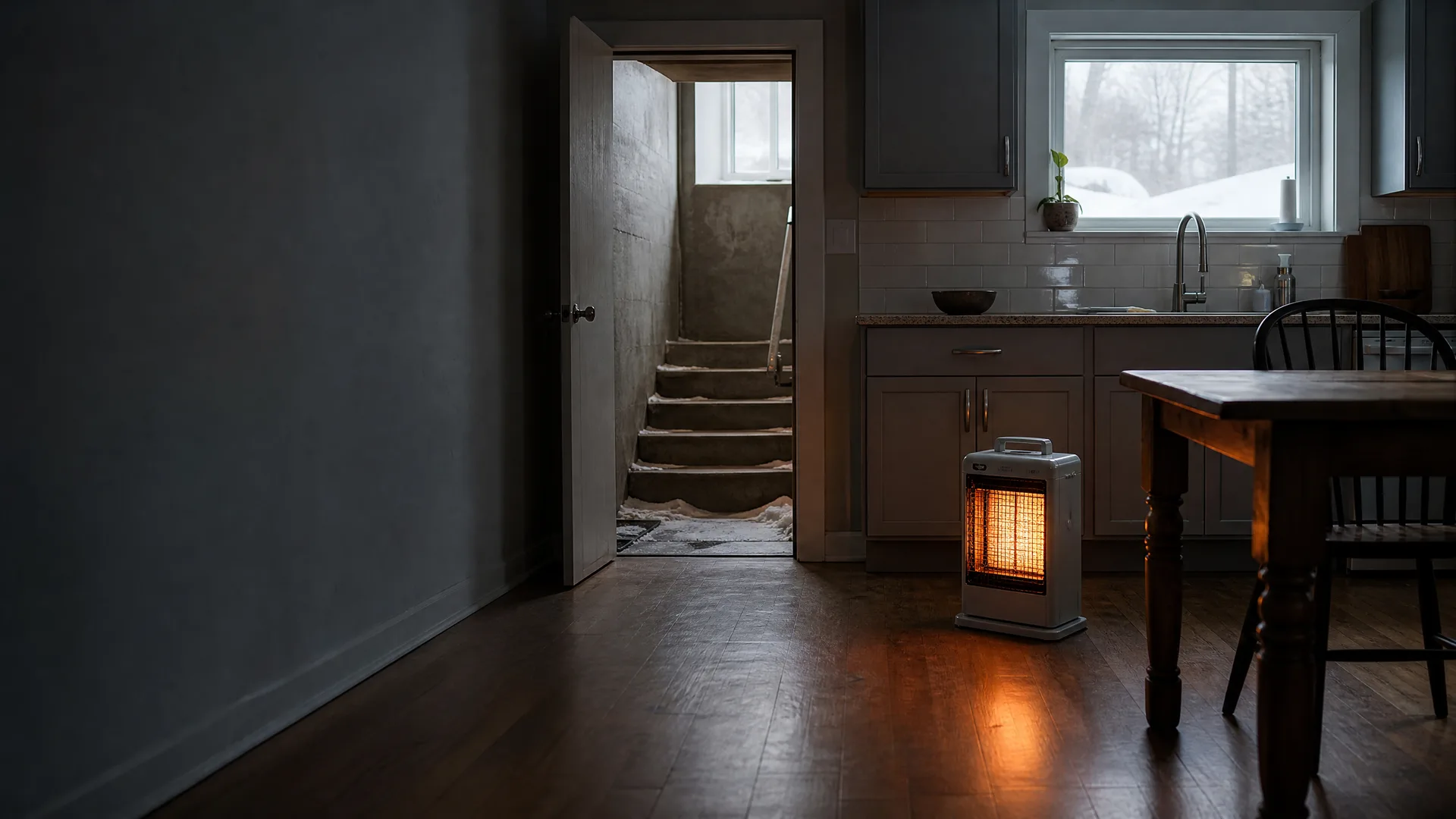
A dim kitchen with dark wood flooring where a small portable heater with glowing orange elements sits beside a wooden table, next to an open door revealing concrete stairs and a window with snow outside.

Six-thirty, and the kitchen is the only warm room in the house. You've got the space heater pulled up close to the table, its coil glowing orange while the kettle warms up. The basement door is open behind it, because that's where the furnace is, and somewhere down there it's not doing its job. Outside it's still dark and in the twenties. You're layered in a sweatshirt waiting on the gas company or whoever you can get on the phone first thing, doing the math on how long the house can coast on one heater before the pipes start to worry you.
How does a heat pump even work compared to my furnace?

You know what your furnace does. It burns gas, and the burners make heat, and that heat moves through the ducts into the rooms. A heat pump doesn't have a flame anywhere in it, so it's fair to wonder what's actually happening inside the thing, and why anyone would trust it to keep a house warm on a January night in Yonkers.

A heat pump moves heat instead of making it

Your furnace makes heat by burning gas. A heat pump has no flame at all. It runs a refrigerant through an outdoor unit and an indoor coil, and that refrigerant pulls heat out of the outside air and carries it inside, the same way an air conditioner works but in reverse. Even air at 30 degrees still has some heat in it, and the system can pull that out and push it through the house. The catch is how much heat is out there to grab. As the outside air drops toward 0, there's less of it to pull, and the unit has to work harder for the same warmth. A furnace doesn't have that problem, because it's making its own heat instead of borrowing someone else's.

A gray high-efficiency furnace in a basement with white PVC vent pipes, sheet-metal ductwork, copper and black piping, a condensate pump, and insulated walls above a concrete floor.

Gas furnace, working as it should

This is what a gas furnace looks like doing its job. The ductwork carries the heat it makes out to every room, and the PVC lines drain off the condensate as it runs. Gas gets your house warm fast, even on the coldest night of the year.

A beige residential furnace stands on a concrete basement floor beside galvanized sheet-metal ductwork, a round flue pipe, copper gas piping, and a PVC condensate line, with a wood-paneled wall at right.

Gas furnace, showing its age

Furnaces like this one have been running on the same gas line and the same flue for years. The panels are worn, the floor around it has some grime on it. It still burns gas for heat. A heat pump would ask that chimney to do nothing at all.

A woman with long light-brown hair in a gray knit sweater sits in a living room looking off to the side, with a sectional sofa, houseplant, lamp, wooden table and large windows behind her.
A woman in a chunky gray turtleneck sweater sits indoors looking off to the side, with a blurred dining table, chairs, pendant lamp and window behind her.
A woman in a cream knit sweater with her hair in a bun stands near a window, looking off to the side, with a gray sofa, houseplant and open kitchen with pendant lights blurred behind her.
A woman with long brown hair in a cream knit sweater stands near a window, looking to the side, with a white sofa, shelving, and a hallway visible behind her.

It's off your list after this

If you're thinking about ripping out a working furnace for a heat pump, or you're just trying to figure out what to do when it finally fails, that's a decision worth getting right before any work starts. A furnace install isn't something to leave to guesswork, and neither is sizing a heat pump for a Westchester County winter. The contractor who gets your request is local, works on both systems all season, and has seen which ones hold up through a Yonkers January and which ones struggle. You send the request once, and it goes to that one contractor, not a handful of companies competing for your number. They'll look at your house, your ductwork, your gas line, and tell you straight what fits. No more guessing at it alone on a cold night with the space heater running. Send the request and let someone who does this every day tell you what your house actually needs.

A gas furnace heats by burning fuel, so it makes full-strength heat at zero degrees the same way it does at forty. Westchester winters put it below freezing for weeks at a stretch, and the furnace doesn't notice the difference.

A heat pump has to pull warmth out of that same cold air, and the colder it gets outside, the less heat it has to work with. That's the gap a furnace never has to close.

Winter nights average 24°F

That's the average overnight low here, not the occasional cold snap. Your furnace spends a good chunk of winter working against 24 degrees or colder, which is well below where a heat pump starts losing ground. Gas keeps the output steady no matter how far the mercury drops.

NOAA nClimDiv 1991-2020

Gas Heat Still Wins Here

  • Gas heat holds up better than a heat pump once Westchester winters settle into the 20s for weeks at a time.
  • A furnace already in the house keeps burning fuel on site, so cold air outside never cuts into its output.
  • A local contractor who services furnaces all winter in this area knows which parts tend to fail first in houses like yours.
  • Sending one request means one contractor calls, not a string of companies competing for the job.
  • Whatever shape the furnace is in now, you've got a clear read on why gas still fits this climate.
  • Getting a straight answer on the equipment is the easy part; having someone local ready to look at it is the rest.

Gas still makes more sense than a heat pump for most houses in Yonkers, and the cold nights are the reason why. A furnace burns fuel right there in the basement, so it never has to fight the outdoor air the way a heat pump does. Once temperatures settle into the 20s for weeks, a heat pump is working hard just to keep up, and your furnace isn't working any harder than it does on a mild night. That difference holds for as long as Westchester winters run, not just on the coldest ones.

None of that means the furnace itself is in good shape. A system that's been running for years develops its own quirks, and the parts that tend to go are usually the same ones a local contractor has seen fail in other houses nearby all winter. Someone who works on furnaces in this area through every cold stretch knows what to check first, because they've already found it in a dozen other basements like yours.

Sending in a request here puts you in touch with one contractor, not a handful competing for the job. No flood of calls, no sorting through strangers. Just someone local who knows this equipment, looking at your furnace with a sense of what usually goes wrong in houses built for gas heat in a climate like this one.

A shingled two-story house with lit windows and stone accents at dusk, with a stone paver walkway and landscape lighting leading past ornamental grasses toward a calm bay under an orange and blue sky.

Furnace Installation

Stop chasing a furnace pro

New system or replacementFurnace or heatingWestchester County, NY
Step 1 of 2

What ZIP code is the job in?

  • A grey upholstered armchair with a textured beige cushion and a chunky knit throw sits beside a window with linen curtains, next to a round wooden side table holding a speckled ceramic mug on a book, with a leafy plant behind.
    • Get matched with someone who does this kind of work in Westchester County.
    • A local pro who knows furnaces gets your details and gets in touch.
  • A chunky beige knit throw draped over a gray upholstered armchair beside a window with linen curtains, a ceramic vase of green leafy branches on a wooden table, and a ceramic mug in the foreground.
    • After you send the request, you're done searching.
    • Send the form and the search for an installer is over.
  • A ceramic table lamp with a cream drum shade and a small spiky succulent in a textured gray pot sit on a dark wooden side table with a drawer and a woven basket on the lower shelf, beside a beige upholstered sofa and a framed landscape picture on a pale wall.
    • Skip the round of in-home estimates for a new furnace.
    • Describe the project once instead of to every installer.
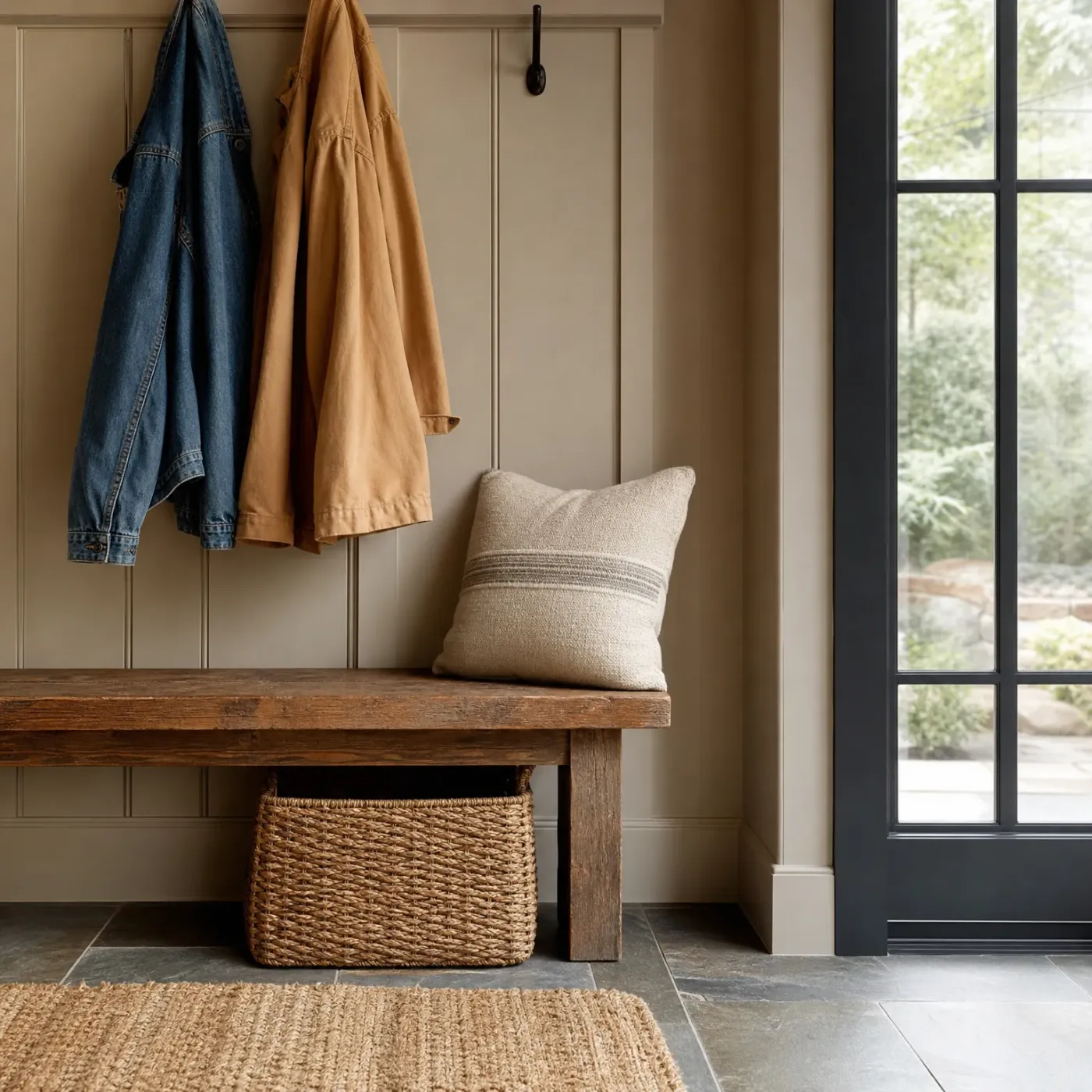
  • A mudroom with a denim jacket and tan jacket on wall hooks above a rustic wooden bench holding a striped cushion, a woven basket underneath, slate tile floor with a jute rug, and a black-framed window at right.
    • The pro who reaches out is licensed in New York.
    • Only one pro gets your request, so you hear from one company.