Furnace won't turn on in Manhattan, NY

RepairFurnace or heatingNew York County, NY
Step 1 of 2

What ZIP code is the job in?

A furnace that won't turn on usually comes down to a thermostat setting, the power supply, or a safety switch stopping it before it starts. Check that the thermostat is set to heat and the temperature is above room temperature, then check the furnace switch and the breaker. Most gas furnaces also won't fire if the igniter has failed, the flame sensor is dirty, or the pilot light is out, and many newer units will not run at all if a condensate line is clogged or a door panel is not latched shut. In Manhattan winters, a furnace that stays off is not a minor inconvenience. Cold settles into a home fast once the heat stops, and a furnace that trips its safety switch once will usually do it again until the actual cause gets fixed. If the basics check out and it still won't start, the problem is inside the unit and needs a technician to find it.

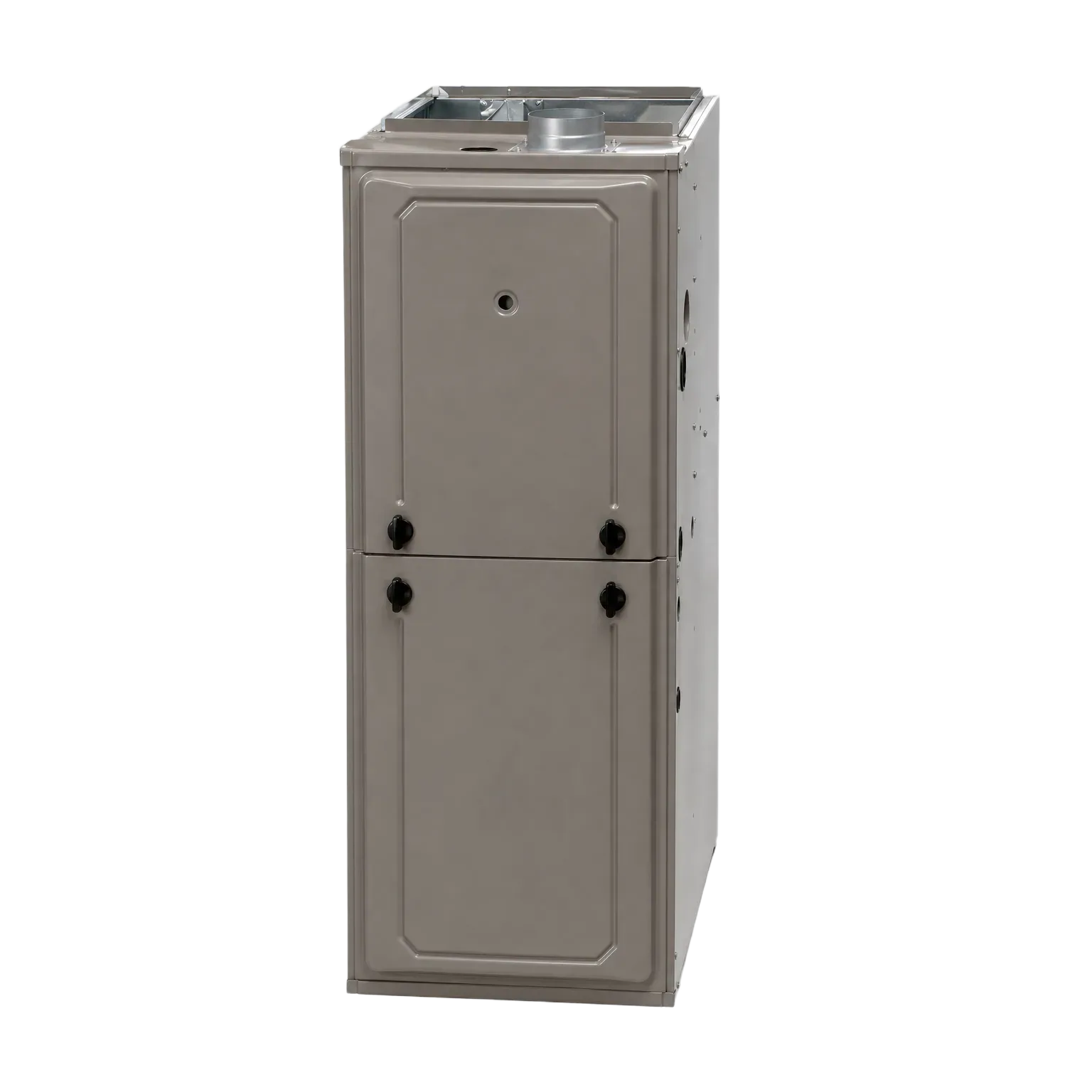
A gray high-efficiency furnace in a basement with sheet-metal ductwork, white PVC vent pipes, metal plumbing lines, a condensate pump on the floor, and a window showing green trees outside.

When it's working right

A furnace like this fires on command and keeps running without you thinking about it. The flue and condensate lines stay clear, the burner lights on the first call, and the blower pushes heat through the ducts evenly. You shouldn't need to look at it from one winter to the next.

An older metal furnace with PVC and metal pipes stands on a concrete basement floor beside galvanized ductwork, with wooden stairs and a water tank in the background.

When something's wrong

A furnace this old can fail quietly at first, a slow start, a smell, a switch that trips and resets. Dust buildup, a cracked line, or a worn part near the gas connections can keep it from lighting at all. Left alone, a small problem here tends to become a no-heat call in January.

Repair the Furnace or Replace It

Call for repair

  • A furnace that won't fire at all after you've checked the thermostat and the switch usually means a part has failed, not a setting.
  • A cracked heat exchanger, a failed igniter, or a blown control board needs a licensed hand and the right replacement part.
  • If the furnace trips its breaker repeatedly or you smell gas, that's a safety issue a contractor needs to look at directly.
  • A furnace that's a few years old and otherwise reliable is usually worth fixing rather than replacing.
  • Diagnosing why a safety switch is stopping ignition takes equipment and experience most homeowners don't have on hand.
  • A repair gets heat back faster than sourcing and installing a new unit, especially in the middle of a cold stretch.

Consider other options

  • If your furnace came with the house and has needed repeated repairs, each visit is a sign the unit is wearing out.
  • A furnace that's old enough to no longer have manufacturer support can leave you waiting on parts that are hard to find.
  • Repeated failures in the same winter usually cost more over time than one larger decision would.
  • If the heat exchanger is cracked, some contractors will recommend replacement over repair because of the safety risk.
  • A new furnace installed now means you're not troubleshooting the same unit again next winter.
  • If your gas or electric bills have been climbing while the furnace struggles to keep up, an older unit running inefficiently may be why.
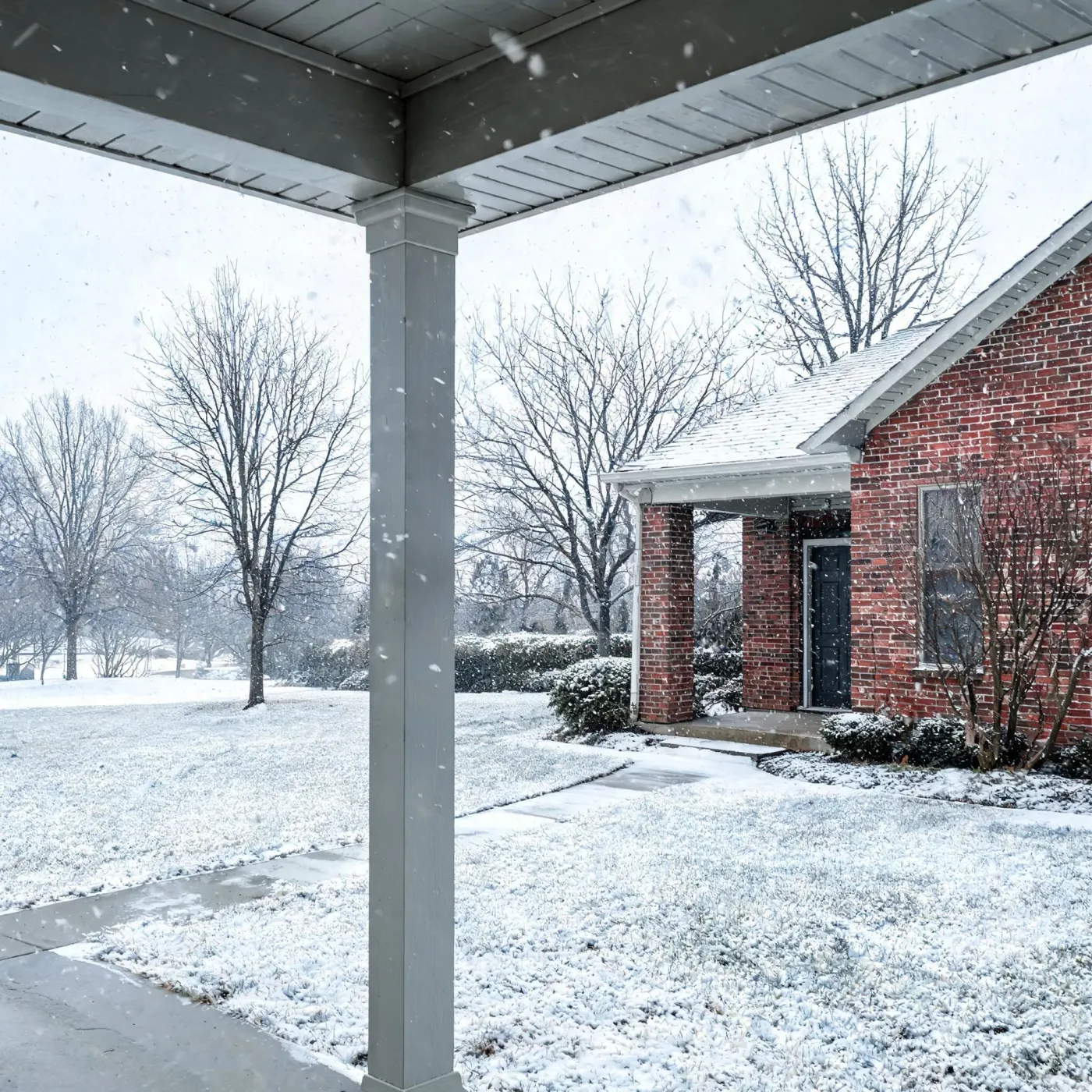
View from beneath a covered porch with a square white column toward a red brick house with a gabled entry, bare trees and shrubs, and snow falling on a snow-covered lawn and walkway.

Winter nights in New York County average 28°F, according to NOAA climate records. At that temperature a furnace is running for long stretches to keep a home even close to comfortable, often cycling on well before dawn and staying on through the coldest hours. If yours won't fire up on a night like that, the cold moves in fast, and a stuck pilot or dead igniter isn't something to leave until morning. Once you've ruled out the thermostat and the switch, getting a licensed contractor out quickly matters more here than in a milder spot. Submitting your information means you skip the search and the round of calls, and a contractor who covers Manhattan and the area around it reaches out to you directly.

NOAA nClimDiv 1991-2020

The right pro for this job

Explain the furnace problem once instead of to every shop in New York County.

There's no charge for the request.

A furnace that won't start can sit dead for hours before anyone notices, especially overnight when nobody's checking the thermostat.

By the time you're reading this, the house has likely already dropped a few degrees, and at 28°F outside it won't take long to feel it.

A woman with long blonde hair in a light blue shirt leans back on a beige sofa with her eyes closed, in a softly lit living room with cushions and a blurred plant and shelf in the background.
A woman with long dark hair in a gray knit sweater sits on a gray sofa with a cushion, looking toward a window in a living room with framed pictures and a lamp in the background.
A woman with long dark hair in a light grey knit sweater sits on a sofa indoors, looking to her right, with a framed landscape picture, a potted plant and a curtained window behind her.
A woman with long dark hair leans back against a gray sofa with her eyes closed, in a living room with a curtained window, a potted plant, and a dark screen in the background.

Where This Leaves You

  • A furnace that won't turn on is almost always the thermostat, the power, or a safety switch, not a part you'd replace yourself.
  • Checking the switch, the breaker, and the thermostat settings first rules out the cheapest fixes before anything else.
  • If those checks don't bring it back, something inside has failed and needs a licensed hand to open the furnace up safely.
  • Cold nights in New York County near 28°F mean a furnace sitting dark for hours gets noticed fast.
  • Sorting out which of these it is doesn't require guessing once you know the order to check them in.
  • Getting matched with a contractor means you skip calling around and explaining the same problem more than once.

A furnace that won't turn on is a short list of possibilities, not a mystery. Start with what you can see: the thermostat setting, the switch on or near the unit, the breaker in the panel. Most of the time one of those is the answer, and it costs you nothing but a few minutes to find out. If the furnace still won't fire after all three check out, the cause has moved past anything you can reset or flip. That's a part that's failed inside the cabinet, something like a control board or an igniter, and it stays off until someone licensed opens it up and tests it properly. There's no shame in not knowing which one it is from the outside. That's the point of checking in order rather than guessing. New York County winters don't leave much room for a furnace to sit idle. Nights near 28°F mean a house loses heat fast once the system stops cycling, and that's not something to sit on overnight hoping it sorts itself out. Once you've ruled out the simple causes, the next step is getting someone qualified to look at what's left. Getting matched with a contractor means you describe the problem once, to someone who can actually act on it, instead of working the phone yourself and repeating the same details to every number you call.
A smiling older woman with gray shoulder-length hair in a cream cable-knit turtleneck sweater stands behind a wooden board holding a round loaf of bread, in a warmly lit kitchen with a dark window and shelves behind her.
A woman with dark hair in a bun sits wrapped in a chunky knit blanket on a couch with a child resting his head on her shoulder, eyes closed, beside a lit lamp and bookshelf indoors.

Matched to your furnace job

A furnace that stays dead after you've checked the thermostat and the switch needs a licensed hand, not more guessing in the cold. Getting matched here skips the calling around, the repeating the same story to three different companies, and the back and forth comparing quotes while the house keeps dropping toward 28°F outside. A contractor who covers New York County reaches out to you directly, looks at what's actually failed, and tells you what it takes to get the burner firing again.

Start one form

Skip calling shops to ask who repairs furnaces in New York County.

You only hire the pro if you want to.