
Heat pump vs gas heat in Buffalo, NY
Is a heat pump or gas furnace better for heating in Buffalo?
Winters in Buffalo run long and cold, and anyone replacing a furnace now hears heat pumps pitched as the modern choice. But once the temperature drops into the teens and below, the two don't perform the same way, and that matters for a place that sees weather like this for months at a time.
Gas furnace, for the coldest stretch of the year
A furnace burns gas to make heat, so it puts out the same warmth whether it's 30 degrees outside or 0. A heat pump pulls heat from the outside air, and as that air gets colder there's less heat in it to pull. Below freezing it has to work harder for less output, and on Erie County's coldest nights, the kind that settle in for days once the lake effect gets going, that difference shows up as a house that struggles to hold its temperature. Most homes here already heat with gas, and for a reason: it holds up through the whole winter, not just the mild stretches of it.


How Each System Makes Heat
- A gas furnace burns fuel to heat a coil, then a blower pushes that heated air through your ducts.
- A heat pump moves heat from the outside air into your home instead of burning anything to make it.
- Below a certain outdoor temperature, a heat pump has less and less heat to pull from the air, so it loses capacity.
- An ignitor or hot surface element lights the gas, and a flame sensor confirms it before the blower kicks on.
- A heat pump run in a Buffalo winter typically needs a backup heat source for the coldest stretches.
- Furnace output is rated in BTUs, and that number doesn't drop as the temperature outside falls.
A gas furnace works by combustion. Gas flows to the burner, an ignitor or hot surface element lights it, and a flame sensor checks that it caught before the blower turns on. That blower pushes air across a heat exchanger and out through your ducts. The gas burns at the same rate no matter the temperature outside, so a furnace rated at a certain BTU output puts out that same amount of heat on a 30 degree day and on a night well below zero.
A heat pump does something different. It doesn't burn anything. It runs a refrigerant cycle that pulls heat out of the outside air, even cold air, and moves it inside, the same way an air conditioner moves heat the other direction in summer. That works well down to a point. As the outdoor temperature drops, there's less heat in the air to collect, and the unit has to work harder for less return. Somewhere in the teens or below, most heat pumps can't pull enough heat to keep up with a Buffalo house on their own.
That's why a heat pump installed here almost always comes with a backup, usually electric resistance heat or a furnace, to carry the load once the outdoor temperature falls below where the heat pump can keep up by itself.


Why does my furnace run so long on the cold nights?
If your furnace is cycling on for longer stretches than it used to, or the air coming out of the vents feels cooler than it should, that's worth paying attention to once Buffalo gets into its real cold. A furnace that's losing efficiency has to run longer to hold the house at temperature, and you'll see that in a higher gas bill before you see it anywhere else. Some houses also have rooms that never quite catch up, usually the ones farthest from the furnace or with the longest duct runs. If a furnace is struggling to keep up on a night in the teens, it's not going to do better at 5 below. Left alone through a full winter, that strain is what leads to a breakdown on the coldest night of the year, when you need the heat most.



Send one request and you're done looking
Answer a few questions instead of calling shop after shop.
After you send the request, you're done searching.
Sending the form costs nothing.
Why does almost everyone around here still heat with gas?
Winter nights average 19°F
Winter nights here average 19°F, cold enough that a heat pump has to work much harder to keep up, while a gas furnace puts out the same heat regardless.
Heat runs October through May
Heat runs October through May here, eight months of the year leaning on whatever system you pick, so how it performs in January matters more than what it costs to run in April.
86.8% of homes heat with gas
86.8% of homes in Erie County heat with gas, which is less a trend than a sign of what holds up through a Buffalo winter.
NOAA nClimDiv 1991-2020 · ACS 2020-2024

What a cold-climate heat pump still needs
Newer heat pumps are rated to keep producing heat well below freezing, some down to 5 below or lower. But their output drops as the temperature falls, so the colder it gets, the less heat they're putting out right when you need it most. That's why most installers here pair one with a gas furnace or electric backup rather than relying on it alone through January.

What the gas side is doing
A furnace burns gas at a fixed rate to heat the air passing over its coil, so the heat coming out of your vents stays the same whether it's 20 degrees or 20 below outside. The furnace doesn't have to work harder to make that happen. It just runs longer or shorter depending on how much heat the house is losing that night.

What this means for your house this winter
If your furnace is original to the house or getting up there in years, a hard cold snap will find its weak points first. A cracked heat exchanger, a failing igniter, or a blower that can't move enough air all show up the same way: rooms that won't come up to temperature while the thermostat says otherwise. That's a bad night to be without heat in Buffalo, and it's not a job to leave until the furnace actually quits.
Deciding between a new gas furnace and a heat pump means pulling in someone who can look at your ductwork, your gas line, and your panel before you spend anything. That's normally a handful of phone calls, explaining the same thing to each contractor, then waiting on quotes to compare line by line. Send this form once and that legwork is off your plate. You'll hear from someone who installs both systems and can tell you which one actually fits your house.

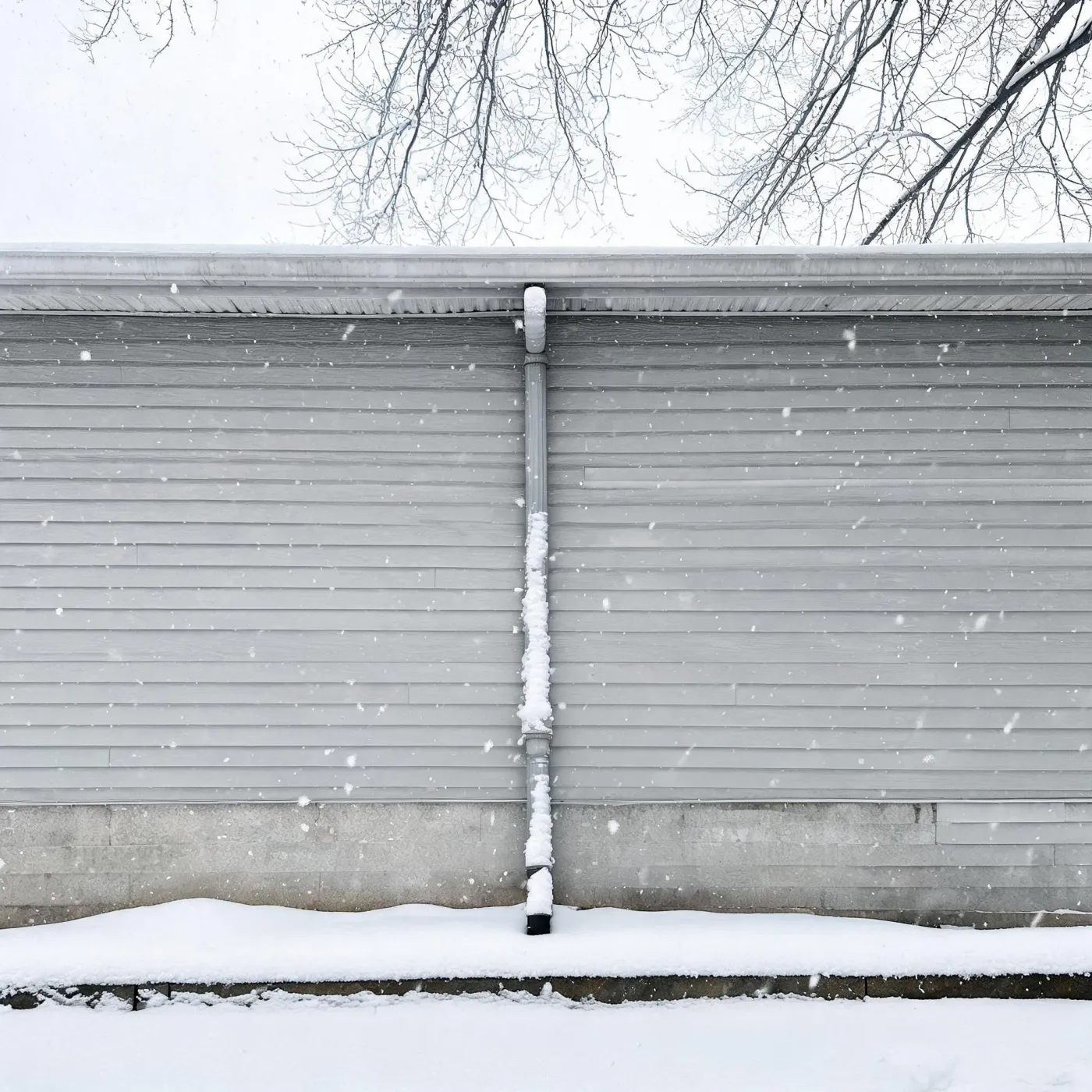
Overnight lows average 19°F across December, January and February here, according to NOAA climate data for Erie County. That's the stretch where your furnace works hardest, running longer cycles to hold the house at temperature while the cold keeps pulling heat back out through the walls and windows. If the air from your vents feels lukewarm instead of hot on those nights, or the furnace seems to run nearly nonstop, that's the cold doing it. A furnace in good shape should still put out full heat no matter how low it gets outside.
NOAA nClimDiv 1991-2020
A gas furnace is the better fit for heating a home in Buffalo, and a heat pump paired with one as backup is the only version of that technology that makes sense here once the cold sets in. That's what the numbers and the way these systems work both point to. The question now is whether the furnace you have is still up to the job, or whether a hard winter is going to find its weak spots. If you're replacing it, or deciding whether this is the year, the next step is getting someone qualified to look at your house and your ducts and tell you what it actually needs. That beats spending an evening searching contractor names, calling around to see who picks up, explaining the same problem to three different people, and trying to compare quotes that aren't quite answering the same question. Send the details once, and the search for who does this work right in your area isn't yours to carry anymore.
Finding a pro stops being your job
You're not committing to anything by asking.
A failed furnace in January doesn't wait for a convenient week. Send the request and skip the part where you're the one calling around Erie County for someone licensed and available, explaining the same problem over and over, and weighing quotes against each other on your own.