Lighting on the first try
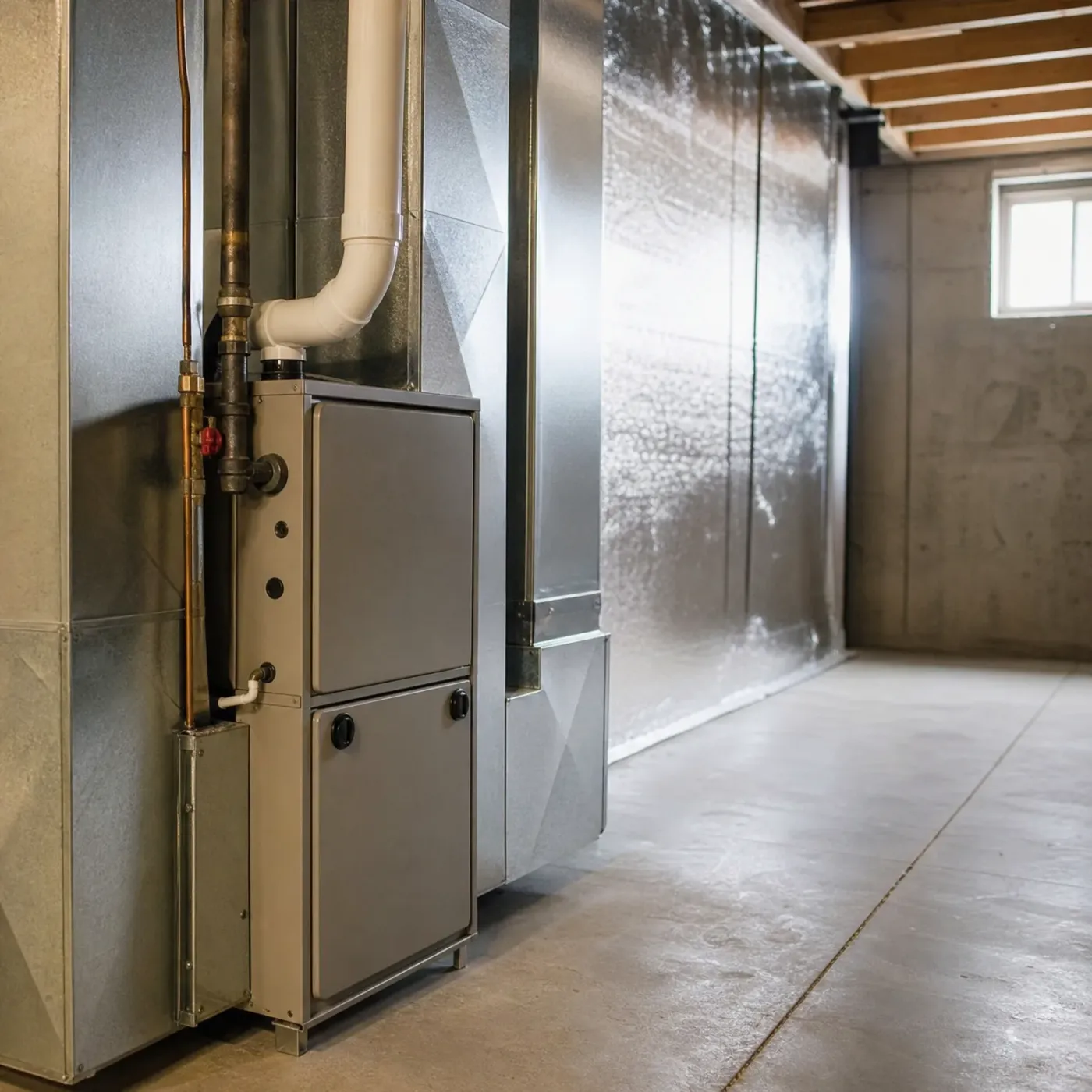
The igniter glows, the flame sensor confirms it, and the gas valve opens without a hitch. The PVC venting and sealed combustion chamber are doing what they're built to do. Nothing here is fighting to start.

A gas furnace that won't light usually comes down to the igniter, the flame sensor, or the gas valve. Most furnaces built in the last couple decades use a hot surface igniter instead of a standing pilot, and that part wears out with use. It glows to start the flame, and once it cracks or weakens, the furnace won't catch at all. A dirty flame sensor causes a similar problem: the furnace lights for a second, then shuts off, because the sensor can't confirm a flame is there. Sometimes the fix is simpler, a closed gas valve or a thermostat set wrong. With Buffalo winters running long and cold, a furnace that won't light is not something to wait out. A furnace this far gone needs a qualified look before the cold settles back in, since guessing at which part failed usually means paying twice.




A furnace doesn't just light. It checks itself at every step before it lets gas near a flame. First the inducer motor spins up to clear the exhaust, and a pressure switch has to confirm that airflow before anything else happens. Only then does the control board send power to the igniter. That igniter glows for a short stretch, then the gas valve opens and the flame sensor gets a brief window to prove a flame caught. If it doesn't, the board shuts the valve and tries again. It won't keep trying forever. After a few failed rounds, the furnace locks itself out as a safety measure, and it stays that way until the power is cycled or the thermostat gets reset. So a furnace that won't light isn't necessarily broken in one spot. It could be stuck anywhere in that chain, and the lockout itself is often just the furnace doing exactly what it's built to do.


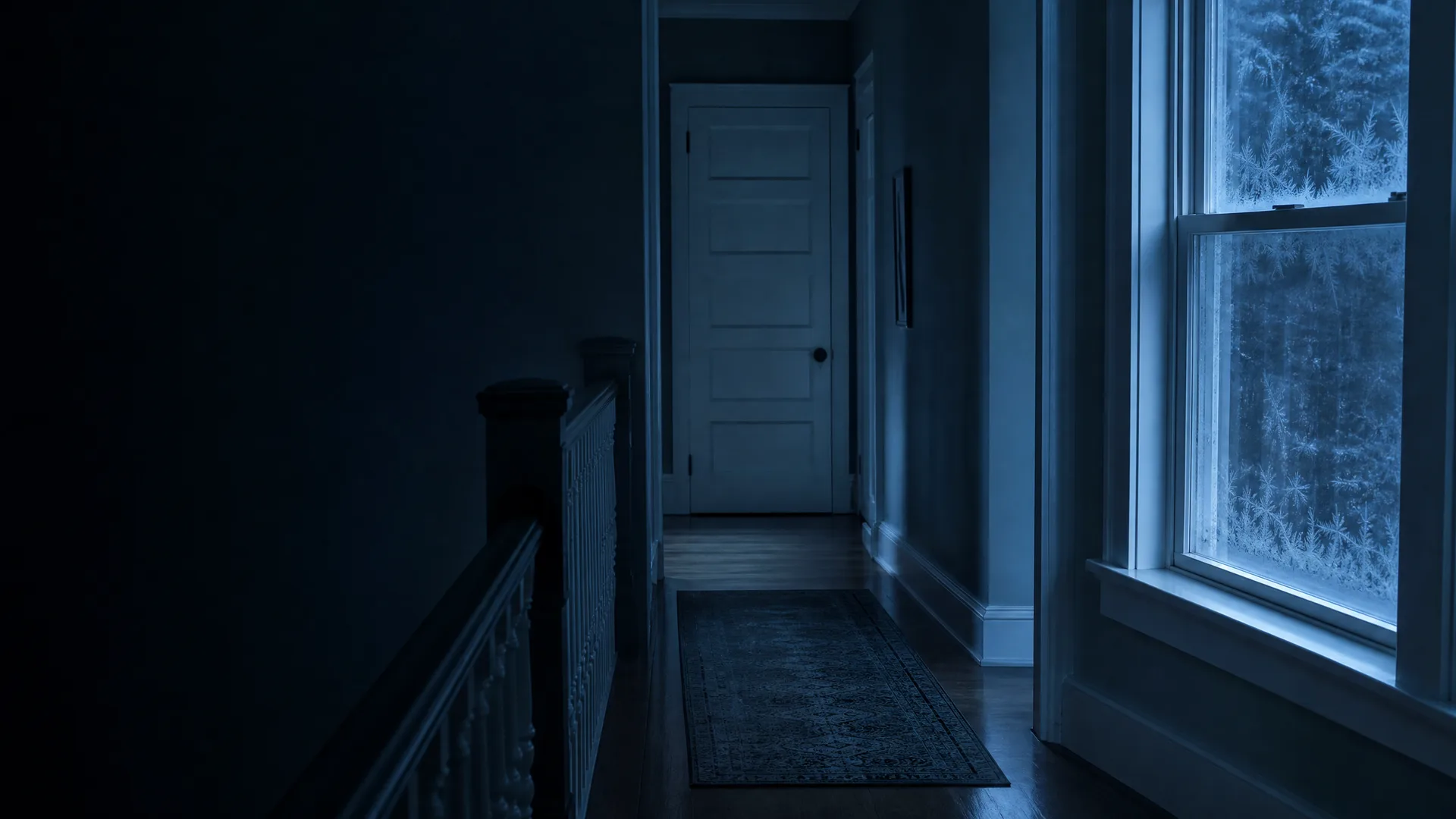
You wake up without knowing why, and the house feels wrong before you've even placed it. Two in the morning, and the hallway outside your bedroom is silent where it should be humming. No air moving at the vents. You walk over in your socks and the floor near the register is cold. Frost has crept up the corners of the hallway window, the kind of thick January frost that only shows up when it's single digits outside and the furnace has been off for a while. Erie County winters don't give you much room for this. You stand there a second, listening for the burner to kick in, and it doesn't.
The thermostat says it's calling for heat but nothing's happening. Maybe you hear the furnace click, try to start, and go quiet again, over and over. Maybe you hear nothing at all, just the usual house sounds. Check the vents and there's no air coming through, warm or cold. Put your hand near the floor registers and feel nothing. If this has been going on a while, you'll notice the house holding its temperature from yesterday but slowly losing ground, room by room, especially if it's single digits outside. A furnace that won't light doesn't warm up on its own, and in an Erie County winter that gap closes fast once the sun goes down.
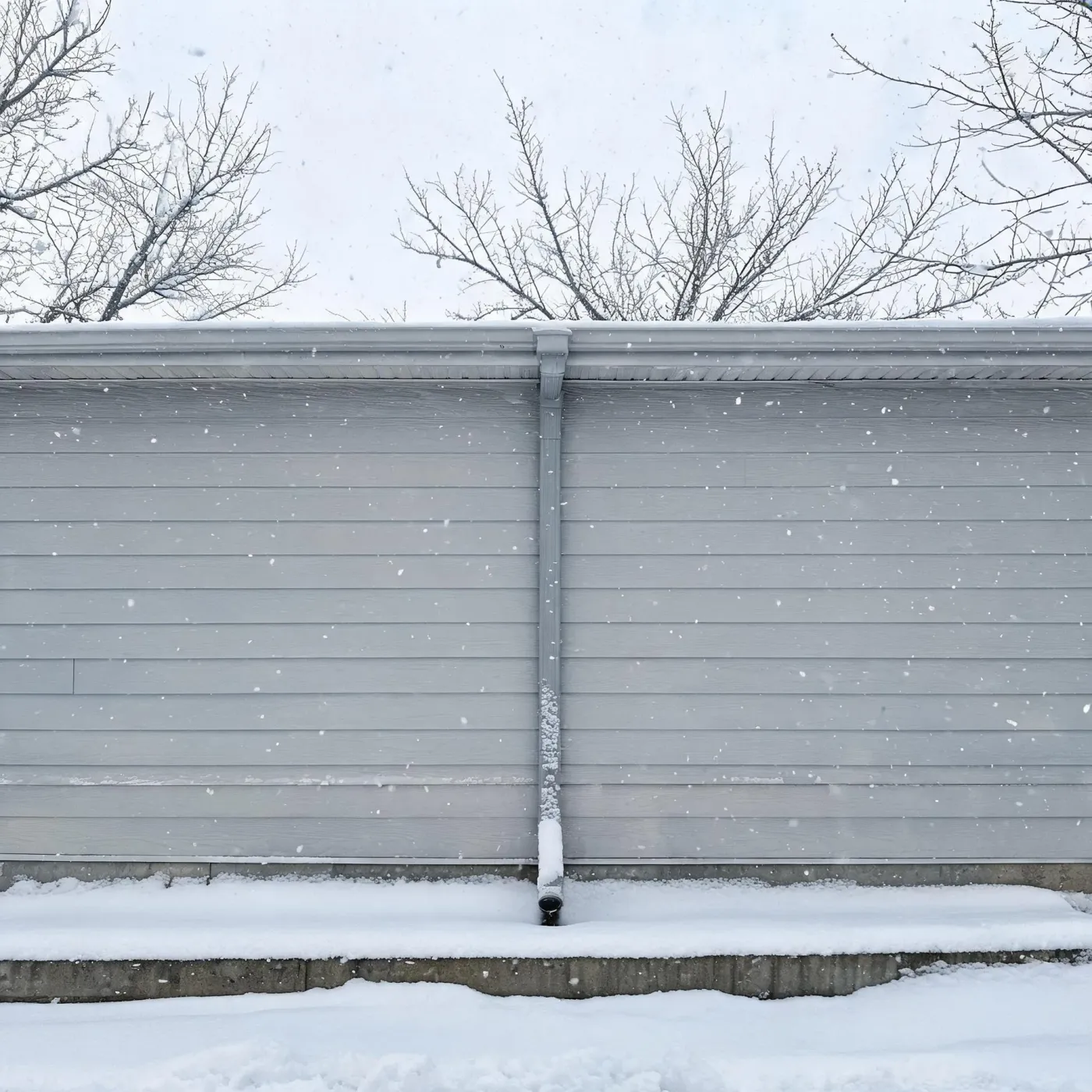
Overnight lows in Erie County average 19°F across December, January and February, according to NOAA climate data. That's the stretch when your furnace is running most through the night, cycling on again and again to keep up as heat leaks out through the walls and windows. A furnace that's going to fail to light usually shows it here first, in the early morning hours when it's worked hardest and longest since the last time anyone checked on it. If the igniter or flame sensor is already weak, this is the cold that finds it.
NOAA nClimDiv 1991-2020


A furnace that won't light doesn't wait for a convenient hour, and in Erie County a night or two without heat matters when lows average 19°F through the worst of winter. Right now you're probably weighing whether to search around, call two or three companies, and explain the same no-heat problem to each one before you even get a quote to compare. Handing the request off here skips that. It goes to one licensed contractor local to Erie County, someone who works on furnaces all winter and has likely seen this exact failure, igniter or flame sensor, a dozen times this season alone. No list of companies calling you back at once, no retelling the story over and over. Just the one call, from someone who already has a good idea what's wrong before they open the cabinet. Your house is cold now. That part doesn't need to stay complicated too.
The board won't open the gas valve on a hunch. It checks voltage first, confirms the igniter is drawing current and actually heating, and only then lets gas through for a few seconds. In that short window, a flame has to form at the burner and the flame sensor has to pick it up. If the board doesn't see that signal in time, it closes the valve again rather than let gas flow with nothing burning it off. That's not a malfunction. That's the board doing exactly what it's built to do when something upstream isn't right.
Try that sequence three or four times and most boards give up, locking out until you reset the thermostat or flip the breaker. The lockout is a symptom, not the cause. Somewhere in that chain, something didn't confirm. Two parts fail this way more than anything else. A hot surface igniter is fragile, and a hairline crack in the element will keep it from drawing the current the board is checking for. A flame sensor can look fine and still be coated with a thin film built up over a season of burns, enough to keep it from sensing a flame that's actually there.
Neither part announces itself. You just hear the furnace try, go quiet, try again, and eventually stop trying at all. A tech who's opened enough of these cabinets this winter can usually tell from the pattern of clicks and pauses which part in the sequence is the one that's not confirming.
Winter nights average 19°F
Nights this cold don't give a furnace much room for error. At 19°F outside, a house loses heat fast once the burners stop firing.
Heat runs October through May
Eight months of heating means an igniter or flame sensor gets far more start cycles than it would somewhere milder, so parts wear sooner.
86.8% of homes heat with gas
With close to 87 out of 100 homes here burning gas for heat, a furnace that won't light is the most common reason a house goes cold.
NOAA nClimDiv 1991-2020 · ACS 2020-2024

The igniter glows, the flame sensor confirms it, and the gas valve opens without a hitch. The PVC venting and sealed combustion chamber are doing what they're built to do. Nothing here is fighting to start.

The round flue pipe and dusty floor point to an older unit that's been cycling for years longer. An igniter this worn may glow weak or crack, and a fouled flame sensor can't always confirm the flame is there. The furnace tries, and goes quiet.

An igniter that's worn out, a flame sensor that's fouled, or a gas valve that won't open. That's what stops a furnace from lighting almost every time, and a licensed tech can usually tell you which one it is before the cabinet's even off.
Instead of searching through contractors, calling a few, and explaining the same no-heat problem twice, you get matched with one licensed tech local to Erie County who works on furnaces like yours all winter. No flood of calls to sort through, no repeating yourself. Just someone who knows what usually fails and can get your heat back on.

The pro who gets in touch is licensed in New York and works in Erie County.
No charge to send it. You decide if you hire them.