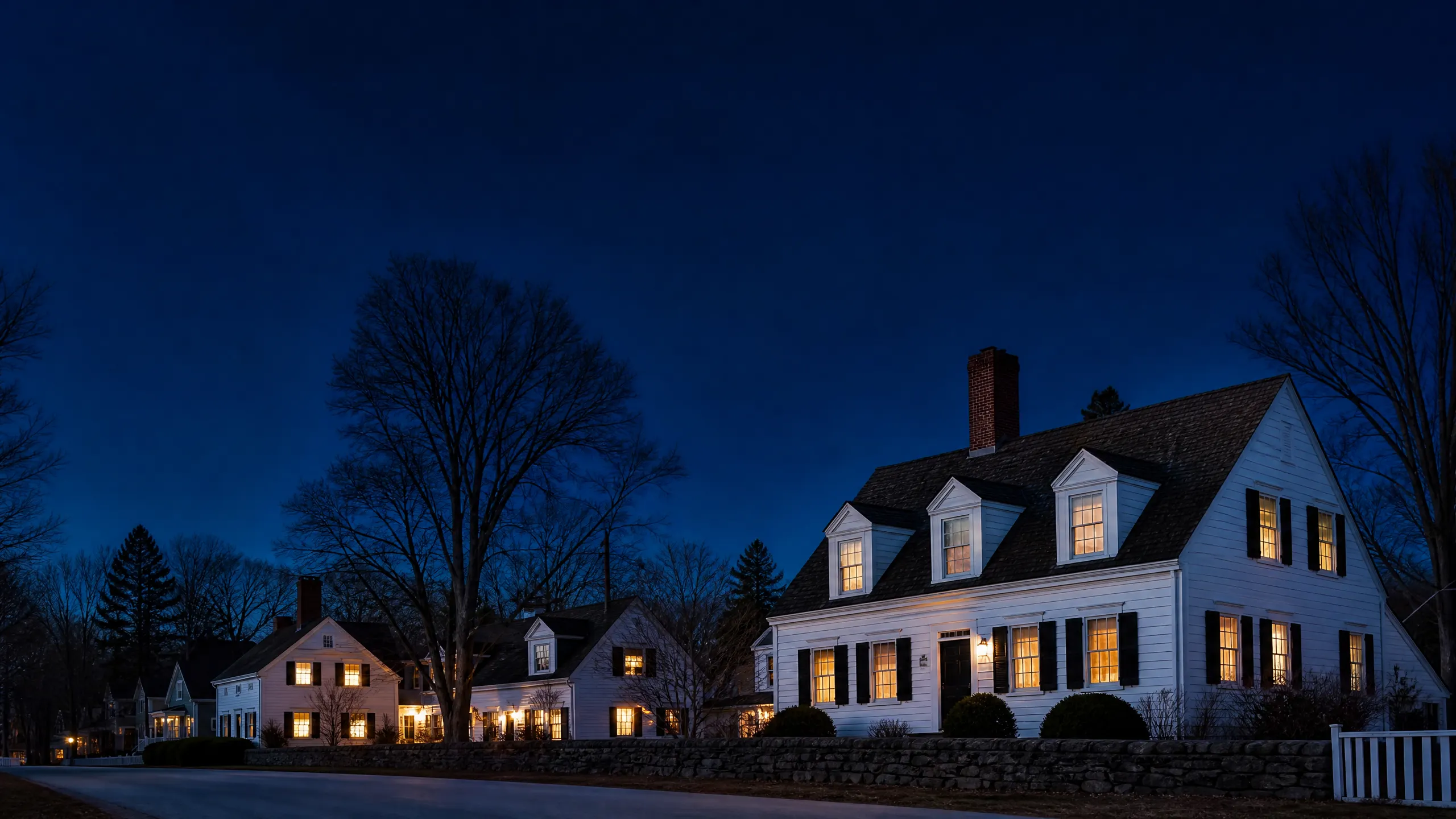
A row of illuminated white colonial houses photographed at twilight along a tree-lined road with a stone wall in the foreground.

Furnace Repair in Yonkers, NY

Tell us about the job

Takes about a minute. No obligation.

RepairFurnace or heatingWestchester County, NY
Step 1 of 2

What ZIP code is the job in?

Eight months of real work

A furnace in Yonkers runs from October through May. Overnight lows average 24°F through December, January and February. That is a long, steady load on the same igniter, blower motor and heat exchanger. Most failures here come from ordinary wear. Nothing about this weather is unusual enough to blame.


Find the part that quit

A furnace that won't fire, short cycles, or blows cold air has a real cause. It might be a failed igniter. It might be a dirty flame sensor, a clogged filter, or a blower motor on its way out. A contractor who checks these in order finds the one that failed, instead of replacing parts that still work.

8 months
October through May, your furnace is on duty
24°F
the average winter night it heats against
52%
of homes here heat with gas, so most furnaces here burn gas
42 winter storms
in ten years, the nights a failure hurts most
Isometric line illustration of a cutaway building interior showing a furnace unit with a flue pipe and ductwork running along the ceiling, plus adjacent rooms with simplified furniture.
Your furnace works hardest from November through March.

NOAA nClimDiv, 1991–2020 normals

An igniter cracks a little more every time it heats up and cools down.

After enough cycles it stops lighting the burners at all, and that's the most common reason a furnace won't fire.

Yonkers winters are long, not extreme. The usual parts fail for the usual reasons.

Heat runs October through May
Winter nights average 24°F
42 winter storms from 2015 to 2024

Half the homes in Westchester County went up in 1959 or earlier. If your furnace is original to the house, or close to it, it's running on borrowed time no matter how well it's been kept up. An old heat exchanger can crack. An old blower motor can seize. A repair on a unit that old is only worth doing if there's enough life left in the rest of it to make the repair pay off. Before you sign off on a big fix, it's worth asking the contractor how old the furnace actually is and what else on it is close to done.

A furnace problem here, fixed once

Westchester County gets its share of storms and winter weather. None of it runs a furnace any harder than normal. A furnace acting up in Yonkers is almost always the ordinary stuff. A failed igniter. A dirty flame sensor. A motor on its way out. A contractor who checks the right things in order can find which one it is and fix that, instead of guessing.

Find a contractor
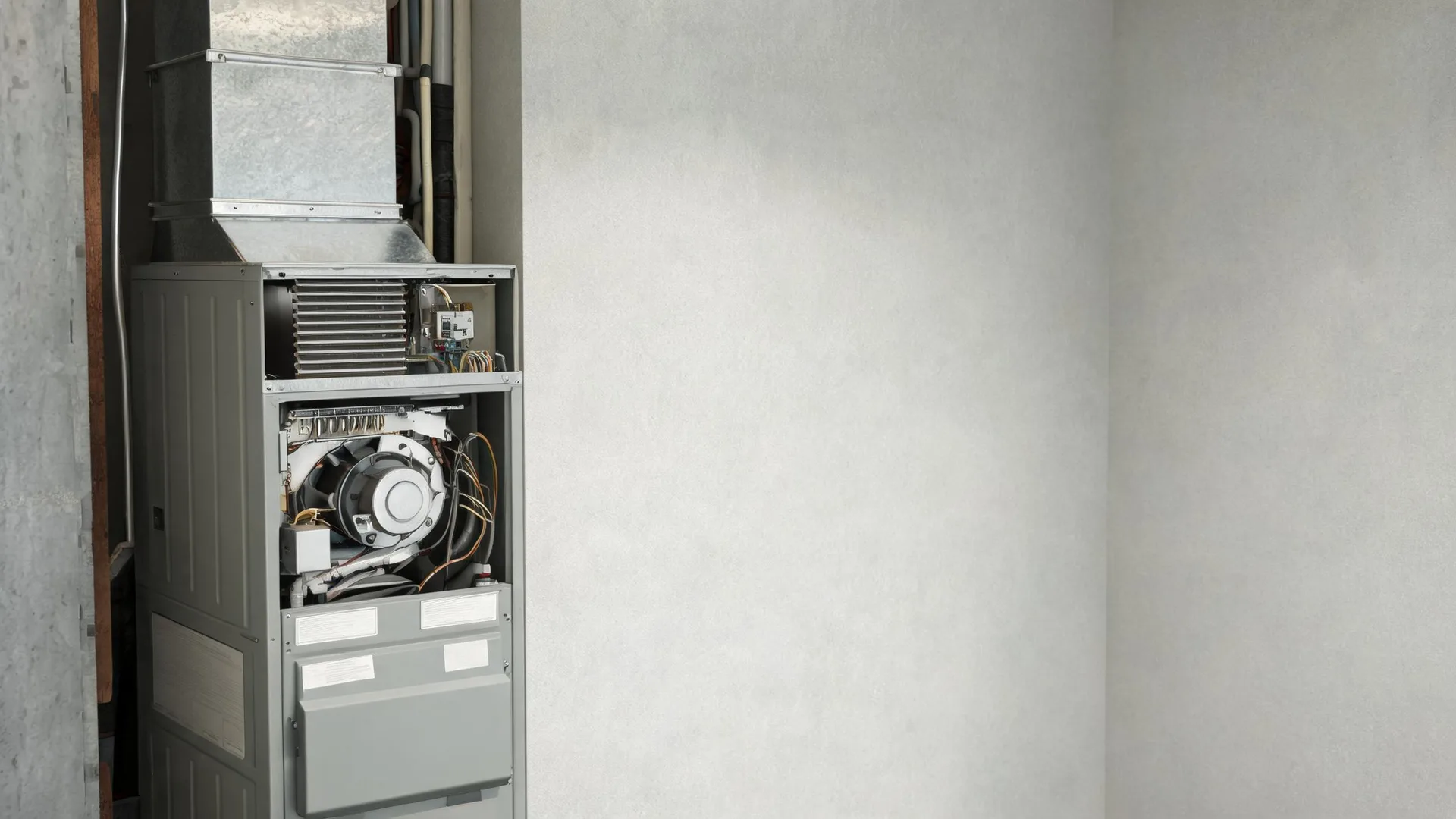
A gray residential gas furnace installed in an unfinished basement, connected to sheet-metal ductwork and PVC pipes.

What age does to the decision

If the furnace is old enough to be original to the house, ask the contractor two things before agreeing to a repair. How many years do they expect to get out of the parts that are still good. And whether what's failing now is likely to be the first of several. That answer matters more than what today's repair involves.

What you'll actually notice

A failing furnace doesn't usually just stop outright. It cycles on and off faster than it should. It runs but the air coming out never feels warm. There's a popping or rattling sound at startup that wasn't there before. Sometimes it struggles to light and tries again before catching. Any of these is worth a call before the day it quits for good.

Why these signs matter

A furnace that short cycles is putting a blower motor through starts and stops it wasn't built to handle that often. One that struggles to light is stressing an igniter that's already close to failing. These problems don't go away on their own. The part acting up now is usually the one that fails outright later, and catching it early is what turns a repair into a quick one instead of an emergency one.

A gray forced-air furnace with metal ductwork stands in an unfinished basement with exposed wooden joists, concrete walls, and a single hanging light bulb.

A new furnace would cut about $140 a year off heating for a typical Westchester County home.

  • A new high-efficiency furnace$580 a year
  • An older furnace$720 a year

Estimates for a typical Westchester County home, compared with an older unit built to the previous federal minimum, from EIA household energy data, New York fuel prices and NOAA climate normals. Your home will differ.

Repair makes sense when one part has failed and the heat exchanger is sound.

Replacement makes sense when the heat exchanger is cracked or the furnace keeps needing parts.

A repair is worth doing when the part that failed is the only thing wrong. A new igniter or a new blower motor can outlast the rest of the furnace by years if the heat exchanger is sound and the rest of the unit was taken care of. The decision gets harder when the failure is a symptom of the furnace just being old. A cracked heat exchanger is not worth patching around, because it affects how safely the furnace runs, not just whether it runs. If a contractor finds corrosion inside the cabinet, or the blower motor straining to start, that is usually a sign the next failure is already on its way. Ask what else is close to done before you pay to fix what just broke.