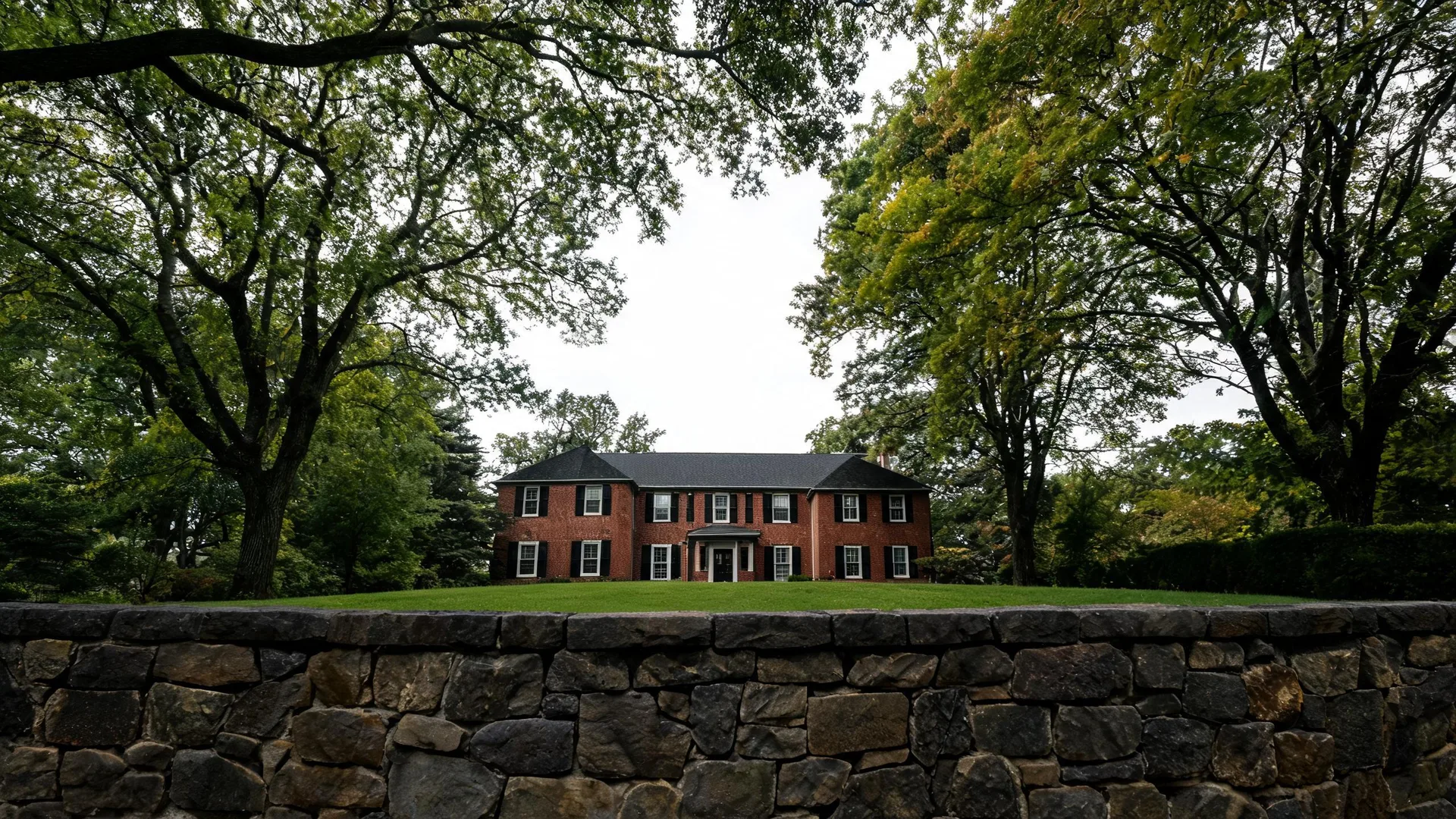




A two-story red brick house with a dark roof and white-trimmed windows sits on a lawn behind a stone retaining wall, framed by large leafy trees under an overcast sky.

Furnace Repair in Syracuse, NY

Tell us about the job

Takes about a minute. No obligation.

RepairFurnace or heatingOnondaga County, NY
Step 1 of 2

What ZIP code is the job in?

Half the homes in Onondaga County were built in 1964 or earlier. If your furnace came with a house that age, it's probably not the original unit, but it may still be the second one, and that one has its own age on it. A furnace nearing the end of its life tends to break down more often, and parts for an old model can be harder to find when something fails. Before you pay for a repair, it's worth asking the contractor how much life the unit has left. A fix that only buys you a year or two isn't always the right call.

8 months
October through May, your furnace is on duty
18°F
the average winter night it heats against
70%
of homes here heat with gas, so most furnaces here burn gas
22 winter storms
in ten years, the nights a failure hurts most
Isometric cutaway illustration of a small gabled house showing a furnace with flue pipe and ductwork connecting to interior rooms containing a sofa, bed, and cabinets.
Your furnace works hardest from November through March.

NOAA nClimDiv, 1991–2020 normals

Your furnace runs eight months a year here, October through May, with overnight lows averaging 18°F in January.

Long heating seasons and cold nights wear a furnace down faster, so get the actual cause before paying for a fix.

Gas here runs $16.03 per million Btu, and a struggling furnace burns more of it every night in the 18s

Climate zone 5A
Heat runs October through May
Winter nights average 18°F

A contractor can tell you whether what's wrong is normal wear from a long season or a sign something's failing underneath. A furnace that short cycles, or won't hold a flame, or runs longer each night to keep up can point to a few different parts, and only one of them is the actual problem. Ask for the diagnosis in plain terms before you agree to anything. Ask what caused it, not just what part gets swapped out.

Ask how much life it has left

If your system came with an older house, it may be near the end of its life. Ask how much life it has left before paying for a big repair.

Find a contractor
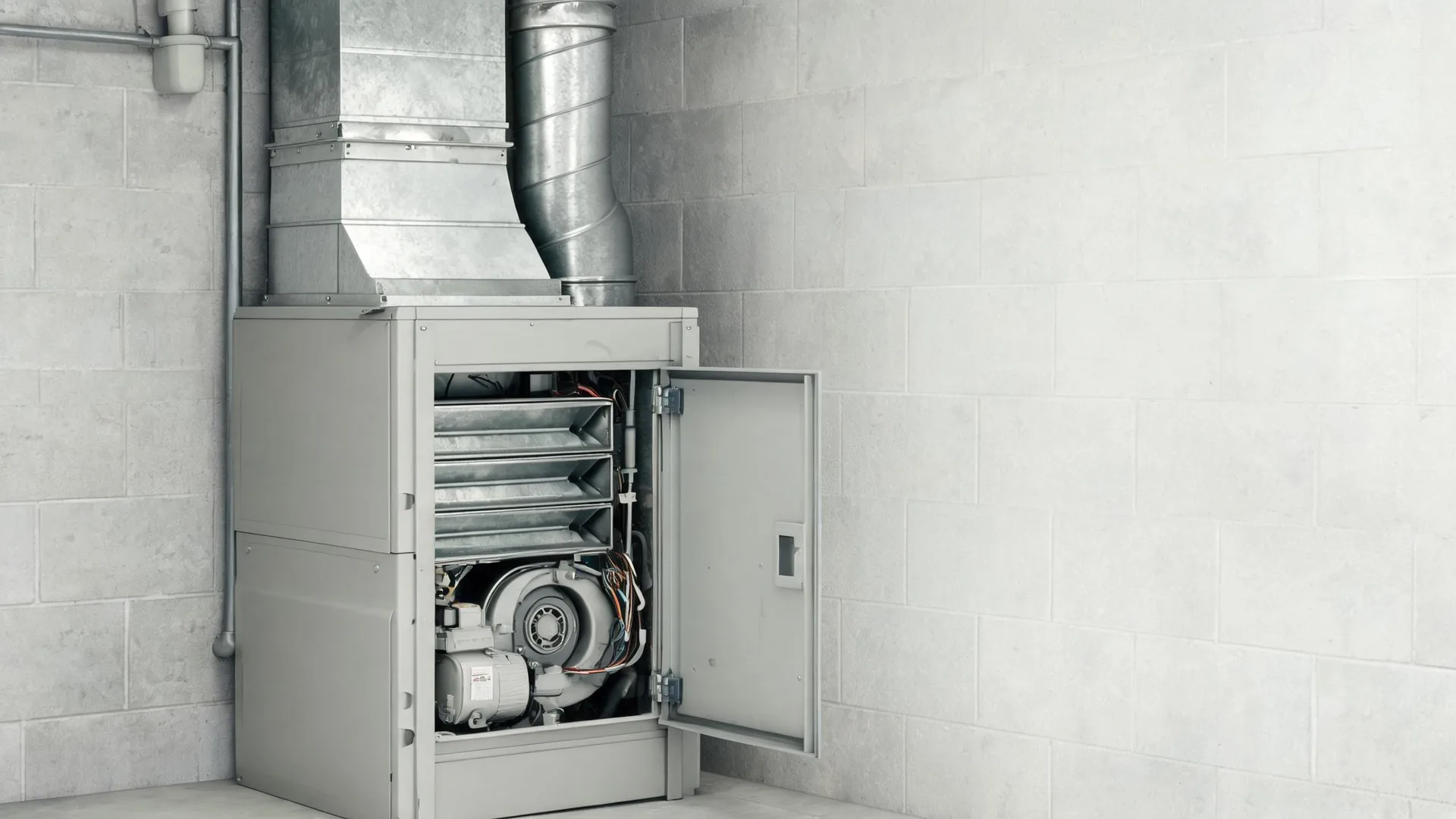
A gray residential gas furnace installed in an unfinished basement, connected to sheet-metal ductwork and PVC pipes.

Ask what's left before you fix what's broken

The time-lapse runs one day. The furnace behind it logs thousands of hours over a winter, and in a home built in 1964 or earlier that's likely the second or third unit on that duct system, not the first. Ask the contractor for its age and condition before you commit to the repair in front of you. If parts for it are getting hard to source, that's worth knowing before the money's spent, not after.

Check the thermostat and the switch first

Make sure the thermostat is set to heat and the temperature is set above room temperature. Check that the furnace switch, it looks like a regular light switch near the unit, is on, and that the panel door is sitting flush, since most furnaces won't run with it loose or off.

Look at the filter and the breaker before you call

Pull the filter and hold it up to a light. If you can't see through it, swap it, a clogged filter can cause shutdowns that look like something worse. Then check the breaker box for anything tripped. Both take only a minute and rule out the most common reasons a furnace won't run at all.

An unfinished concrete basement containing a metal HVAC air handler, exposed wooden ceiling joists with sheet-metal ducts, a hanging bare bulb, copper pipes, and stacked cardboard boxes.

A new furnace would cut about $180 a year off heating for a typical Onondaga County home.

  • A new high-efficiency furnace$740 a year
  • An older furnace$920 a year

Estimates for a typical Onondaga County home, compared with an older unit built to the previous federal minimum, from EIA household energy data, New York fuel prices and NOAA climate normals. Your home will differ.

Repair makes sense when one part has failed and the heat exchanger is sound.

Replacement makes sense when the heat exchanger is cracked or the furnace keeps needing parts.

A tech starts by asking what the furnace is doing and when, since a unit that won't fire at all points somewhere different than one that starts fine but can't keep the house warm. From there it's a check of the safety switches, the igniter or pilot, the flame sensor, and the pressure switch that confirms the inducer is pulling exhaust the way it should. Most calls come down to one part that's failed or drifted out of spec, not the whole system going bad at once. A flame sensor can get a light coating that keeps it from sensing the flame, and cleaning it is a different job than replacing it. The tech should be able to show you the failed part and explain how it caused what you're seeing, not just swap something and hope. If the diagnosis stops at a part number with no explanation of why that part gave out, ask again.