Running the way it should
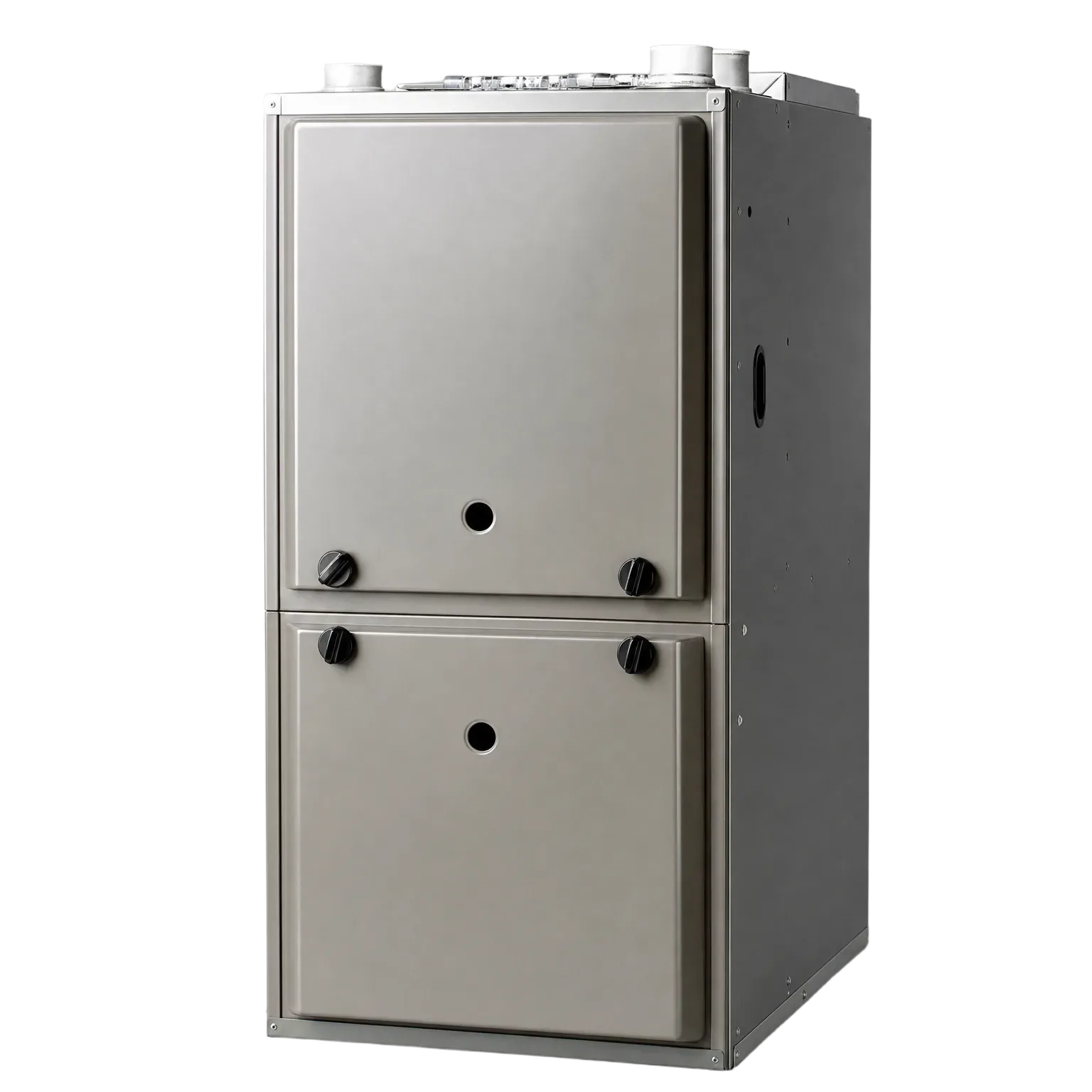
A furnace burning clean puts out steady heat without tripping on soot or a dirty nozzle. No burner smell, no sudden shutoffs on a January night. At this point a repair is usually what it needs, not a new system.
The right pro for this job
An oil furnace that's struggling in a Brewster winter forces a real choice: pay for the repair now or put that money toward a new system. The right call depends on the furnace's age, what's failing, and what it costs to keep running on oil. Skip calling around and comparing quotes yourself. Answer a few questions and a contractor who knows oil furnaces in Putnam County will reach out directly.
Find my proA cracked heat exchanger, a failed igniter or burner assembly, or repeated soot buildup on an oil furnace usually means replacement makes more sense than repair, especially on a unit past 15 to 20 years old. Oil furnaces work hard here, and Putnam County winters push them through months of steady runtime, so older units show their age in the form of rising repair bills and falling efficiency. A cracked exchanger is a safety issue on its own and is reason enough to replace rather than patch. If the furnace is newer and the failure is something contained, like a clogged nozzle or a bad ignitor, repair is usually the right call and buys the system more years. A technician who inspects the furnace in person can tell you which situation you're in, since the exchanger, the burner, and the flue all need a look before that call gets made.

A furnace burning clean puts out steady heat without tripping on soot or a dirty nozzle. No burner smell, no sudden shutoffs on a January night. At this point a repair is usually what it needs, not a new system.

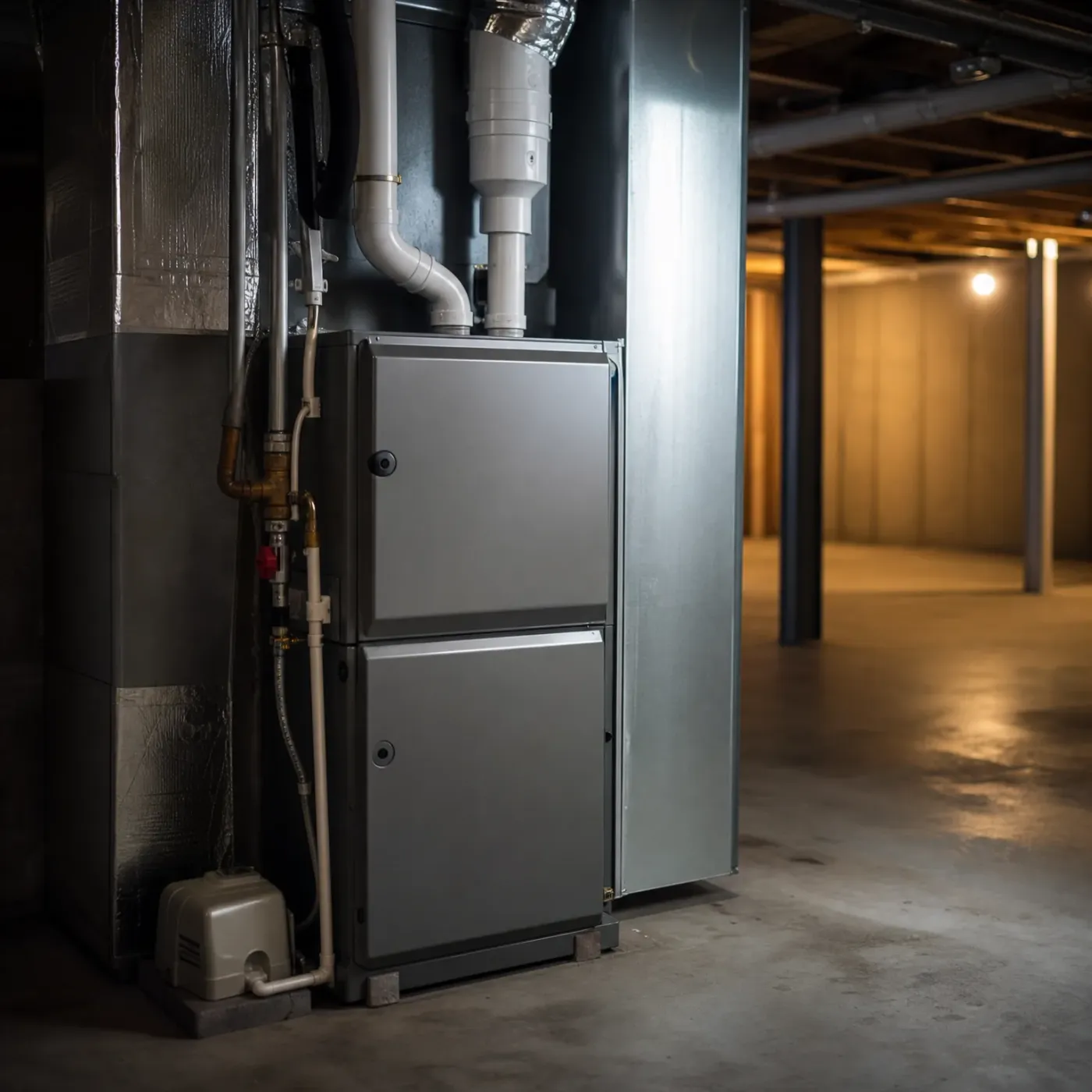
Black iron gas lines and an aging upflow furnace like this one often mean a cracked heat exchanger or a burner that won't stay lit. Past 15 to 20 years, these failures tend to come back, and each repair buys less time than the last.
You might notice the burner kicking on and off more than it used to, or a smell of oil near the unit that wasn't there before. Soot around the access panel or on the floor nearby is another sign, same with a flame that looks more orange than blue through the viewing port. Some homeowners hear a knock or rumble when it fires, or find the furnace running longer to reach the same temperature. A furnace that's been neglected can leave the house colder than the thermostat says, and in a bad case, a cracked heat exchanger can let exhaust leak into the air you're breathing. None of this means the furnace is done, but it's worth having someone look before the next cold snap in Brewster puts more strain on it.
Oil pump draws fuel from the tank to the burner.
Nozzle sprays oil as a fine, pressurized mist.
Igniter sparks and lights the oil and air mixture.
Flame heats a metal heat exchanger inside the furnace.




Explain the job once and skip repeating it on every call.
No fee to send it, and nothing to sign.
An older oil furnace that's lost efficiency doesn't just run longer, it draws more oil to do the same job. A furnace running at 60 percent efficiency wastes nearly half the fuel it burns. With oil prices what they are in Putnam County, that loss shows up on every delivery. A new furnace rated above 85 percent efficiency uses that fuel to make heat instead of losing it up the flue. Over a winter that runs from November into March, the difference in oil used adds up fast, especially during the stretch of deep cold that usually hits in January.
A repair fixes what failed, not what's wearing out next. Replacing an igniter or a nozzle gets the furnace running again, but it doesn't touch the heat exchanger or the blower motor underneath it. If those parts are near the end of their life too, another breakdown is likely before next winter's over. That's a real risk on a furnace already past 15 years old. A repair is money well spent when the rest of the furnace is sound. It's a stopgap when the furnace is old enough that something else is close behind it.


Finding a contractor who still works on oil furnaces, explaining the symptoms, waiting on a quote, then deciding if it's worth doing again next winter.
Get matched with a contractor who looks at your furnace, tells you straight whether to repair or replace, and reaches out to you directly.
Winter nights average 21°F
Winter nights in Putnam County average 21°F, so your furnace isn't cycling on and off, it's holding a steady burn for hours at a stretch.
Heat runs October through May
Heat runs here from October through May, about eight months of the year your oil furnace needs to start every time it's asked to.
57.4% of homes heat with fuel oil
57.4% of homes in Putnam County heat with fuel oil, so most of what's known about this furnace in this county comes from a furnace just like yours.
NOAA nClimDiv 1991-2020 · ACS 2020-2024
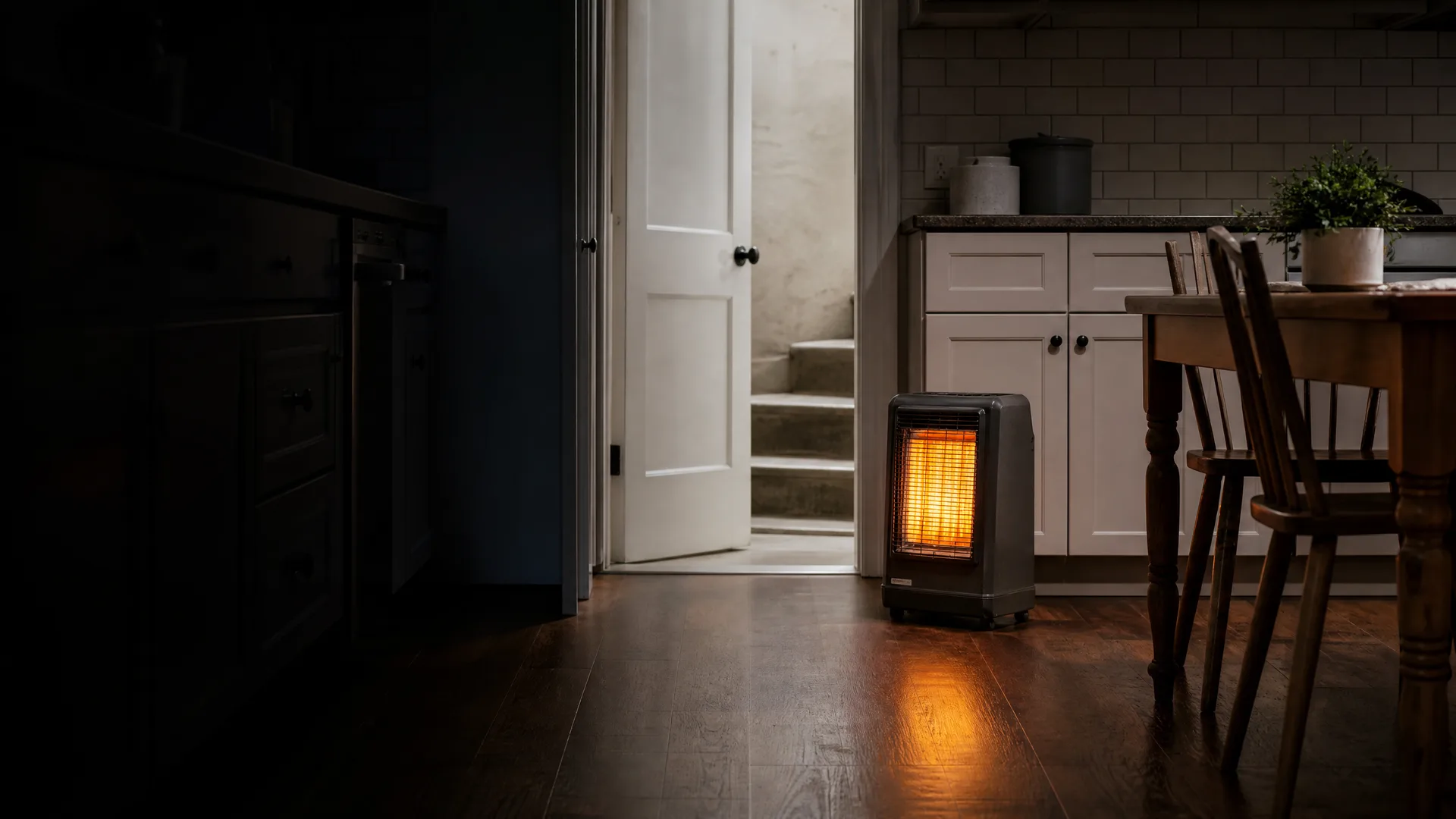
It's just past six and still dark out. You've got the space heater running by the kitchen table, the orange coil the only light in the room besides the stove clock. The basement door is open behind it, left that way since you went down twice already to look at the furnace and came back up without an answer. Your coffee's gone cold on the counter. Outside the window the thermometer reads somewhere in the low 20s, same as it's read most mornings this month. You can hear the house settling but not the burner kicking on, and that's the part that's kept you up by the table instead of back in bed.
At 21°F, an oil furnace isn't just taking the edge off, it's the only thing standing between your house and the cold outside. If it can't hold a steady burn through a night like that, you'll know fast, and so will everyone trying to sleep in a cold bedroom.
NOAA nClimDiv 1991-2020
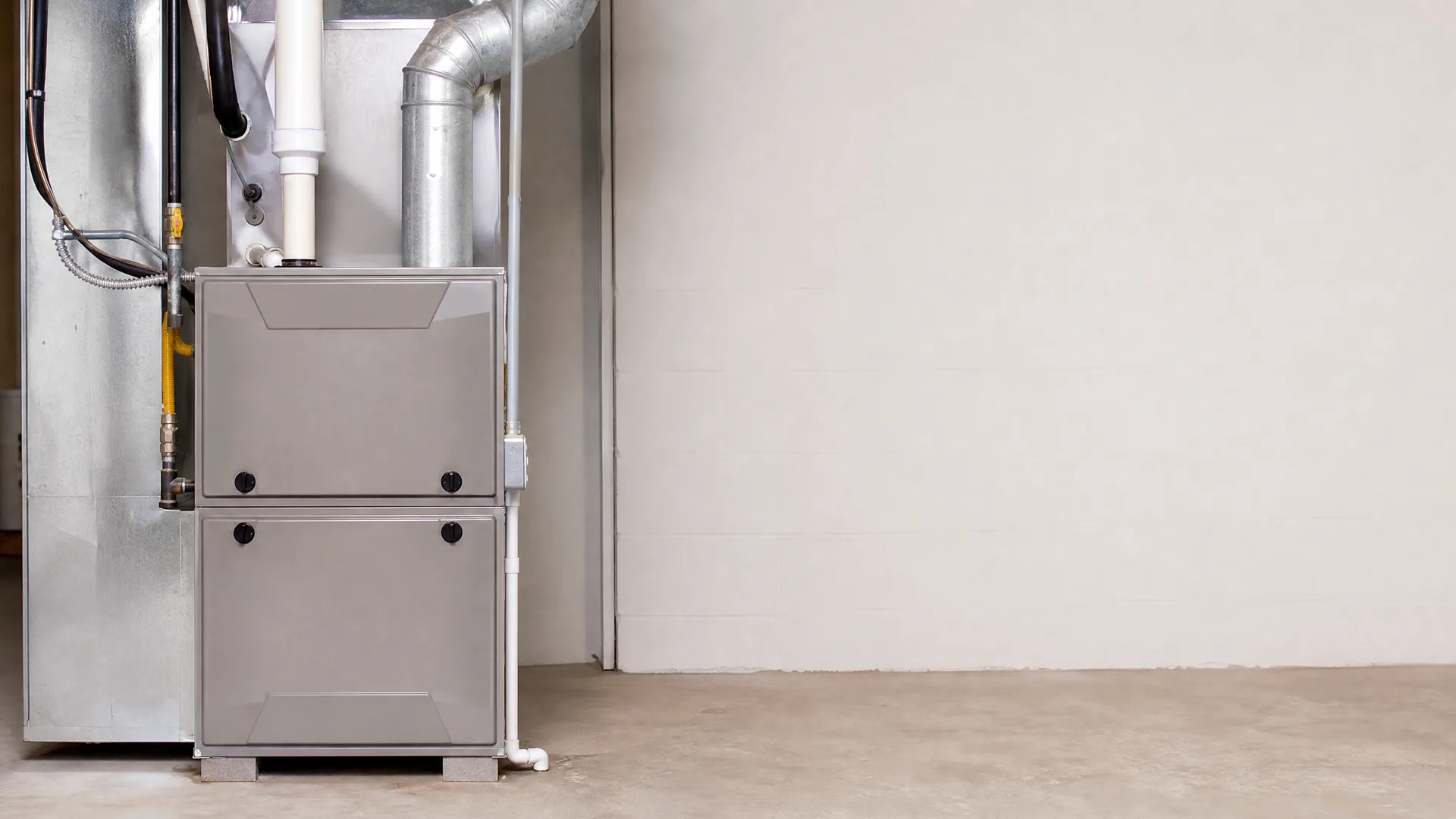
An oil furnace only runs if there's oil in the tank, and that means watching the gauge through the winter instead of forgetting about it the way you might with gas. A delivery that comes a week late during a cold stretch can mean a cold house in the meantime. Some homeowners set up automatic delivery just so they don't have to track it themselves, especially once a furnace is older and burning more oil to keep up.
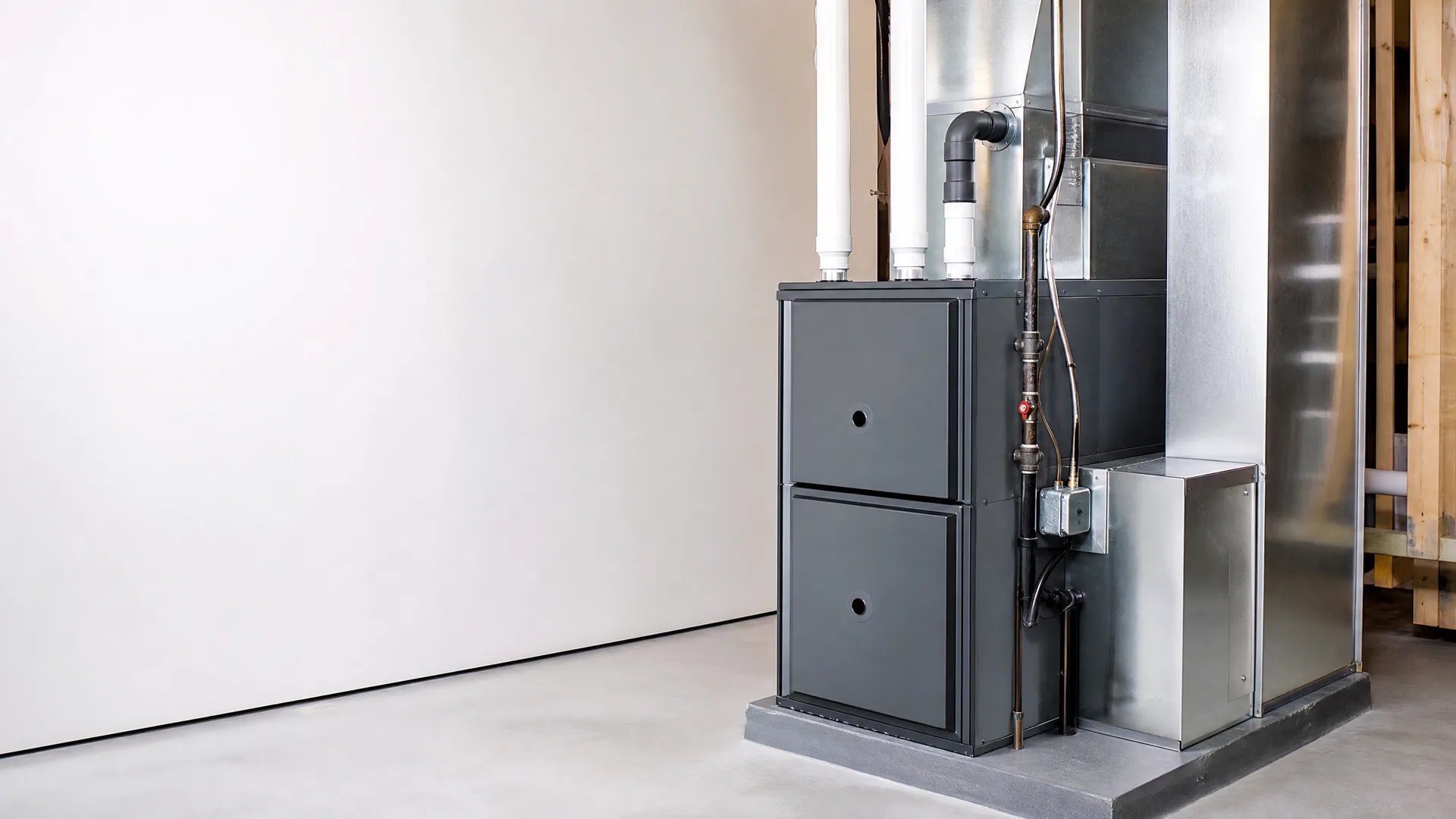
A gas furnace pulls from a line and never runs out on its own. There's no tank to check, no delivery truck to wait on, no chance of running dry during a cold snap because a delivery got pushed back. Switching over means running a gas line to the furnace, which isn't a small job and isn't always possible depending on what's available at the street. For most homeowners here, that makes sticking with oil the simpler path, even with the tank to manage.

A furnace under 15 years old with one bad part is usually worth fixing. A cracked heat exchanger, a failed burner assembly, or a furnace pushing 20 years and burning more oil than it used to means replacement is the better call. That's the whole decision, and most furnaces in Putnam County fall clearly on one side of it or the other once someone's actually looked.
Getting to that answer on your own means calling around to find someone who still works on oil furnaces, explaining what the unit's doing, then waiting to hear if it's worth fixing or not. Get matched with a contractor instead, and that part is done. They'll look at your furnace, tell you straight whether it's a repair or a replacement, and reach out to walk you through what they find. You'll know where you stand before the next cold night sets in.

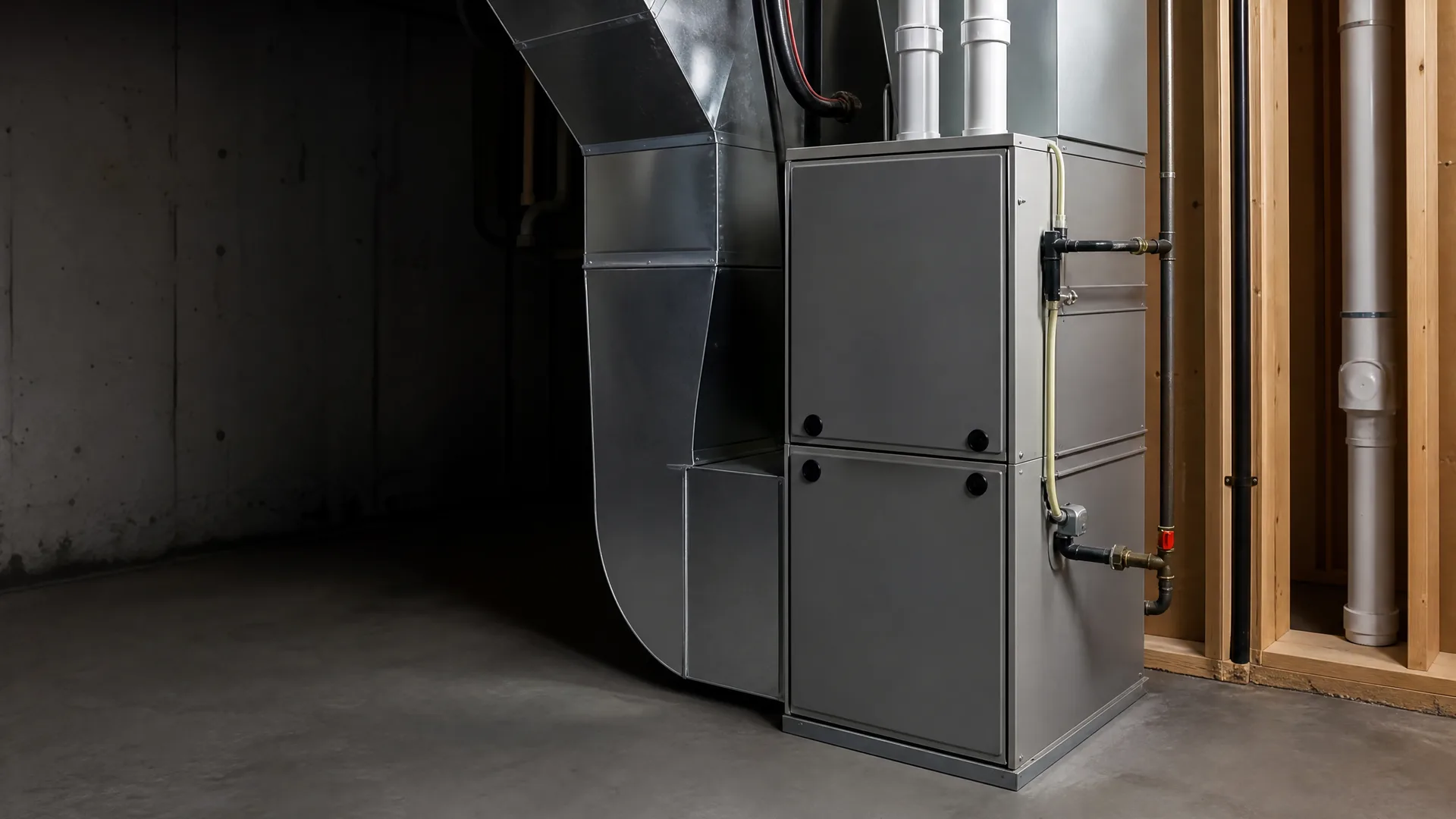
Get matched with a furnace pro in Putnam County