




An unfinished basement containing a forced-air furnace with metal ductwork, exposed wooden ceiling joists, a hanging Edison bulb, and bare concrete floors.

Furnace Repair in Schenectady, NY

Tell us about the job

Takes about a minute. No obligation.

RepairFurnace or heatingSchenectady County, NY
Step 1 of 2

What ZIP code is the job in?

Half the homes in Schenectady County were built in 1956 or earlier. If yours is one of them, the furnace may not be original, but whatever is running now has likely been through a lot of winters. Old ductwork, old gas lines, old wiring around the unit, all of that adds wear that a newer home doesn't have. A furnace nearing the end of its life tends to need more repairs, more often, and each one is money spent on a machine that's still getting older. Before you pay for a big repair, it's worth finding out how much life the furnace actually has left.

8 months
October through May, your furnace is on duty
17°F
the average winter night it heats against
69%
of homes here heat with gas, so most furnaces here burn gas
45 winter storms
in ten years, the nights a failure hurts most
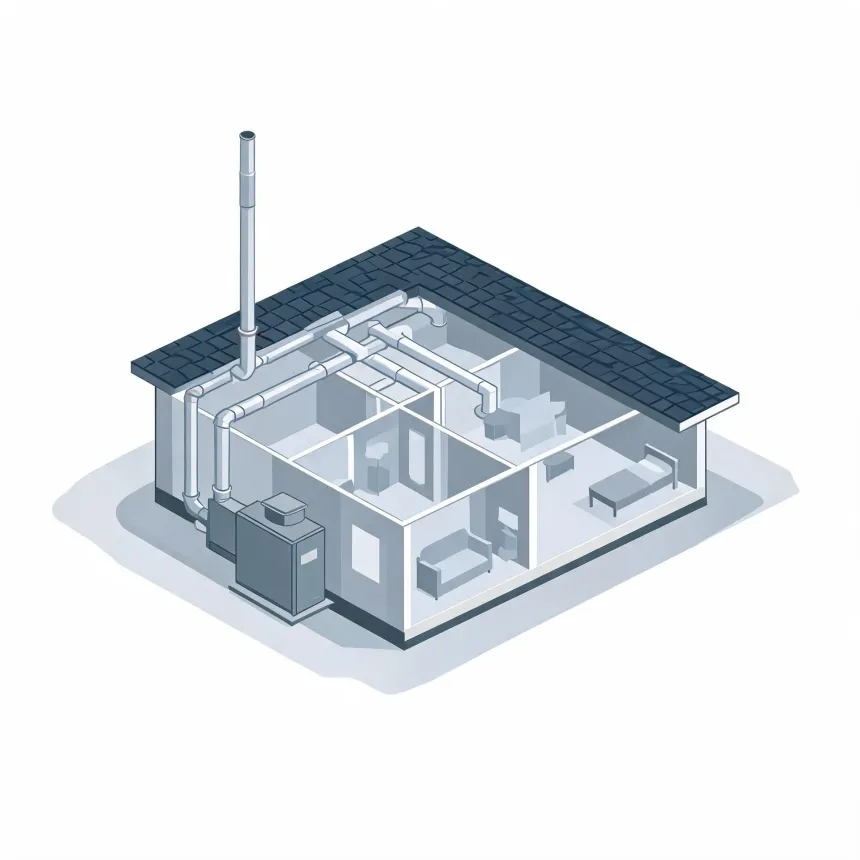
Isometric cutaway illustration of a single-story house with a dark shingled roof, showing interior rooms with furniture, a ducted air distribution system, a tall vertical flue pipe, and a gray furnace unit outside the wall.
Your furnace works hardest from November through March.

NOAA nClimDiv, 1991–2020 normals

Furnaces in Schenectady County run from October through May, eight months of the year.

A furnace that carries eight months of heating load gets less rest than most to show you what's wrong before it quits.

248 severe weather events in ten years means this county gets hit harder than most

248 severe weather events from 2015 to 2024
11% of homes statewide lost power a day or more in 2024
188 damaging wind events from 2015 to 2024

September is worth paying attention to. Homes here start running heat in October, and that first cold stretch is when a furnace finds out what's weak. A cracked heat exchanger, a failing igniter, a blower motor that was already straining, those problems tend to surface in the first weeks the system is asked to work, not in the middle of January. If your furnace has been acting up before the season even starts, that's the machine telling you something now instead of later. Getting it looked at before October saves you from finding out on the coldest night what it couldn't handle.

Know what you're paying for before you pay for it

A repair can fix what's wrong today. It won't tell you how many winters the furnace has left in it. Before you pay for the part and the labor, ask the contractor straight: is this one worth fixing, or worth replacing. Get that answer first.

Find a contractor
A man in a dark shirt and brown pants carries a worn canvas tool bag up concrete steps toward a gray-blue front door of a house with horizontal siding and a potted shrub.
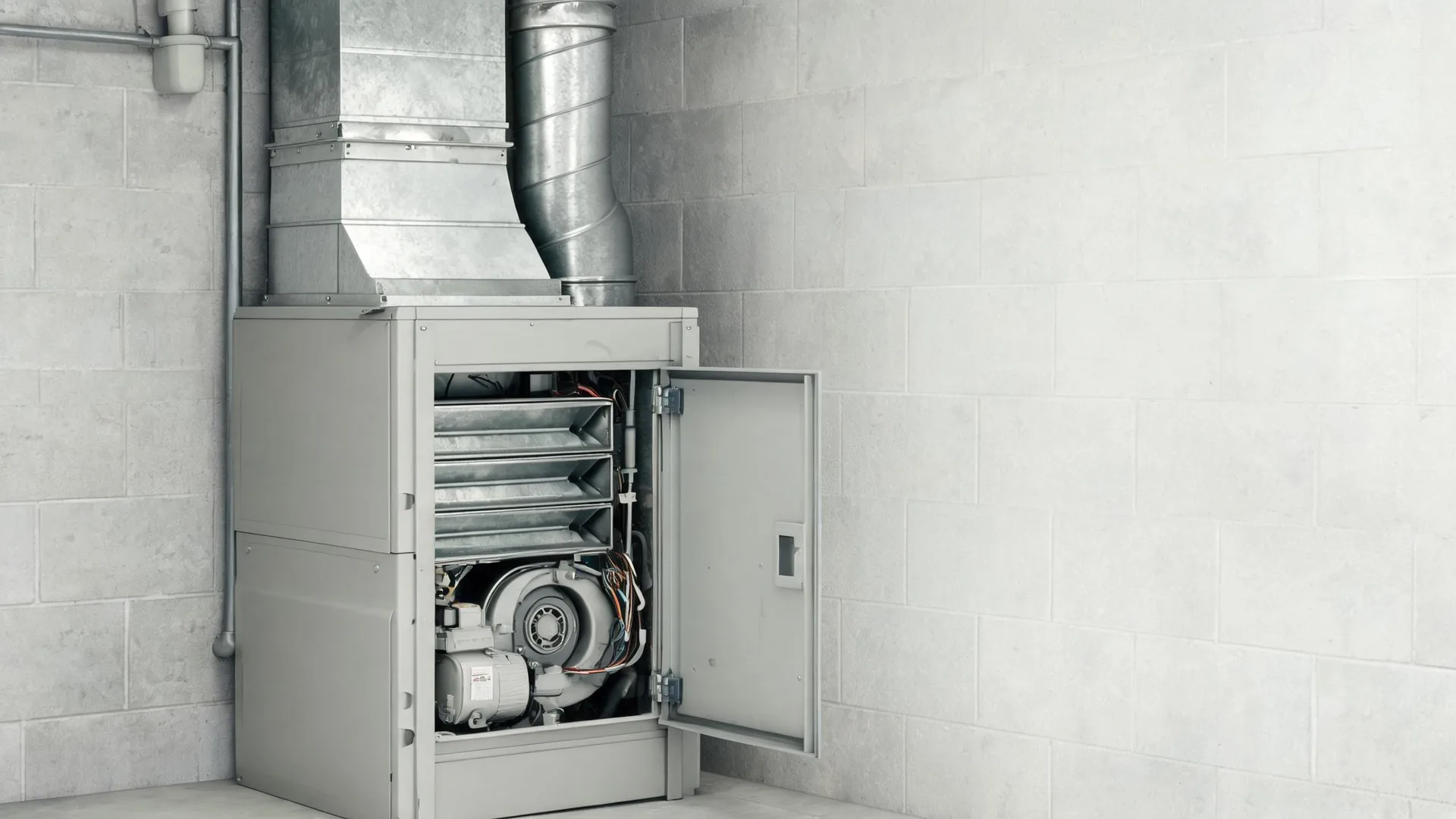
A gray residential gas furnace installed in an unfinished basement, surrounded by ductwork, a metal flue pipe, and a gas supply line.

Long runs wear parts down. Find out which one failed, and why.

Get a diagnosis, not just a part swap. A tech can tell you whether the problem in front of you is a one-time failure or a sign the whole unit is wearing out from eight months of steady work. Winter storms hit this county 45 times between 2015 and 2024, and a furnace has to keep running through every one of them. Ask the contractor what they found and why, not just what they replaced.

Most failures start with ignition or airflow

An igniter wears out from switching on and off hundreds of times over its life, and it's one of the most common reasons a furnace won't start at all. A flame sensor coated in residue can't tell the control board a flame is lit, so the system shuts itself down as a safety measure. Behind both of those, a dirty filter or blocked vent makes the blower and burners work against resistance they weren't built to handle, which shortens the life of whatever gives out first.

The parts under the most strain fail last

A heat exchanger or blower motor usually holds up longer than the ignition parts, but when one of them goes, it tends to mean the furnace has been working hard for a long time, not that something was installed wrong. A cracked heat exchanger is a safety issue, not just a repair, because it can let combustion gas mix with the air moving through the house. A blower motor that strains or cycles on and off under normal load is often near the end of what it can do.

An unfinished concrete basement containing a metal HVAC air handler, exposed wooden ceiling joists with sheet-metal ducts, a hanging bare bulb, copper pipes, and stacked cardboard boxes.

A new furnace would cut about $180 a year off heating for a typical Schenectady County home.

  • A new high-efficiency furnace$730 a year
  • An older furnace$910 a year

Estimates for a typical Schenectady County home, compared with an older unit built to the previous federal minimum, from EIA household energy data, New York fuel prices and NOAA climate normals. Your home will differ.

Repair makes sense when one part has failed and the heat exchanger is sound.

Replacement makes sense when the heat exchanger is cracked or the furnace keeps needing parts.

A repair fixes what failed. It doesn't tell you what shape the rest of the furnace is in. The age of a furnace matters more than the age of the part that just broke, because most of what's inside has been running the same number of winters. When a repair is small, cheap, and the furnace is otherwise holding up, fixing it is the right call. When the same furnace needs a second repair within a year, or the next problem is a bigger part than the last one, that pattern matters more than any single repair does. A contractor who's inside the unit can look at the rest of it while they're in there, not just the part you called about. Ask what they saw beyond the fix, not just what they charged for.