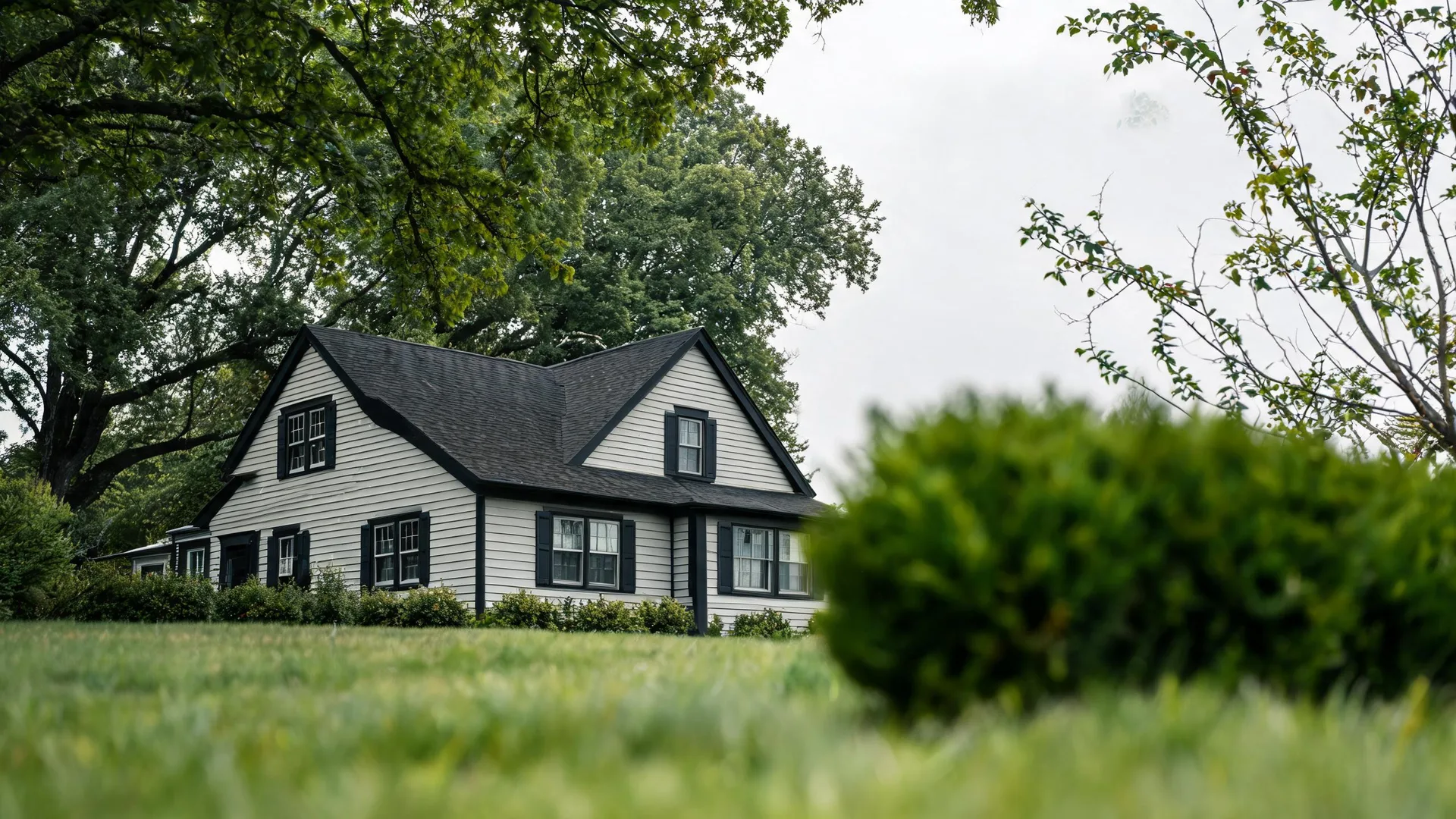
A white clapboard house with dark shingled roof, black shutters and dormer windows stands behind a lawn, framed by large trees and a blurred green shrub in the foreground.

Furnace Repair in Saratoga Springs, NY

Tell us about the job

Takes about a minute. No obligation.

RepairFurnace or heatingSaratoga County, NY
Step 1 of 2

What ZIP code is the job in?

Weather here takes a toll on equipment

Saratoga County recorded 512 severe weather events between 2015 and 2024, including 399 damaging wind events, 52 hail events and 48 winter storms. A furnace shares the system with outdoor equipment and venting that takes the brunt of that weather.
Outages hit furnaces too

In 2024, 11% of New York households went at least 24 hours without power. A gas furnace still needs electricity to run its blower and controls, so a long outage can shut down heat even when the gas line is fine.

9 months
September through May, your furnace is on duty
15°F
the average winter night it heats against
58%
of homes here heat with gas, so most furnaces here burn gas
48 winter storms
in ten years, the nights a failure hurts most
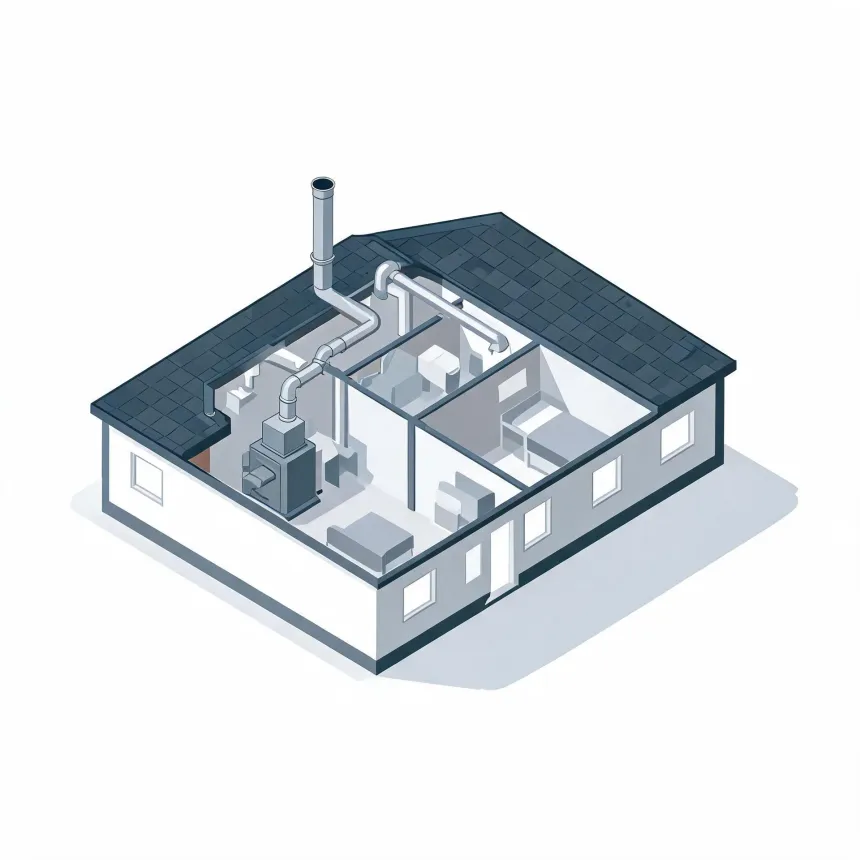
Isometric cutaway illustration of a single-story house with a dark shingled roof, showing interior rooms with furniture and a furnace connected to ductwork and a flue pipe extending above the roof.
Your furnace works hardest from November through March.

NOAA nClimDiv, 1991–2020 normals

Gas in New York runs $16.03 per million Btu, among the highest in the country.

A furnace running on a cracked heat exchanger or a dirty burner wastes gas every time it fires, and here that waste costs more than most places.

Half the homes here were built in 1984 or later, so the furnace is usually worth fixing

Half the homes here were built by 1984
Heat runs September through May
Winter nights average 15°F

Furnaces here run from September through May, close to nine months of the year. That is most of the year spent cycling on and off, heating air, shutting down, and starting again. A furnace built for a milder climate would get a break most of the year. This one doesn't. All that run time wears on the igniter, the blower motor, the heat exchanger, parts that only get real rest in summer. When one of those starts to go, it usually shows up as a strange noise, a short cycle, or heat that doesn't feel as warm as it used to. Worth having someone look at it before the cold snaps that come with winter storms, which have hit this county 48 times in the past decade, find the furnace already struggling.

Get the furnace checked before the next storm finds its weak spot

If the outdoor parts of your system have taken hail or wind damage, a furnace that still fires can still be running hurt. Worth a look now, before a winter storm knocks out power and you're finding out the hard way.

Find a contractor
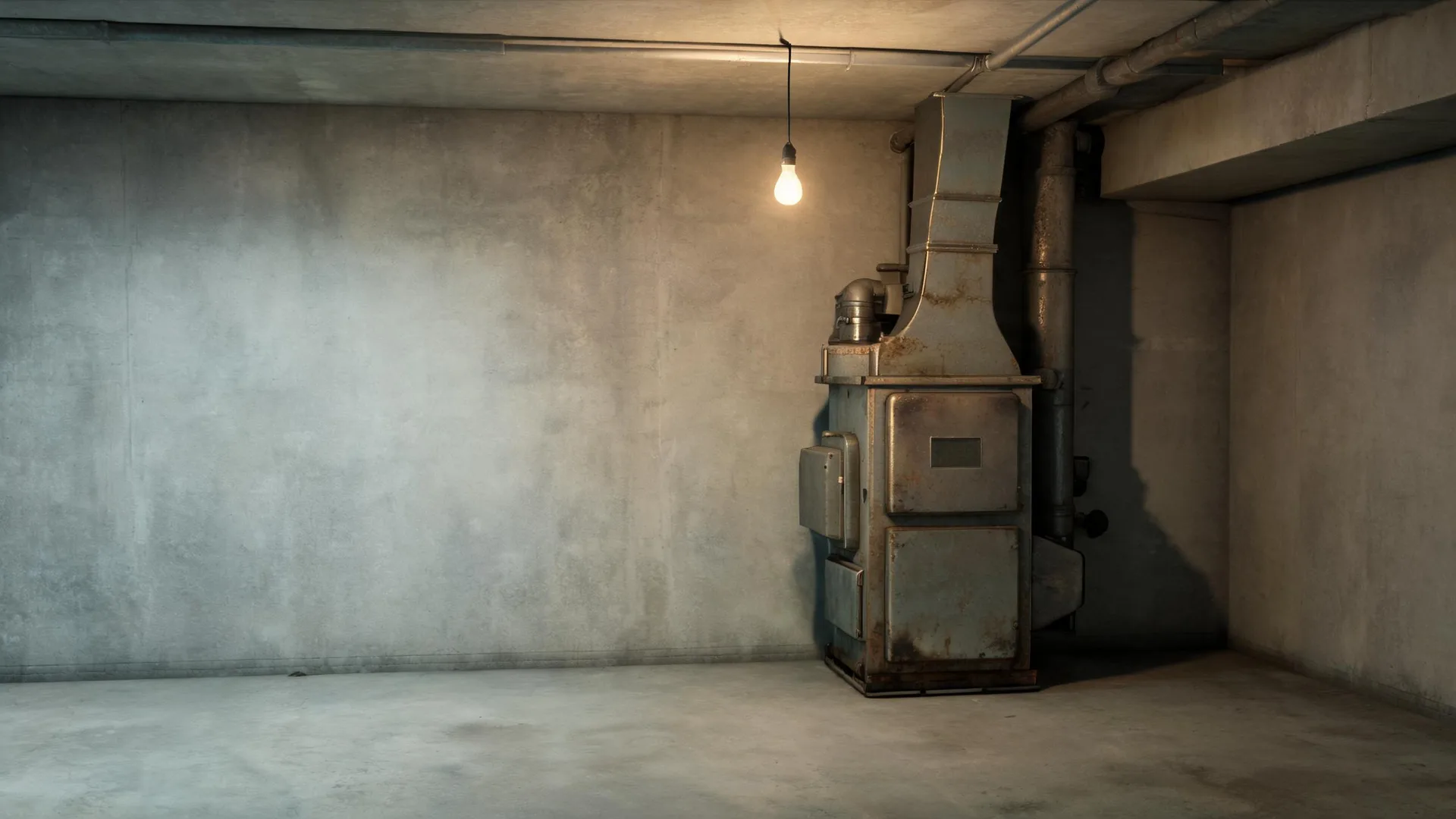
A gray gas furnace with attached ductwork and piping installed in an unfinished concrete basement.

September asks this furnace to start cold, and weak parts fail first

Heat here starts in September and keeps running through May. August is the last month this furnace gets to sit idle before it has to start every day on demand. The parts most likely to fail, the igniter, the blower motor, are the ones that have been resting all summer and get asked to work cold. A weak igniter often makes it through a few mild days and then fails on the first real cold snap, right when you need it most.

Check these before you pick up the phone

Make sure the thermostat is set to heat and the setting is above room temperature, since a bumped switch or dead battery looks exactly like a dead furnace. Check the furnace switch, the one that looks like a light switch near the unit, and make sure it's on. Look at the breaker it runs on and reset it once if it's tripped. Check the filter. A filter packed with dust can choke airflow badly enough that the furnace shuts itself off partway through a cycle.

What to leave alone

Don't pull the burner access panel or reach near the flame sensor or igniter. Don't try to relight a pilot on a furnace that uses one unless you know the exact sequence printed on the panel. If you smell gas, don't flip switches or check anything at all, get out and call the gas company from outside. These checks exist to rule out the simple stuff, not to get you inside a part of the furnace that can hurt you or needs a trained hand.

A bare concrete basement containing a gray gas furnace with metal ductwork and a vertical flue pipe, lit by a single hanging bulb.

A new furnace would cut about $180 a year off heating for a typical Saratoga County home.

  • A new high-efficiency furnace$760 a year
  • An older furnace$940 a year

Estimates for a typical Saratoga County home, compared with an older unit built to the previous federal minimum, from EIA household energy data, New York fuel prices and NOAA climate normals. Your home will differ.

Repair makes sense when one part has failed and the heat exchanger is sound.

Replacement makes sense when the heat exchanger is cracked or the furnace keeps needing parts.

A diagnostic visit starts before any panel comes off. A tech asks what the furnace was doing, when it started, and whether it's a dead no-heat or something that comes and goes. Then they check the easy things first, the thermostat call, the power switch, the breaker, because there's no point pulling a furnace apart over a tripped switch. From there they watch it run a cycle if it'll run one at all. That means checking for ignition, watching the flame, listening to the blower come on, and reading the flue and the air temperature coming out of the vents. If it won't start, they test the components in the ignition sequence one at a time, the igniter, the gas valve, the flame sensor, the control board, until they find where the chain breaks. A lot of furnace problems come down to one part failing to signal the next one correctly, so the job is finding which link is silent.