




An unfinished concrete basement containing a gas furnace with sheet-metal ductwork, utility shelving, and exposed overhead joists.

Furnace Repair in Massena, NY

Tell us about the job

Takes about a minute. No obligation.

RepairFurnace or heatingSt. Lawrence County, NY
Step 1 of 2

What ZIP code is the job in?

A furnace that's struggling usually gives you a warning before it quits. A cracked heat exchanger gets worse under heat and cooling cycles, and running it longer only stresses the metal further. A dirty flame sensor will start cutting the burner off sooner and sooner until it won't stay lit at all. An inducer motor that's starting to go will keep drawing more current until it seizes. Even something as simple as a clogged filter makes the blower work harder, and that heat has to go somewhere, usually into parts that weren't built to handle it. If the furnace is making a new noise, short cycling, or tripping its limit switch, that's it telling you to stop running it until someone looks.

9 months
September through May, your furnace is on duty
11°F
the average winter night it heats against
69 winter storms
in ten years, the nights a failure hurts most
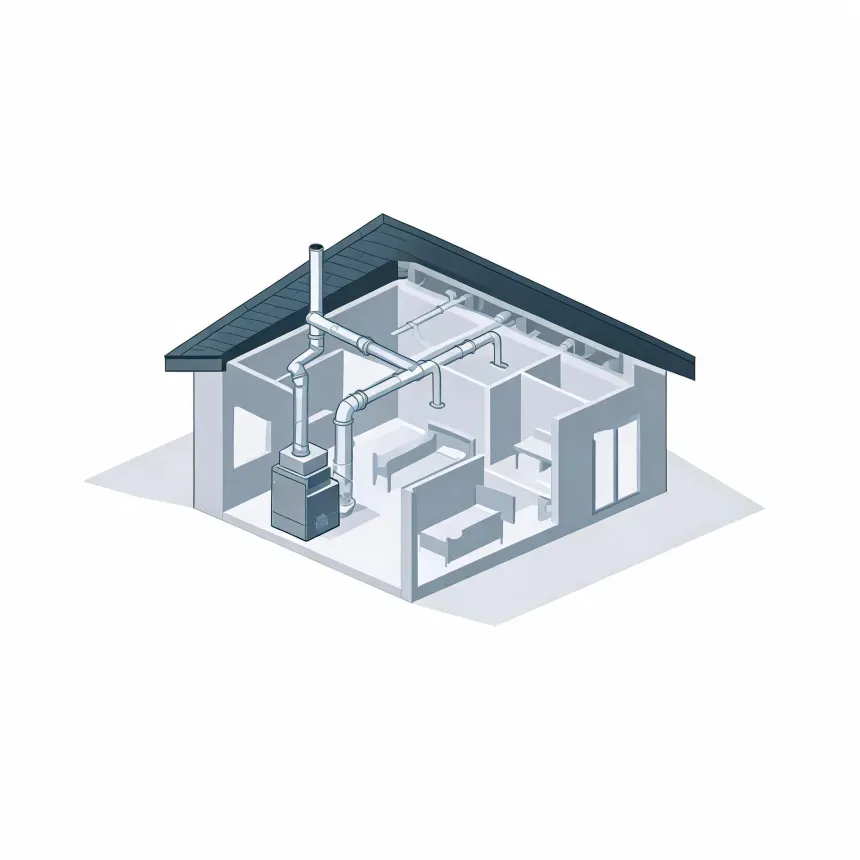
Isometric cutaway illustration of a small single-story house showing interior rooms, a furnace unit with a flue, and connected ductwork running below the dark gabled roof.
Your furnace works hardest from November through March.

NOAA nClimDiv, 1991–2020 normals

Gas in New York runs $16.03 per million Btu, among the highest in the country.

A furnace that's short cycling or struggling to stay lit is burning that expensive gas without heating the house.

Half the homes here were built before furnaces got any easier to fix

Half the homes here were built by 1964
Heat runs September through May
Winter nights average 11°F
The longer it sits, the more it costs youGas here runs $16.03 per million Btu, so a furnace that won't stay lit is wasting real money every day it sits broken.

Furnaces here start up in September and run through May. That first cold snap is when a weak part finally gets tested. A furnace that sat quiet since spring can have a flame sensor coated in a season's worth of residue, or an inducer motor that was already tired when it shut off last time. Nine months of heat a year means less downtime to catch a problem before it matters. If yours struggled last winter, August is worth a look before it has to start carrying the load again.

This furnace has earned its wear. Get it fixed right.

Nine months of heating a year and overnight lows averaging 11°F is hard running for any furnace. Add 69 winter storms in the last decade, and parts wear sooner than they would somewhere milder. Whatever's going wrong with yours didn't come out of nowhere. Get it diagnosed so the fix holds through the months still ahead.

Find a contractor
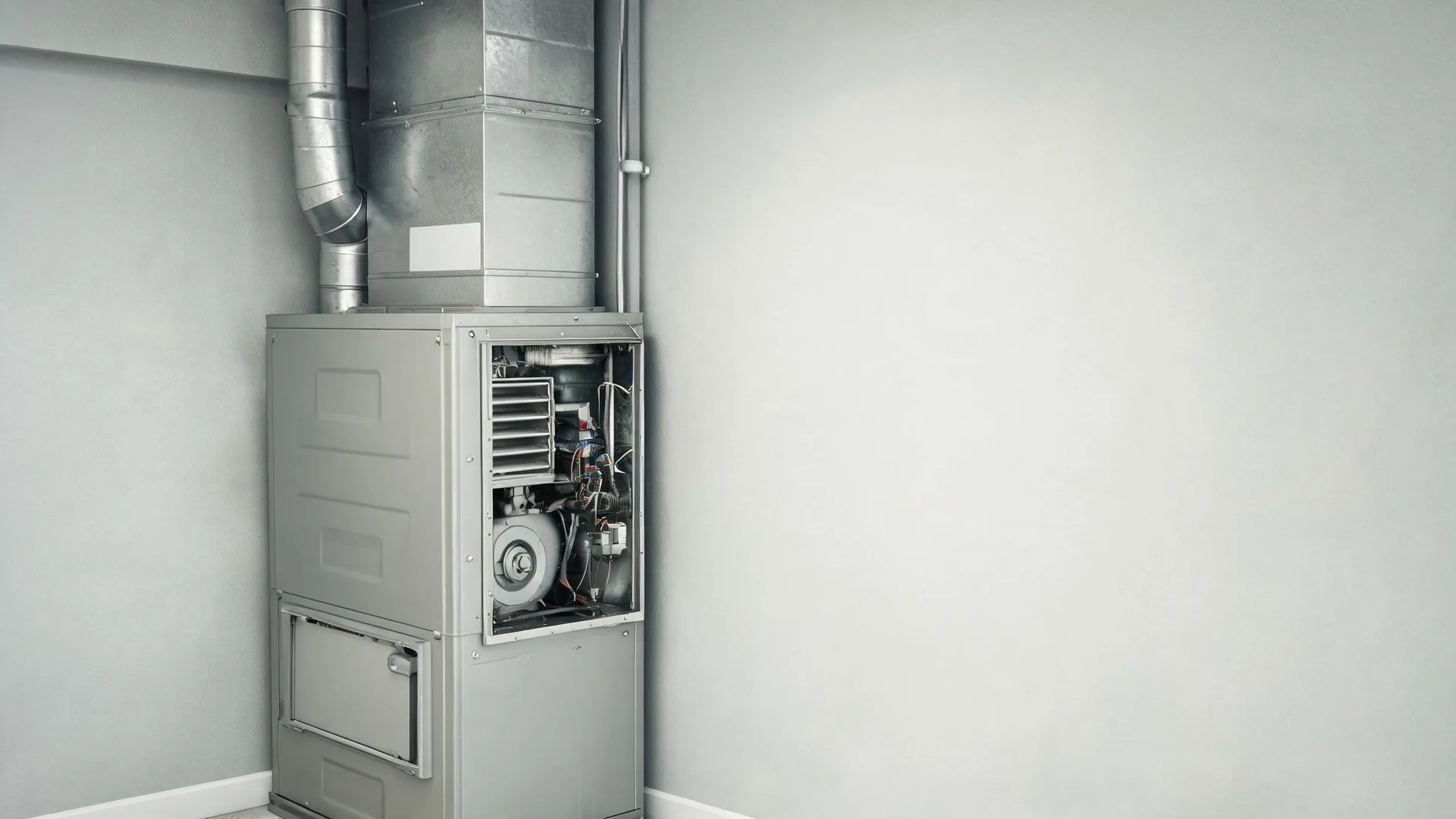
A gray residential gas furnace installed in an unfinished basement, surrounded by ductwork, a metal flue pipe, and a gas supply line.

Ask what's left before you fix what's broken

If your furnace came with the house, ask the contractor straight out how much life is left in it before any big repair gets done. Half the homes in the county were built in 1964 or earlier, so plenty of furnaces have had a long run already. Fixing a cracked heat exchanger or a seized inducer motor only makes sense if the rest of the unit can carry another few winters. Get that answer first.

Age gets the blame, but dirt does the damage

A furnace with a failing igniter or a cracked heat exchanger didn't just wear out on its own. Dust and soot build up on burners and sensors over time, and that buildup makes the furnace work harder to do the same job. A unit that gets its filter changed and its burners cleaned on schedule fails less often than one that never gets opened up.

What happens if you keep running it anyway

A furnace that's short cycling or tripping its limit switch will keep doing that, and usually more often, until a part actually gives out. The flame sensor that's cutting out early now is headed toward not lighting at all. The inducer motor drawing extra current now is headed toward seizing. Catching it at the warning stage is a smaller job than catching it after it quits.

An unfinished basement containing a gray HVAC furnace with ductwork, exposed wooden joists, a concrete floor, and miscellaneous clutter in one corner.

A new furnace would cut about $210 a year off heating for a typical St. Lawrence County home.

  • A new high-efficiency furnace$840 a year
  • An older furnace$1,050 a year

Estimates for a typical St. Lawrence County home, compared with an older unit built to the previous federal minimum, from EIA household energy data, New York fuel prices and NOAA climate normals. Your home will differ.

Repair makes sense when one part has failed and the heat exchanger is sound.

Replacement makes sense when the heat exchanger is cracked or the furnace keeps needing parts.

A diagnostic visit starts with what the furnace is doing, or not doing, and works backward from there. A tech will run it through a full cycle if it'll run at all, watching the ignition, listening to the inducer motor, checking how the flame looks once it's lit. A yellow or flickering flame points one direction, a flame sensor that won't hold a signal points another. Panels come off to check wiring and connections, since a loose wire can mimic a failing part and send you chasing the wrong fix. The heat exchanger gets checked for cracks, because that one isn't optional. Pressures and temperatures get measured rather than guessed at. By the end, the tech should be able to tell you which part is failing and why, not just that something's wrong.