




An unfinished basement featuring a grey forced-air furnace with metal ductwork, concrete block walls, exposed wooden joists, and a single hanging bare bulb.

Furnace Repair in Lindenhurst, NY

Tell us about the job

Takes about a minute. No obligation.

RepairFurnace or heatingSuffolk County, NY
Step 1 of 2

What ZIP code is the job in?

September is a good month to get a furnace looked at here. Heat comes on in October and runs clear through May, eight months of the year. Whatever was already wearing thin tends to show itself in those first cold weeks, once the furnace is finally asked to run a full cycle. A cracked igniter or a weak flame sensor can sit fine all summer and fail the first night it gets used. Catching it in September means a repair, not a breakdown once the cold settles in for good.

8 months
October through May, your furnace is on duty
26°F
the average winter night it heats against
82 winter storms
in ten years, the nights a failure hurts most
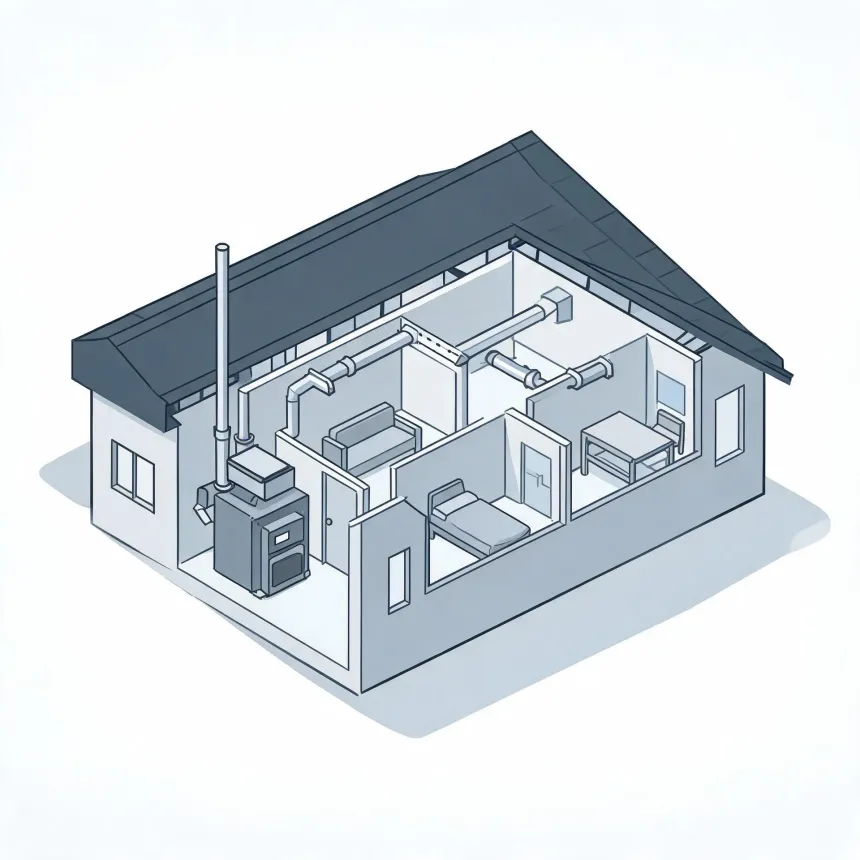
Isometric cutaway illustration of a single-story house showing interior rooms with furniture, overhead ducting, a flue pipe, and a furnace unit against an interior wall.
Your furnace works hardest from November through March.

NOAA nClimDiv, 1991–2020 normals

Furnaces in Lindenhurst run from October through May, eight months straight.

An overnight low near 26 degrees all winter is no special strain, but it does mean a furnace needs to work right from the first cold night.

Lindenhurst sees its share of storms, but a furnace problem here is still the usual one

566 severe weather events from 2015 to 2024
11% of homes statewide lost power a day or more in 2024
434 damaging wind events from 2015 to 2024

Half the homes in Suffolk County were built in 1970 or earlier. If your furnace came with a house that old, it's worth asking how many furnaces it's already had before this one. A furnace doesn't last as long as the house around it, so an older home doesn't necessarily mean an older unit, but it's the first thing to check. If this one is original to a system installed decades ago, a repair might just be feeding money into something near the end anyway. Ask whatever contractor comes out how much life is left in it before you pay for anything major.

Get it looked at, not guessed at

Whatever is wrong with this furnace is most likely the usual thing that goes wrong with furnaces, and that usually has a straight repair. A cracked igniter or a weak flame sensor doesn't need a special diagnosis because it happened in Lindenhurst. It needs someone to find it and fix it before the next cold night.

Find a contractor
A man in a cap, gray T-shirt and brown work pants carries a worn leather tool bag up wooden porch steps toward a dark paneled front door, with a potted shrub to the left.
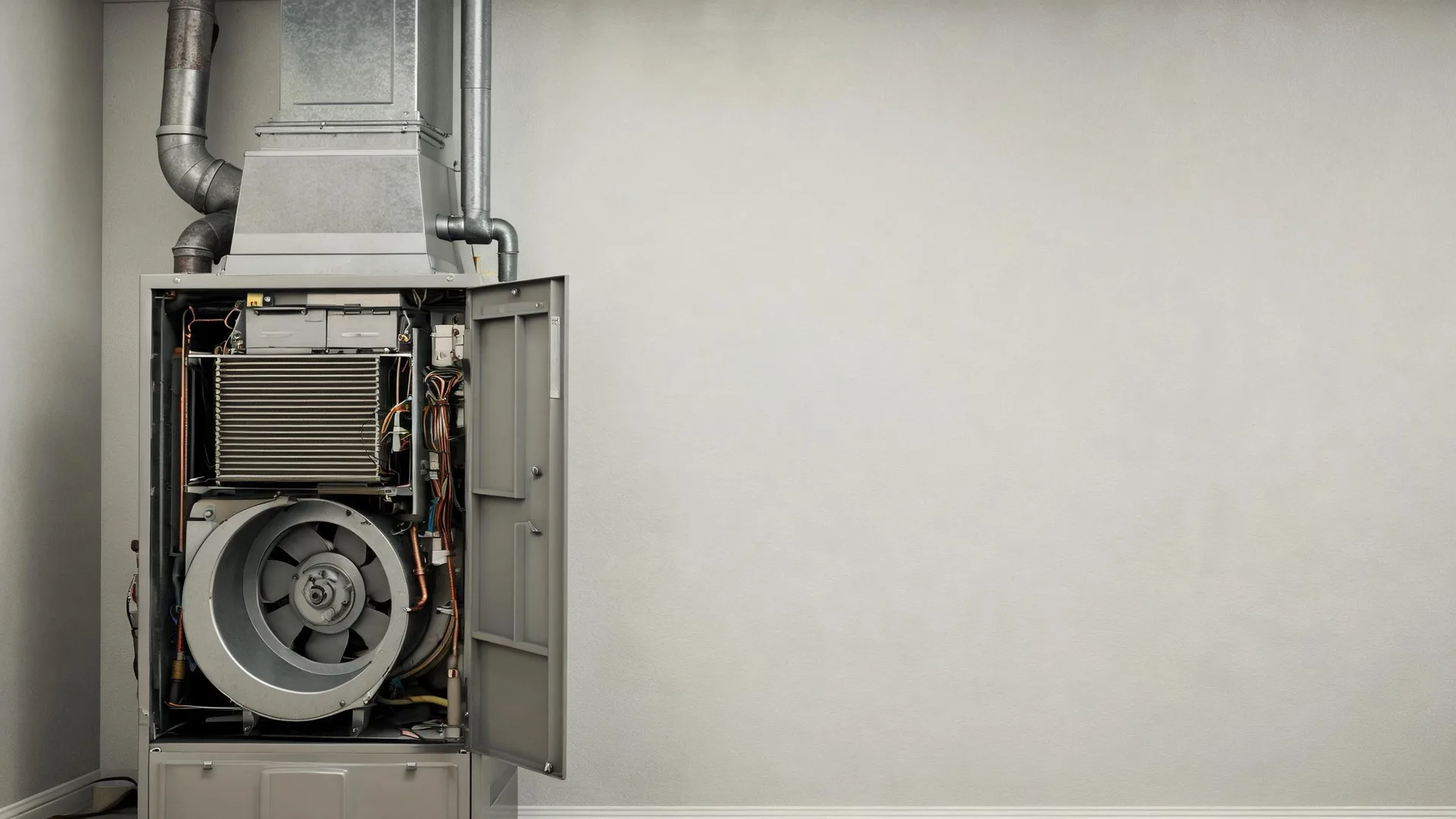
A gray residential gas furnace installed in an unfinished basement, connected to sheet-metal ductwork and PVC pipes.

The signs show up before the shutdown does

A furnace gives warning before it quits for good, if you know what to listen for. A burner that used to light with a soft thump and starts popping or booming instead is burning dirty or delayed, and that's hard on the heat exchanger. A blower that used to come on quiet and now whines or grinds is running on worn bearings, and that doesn't get better with time. Air coming out lukewarm instead of hot often means the burner is cutting off too soon, which is usually the flame sensor again. Rooms that used to heat evenly and now have cold spots can mean the blower isn't moving enough air, or the furnace is cycling off before it finishes a run. Any of these on their own is worth a call. Together, they mean a part that's already failing is about to fail completely.

Most failures start with ignition

The igniter and flame sensor do the most work every time the furnace fires, and they're the first parts to wear out. An igniter can crack after years of heating and cooling with each cycle. A flame sensor gets a coat of residue over time and stops sensing the flame it's supposed to confirm. Either one leaves the furnace trying to start and shutting itself back down.
Moving parts carry the rest of the risk

The blower motor pushes air through the house for months without stopping, and the bearings inside it wear down the same way any motor's would. A dirty flame sensor or clogged burner can also throw the furnace into short cycling, where it starts, trips a safety switch, and shuts off again before it's done anything useful. None of this is wiring or ductwork. It's parts built to wear, finally worn.

A furnace that's struggling rarely fails clean. If a flame sensor is coated enough to miss the flame every third or fourth cycle, running it more doesn't give it a rest, it just adds more cycles of heat and cooling to a part already wearing thin. Short cycling is hard on everything it touches. Each time the furnace trips a safety switch and restarts, the igniter takes another hit of heat and the blower motor kicks on and off instead of running steady. A crack that's hairline today gets wider with every cycle it's asked to survive. Left alone, a furnace usually doesn't fix itself quiet, it fails louder, until the part that was limping finally gives out.

A contractor starts by asking what the furnace was doing before it quit. Short cycling, cold air, a breaker that keeps tripping, a noise that wasn't there before. That tells them where to look first. Then the cover comes off and they let it run through a full cycle, because some problems only show up at ignition and others only show up once the blower kicks on. They'll watch the flame through the viewing port and test the flame sensor and igniter with a meter rather than guess from how they look. They'll pull the filter too, to see what the airflow has been fighting. Most of that happens in the first visit, and most of the time it points straight at the worn part rather than anything buried in the ductwork or gas line.