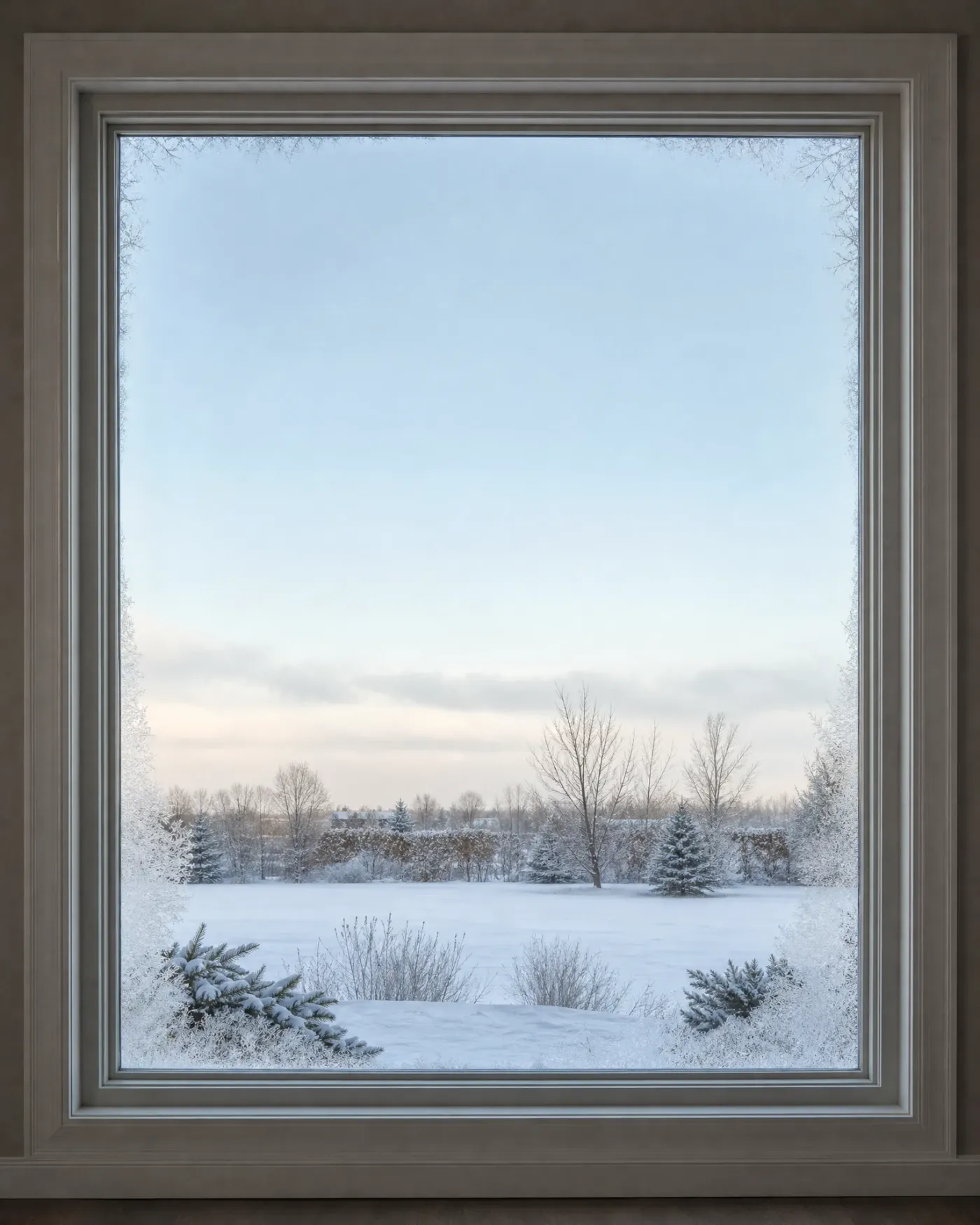

Heat pump vs oil heat in Lindenhurst, NY

New system or replacementFurnace or heatingSuffolk County, NY
Step 1 of 2

What ZIP code is the job in?

A heat pump can replace oil heat in Lindenhurst, but most homes here still lean on oil for the coldest stretch of winter because a heat pump loses capacity as the temperature drops. Oil keeps putting out the same heat at 10 degrees that it does at 40. Some homeowners install a heat pump alongside the oil system, so the heat pump carries the mild months and the oil furnace takes over when it's too cold for the heat pump to keep up on its own. Others replace the oil system outright with a cold-climate heat pump rated to work through a Suffolk County winter. Either way, the choice comes down to how the two systems are sized and paired, and that has to be worked out for your house, your ductwork and your oil tank, not guessed at from a chart.

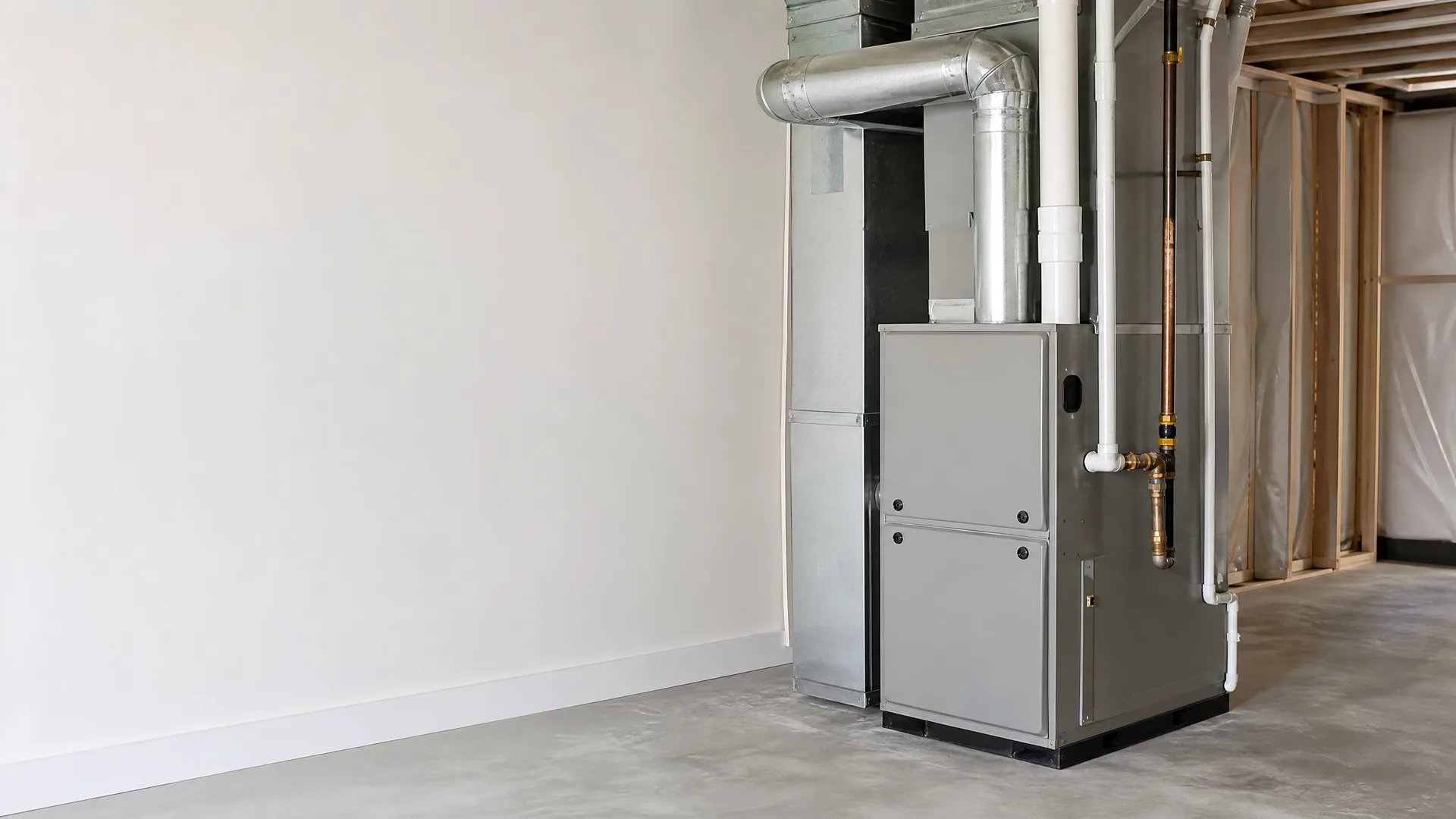
A gray high-efficiency furnace stands on a concrete basement floor beside galvanized sheet-metal ductwork, white PVC vent pipes, copper and black piping, and unfinished wood stud framing.

Oil Heat

Your oil furnace puts out the same heat whether it's 40 outside or 10. It burns oil stored in a tank on the property, so a delivery delay or a forgotten fill-up can leave you without heat. The burner, igniter, and heat exchanger are the parts that wear and need service over the years.

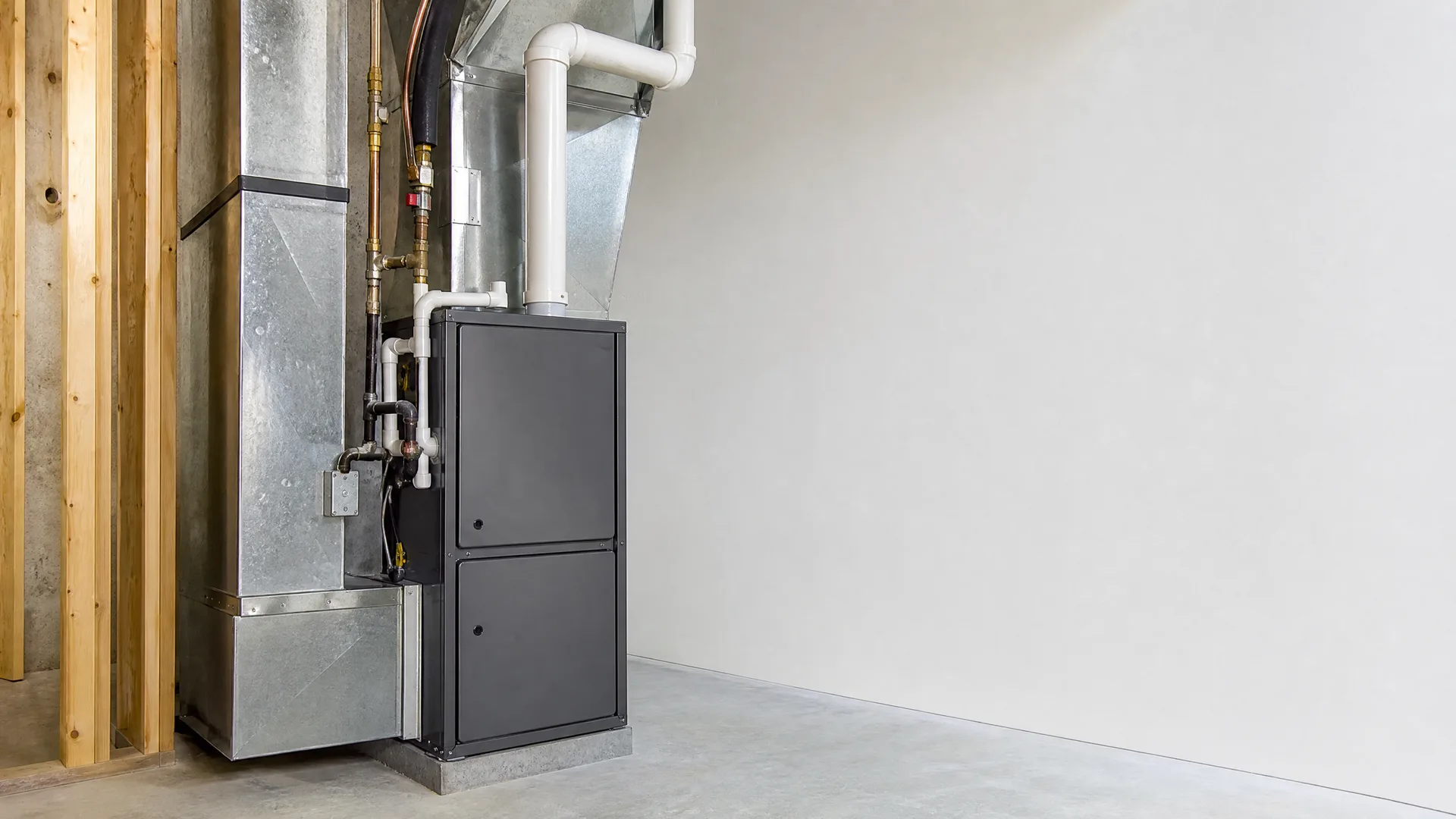
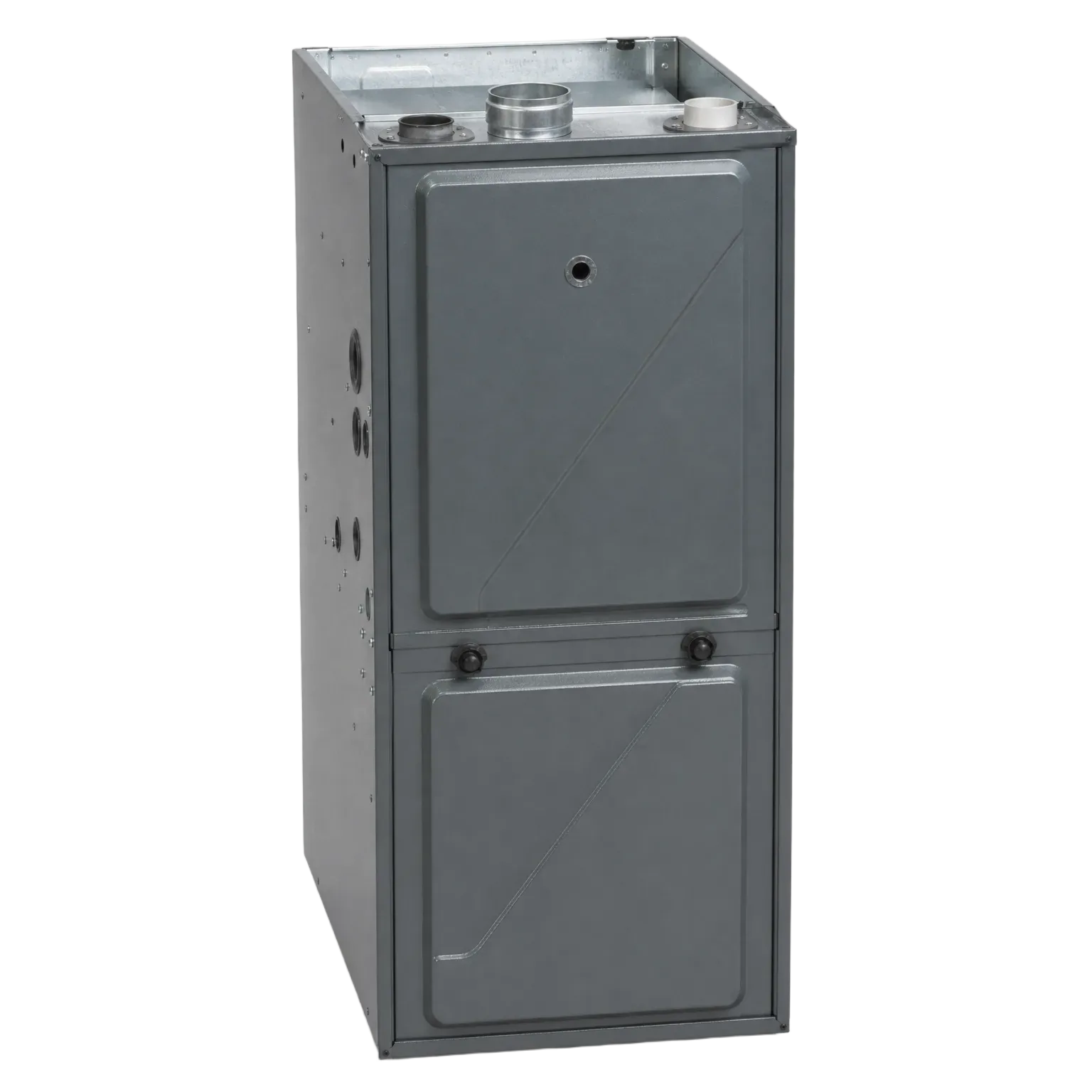
A gray furnace with two access panels stands on a concrete basement floor beside sheet-metal ductwork, with pipes, flexible conduit and an electrical box on the concrete wall to the left.

Heat Pump

A heat pump pulls heat from the outside air and moves it inside, running on electricity instead of a tank of oil. It loses capacity as the temperature drops, so on the coldest nights here it may not keep up alone. Suffolk County's electric rates make running one through a cold snap costly.

Heat Pump or Oil: Weighing Winter Heat

Heat Pump

  • A heat pump moves heat instead of burning fuel, so there's no tank to fill and no delivery schedule to track.
  • Output drops as the temperature outside drops, which is why most homes here keep a backup source for the coldest weeks.
  • It also runs air conditioning in summer, so one system covers both the muggy months and most of winter.
  • Running it leans on electricity, and Suffolk County's rates are among the highest in the country, so the summer cooling bill and the winter heating bill both reflect that.
  • A heat pump needs a licensed installer who sizes it to the house, since undersized equipment struggles on the coldest nights and oversized equipment short-cycles.
  • There's no chimney or flue needed the way an oil furnace uses one.

Oil Heat

  • An oil furnace puts out the same heat at 10 degrees as it does at 40, so it doesn't lose ground in a hard freeze.
  • It depends on a tank staying filled, and a missed delivery in January means no heat until oil shows up.
  • Oil prices move with the market, so the cost per gallon isn't fixed the way an electric rate mostly is.
  • The burner, igniter, and heat exchanger are the parts that wear and need yearly service to keep the furnace firing clean.
  • It only heats. Cooling the house in summer still calls for a separate air conditioner or system.
  • Switching away from it means removing or decommissioning the tank, which is its own job for a licensed contractor.
A dark gray furnace connected to galvanized sheet-metal ductwork, white PVC vent pipes and copper piping, standing against a plain light wall in a room with a bare concrete floor and exposed wood framing at left.

Why cold air strains a heat pump

A heat pump pulls heat out of the outside air and moves it inside. At 40 degrees there's still plenty of heat in that air to grab. At 10 degrees there's much less, so the unit has to work harder for the same result and its output drops. That's the point where oil heat, which burns fuel instead of relying on outside air, keeps up without losing ground.

A gray high-efficiency furnace with sheet-metal ductwork, white PVC vent pipes and copper piping stands against a wall in an unfinished basement with a concrete floor and insulated wood stud framing at right.

What the backup actually does

In most homes here that keep oil alongside a heat pump, the oil furnace isn't a backup that sits idle. It's set to take over once the temperature outside drops past the point where the heat pump can keep the house warm on its own. The switch can happen automatically if the two systems are wired together, or you can set the oil furnace to run on the coldest days yourself.

How cold does it actually get, and for how long?

  • Winter nights average 26°F

    Overnight temperatures this low are exactly when a heat pump loses capacity and oil heat doesn't, which is why most homes here keep oil for January and February.

  • Heat runs October through May

    Eight months of heat a year means the equipment you install is running most of the year, not just a few cold snaps, so it has to hold up to steady use.

  • 44% of homes heat with fuel oil

    With oil already in 44% of homes here, a contractor working in Lindenhurst is used to tying a heat pump into an existing oil setup instead of ripping everything out.

NOAA nClimDiv 1991-2020 · ACS 2020-2024

A gray-haired man in a dark long-sleeve shirt sits on a gray sofa in a living room, looking toward a sunlit window with sheer curtains.
A gray-haired man in a dark green sweatshirt sits on a sofa in a living room, looking toward a bright window, with a houseplant, lamp, fireplace and framed art behind him.
A gray-haired bearded man in a dark green collared sweater sits on a sofa in a living room with a window, houseplant, floor lamp and bookshelves, looking off to the side.
A gray-haired man in a dark green sweater sits on a sofa in a sunlit living room, looking off to the side, with a framed landscape painting, dining table and shelving behind him.

One form, no calling around

Only one pro gets your request, so you hear from one company.

No fee to send it, and nothing to sign.

How a Dual Fuel System Switches

  • A dual fuel setup wires the heat pump and the oil burner to one thermostat that switches between them on its own.
  • The thermostat has a balance point, a set outdoor temperature below which it calls for oil instead of the heat pump.
  • A contractor sets that balance point based on your heat pump's output and your home's heat loss, not a factory default.
  • The oil burner still needs its own ignition and fuel line kept in working order, since it's doing the coldest weeks of work alone.
  • The heat pump's outdoor unit has a defrost cycle that briefly reverses to melt ice off the coil, then switches back to heating.
  • Sizing the heat pump to the house, not the oil furnace it's paired with, is what decides how many months it carries the load.

A dual fuel setup is two heat sources wired to one control, not two systems you manage separately. The thermostat watches outdoor temperature and decides which one should be running. Above the balance point, the heat pump carries the house on its own, pulling heat from outside air. Below it, the thermostat shuts the heat pump off and fires the oil burner instead, because that's the point where the heat pump's output can't keep up with how fast the house loses heat. Setting that balance point correctly takes more than a default number. A contractor looks at what the heat pump actually puts out as it gets colder and weighs it against how the house holds heat, then sets the switch point there. Get it wrong and the oil burner either kicks in too early, burning fuel the heat pump could have handled, or too late, leaving the house to lose ground before oil takes over.

The oil burner doesn't disappear just because the heat pump covers most of the season. It still needs its igniter working and its fuel line clear, because it's the only thing running on the coldest nights, with no heat pump sharing the load. Outside, the heat pump's coil will frost over in cold, damp air, so the unit periodically reverses itself for a few minutes to melt the ice off before going back to heating. That's normal operation, not a malfunction. How many months the heat pump actually carries before oil takes over depends on sizing it to the house's heat loss, not to the size of the oil furnace already sitting there.

A gray high-efficiency furnace with white PVC vent pipes stands beside sheet-metal ductwork and a water heater in an unfinished basement with concrete walls and wood framing.
A furnace like this draws combustion air and vents through PVC pipe, so it can sit tight against new ductwork without a chimney to tie into.
A beige gas furnace with a metal flue pipe stands in a basement against concrete block walls, beside sheet-metal ductwork, copper and white plastic pipes, and a water heater at right.
Galvanized ductwork and old piping like this often mean a furnace near the end of its run, worth a second look before another winter on it.

Winter nights average 26°F

A night in the mid-20s is routine here from December through February, not a cold snap. That's the range where a heat pump has to work hardest and still gives up the least heat, which is why so many furnaces in the area stay hooked up for those three months.

NOAA nClimDiv 1991-2020

A wooden table in the foreground holds a closed laptop and a ceramic mug of coffee, with a spindle-back wooden chair behind it, a beige wall with paneled wainscoting, a window at left, and a kitchen counter with a cutting board, bowl of fruit and greenery at right.

Where that leaves your furnace

A heat pump can take over most of the year and cut down on how much oil you burn. Your furnace still earns its keep in January and February, when the air outside doesn't hold enough heat for the heat pump to carry the house on its own. A dual fuel setup is how the two work together instead of one replacing the other, and getting the balance point set right is what makes that switch invisible to you.

Sorting that out means finding someone who installs heat pumps and still knows oil systems, since a lot of contractors only do one or the other. This connects you with one licensed, local contractor who works on both and has seen what tends to go wrong with each in houses around Lindenhurst, so you're not stuck calling around and repeating your situation to five different companies before you even get a quote.

Interior corner of a dining room with a round wooden table, a ceramic vase holding olive branches, a dark spindle-back chair near a curtained window, and a sideboard with a lamp against beige walls.
Corner of a room with a white window at left, a white fireplace mantel with dark stone surround at right holding a weathered clay vase of leafy branches, and a cream upholstered sofa with a knit throw and tan pillow in the foreground.
A cushioned window seat with a brown lumbar pillow beside a white-framed window overlooking green trees, next to built-in cream cabinetry with shelves holding ceramic vessels and a wooden bowl.
An entryway with a dark wood console table holding a stone vase of olive branches and a shallow wooden bowl, a woven basket on the lower shelf, a framed landscape print on the wall, and a glass-paned wood door at left.
A wooden vanity cabinet with dark knobs and a beige stone countertop holding a round terracotta vase with leafy branches, beside a wood-framed mirror and a white sink.
Sunlit room corner with wide-plank oak flooring, white baseboard molding and beige walls, a window at left showing green trees, and a dark cabinet at right topped by a stone vase holding a leafy branch.

Skip the search

A licensed pro who works in Suffolk County gets your request.

Find a local pro

Sending the form costs nothing.