This county gets hit
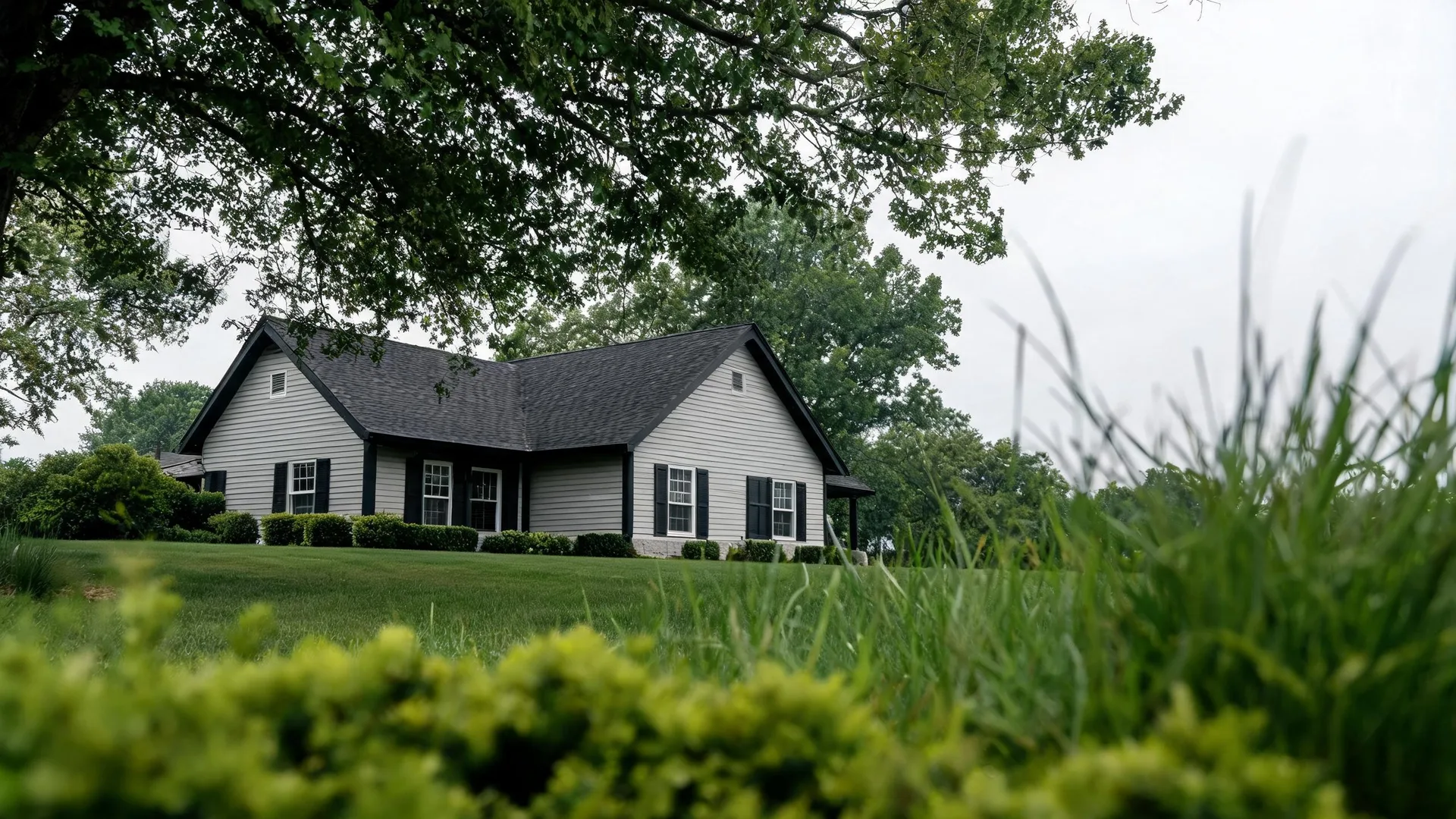
Chautauqua County logged 300 severe weather events between 2015 and 2024, including 253 rounds of damaging wind, 24 winter storms, 21 hail events and 2 tornadoes. That is a lot of chances for something outside to take a hit.
Takes about a minute. No obligation.
Chautauqua County logged 300 severe weather events between 2015 and 2024, including 253 rounds of damaging wind, 24 winter storms, 21 hail events and 2 tornadoes. That is a lot of chances for something outside to take a hit.
Gas furnaces here still need electricity to run the blower and controls. Statewide, 11% of households went at least a day without power in 2024. A furnace that worked fine before the lights went out is worth a second look once they come back on.
NOAA nClimDiv, 1991–2020 normals
Your furnace runs about eight months a year here, October through May.
That much runtime wears parts down sooner, and a repair now is worth doing right.



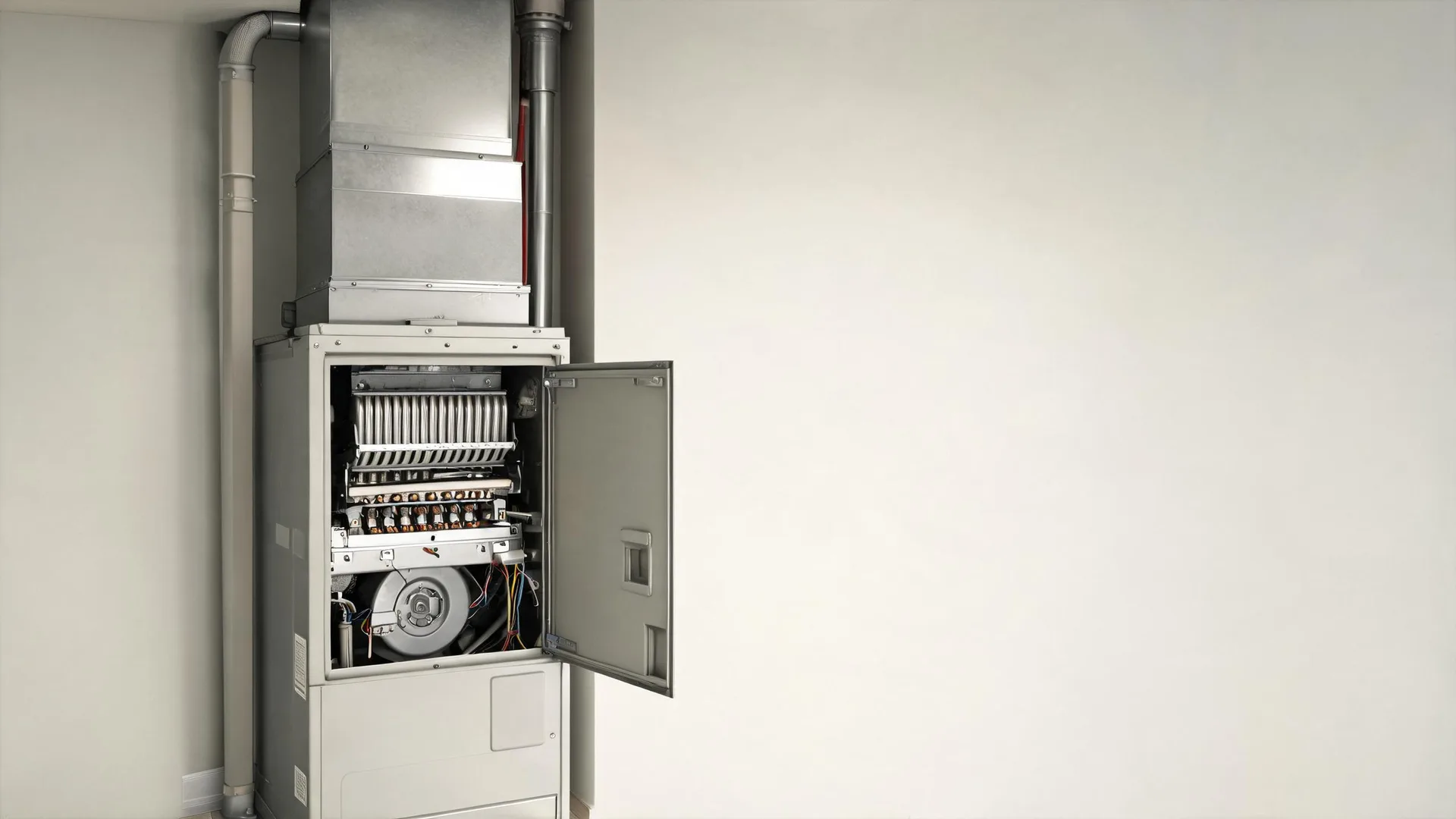
Heat goes on in October here, and most of the trouble starts in the first weeks after that. A furnace that sat quiet since spring gets asked to run for hours at a stretch, and whatever was already worn gives out under that load. A cracked heat exchanger, a weak igniter, a blower motor on its way out, the kind of thing that didn't matter in September starts to matter in October. Waiting until January to deal with it means waiting through the months when Jamestown's overnight lows average 19 degrees. The smarter time to get a furnace looked at is right when it starts running, not after it's been carrying the cold for weeks.
Power and weather are harder on this furnace than most. If the outdoor power went out recently, or a storm came through, it's worth having someone check the furnace before you need it for a hard stretch of cold.
Find a contractor
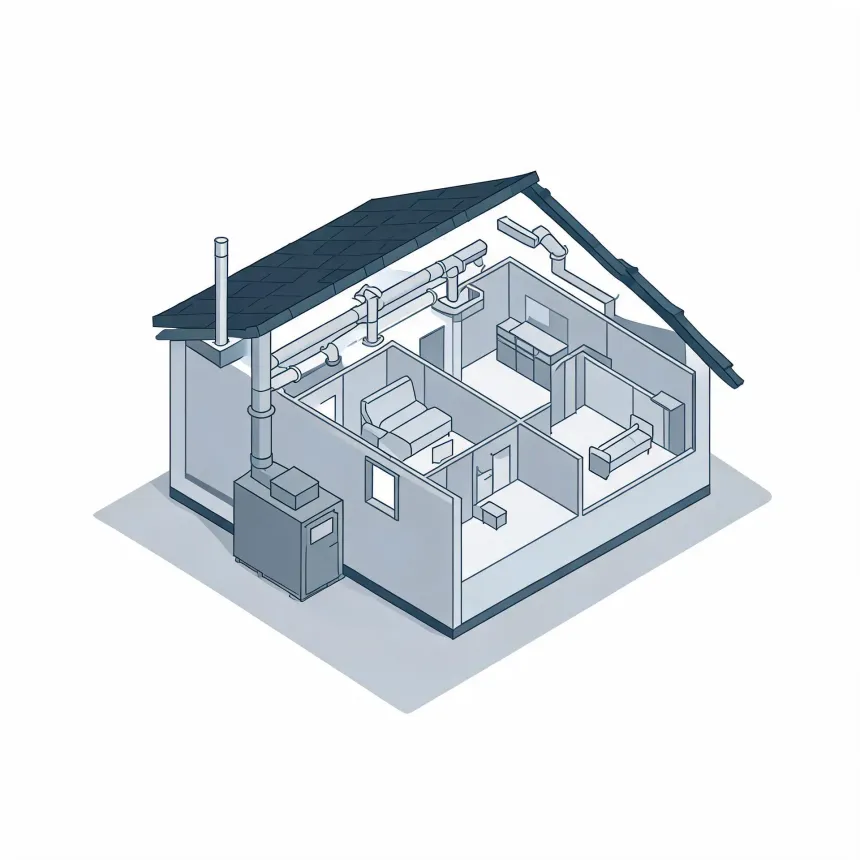
Half the homes in Chautauqua County were built in 1953 or earlier. A furnace in a house that old has usually been replaced at least once, sometimes more, but if yours came with the house, or you're not sure when it was put in, that matters now. Old ductwork and old wiring don't fail on their own timeline. They make the furnace connected to them work harder, and a furnace that's already old doesn't have much room left to absorb that. Before paying for a big repair, it's worth asking how many years the unit has left in it. Sometimes the honest answer is that the repair isn't worth it.
A furnace that won't light usually has a bad igniter, a flame sensor coated in residue, or a dirty flame sensor that can't tell the burner is lit and shuts the gas back off. Igniters burn out from normal cycling over the years. A flame sensor just needs cleaning most of the time, but once it cracks it has to be replaced.
A clogged filter chokes airflow, and the furnace overheats and shuts itself off on a limit switch to protect the heat exchanger. Left alone, that cycle of overheating and shutting down stresses the blower motor and the exchanger itself, turning a cheap fix into a expensive one. A blower motor that's starting to go will often announce itself with a new noise before it quits for good.
Estimates for a typical Chautauqua County home, compared with an older unit built to the previous federal minimum, from EIA household energy data, New York fuel prices and NOAA climate normals. Your home will differ.
Repair makes sense when one part has failed and the heat exchanger is sound.
Replacement makes sense when the heat exchanger is cracked or the furnace keeps needing parts.
A diagnostic visit starts before any panel comes off. A tech asks what the furnace was doing: short cycling, no heat, a smell, a noise, and when it started. Then the panels come off and the tech watches it run through a full cycle, from ignition through the blower kicking on to shutdown. That's where a bad igniter or a dirty flame sensor shows up, or a limit switch tripping because airflow is choked somewhere. Some of it is testing, not watching. A multimeter checks the igniter's resistance and confirms the control board is sending voltage where it should. Gas pressure gets checked at the manifold, since too high or too low both cause problems that look like something else. The visit ends with the tech telling you what's actually wrong, not just what's broken, and what it'll take to fix it.