


Why winter decides this
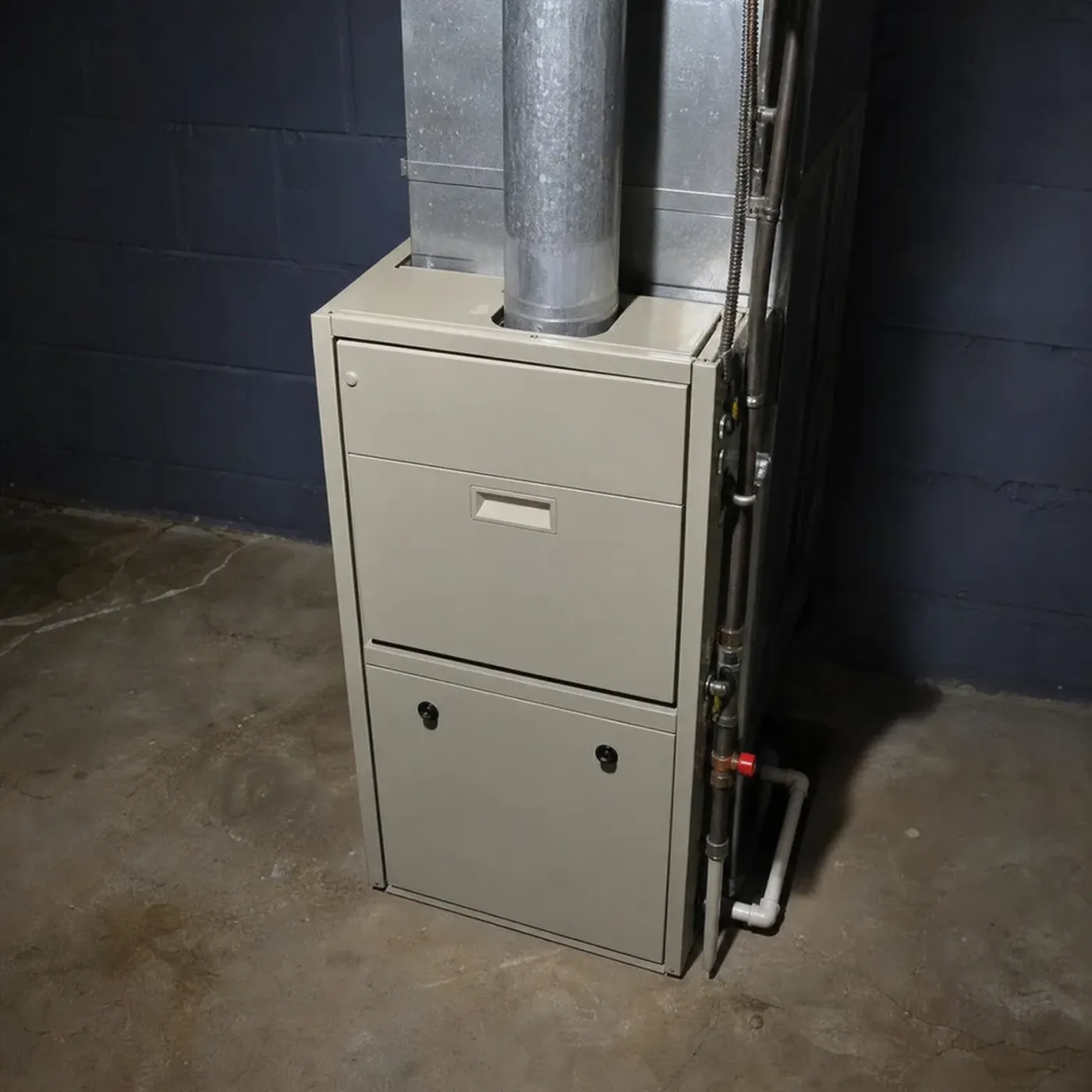
Your furnace, if you buy one, will run from October through May. That's eight months, longer than any other part of the house works. A heat pump has to answer for every one of those nights, not just the mild ones in October.
The average overnight low here in December, January and February is 19°F. That's below 40°F, where a standard heat pump starts putting out less heat than its rating says, and below 35°F, where it often needs backup heat to make up the difference. On an average winter night here, a standard heat pump is already working past both of those marks.
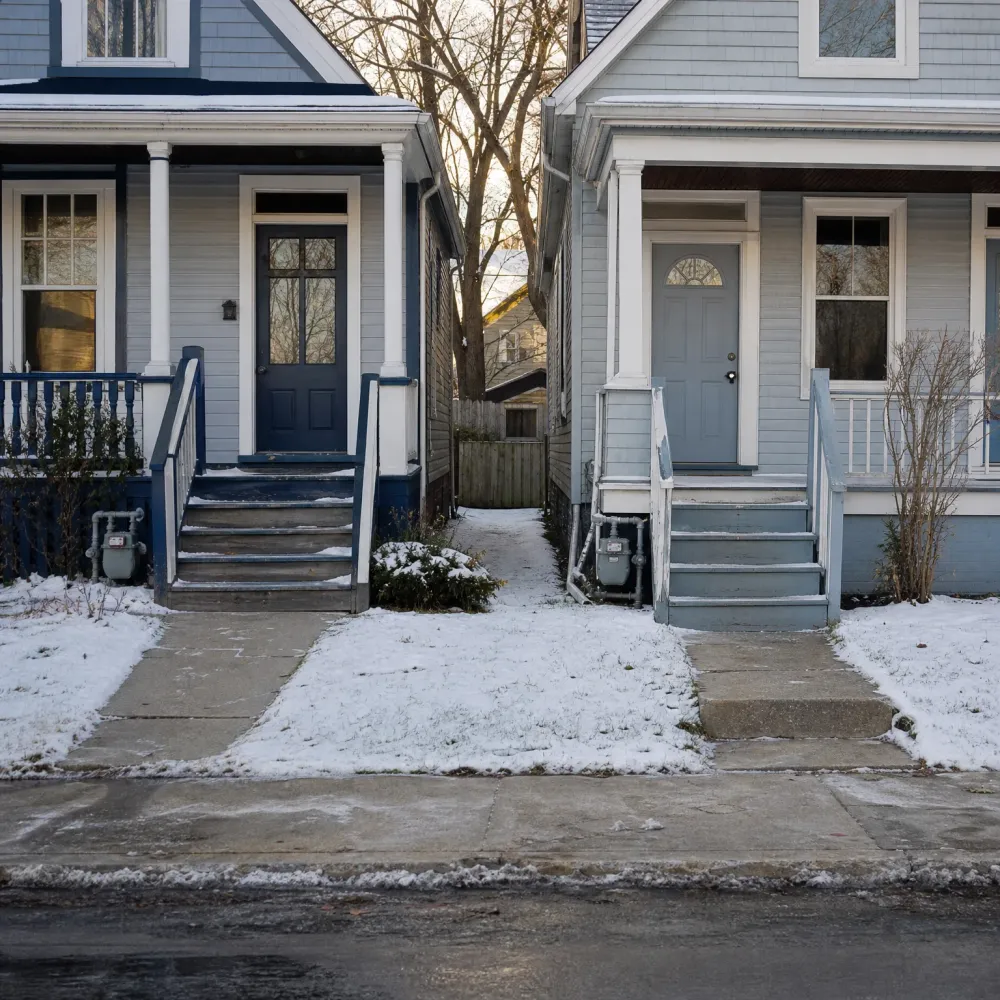
About 135 nights a year drop to freezing or below, more than half the nights across the whole heating season. Those are the nights a standard heat pump leans hardest on backup heat. Only about 6 nights a year reach 0°F or below, so the deep cold is rare, but the cold that gives a standard heat pump trouble is not rare here. It's most of the winter.
A heat pump built to the federal minimum costs $3.26 to make 100,000 Btu of heat here, against $2.00 for a gas furnace. That's what it costs to run one on New York's electric rates against the other on New York's gas rates, before any backup heat the heat pump needs on those 135 cold nights is added in. The furnace is cheaper to run at every point in that comparison.