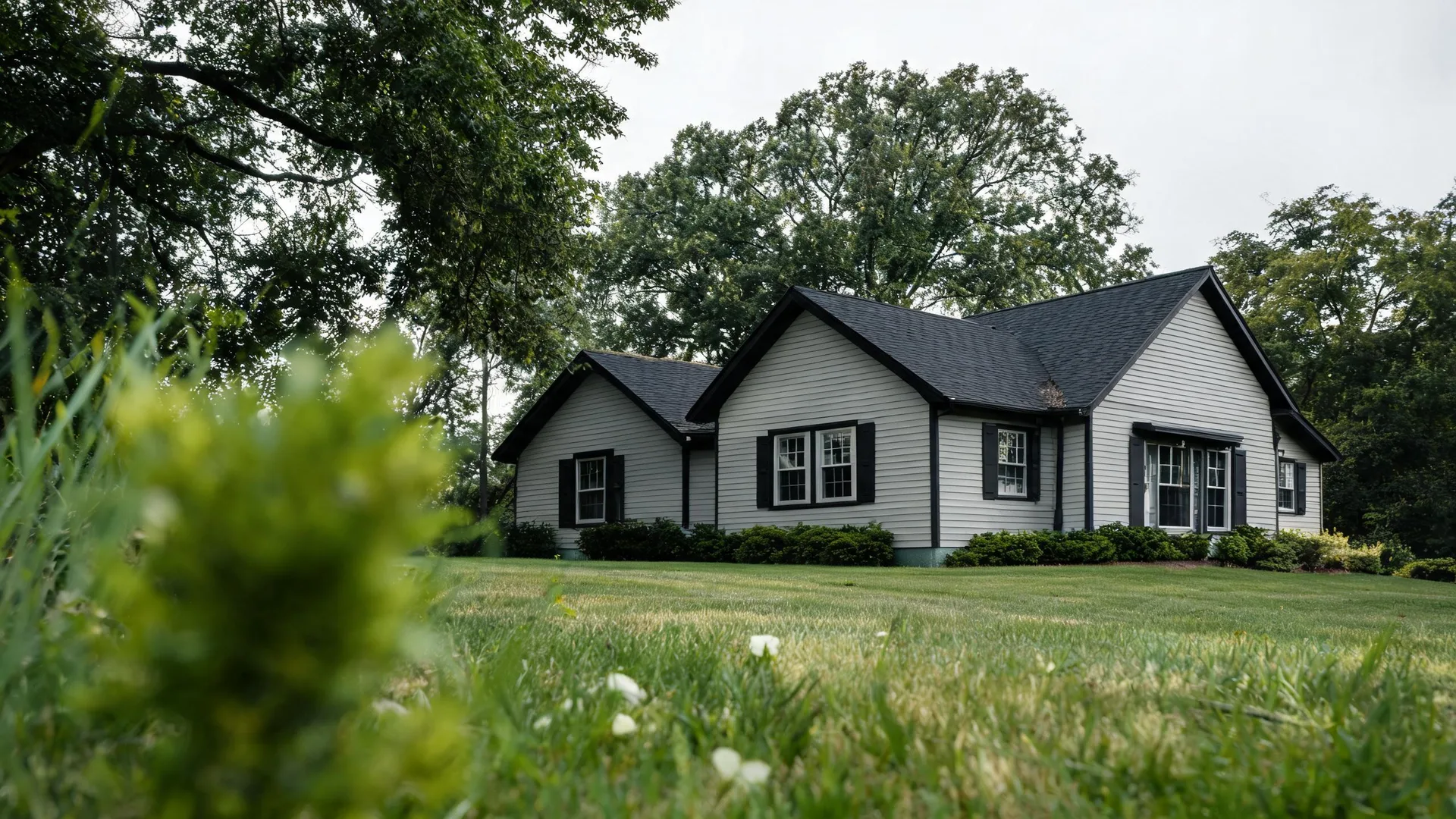





A single-story white house with dark gray shingled roof and black window shutters, set behind a mown lawn with blurred green foliage in the foreground and large deciduous trees behind.

Furnace Repair in Corning, NY

Tell us about the job

Takes about a minute. No obligation.

RepairFurnace or heatingSteuben County, NY
Step 1 of 2

What ZIP code is the job in?

Furnaces in Steuben County run about nine months a year, from September through May. That's most of the calendar spent cycling on and off against a cold that doesn't let up until spring. An igniter or a blower motor isn't built to run that many months and rest the other few. It's built to last a certain number of cycles, and a furnace here reaches that number sooner than one in a place with a short winter. So when something starts acting up, it's rarely bad luck. It's a part that's done more work than most furnaces ever ask of it. Worth having someone look at the actual cause before replacing anything.

9 months
September through May, your furnace is on duty
17°F
the average winter night it heats against
55%
of homes here heat with gas, so most furnaces here burn gas
10 winter storms
in ten years, the nights a failure hurts most
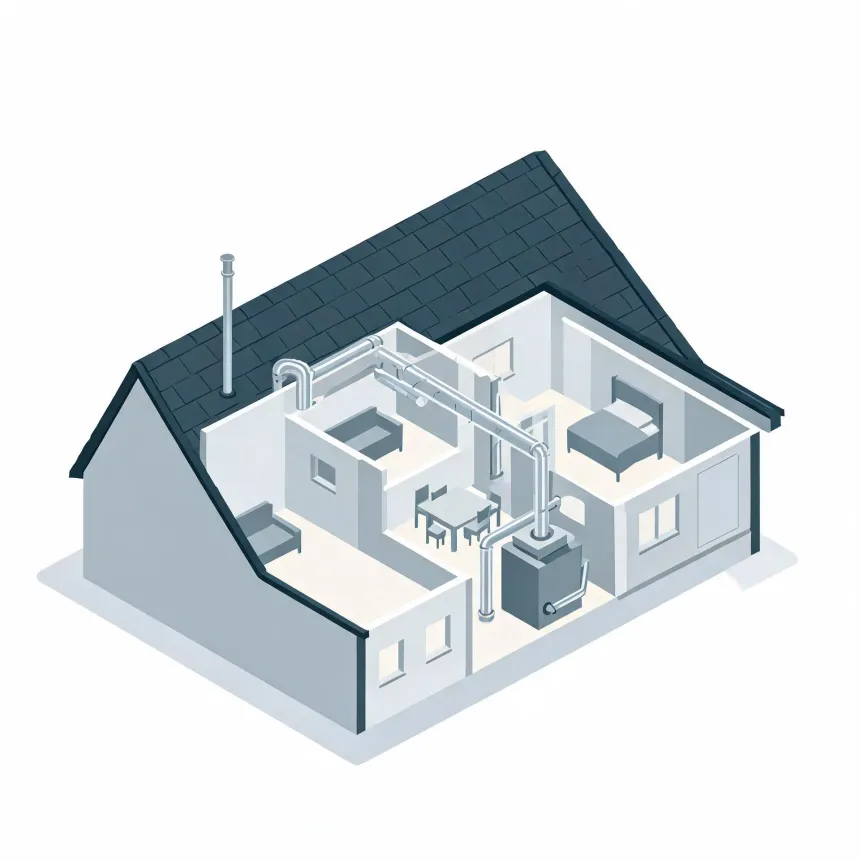
Isometric cutaway illustration of a single-story house with a dark shingled roof, showing interior rooms with furniture and a ducted furnace unit connected to metal ductwork and a roof flue.
Your furnace works hardest from November through March.

NOAA nClimDiv, 1991–2020 normals

September is when furnaces here start their first long stretch of the year.

A weak igniter or blower motor usually fails in those first few weeks, not in the dead of winter.

Gas here runs $16.03 per million Btu, and a struggling furnace burns more of it every month this winter

Climate zone 5A
Heat runs September through May
Winter nights average 17°F
An Older Furnace Has Already Done More WorkHalf the homes in Steuben County were built in 1963 or earlier, and their furnaces have logged a lot of winters.

A furnace that's short cycling, running constantly, or struggling to reach temperature isn't just uncomfortable. It's pulling more gas to do the same job, and that shows up on every bill until someone fixes the actual problem. Waiting until spring doesn't save money, it just means paying the higher rate for a few more months of a furnace working against itself. A dirty burner, a failing blower, or bad airflow all make the unit run longer than it should to heat the same house. Getting it looked at now stops the waste instead of just living with it through the cold months ahead.

Get the Real Cause Fixed Before Winter Asks More of It

A furnace acting up now is doing it because it's already put in more hours than most furnaces ever have to. Finding the actual cause, not just swapping a part, is what makes the fix hold for the rest of the winter.

Find a contractor
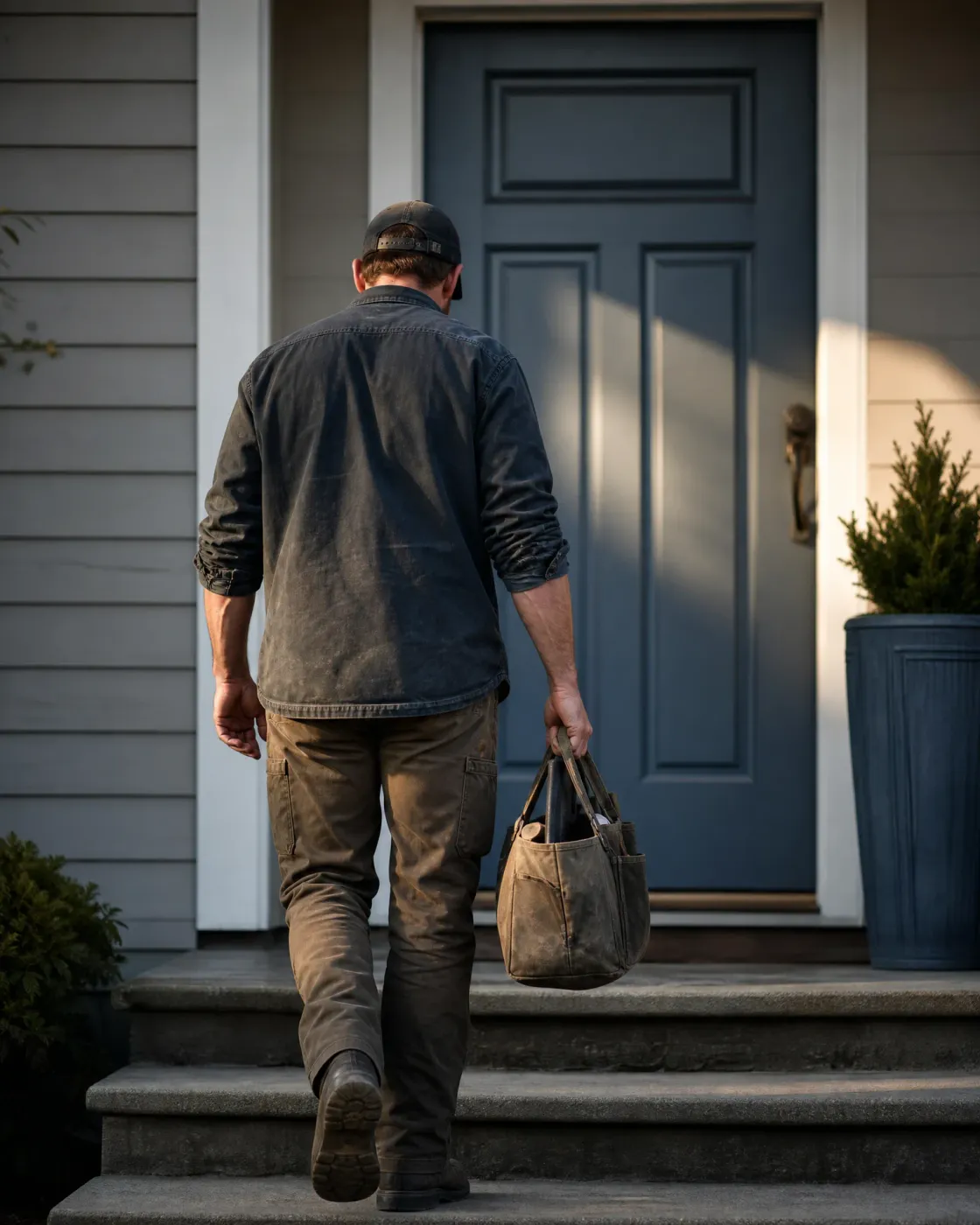
A man in a cap, dark work shirt and brown cargo pants walks up concrete steps toward a blue-gray front door, carrying a worn canvas tool bag in his right hand, with a potted shrub beside the entry.
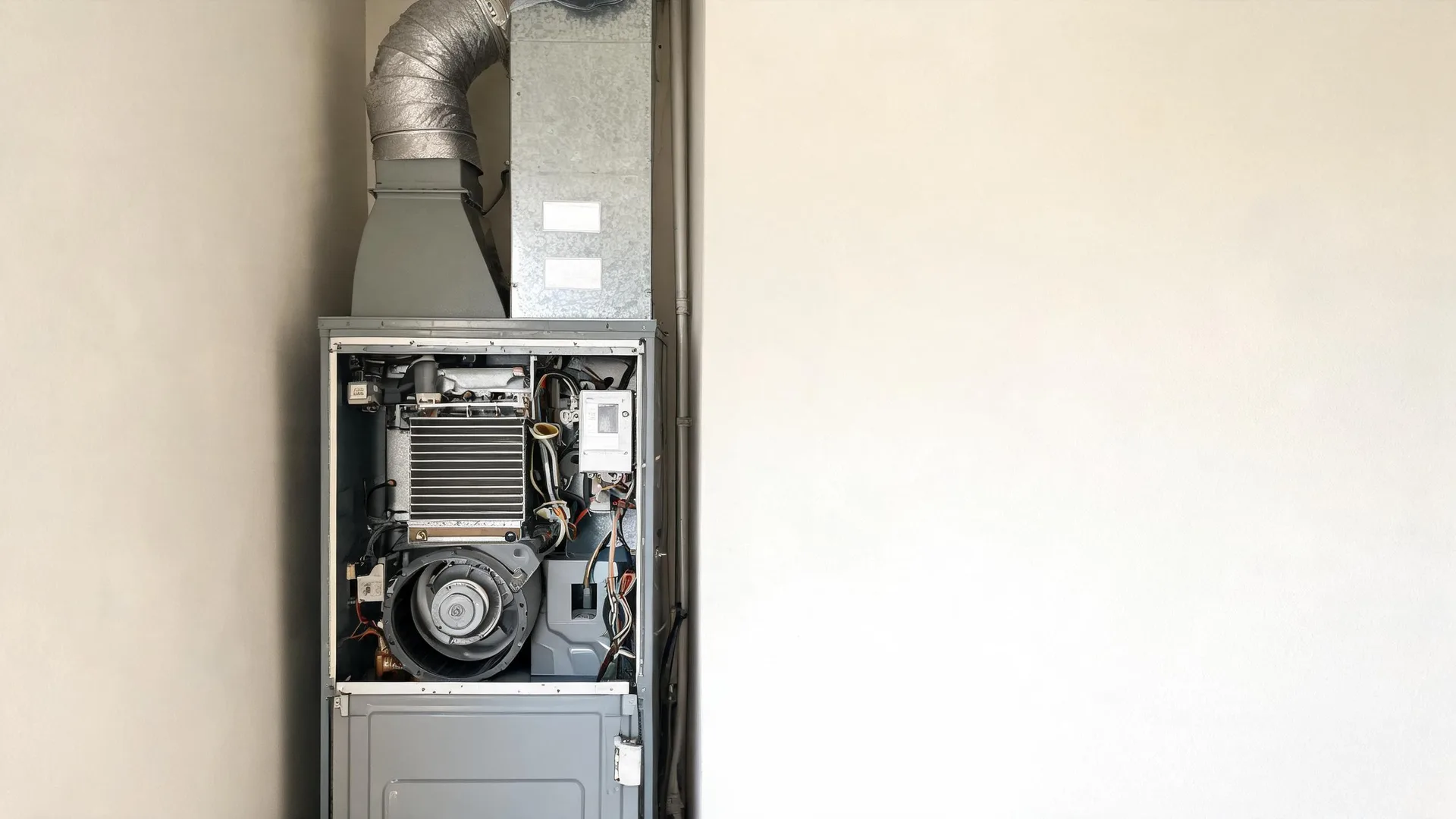
A gray gas furnace with attached ductwork and piping installed in an unfinished concrete basement.

How Much Life Is Left in It

A furnace doesn't fail on a fixed schedule. It fails after a certain number of hours and cycles, and a furnace in a house built decades ago has already put in a lot of both. If yours came with the house, it's worth finding out its age before paying for a major repair. A part worth replacing on a furnace with years left isn't worth replacing on one that's near the end anyway. A technician can check the age and condition in the same visit as the repair, and that tells you whether you're fixing a furnace or just delaying a replacement.

A Small Problem Doesn't Stay Small

A cracked heat exchanger gets worse every hour the burners keep firing through it. A blower motor with a failing bearing keeps grinding until it seizes. A furnace that's short cycling puts more wear on the ignition system with every restart. None of these fix themselves by running. They get worse on the same schedule they were already on, just faster, because the thing causing the trouble is still there doing damage with every cycle.

Running It Can Turn a Repair Into a Replacement

A furnace that's struggling to light or struggling to stay lit is putting stress on parts downstream of the problem, not just the part that's failing. A weak igniter forces more retries, and every retry is wear on the control board. A dirty flame sensor causes shutdowns that strain the inducer motor. Shutting it down and having someone look at it catches the problem while it's still one part. Letting it run can turn that into two or three.

A gas furnace and sheet-metal air handler unit installed in an unfinished concrete basement.

A new furnace would cut about $180 a year off heating for a typical Steuben County home.

  • A new high-efficiency furnace$760 a year
  • An older furnace$940 a year

Estimates for a typical Steuben County home, compared with an older unit built to the previous federal minimum, from EIA household energy data, New York fuel prices and NOAA climate normals. Your home will differ.

Repair makes sense when one part has failed and the heat exchanger is sound.

Replacement makes sense when the heat exchanger is cracked or the furnace keeps needing parts.

Not every repair is worth making, and the furnace itself usually makes that clear if you know what to check. Age matters less than condition. A heat exchanger that's cracked or a control board that's been fried by a power surge can end the conversation regardless of what else is fine. But a failed capacitor, a bad flame sensor, or a worn blower motor are normal wear items on an otherwise sound furnace, and replacing just that part is usually the right call. The question worth asking isn't just what this repair costs, it's whether the rest of the furnace is in shape to make that repair worth doing. A technician diagnosing the immediate problem can tell you the condition of the heat exchanger and the cabinet at the same time, since those are what decide whether you're looking at a repair or the start of a replacement conversation.