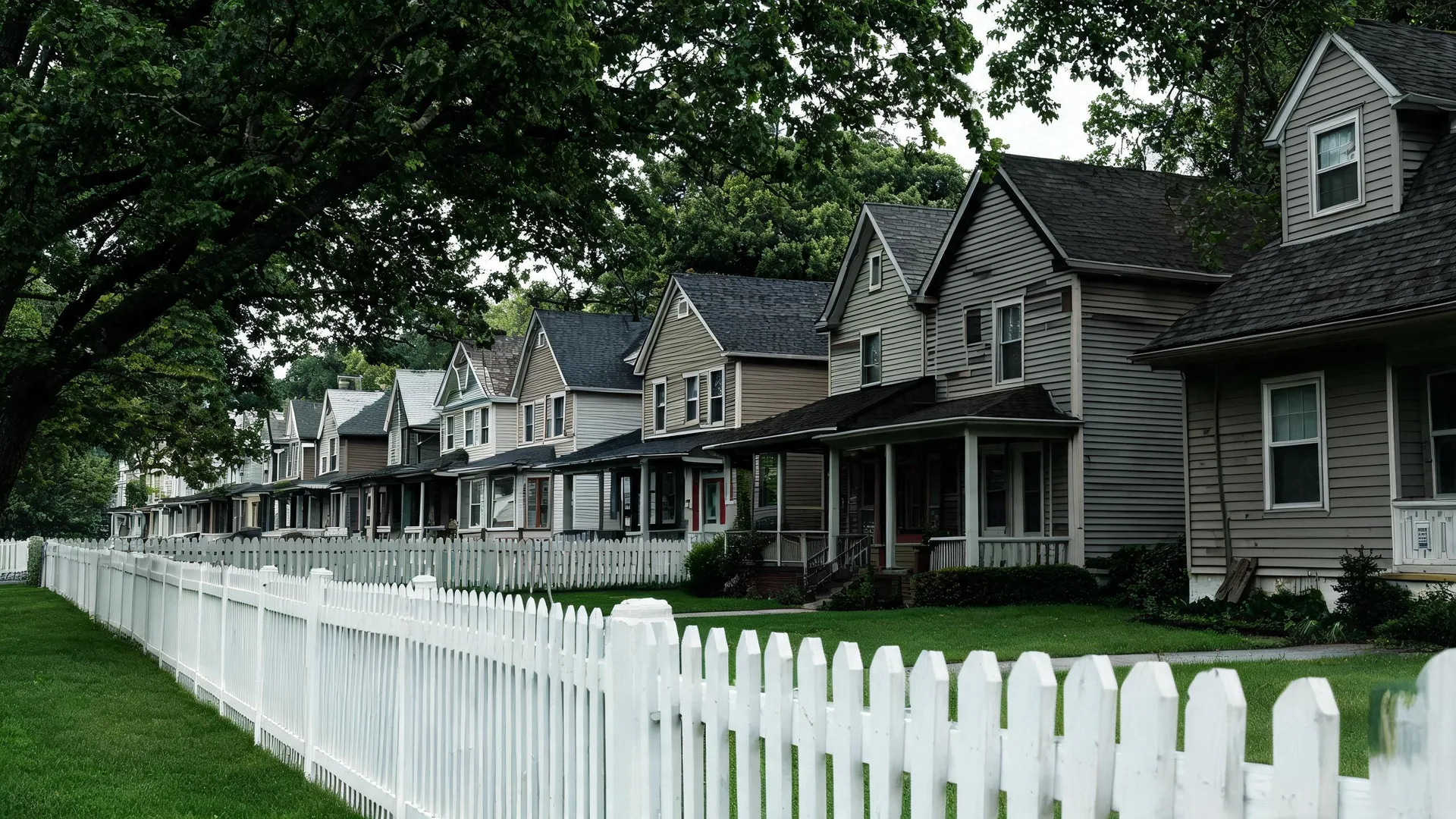




A row of similar two-story wood-sided houses with gabled roofs and porches behind a white picket fence, with lawns and large shade trees.

Furnace Repair in Brooklyn, NY

Tell us about the job

Takes about a minute. No obligation.

RepairFurnace or heatingKings County, NY
Step 1 of 2

What ZIP code is the job in?

Your furnace here runs from October through April, about seven months straight, with overnight lows averaging 29°F in January. That's a normal workload. Nothing about Brooklyn winters burns out a furnace faster than it would anywhere else in the Northeast. When one quits or starts acting up, the cause is almost always something ordinary. A dirty flame sensor. A clogged filter choking airflow. A failed igniter. A thermostat wired wrong. The storms that roll through some winters can trip a breaker or knock out power long enough for a system to need a reset, but that's not damage, just a restart. A furnace acting up in Kings County is telling you the same thing it would tell you anywhere. The fix is finding which part failed and replacing that part.

7 months
October through April, your furnace is on duty
29°F
the average winter night it heats against
72%
of homes here heat with gas, so most furnaces here burn gas
16 winter storms
in ten years, the nights a failure hurts most
Isometric cutaway illustration of a small house showing a furnace unit connected to ductwork and a vertical flue pipe extending through the dark shingled roof, with sparse furniture in the rooms.
Your furnace works hardest from November through March.

NOAA nClimDiv, 1991–2020 normals

Check the filter before you check anything else.

A filter clogged with dust can choke airflow enough to shut the whole furnace down.

Half the furnaces in Kings County are in homes built in 1944 or earlier

Half the homes here were built by 1944
Climate zone 4A
Heat runs October through April

A repair makes sense when the part that failed is the kind that fails on its own, regardless of age. Flame sensors, igniters, thermostats and control boards go bad in a furnace that's otherwise sound, and replacing that one part fixes it. Replacement starts to make more sense when the heat exchanger is cracked, since that part isn't sold on its own and isn't worth swapping into an old furnace. It also makes more sense when the repairs keep coming, one part this year and another next year, because that pattern usually means the whole unit is wearing out at once, not that it has bad luck. A tech can tell you which kind of problem you have once they've seen what failed. That's a better question to ask than what the repair costs by itself.

Get the usual fix

Nothing about this area is especially hard on it. It's most likely the usual problem with the usual fix.

Find a contractor
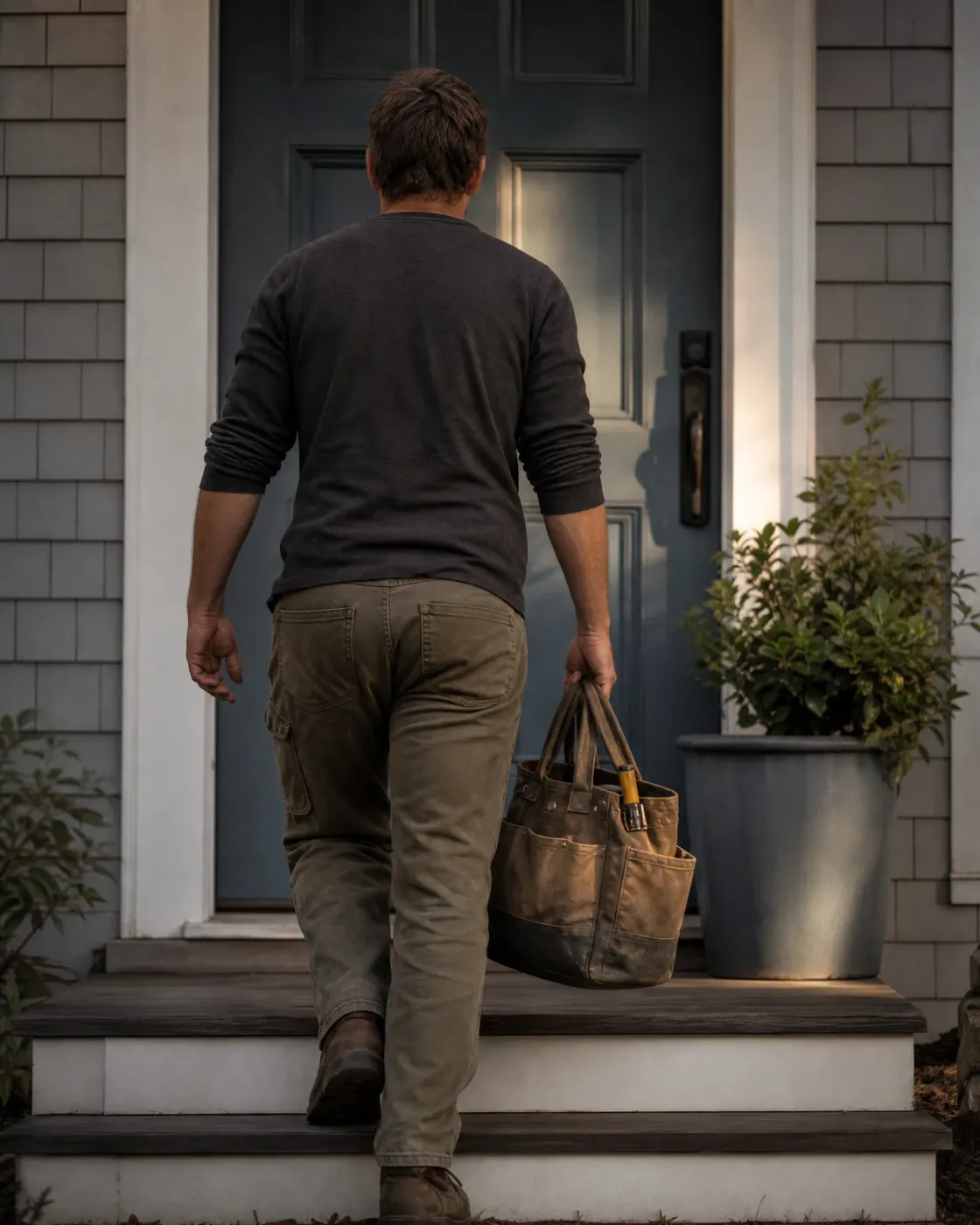
A man in a dark long-sleeved shirt and olive work pants carries a canvas tool bag up steps toward a blue-gray front door of a shingled house, with a potted shrub beside the entry.
A gray gas furnace with attached ductwork and piping installed in an unfinished concrete basement.

A small problem now stays small. Left alone, it doesn't

A furnace that's struggling still tries to do the job you're asking of it, and that's where the damage comes from. A cracked heat exchanger gets worse under heat cycling, not under sitting still. A blower motor with worn bearings keeps turning anyway, and keeps grinding while it does. A flame burning yellow instead of blue, because of a dirty sensor or bad airflow, lays down soot with every cycle it's allowed to run. The part that failed first is rarely the only part that pays for it. A clogged filter forces the blower motor to push harder, and a motor that runs hot wears out sooner than it should have. An igniter that's cracked but still sparking will eventually stop sparking, usually on the coldest night of the year. None of this means panic. It means a furnace acting up is worth a call before it quits outright.

Most failures start with dirt or age, not a defect

A flame sensor coated with a thin layer of carbon stops reading the flame and shuts the furnace down as a safety measure. A filter packed with dust starves the burner of air it needs to run clean. An igniter is a brittle strip that weakens with every cycle until one day it doesn't glow hot enough to light the gas. None of these point to bad luck. They're what happens to a furnace that's been used.

The part that fails tells you what to check next

A furnace that short cycles, turning on and off every few minutes, is usually fighting a dirty flame sensor or a clogged filter. One that won't fire at all points to the igniter or the control board behind it. A blower that runs constantly but pushes weak, cool air often means the motor bearings are worn or the ductwork is blocked somewhere a filter change won't fix. Knowing which symptom goes with which part is how a tech narrows it down before opening anything up.

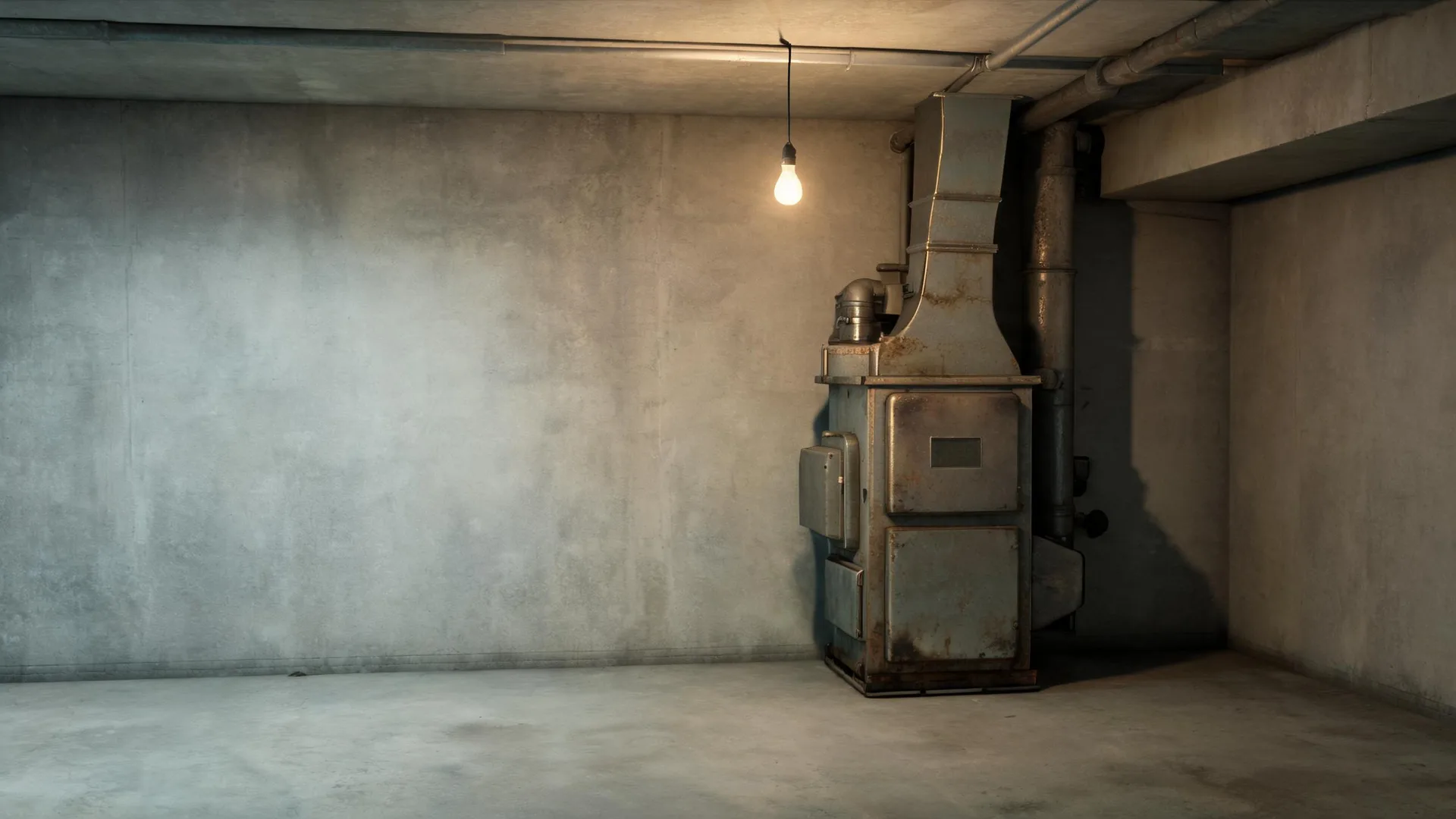
A bare concrete basement containing a gray gas furnace with metal ductwork and a vertical flue pipe, lit by a single hanging bulb.

A new furnace would cut about $120 a year off heating for a typical Kings County home.

  • A new high-efficiency furnace$490 a year
  • An older furnace$610 a year

Estimates for a typical Kings County home, compared with an older unit built to the previous federal minimum, from EIA household energy data, New York fuel prices and NOAA climate normals. Your home will differ.

Repair makes sense when one part has failed and the heat exchanger is sound.

Replacement makes sense when the heat exchanger is cracked or the furnace keeps needing parts.

A diagnostic visit starts before any panel comes off. The tech asks what the furnace was doing, when it started, and whether it's constant or it comes and goes. Then the cover comes off and they watch it run through a full cycle, because some problems only show up once the burner's been going a few minutes. They'll check the flame color, listen to the ignition sequence, and pull the flame sensor to look at it rather than guess. A multimeter checks the parts you can't see fail, like a control board signal or a safety switch that's open when it should be closed. The goal is to watch the furnace fail the same way it's been failing for you, then trace that back to the one part causing it.