


What winter here actually asks of a heat pump
Your furnace or heat pump runs seven months a year in Kings County, October through April. The overnight low averages 29°F across December, January and February. That number matters because a standard heat pump starts losing ground before it even gets that cold. Below 40°F its heat output falls short of its rated capacity, and below about 35°F it often needs backup heat to make up the difference. Your average winter night is below both marks.
That doesn't mean a heat pump leaves you cold. It means it's working harder, and often leaning on backup heat, through a good stretch of the season. About 70 nights a year here drop to freezing or below, under a third of the roughly 210 nights the heat runs. The hard cold is rarer still: of those 70 nights, only about 0.1 reach 0°F, the point where a heat pump struggles most.
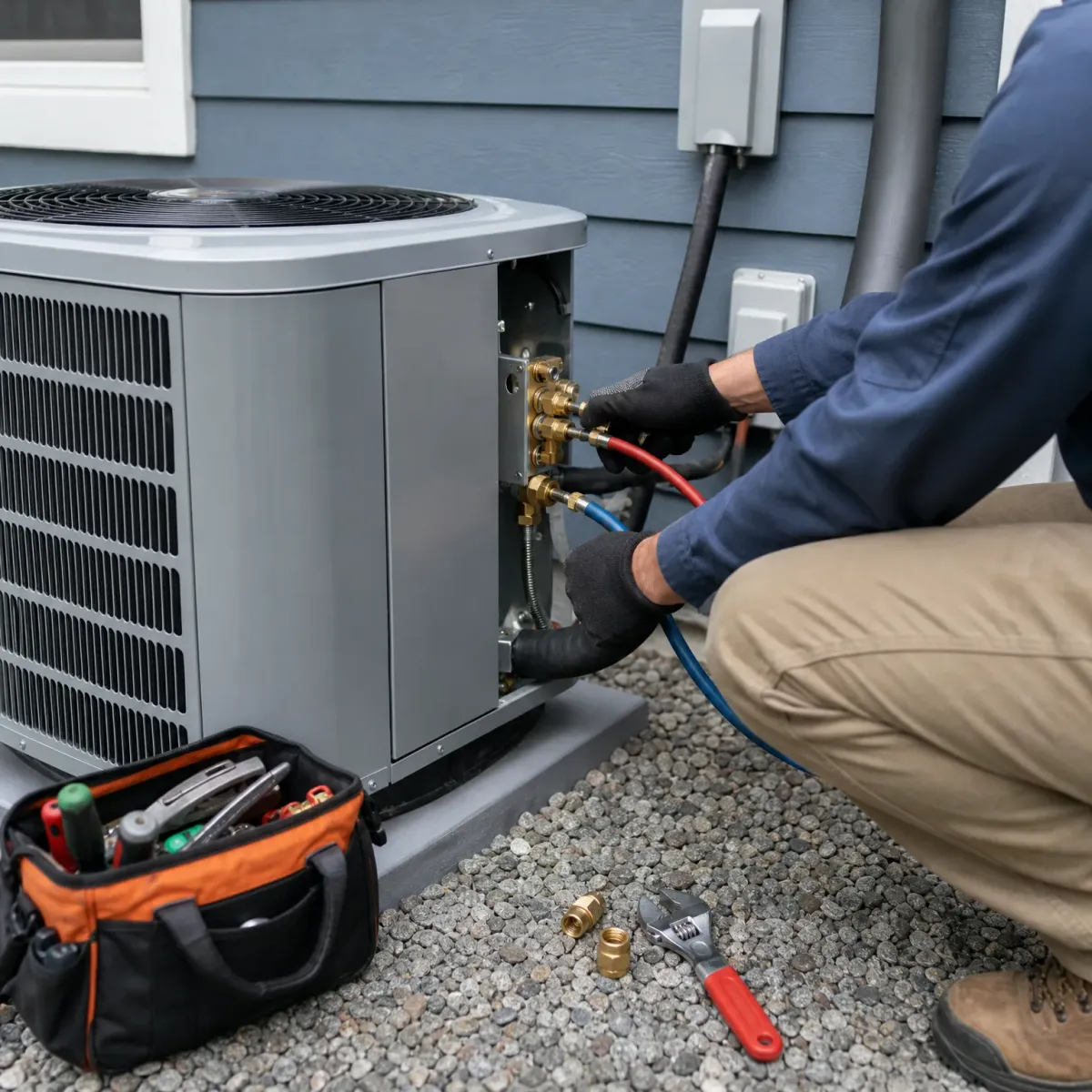
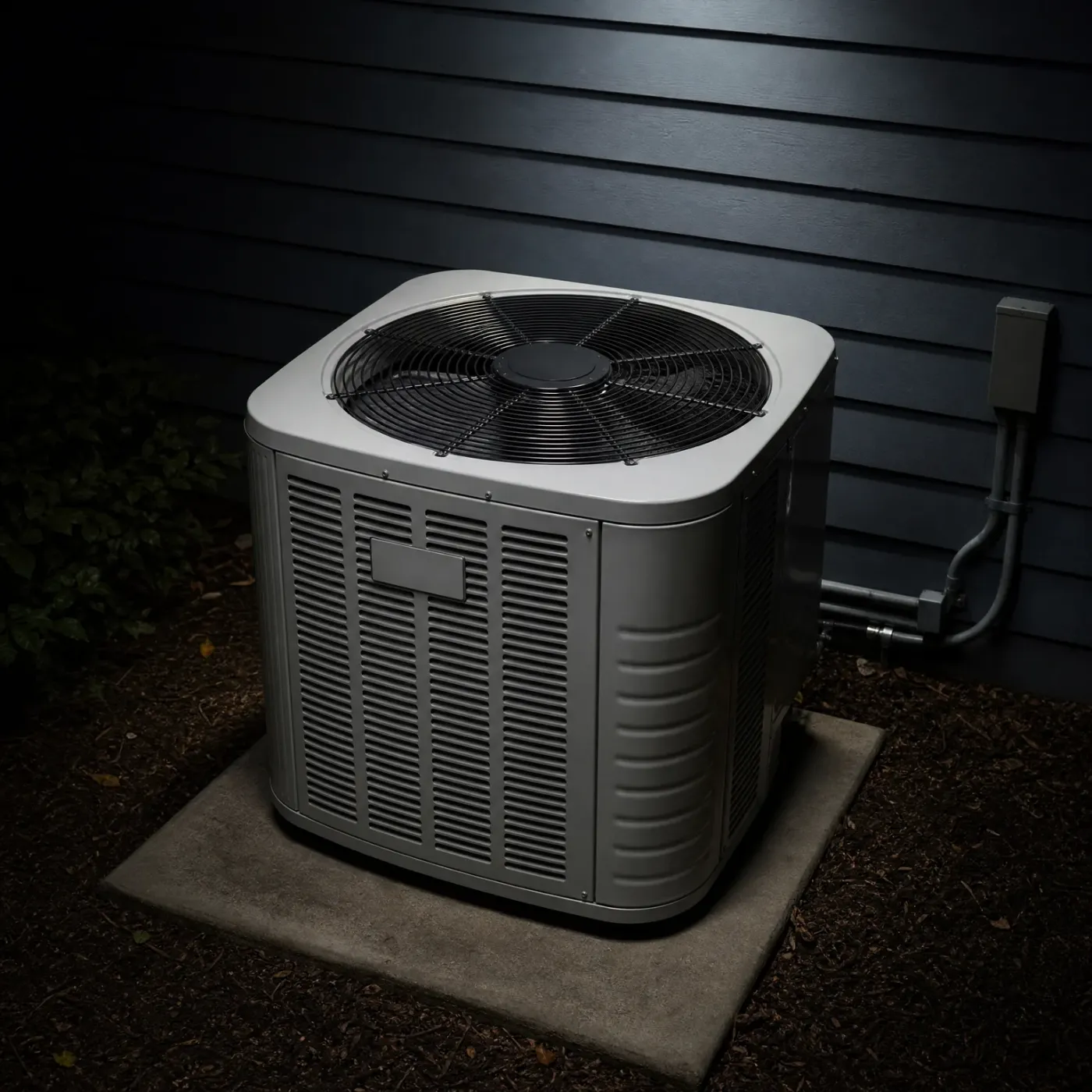
If you're looking at a heat pump, the ENERGY STAR Cold Climate rating is the thing to check for. To earn it, a heat pump has to deliver at least 1.75 units of heat per unit of electricity at 5°F, and hold onto at least 70 percent of its 47°F capacity at that temperature, verified by outside testing. A two-winter field test of these cold-climate models in occupied homes found backup heat covered only a small share of the heat needed between 0°F and 35°F, and running on backup alone was rare even above 0°F. A standard heat pump and a cold-climate one are not the same machine in a winter like this one.