





Heat pump vs gas heat in Brooklyn, NY

Get matched

You have a gas furnace, and you're weighing a heat pump against it. That's not a quick question to settle on your own. The right answer depends on your gas rates against Con Edison's electric rates, the size and layout of your place, and whether a heat pump can even handle a Brooklyn winter without backup. Some homes here do fine with a heat pump alone. Others need a hybrid setup that keeps gas for the coldest stretches. Sorting that out means someone looking at your actual ductwork, your actual furnace, your actual house, not a general rule. Figuring this out on your own means calling around, explaining your situation to each contractor, and comparing quotes that don't line up because nobody looked at the same thing. Answer a few questions here and you get matched with a contractor who installs heating systems in Kings County, and they'll reach out to go over what fits your home.

A gas furnace will heat your Brooklyn home on the coldest night of the year without working hard to do it. A heat pump will heat it too, but as the temperature drops, it has to pull more heat out of colder outside air, and somewhere around the teens or single digits, most heat pumps lose their edge and lean on backup electric heat to keep up. That's the trade-off. Gas gives you steady, strong heat no matter what winter does. A heat pump gives you both heating and cooling from one system, and it can cost less to run for most of the season, since it moves heat instead of burning fuel to make it. Which one makes sense for your place depends on how your home is set up now, what it would take to add or convert the ductwork and gas lines, and how you weigh a lower bill most months against a furnace that never struggles in January.

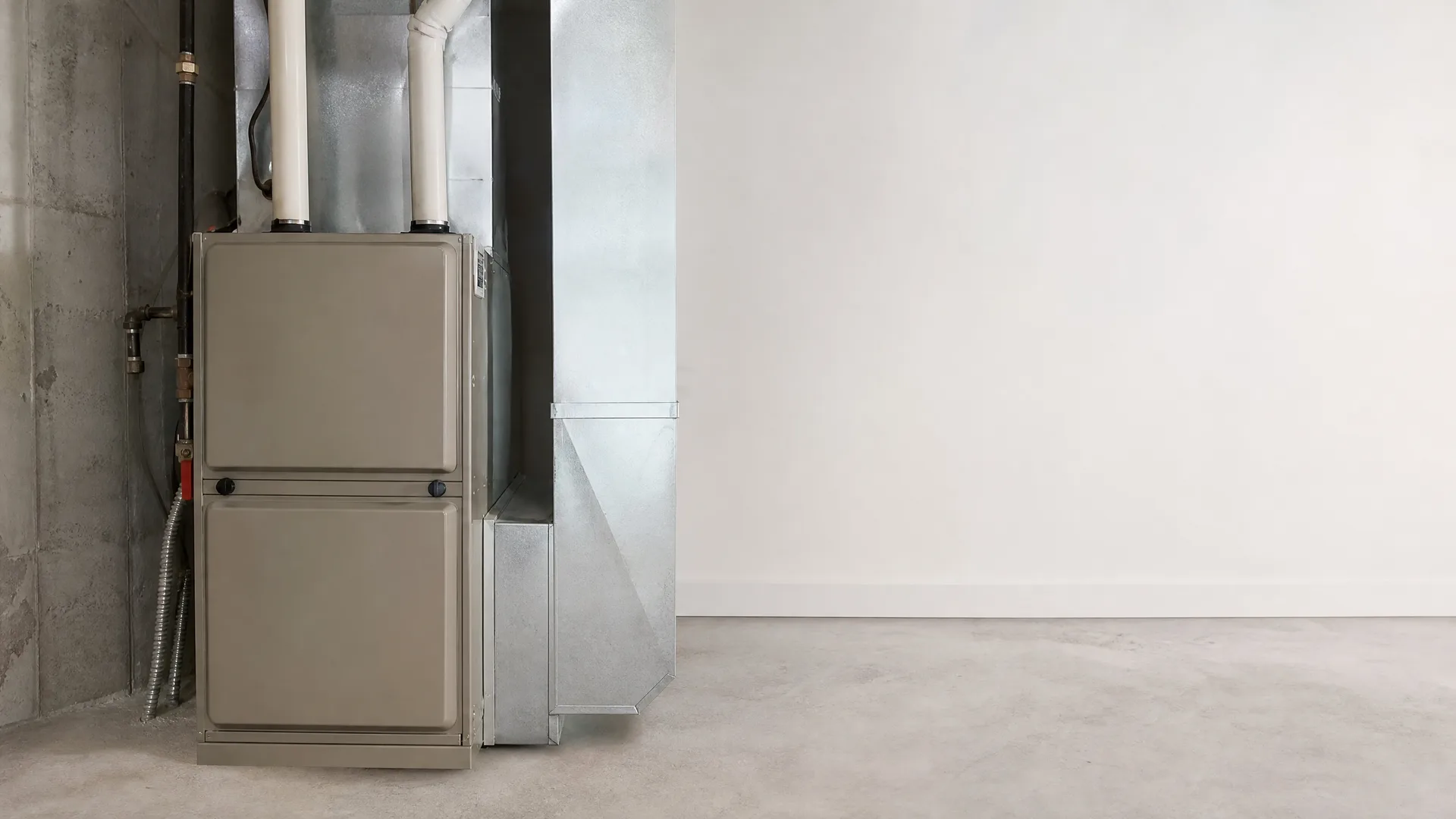
A beige high-efficiency furnace with two white PVC pipes stands beside sheet-metal ductwork and a concrete wall in an empty basement with a bare light-colored wall and concrete floor.

What cold air does to a heat pump

A heat pump moves heat from outside air into your house, and it can still find heat in air well below freezing. But as the air gets colder, the unit has to run longer to pull out the same amount of heat, and below a certain point, often somewhere in the teens or single digits, it may struggle to keep up on its own. Most heat pump systems installed in Brooklyn pair with the existing gas furnace for those nights instead of replacing it outright.

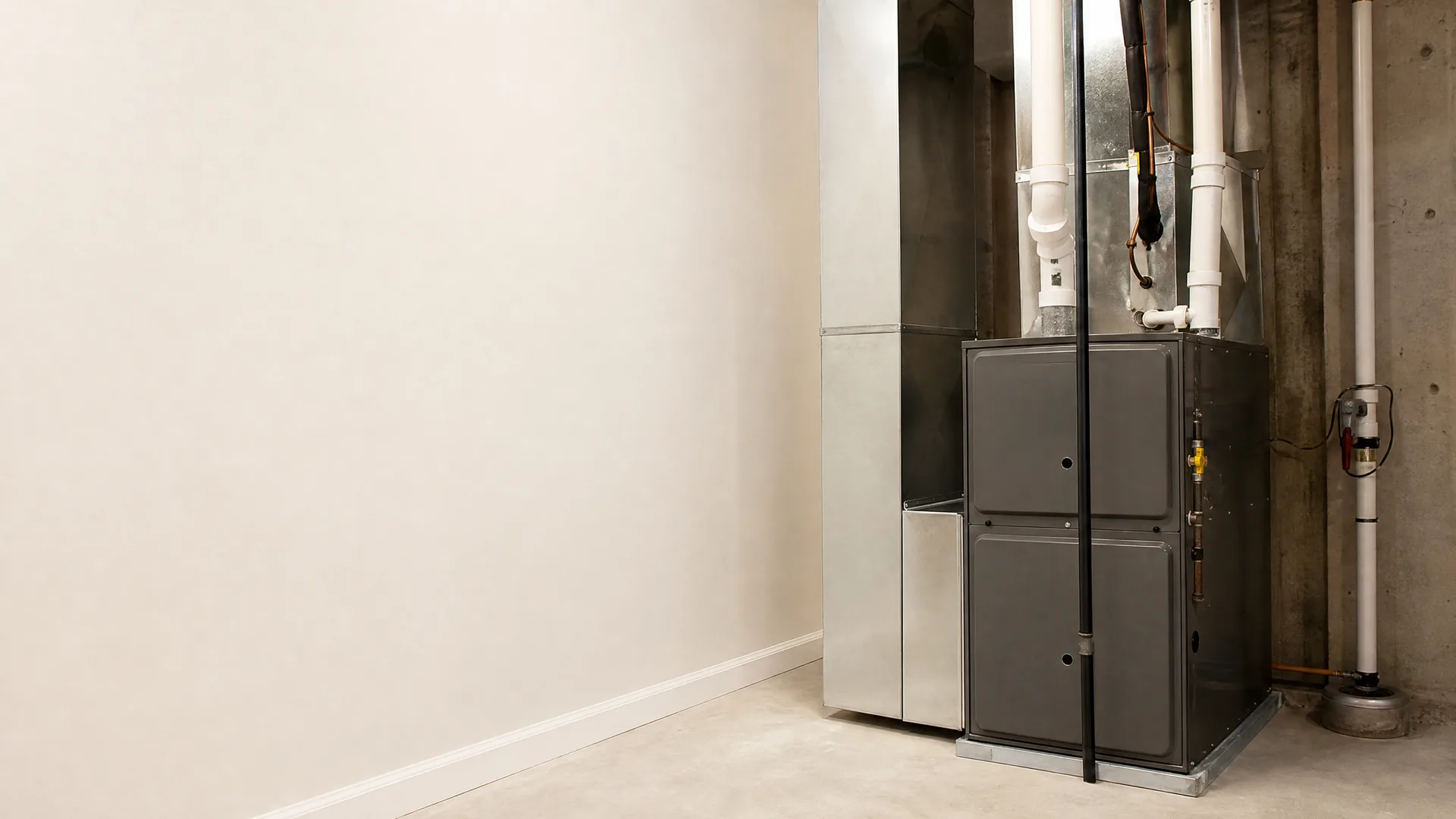
A gray furnace with sheet-metal ductwork and white PVC vent pipes stands in the corner of a finished basement room with a blank beige wall and concrete floor.

Why Con Edison's rates matter here

A heat pump runs on electricity, and Con Edison's rates are among the highest in the country. That doesn't rule it out, but it changes the math. A heat pump is far more efficient than electric resistance heat, often moving three or four units of heat for every unit of electricity it uses. Whether that efficiency beats your gas rate depends on what you're actually paying for both, not on a national average.

Why is my heating bill so high and my house still cold?

If your gas furnace is running long cycles and you're still cold near the windows, or your gas bill climbed hard this winter without a change in habits, that's worth a look before you decide anything about a heat pump. An old furnace that short-cycles, or one with a cracked heat exchanger, won't heat evenly and can run up your gas bill trying. If you're also running window units all summer and your Con Edison bill spikes every July and August, you're paying twice, once for gas heat and once for electric cooling. That's the math a heat pump is meant to change, but only if what's driving your current bills is the equipment and not just old ductwork or a drafty place.

An older man with gray hair, a dark coat and scarf dusted with snow stands in a warmly lit entryway with an open wooden door, a table lamp, framed pictures, and a plant in a vase.
An older man with gray hair and a beard wearing a dark snow-dusted coat stands in a home entryway, with a lamp-lit living room and a wooden staircase behind him.
An older man with gray hair and a beard, wearing a dark snow-dusted coat, stands in a warmly lit home entryway with a hallway, console table with lamp, patterned rug, and living room visible behind him.
A gray-haired bearded man in a dark snow-dusted coat and scarf stands inside a dimly lit home entryway, with a hallway, framed picture, lit table lamp and staircase behind him.
A basement utility area with a gray furnace, sheet-metal ductwork, pipes, plastic-covered walls, a concrete floor, and a black shelving unit holding storage bins.
A gas furnace like this one burns fuel right at the unit, so it puts out full heat whether it's 30 degrees outside or 10.
A gray metal furnace with louvered vent panels stands on a concrete basement floor beside galvanized ductwork, gas and plastic pipes, and foil-faced insulation along the ceiling and wall.
Rust on the cabinet after years of basement humidity is normal, but a furnace this old is worth having checked before winter decides for you.
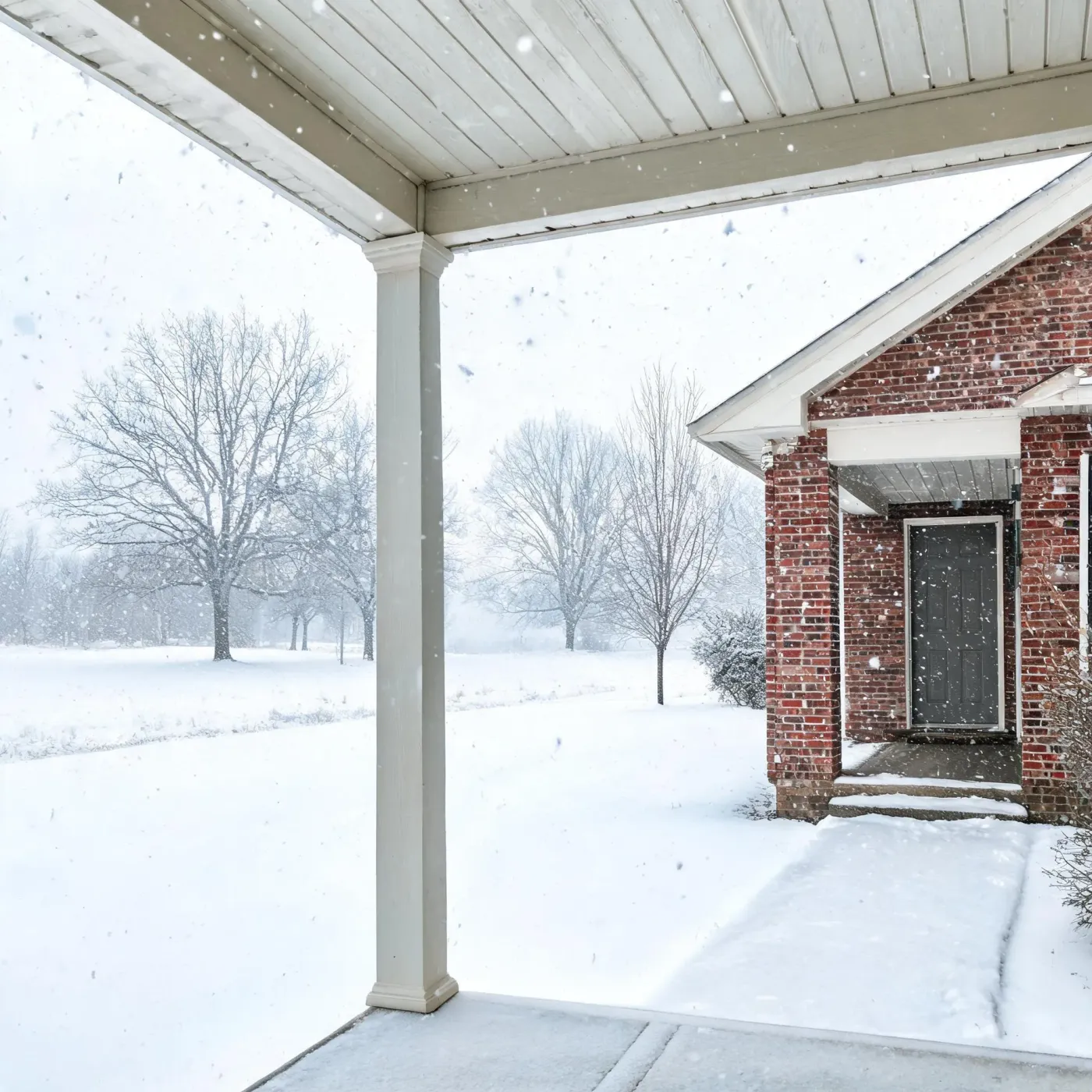
View from under a covered porch with a white column toward a red brick house with a dark door, with falling snow, snow-covered ground and bare trees in the background.

The National Weather Service puts the overnight low across December, January and February at 29°F here in Kings County. That's below freezing most winter nights, and it's the range where a furnace earns its keep, kicking on well before dawn and running until the house climbs back to where you set it. If your furnace has been running long or short cycling, or the rooms near the windows stay cold while the thermostat reads fine, those are the nights that show it. Figuring out whether a heat pump would hold up on those same nights, or where it would fall short, takes someone who can look at your place directly. That's a different conversation than guessing from a chart.

NOAA nClimDiv 1991-2020

A local pro for your furnace installation

You've read what the cold does to a heat pump and what your gas bill is already telling you. Now you're the one who has to decide whether to keep the furnace, add a heat pump alongside it, or switch over. That decision turns on things only someone standing in your basement can see: the condition of the furnace itself, whether your electric panel has room for a heat pump's circuit, and what Con Edison's rates would actually do to your bill against National Grid's gas rates. You could call around to a few HVAC contractors, explain your setup to each one, and wait on quotes that aren't really comparing the same thing. Or you could hand that off. Getting matched with a contractor who installs both systems means one visit, one look at your house, and a straight answer about which one makes sense for where you live and what you're paying now.

Keeping the gas furnace

A furnace that's still heating your place well and hasn't given you trouble doesn't need a reason to be replaced. It burns gas at full output no matter how cold it gets outside, so a 10 degree night doesn't ask any more of it than a 30 degree one. If your gas rate is low compared to what Con Edison charges for electric here, running a furnace through the winter can cost less than running a heat pump through the same months. Staying with gas also means skipping the cost of a new system and the work of having one sized and installed.


Adding or switching to a heat pump

A heat pump handles summer cooling and winter heating from one system, which a furnace alone can't do. Through fall and into early winter, before the air turns genuinely cold, it can heat your place using less electricity than a furnace burns in gas dollars. Some homeowners keep the furnace as backup for the coldest stretch of the year and let the heat pump carry the milder months, splitting the load between the two. Others replace the furnace outright if the furnace is old or they want one system instead of two. Either way depends on your rates and your place.

Winter nights average 29°F

A 29°F average overnight low means your furnace isn't just handling the odd cold snap, it's working most nights all winter. That's steady, repeated use for months, so a furnace that's aging or already struggling has little time to rest and recover between runs.

NOAA nClimDiv 1991-2020

A beige furnace with two access panels stands against a concrete basement wall, with galvanized sheet-metal ductwork, a white PVC pipe, flexible conduit and insulated ducting around it.
Before you get your furnace installation
A gray furnace with white PVC vent pipes stands beside sheet-metal ductwork in a basement with a smooth concrete floor, exposed wood framing, and plastic sheeting on the walls.
After you get your furnace installation

Full heat, any temperature

A gas furnace puts out the same heat at 10 degrees as it does at 40. You keep the gas bill you already have, and the house heats the way it always has.

Fill out one form

One system, electric only

A heat pump handles heating and cooling from one unit and runs on electricity, not gas. Con Edison rates mean that trade is worth running past someone who knows your setup.

Fill out one form
A woman wrapped in a thick wool blanket sits in an armchair with an open book on her lap, beside a lit lamp and a frost-patterned window.
A bearded man in a plaid flannel shirt stands indoors looking out a frost-covered window, with a steaming dark blue mug on the wooden sill and snow-covered trees outside.
A woman stands in the open doorway of a white stucco house holding the dark door, facing a man in a black cap and shirt seen from behind in the blurred foreground, with a potted flowering plant beside the entry.

Where that leaves you

A gas furnace keeps its output no matter how cold it gets outside. A heat pump has to work harder as the temperature drops, and Kings County winters spend plenty of nights well below freezing. That's the trade-off, and no two homes here weigh it the same way. Your gas rate, your electric rate, the shape of your house and the condition of the furnace you already have all push the answer in different directions.

Working through that doesn't mean calling around and explaining your situation to three different companies before you get a straight answer. A contractor who looks at your actual setup, your ducts, your furnace, your house, can tell you what a heat pump would and wouldn't do for you. Once you're matched with one who takes on jobs like yours, they'll reach out and walk through it with you directly, so the decision gets made with someone who's seen your place, not guessed at it.

A wooden table holding a stone vase with a bare branch, two stacked books and a small dark bowl, beside a window with green foliage outside and a sofa in the dim background.
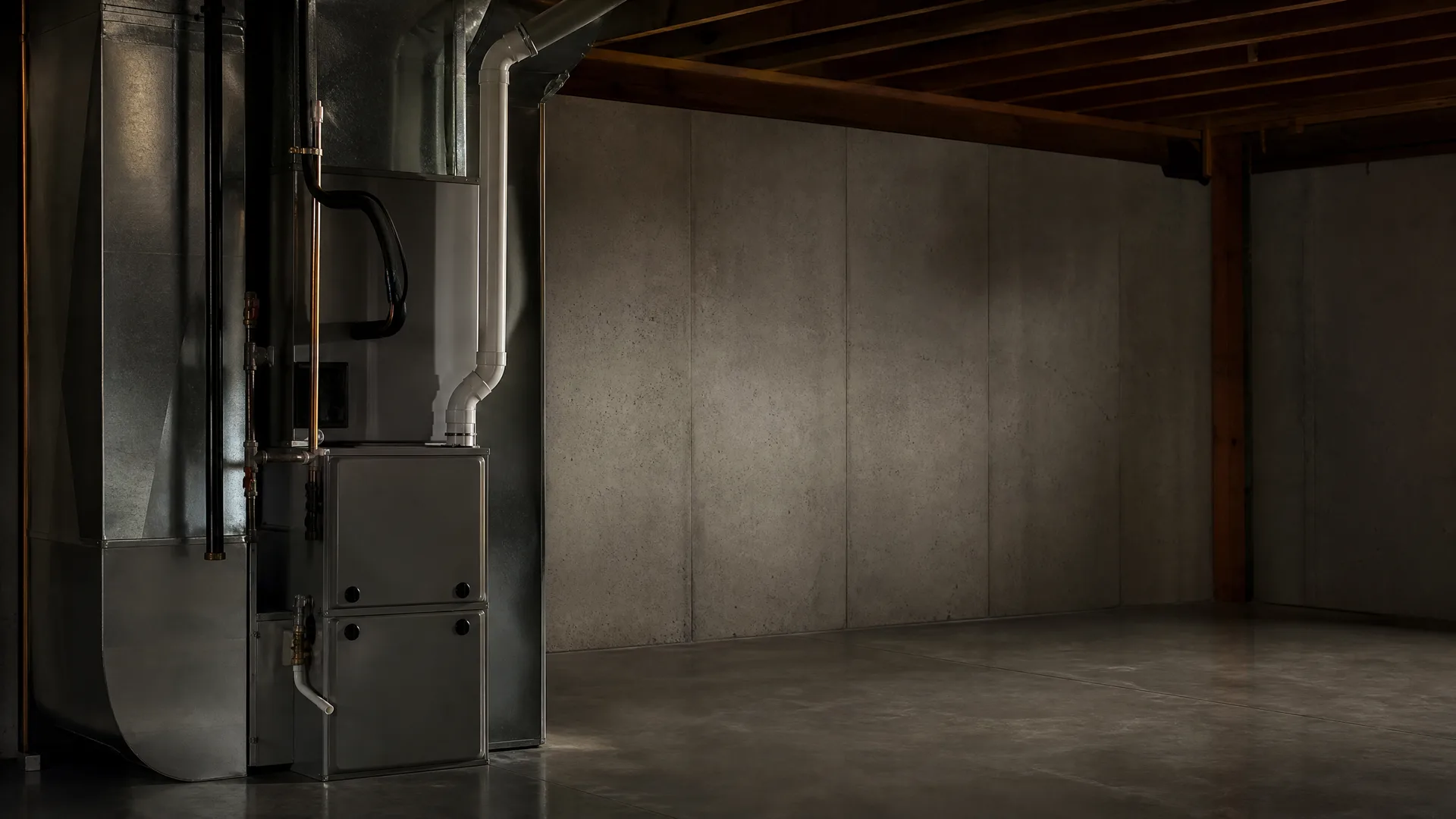
A dimly lit basement with concrete floor and walls, exposed wood joists, and a furnace with sheet-metal ductwork and copper piping on the left side.

A pro who works on furnaces

Answer a few questions instead of calling shop after shop.

New system or replacementFurnace or heatingKings County, NY
Step 1 of 2

What ZIP code is the job in?