


A long white picket fence runs along a mown grass lawn in front of a row of single-story houses with gray siding and shingled roofs, surrounded by large leafy trees.

Furnace Repair in Brewster, NY

Tell us about the job

Takes about a minute. No obligation.

RepairFurnace or heatingPutnam County, NY
Step 1 of 2

What ZIP code is the job in?

Furnaces in Brewster run about eight months a year, October through May. Overnight lows average 21°F in December and January. That's a long stretch of regular use, but it's not unusual wear. A furnace that runs this many months will eventually show the same problems any furnace shows. A cracked igniter. A dirty flame sensor. A clogged filter choking airflow. Cold nights don't create new problems, they just make an existing one obvious faster, since the system is working harder to keep up. If your furnace is struggling now, the fix is almost always something a technician has seen before, not something particular to this county.

8 months
October through May, your furnace is on duty
21°F
the average winter night it heats against
19 winter storms
in ten years, the nights a failure hurts most
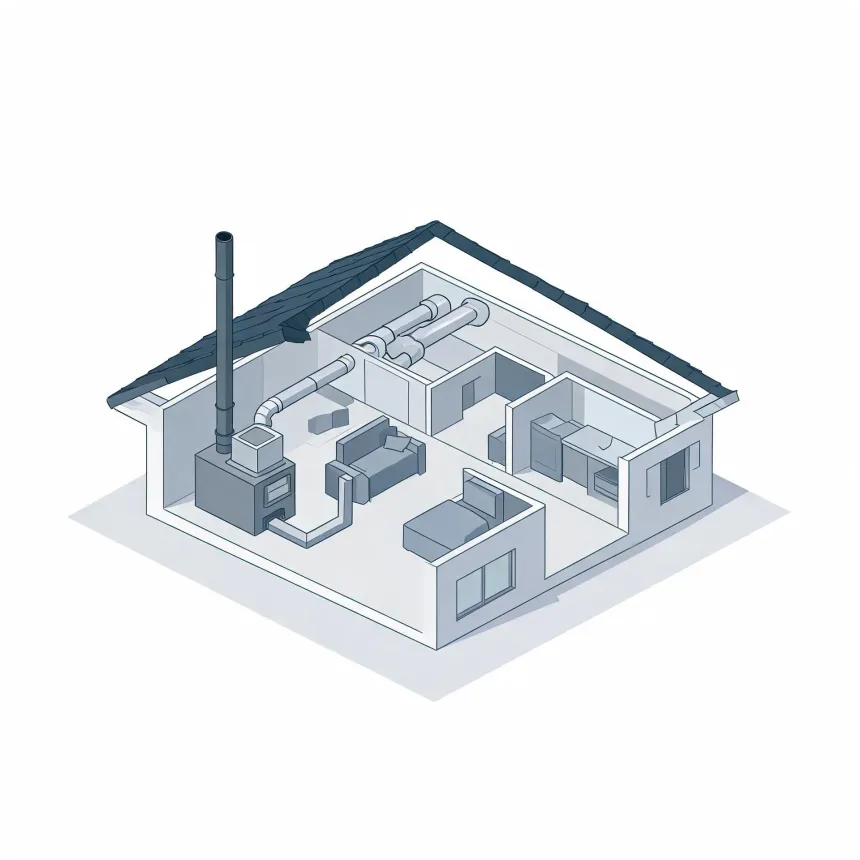
Isometric line illustration of a cutaway single-story house showing interior rooms with furniture, a furnace unit with a tall flue pipe, and connected ductwork running under the pitched roof.
Your furnace works hardest from November through March.

NOAA nClimDiv, 1991–2020 normals

Furnaces in Putnam County start up in October after sitting idle since spring.

The first cold snap finds whatever part was already wearing out.

Half the homes here were built by 1968, old enough to have outlived a furnace or two

Half the homes here were built by 1968
Climate zone 5A
Heat runs October through May

Fuel oil in New York ran $23.11 per million Btu in 2024. If your furnace is burning more of it than it should, a cracked heat exchanger or a dirty burner will do that, forcing it to run longer to put out the same heat. That shows up on your bill every month it goes unfixed, not just once. A furnace running rough now is one that's probably been losing efficiency for a while, and the cost of waiting adds up faster here than in states paying less for fuel. Worth getting it looked at before another cold month runs through it.

Get the usual fix

Nothing about this area is especially hard on it. It's most likely the usual problem with the usual fix.

Find a contractor
A gray residential gas furnace installed in an unfinished basement, connected to sheet-metal ductwork and PVC pipes.

What it sounds and feels like before it fails

A furnace that needs attention usually tells you before it quits outright. It short cycles, running for a few minutes and shutting off before the house warms up. It blows cold air, or air that's barely warm, because the burner isn't staying lit long enough or the heat exchanger has a problem. You hear a boom at startup instead of a soft whoosh, which means gas is pooling before it catches. The blower runs on and on after the thermostat is satisfied, or it won't stop at all. Some rooms heat and others don't, which usually means the ductwork or the blower isn't moving enough air, not that the furnace itself is failing. A burning or metallic smell when it first kicks on is worth noticing too. None of these mean the same thing every time, but every one of them is the furnace telling you something specific, and a technician can usually trace it back to one part once they hear which sign you're seeing.

A cracked heat exchanger gets worse, not better

Metal that's already cracked keeps flexing every time the burner fires and the furnace heats up and cools down. Running it longer each cycle just works the crack harder. Left alone, a small crack can open enough to let exhaust gas mix into the air the blower pushes through the house.
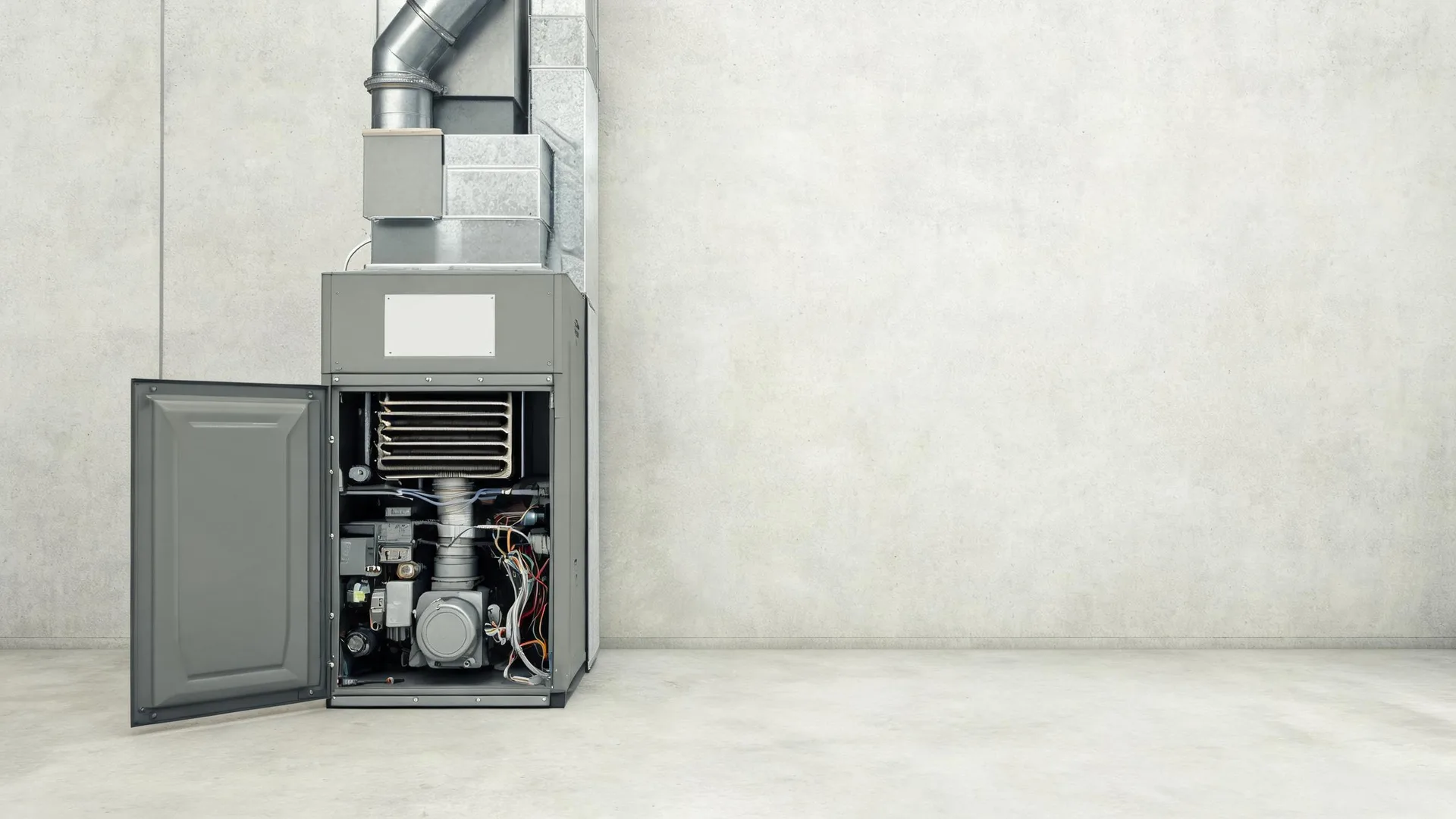
A dirty flame sensor can leave you with no heat at all

A flame sensor coated in residue reads the flame weakly and shuts the gas valve as a safety measure, even though the furnace lit fine. Keep running it and the shutdowns come sooner and more often, until the furnace won't hold a flame long enough to heat anything.

Before you call anyone, check the thermostat first. Make sure it's set to heat, not just fan, and that the setting is actually above room temperature. Next, go look at the filter. A filter clogged with dust chokes off airflow, and some furnaces will shut themselves down rather than run with a blocked filter. Check that the furnace switch, the one that looks like a light switch on or near the unit, hasn't been bumped off. If your furnace is gas, make sure the gas valve on the line going into it is turned to on. Check your breaker panel too. A tripped breaker will kill power to the furnace without any other sign. If you've done all that and it still won't run, or it runs but won't hold a flame, that's past what you can fix by hand.

A furnace rarely needs replacing just because one part failed. An igniter, a flame sensor, a blower motor, these get swapped out on their own and the furnace goes on running like before. What changes the math is the heat exchanger. That part isn't sold on its own, and the labor to get at it often costs more than it's worth on a furnace that's already old. The other thing worth asking is how often you've had someone out for this unit. One repair is just a repair. A pattern of them, different parts failing every season, usually means the whole furnace is wearing out at once, not just the piece in front of you. A technician can tell you which kind of situation you're in once they've opened it up and looked.