



What winter actually asks of a heat pump here
Heat runs about eight months a year in Putnam County, October through May, and the overnight low averages 21°F across December, January and February. A standard heat pump starts falling short of its rated heat output below 40°F, and often needs backup heat below about 35°F. The average winter night here is below both marks. Out of roughly 245 nights across the heating season, about 130 drop to freezing or below, and every one of those nights is below both marks too.
That doesn't mean a standard heat pump can't heat the house. It means that on more than half the nights of the season, it's working below its rated capacity and may be leaning on backup heat to do it. The real extreme cold, 0°F or below, only shows up about 4 nights a year. The ordinary cold, well below freezing but nowhere near zero, is what a heat pump in this county has to handle most of the winter.
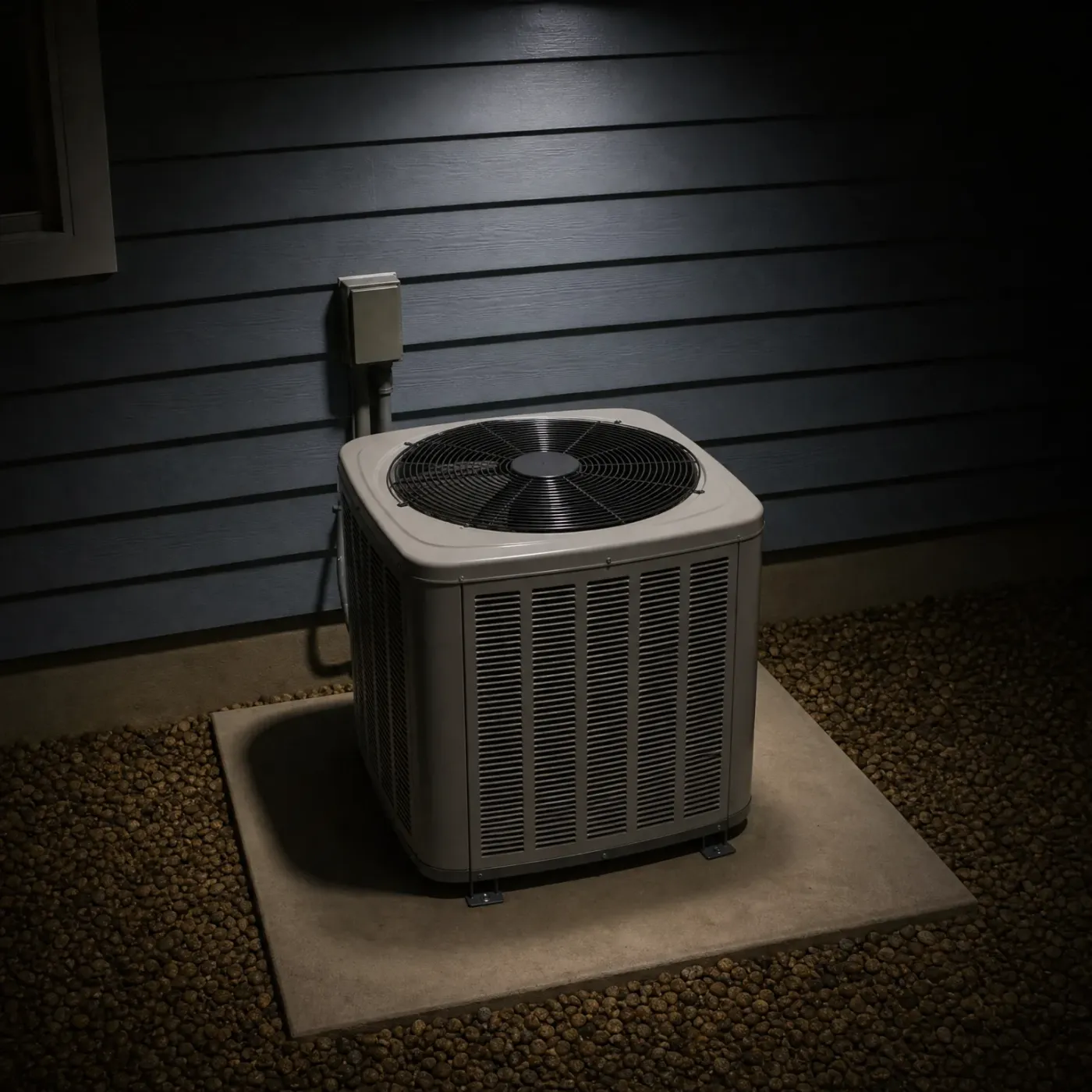
A heat pump carrying the ENERGY STAR Cold Climate label is built to a different standard. To earn it, a heat pump has to deliver at least 1.75 units of heat per unit of electricity at 5°F and hold onto at least 70 percent of its 47°F heating capacity at that same temperature, with both numbers checked by outside testing. A two-winter field test of prototype cold-climate units in occupied homes found backup heat covered only a small share of the load between 0°F and 35°F, and running on backup heat alone was rare even above 0°F. Whether a heat pump suits this house depends a great deal on which of these two kinds it is.