Storms come through often
Broome County recorded 314 severe weather events between 2015 and 2024, including 248 cases of damaging wind and 39 hail events. Three tornadoes touched down in that span too.
Takes about a minute. No obligation.
Broome County recorded 314 severe weather events between 2015 and 2024, including 248 cases of damaging wind and 39 hail events. Three tornadoes touched down in that span too.
Statewide, 11% of households went at least a day without power in 2024. A furnace needs electricity to run even on gas, so a long outage means no heat until the power comes back.

NOAA nClimDiv, 1991–2020 normals
Half the homes in Broome County were built in 1958 or earlier.
A furnace in a house that old is more likely to be on its last years, and a big repair bill is a reason to ask how much life it has left first.

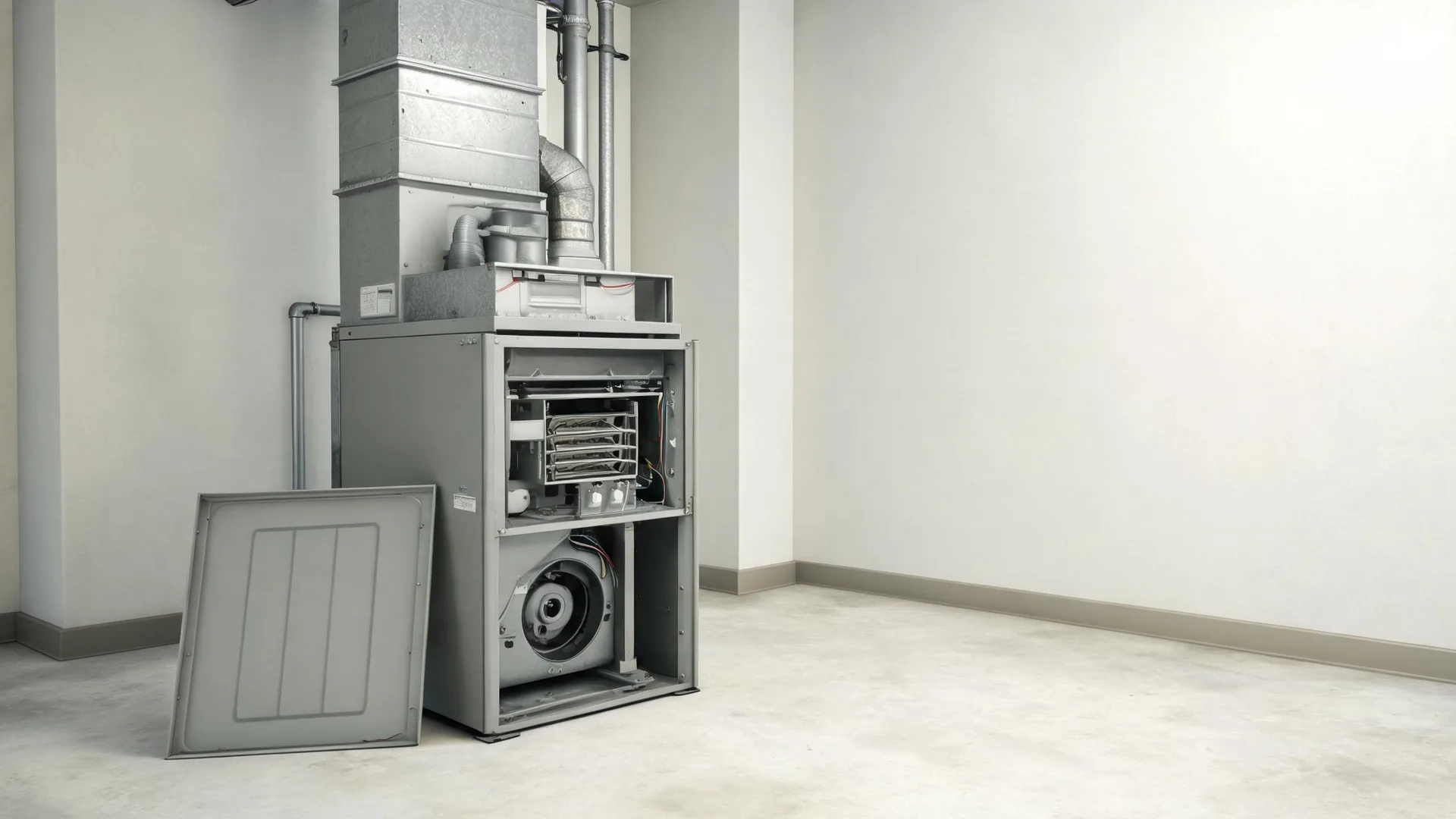
Natural gas ran $16.03 per million Btu across New York in 2024, and a furnace that's struggling eats more of it every day it's left alone. One that's short-cycling or running nonstop to hit temperature is burning gas without heating the house any better. A cracked heat exchanger, a dirty flame sensor, or a failing blower motor can all be behind it. None of those get cheaper to run while you wait. The bill shows it before anything else does.
Furnace trouble doesn't always show itself right away after a storm. If the outdoor unit took wind-blown debris or hail, get it looked at now, not after it fails in the next outage.
Find a contractor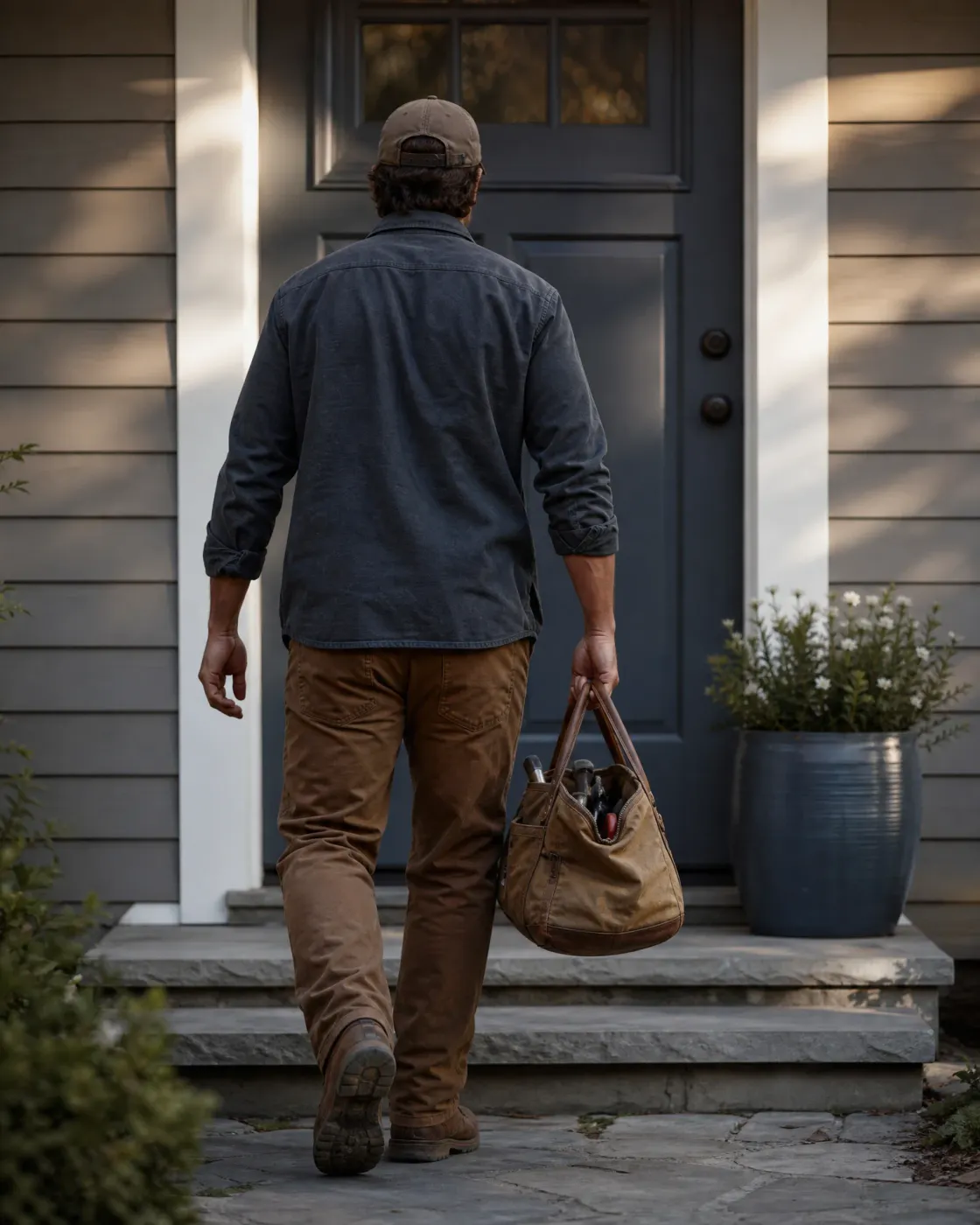
September is when the furnace here goes from idle to working every day, and that first stretch is when a weak part usually gives out. A furnace that sat quiet since spring might have a cracked heat exchanger, a dirty flame sensor, or an igniter on its way out, and none of that shows up until the burners are running for hours at a stretch. From September through May this furnace carries the house. Getting it checked before that first cold week finds the weak spot beats finding out at 2am in January.
A furnace that shuts off a few minutes after starting is tripping on a safety switch, often from a dirty flame sensor or a clogged filter choking airflow. One that runs and runs without hitting the thermostat setting is more likely dealing with a failing blower motor or a heat exchanger that can't transfer heat the way it used to. Either pattern is the machine telling you something specific is wrong, not just getting old.
A bang at startup usually means gas is building up before it lights, instead of lighting right away. A screech points to the blower motor or its bearings. Any burning smell that doesn't fade after the first run of the season needs a look, and a smell like rotten eggs means gas and means getting out of the house first, call second. Catching these before the furnace fails outright is what keeps a repair a repair instead of a replacement.
Estimates for a typical Broome County home, compared with an older unit built to the previous federal minimum, from EIA household energy data, New York fuel prices and NOAA climate normals. Your home will differ.
Repair makes sense when one part has failed and the heat exchanger is sound.
Replacement makes sense when the heat exchanger is cracked or the furnace keeps needing parts.
A diagnostic visit starts before any panel comes off, with the tech asking what the furnace is doing and when. Short cycling, a smell, a noise, a thermostat that won't hit its setting, all of that narrows things down before a single tool comes out. Next comes a look at the flame itself, since the color and shape tell their own story about whether gas is burning clean. The flame sensor, igniter, and burners get checked in turn, along with the pressure switch and the limit switch that keep the furnace from running somewhere it shouldn't. Airflow gets checked too, because a filter or a blocked return can mimic problems that have nothing to do with the furnace itself. By the end the tech can usually point to one part and explain what it's doing wrong, not just that something is wrong somewhere.