

Heat pump vs furnace in Broome County, New York

Get My Quote

Pros who install both

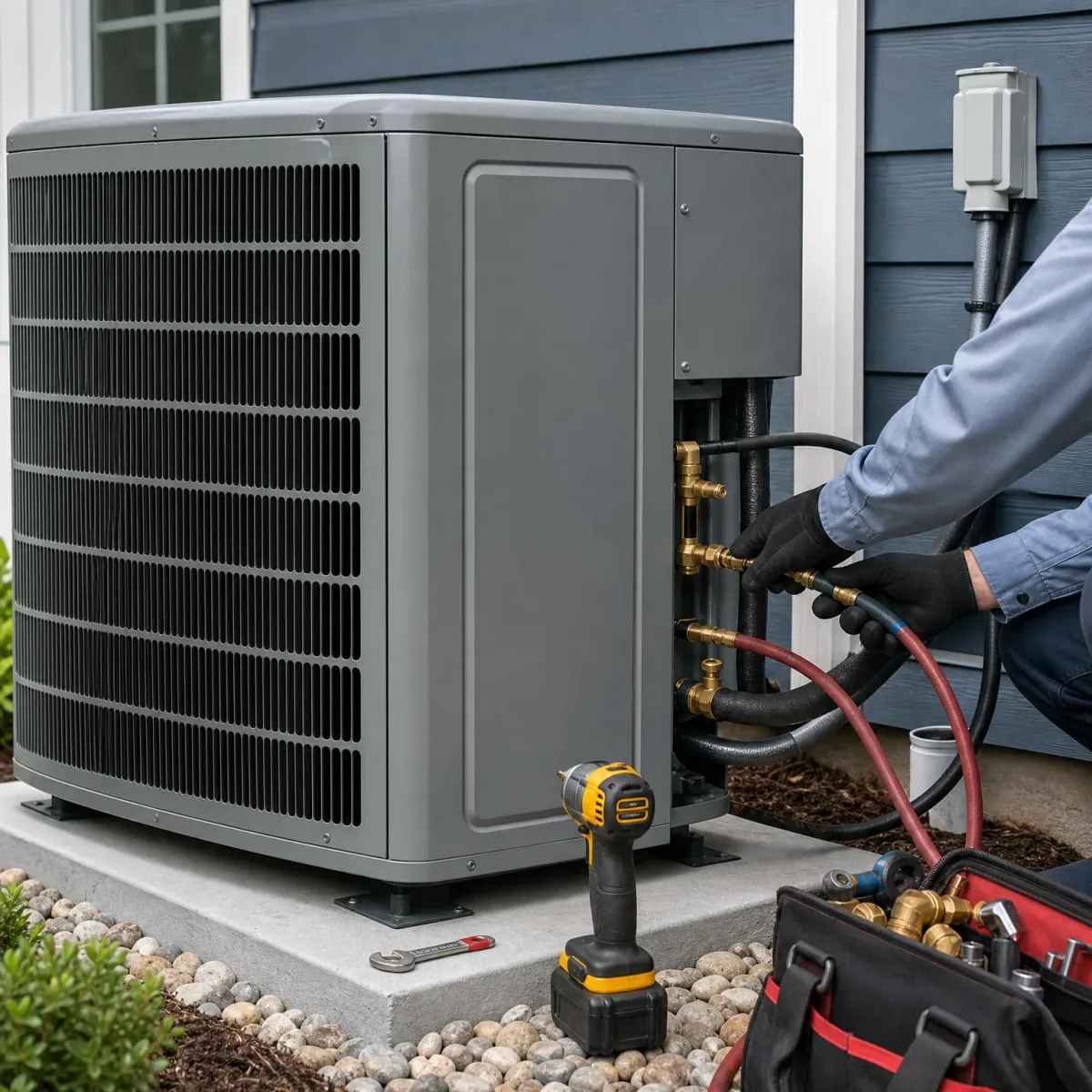
A person in a blue shirt and black gloves works on refrigerant line connections at the side of a gray outdoor air conditioning condenser unit on a concrete pad, with a cordless drill, wrench, and open tool bag nearby.

Tell us about the job

Takes about a minute. No obligation.

New system or replacementBroome County, NY
Step 1 of 3

What kind of equipment?

Which costs less to run in Broome County?

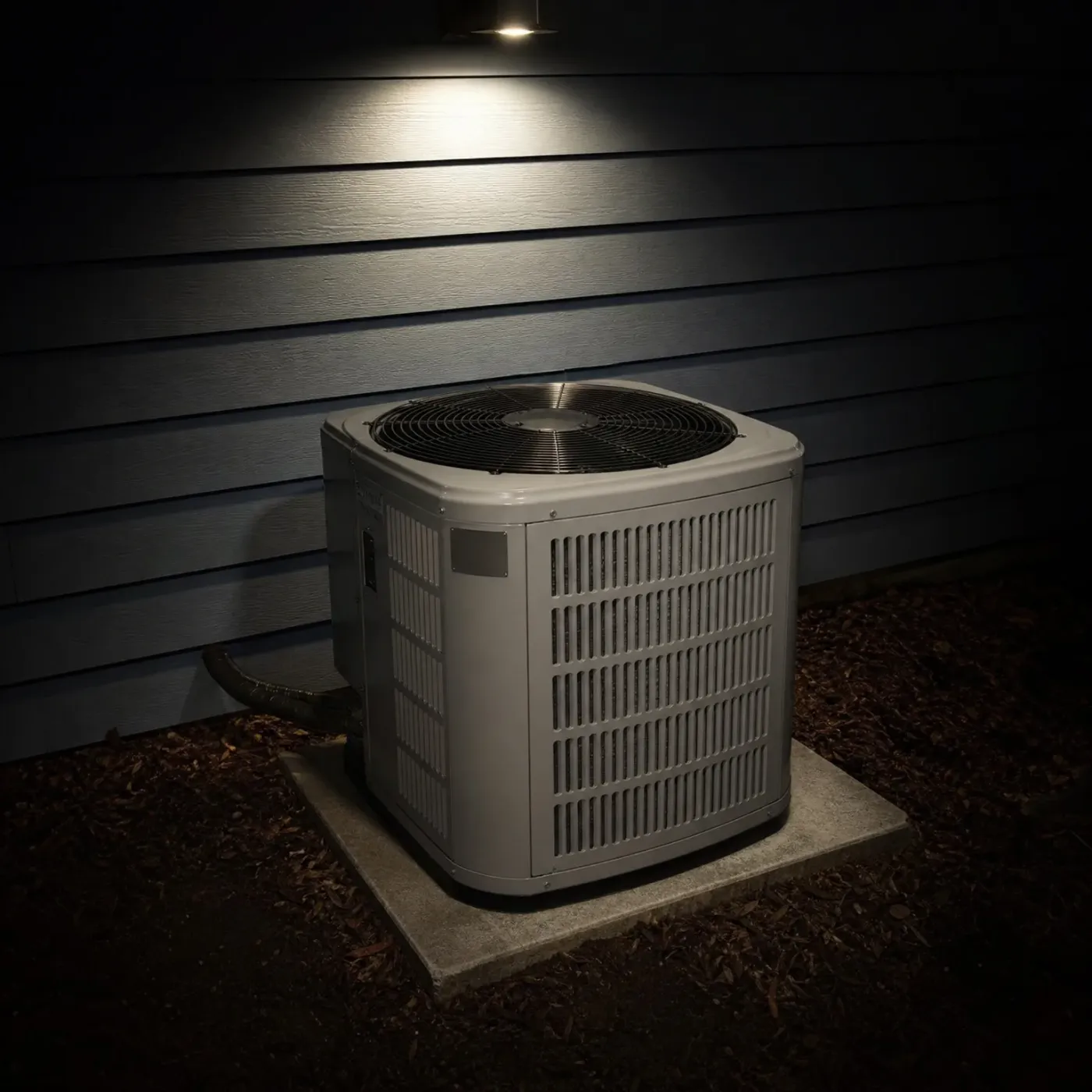
An outdoor air conditioner or heat pump condenser unit on a concrete pad beside a dark horizontal-lap sided wall at night, lit from above by a wall-mounted light, surrounded by mulch.

Heat pump

To heat your home here$3.26per 100,000 Btu

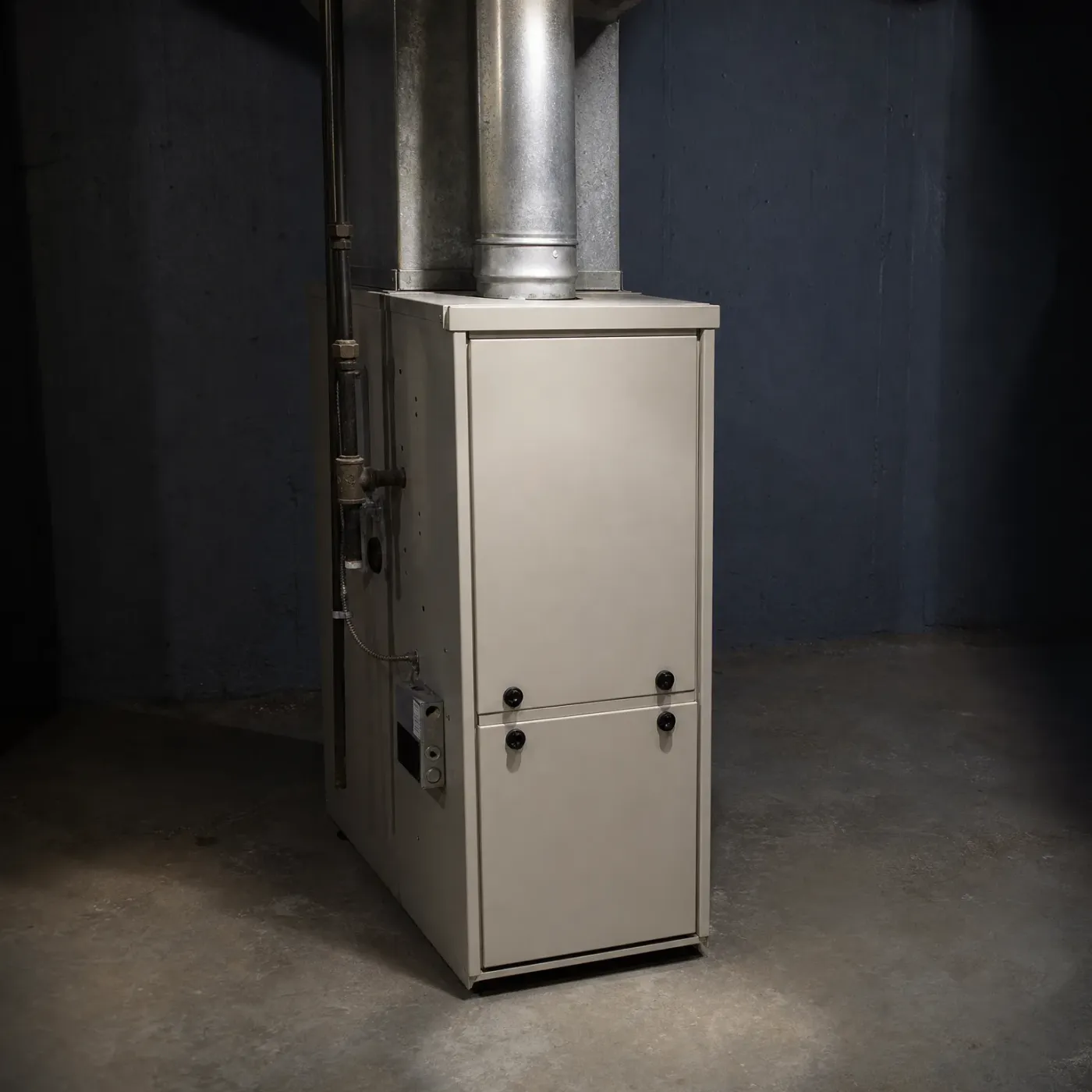
A beige sheet-metal furnace with two latched access panels stands on a concrete floor in a dim basement, with metal flue ducts rising from its top and a vertical pipe along the wall behind it.

Furnace

To heat your home here$2.00per 100,000 Btu

At New York's gas and electricity prices, a gas furnace makes the same heat as a heat pump for at least 38% less.

Btu stands for British thermal unit, the standard measure of heat energy.

Where does a heat pump shine?

  • Steady, even comfort

    A heat pump runs long and low instead of blasting on and off. Rooms hold an even temperature all day.

    A living room with a gray upholstered armchair holding an open book and a throw blanket, a lit lamp and mug on a side table, a golden-colored dog sleeping in a round gray bed beside a stone fireplace, and a snowy view through the window.
  • Heats and cools in one system

    A heat pump runs the same way all year. It pulls heat into the house in winter and pushes it out in summer.

    A living room with a beige sofa holding grey and cream cushions and a grey fringed throw, beside a white-framed window overlooking a green garden, with a grey built-in cabinet and shelves holding vases and flowers at right and a rustic wooden coffee table in the foreground.
  • No gas line, nothing burning in the house

    There's no gas line to the unit and no flame anywhere in it. Carbon monoxide isn't part of the picture.

    A stainless steel whistling kettle sits on a black induction cooktop set into a grey stone countertop with navy cabinets, a pale mug, a bowl of lemons and a basil plant nearby, and a built-in oven in the background.

Where does a furnace shine?

  • Strong, steady heat in hard cold

    Overnight lows here average 18°F through December, January and February. A furnace burns gas to make heat, so it keeps putting out the same hot air no matter how cold it gets outside.

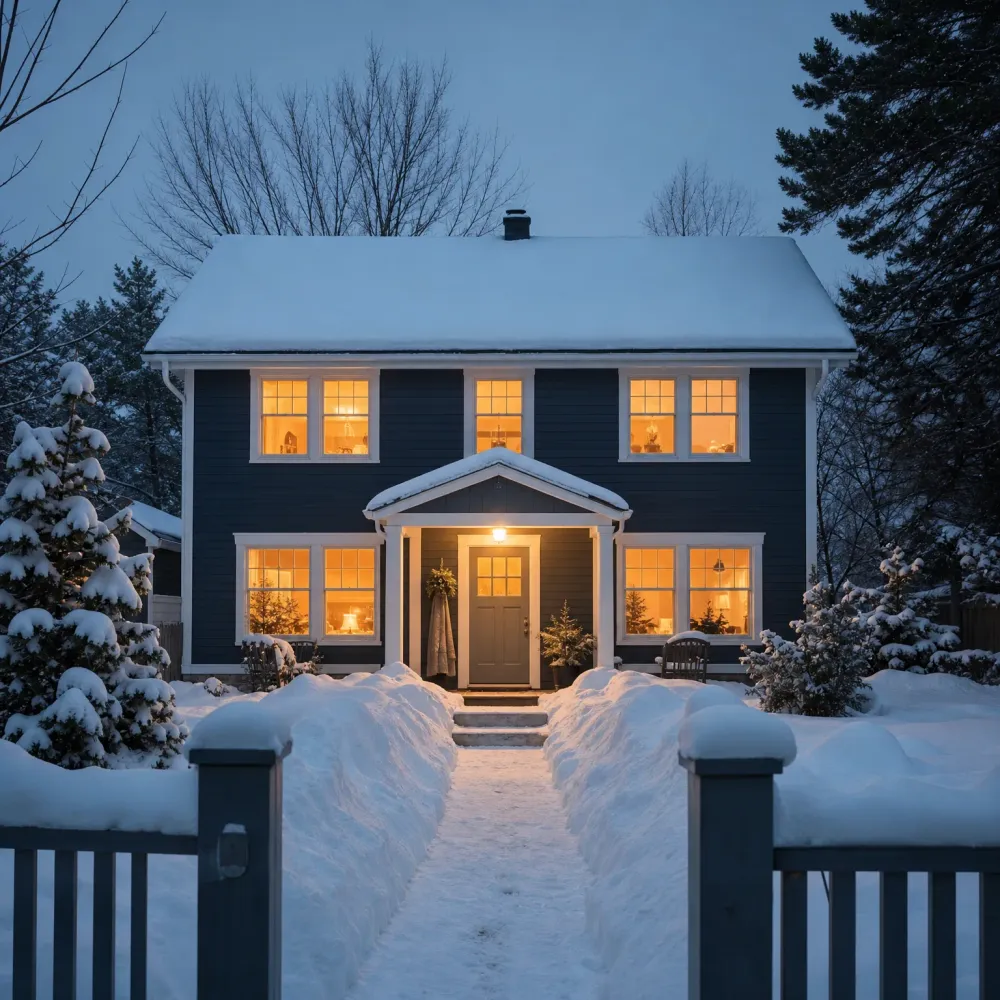
    A two-story dark blue clapboard house with white-trimmed, warmly lit windows at dusk, with a snow-covered roof, a shoveled path between snowbanks leading to the front door, snow-laden conifers on both sides, and an open gate in the foreground.
  • Runs on the gas most homes here already use

    Most homes in Broome County already have gas line run to them. If yours is one of them, a furnace just hooks into what's already there.

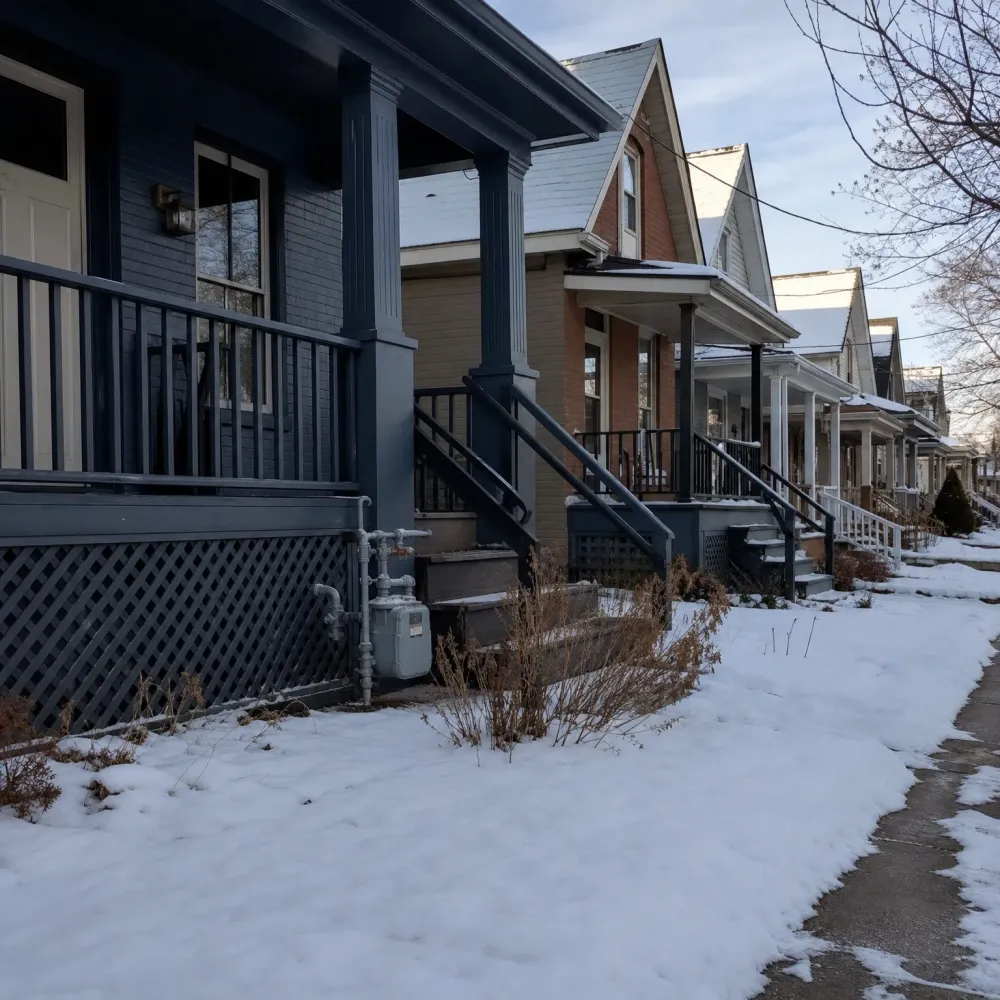
    A row of porch-fronted houses along a snow-covered front yard and sidewalk, with a dark blue-gray painted porch, railings, lattice skirting and a gas meter in the foreground.
  • Pairs with any central AC

    A furnace's blower and ducts carry cooled air too. Adding central AC uses the same system.

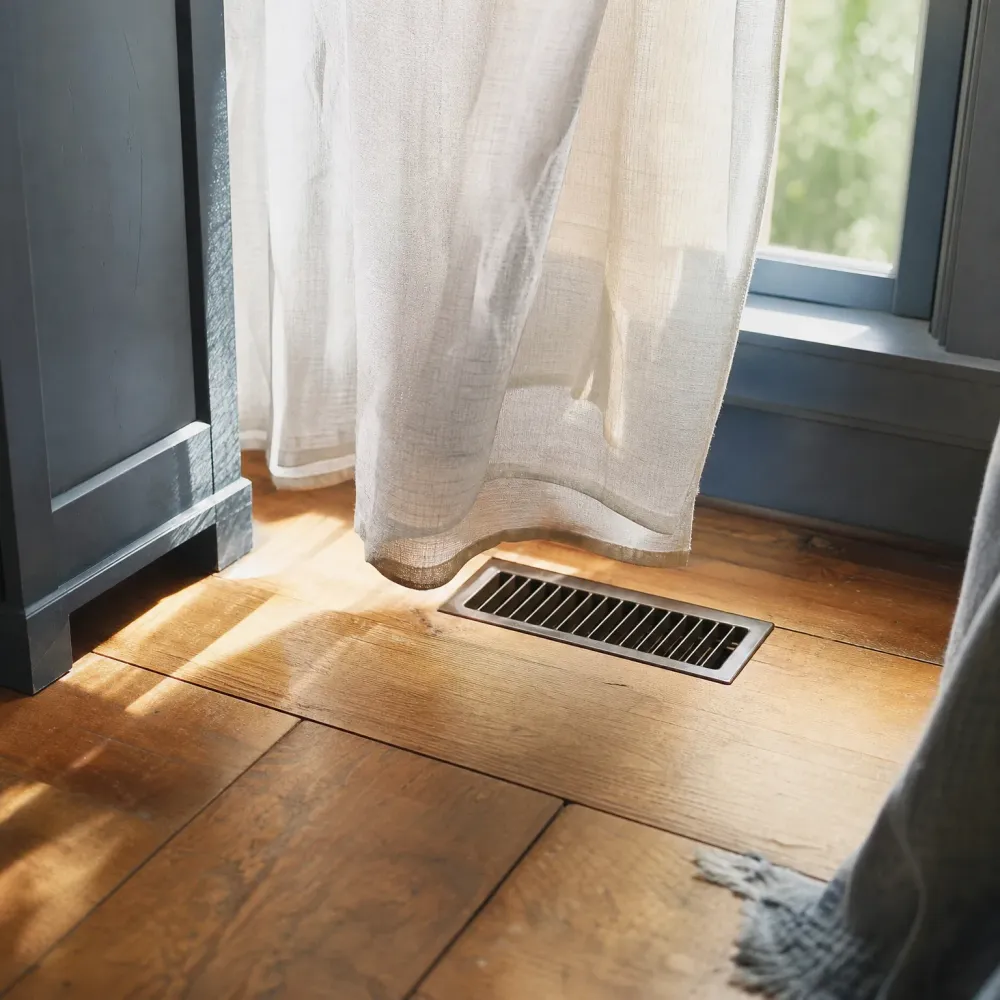
    A metal floor vent set into wide wooden floorboards beside a window, with a sheer white curtain hanging above it in sunlight.

What the cold does to a heat pump here

Winter is the long season in Broome County. Heat runs September through May, nine months, against two months of cooling in July and August. Whatever you buy will spend most of its life heating this house, so buy for that first.

The average overnight low in December, January and February is 18°F. That matters because a standard heat pump starts losing its rated output below 40°F, and often needs backup heat below about 35°F. Eighteen degrees is under both marks, not close to them. And it is not a rare dip. About 150 nights a year here fall to freezing or below, more than half the nights heat runs at all, and every one of those nights is already past the point where a standard heat pump is working at full strength.

Nine nights a year reach 0°F or below. That is a small share of the cold nights, but it is where a standard heat pump leans hardest on its backup heat, usually electric resistance, and where a cold climate model earns its keep. To carry the ENERGY STAR Cold Climate label, a heat pump has to deliver at least 1.75 units of heat per unit of electricity at 5°F and hold onto 70 percent of its 47°F capacity at that temperature, checked by outside testing, not the manufacturer's word. Field tests of cold climate models back that up: over two winters in occupied homes, backup heat covered only a small share of the load between 0°F and 35°F, and running on backup alone was rare even above 0°F.

So the question for this county is not whether a heat pump can work. It is which heat pump. A standard model will struggle on a lot of the nights this county actually has. A cold climate model is built for exactly this range.
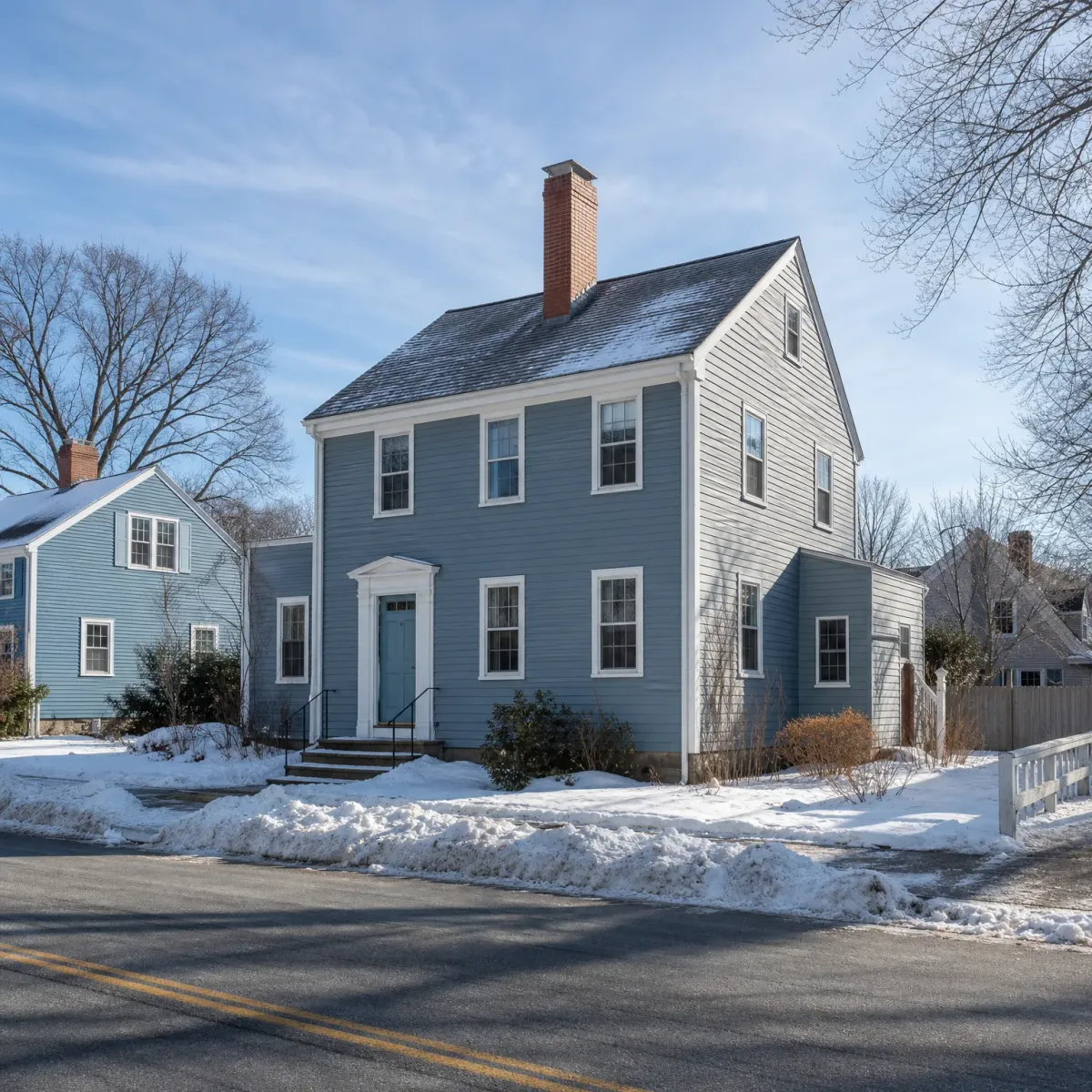
A two-story blue clapboard house with a brick chimney and white trim stands behind snow-covered ground beside a plowed road, with bare trees and a neighboring house visible.

What it costs to run, and what each one gives up

Run the numbers at New York's own fuel prices and the furnace is cheaper to operate. A gas furnace built to the federal minimum makes 100,000 Btu of heat for about $2.00 here. A heat pump built to the federal minimum makes the same heat for about $3.26, and that figure does not even count backup heat on the coldest nights, which would push it higher. At these prices, gas heat costs at least 38 percent less to run than electric heat.

That gap is also why three in five homes here already heat with utility gas, against about one in five on electric heat. Most of this county is already set up for a furnace, with a gas line in the house and a meter on the wall.

But a furnace only heats. It has nothing to do in July and August, the two months this county runs cooling, and you would still need a separate central air system to get through those months. A heat pump heats and cools with the same equipment, no second system to install or maintain.

So the choice comes down to what you are optimizing for. If lower monthly heating bills matter most and you already have gas to the house, the furnace wins on cost and you will still need to add AC separately for summer. If you want one system that handles both seasons and are prepared to pay more to run it, or to spend more up front on a cold climate model built to hold its output down near 0°F, the heat pump is the one built for that. A standard heat pump sized and installed without regard for this county's cold is the one option that fits neither case well.

Sources: NOAA nClimDiv · NOAA 1991–2020 seasonal normals · Census ACS 2020–2024 · EIA SEDS 2024 · 10 CFR 430.32 · PNNL Building America guide · PNNL-37127 field study · ENERGY STAR product criteria

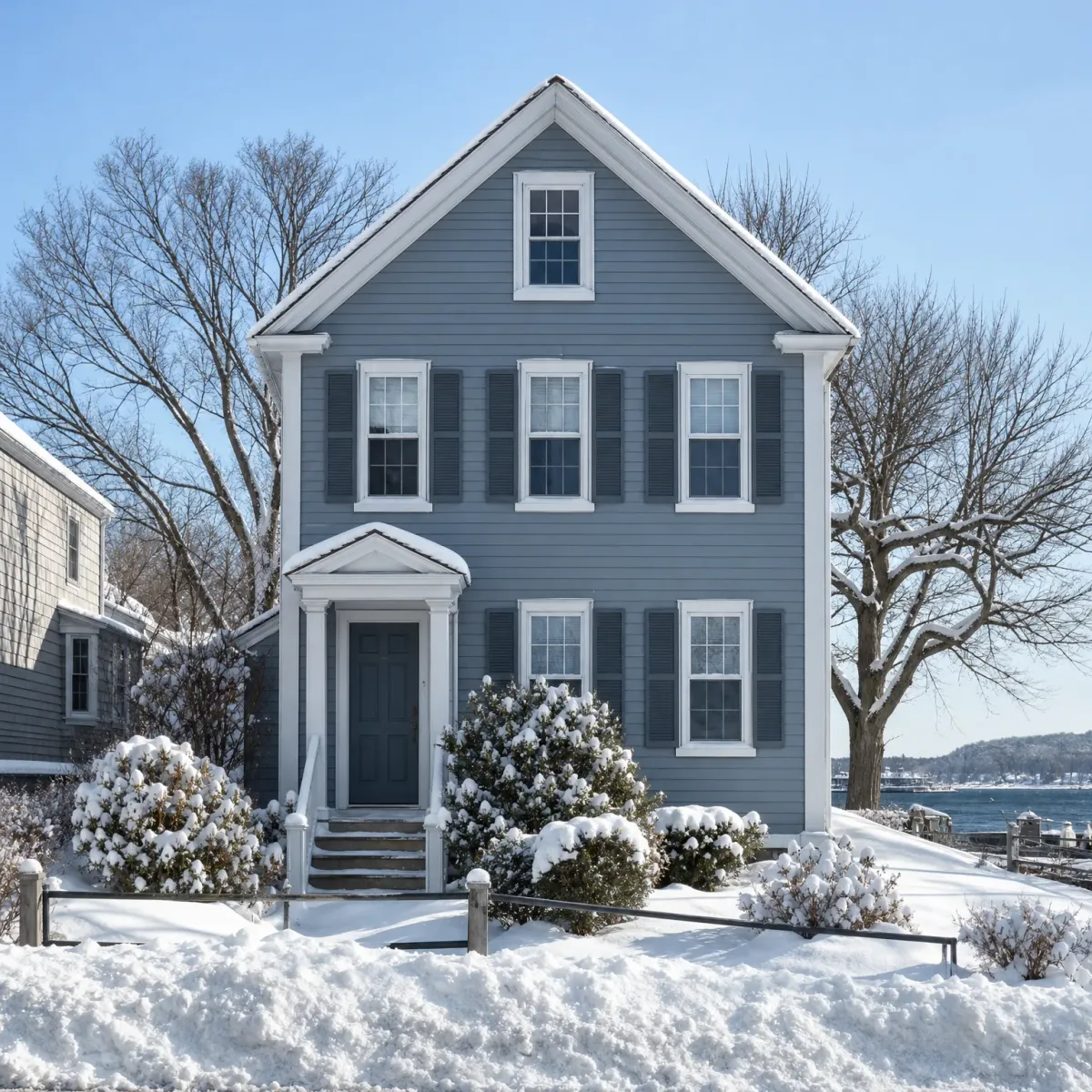
A two-story gray clapboard house with white trim, dark shutters and a small covered entry porch, surrounded by snow-covered shrubs and bare trees, with water visible in the background.

Common questions about heat pumps and furnaces

  • Can a heat pump heat a house through a New York winter?

    It can, if it's sized and chosen for the cold here. Field testing of cold-climate heat pumps in occupied homes found backup heat supplied only a small share of the total heat between 0°F and 35°F, and running on backup alone was rare above 0°F. The ENERGY STAR Cold Climate rating requires a heat pump to still make 1.75 units of heat per unit of electricity at 5°F, which is the kind of unit that holds up through a Broome County winter.

  • Do I need backup heat with a heat pump here?

    Most homes here need it. The average winter low in Broome County is 18°F, well below the 40°F mark where a standard heat pump's output starts falling short of its rating, and below the 35°F mark where it often needs backup heat. A cold-climate model holds onto more of its capacity at low temperatures, but with about 9 nights a year at 0°F or below, some backup source is worth having.

  • Can I keep my furnace and add a heat pump?

    Yes, and here that often makes sense. A furnace and a heat pump can share the same ductwork, with the heat pump doing the heating most of the year and the furnace taking over on the coldest nights. That matters in Broome County because the overnight low falls to 32°F or below about 150 nights a year, right where a standard heat pump's output starts to fall short and backup heat often has to step in.

  • Is a heat pump cheaper to run than a furnace in Broome County?

    No, not at today's prices. A furnace built to the federal minimum makes heat here for about $2.00 per 100,000 Btu, against about $3.26 for a heat pump built to the same minimum standard, because New York's electricity costs more per unit of heat delivered than its natural gas. A higher-efficiency heat pump narrows that gap, but it does not flip the order.