




White colonial houses with lit windows photographed at dusk along a tree-lined residential street.

Furnace Installation in Watertown, NY

Tell us about the job

Takes about a minute. No obligation.

New system or replacementFurnace or heatingJefferson County, NY
Step 1 of 2

What ZIP code is the job in?

Gas here costs $16.03 per million Btu, among the higher rates in the country. A furnace that wastes less of that gas going up the flue instead of into your house makes a real difference on what you pay to heat it. That's worth asking about when you compare quotes. Two furnaces can carry the same price tag and burn fuel at very different rates, and the one that runs more efficiently is the one that costs you less long after the installer leaves.

9 months
September through May, your furnace is on duty
13°F
the average winter night it heats against
80% AFUE
the federal minimum any new unit must meet
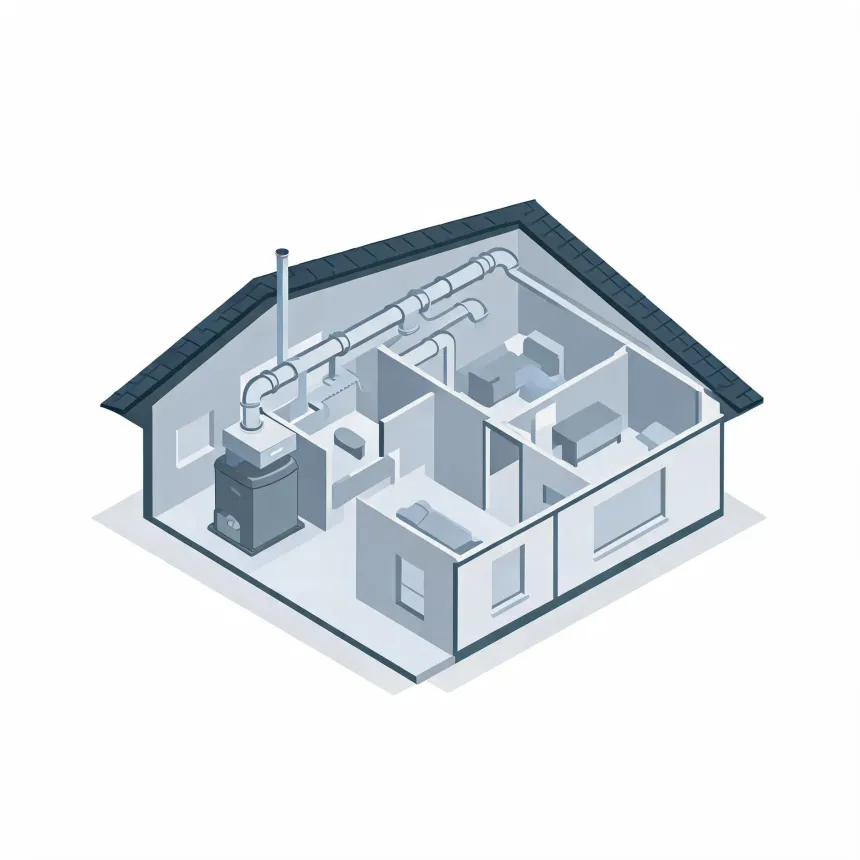
Isometric cutaway illustration of a single-story house showing interior rooms, ductwork running along the ceiling, a flue pipe through the roof, and a dark furnace unit in one corner.
Your furnace works hardest from November through March.

NOAA nClimDiv, 1991–2020 normals

Furnaces in Jefferson County run September through May, about nine months of the year.

Get yours in during August and it's done before you need it, not in the middle of a cold snap.

Half the homes here were built by 1972, and the furnace going in now has to fit that house, not a new one

Half the homes here were built by 1972
Climate zone 6A
Heat runs September through May

Utility gas heats 39.0 percent of homes in Jefferson County, more than any other fuel. Electricity is next at 23.4 percent, then propane and fuel oil splitting most of what's left. If your house already has a gas line run to a furnace, putting in another gas furnace means the venting and gas supply are already there and already worked with. Switching fuels means new venting, maybe a new gas line or new electrical circuits run to wherever the furnace sits. For most houses here, matching what's already in place is the simpler job.

Your new furnace has to meet zone 6A's efficiency minimum

Jefferson County is zone 6A, a cold climate with winters that run long. Any furnace going in now has to hit at least 80.0 percent AFUE. That minimum jumps to 95.0 percent for furnaces built from December 2028 on, so what's sold today still falls under the lower bar. A federal tax credit is available on qualifying high-efficiency models. Worth asking your contractor which ones qualify before you decide.

Find a contractor
A gray gas furnace with attached ductwork and piping installed in an unfinished concrete basement.

Nine months of heat, 13°F nights, and the furnace has to cover all of it

Nine months of heat a year, and overnight lows averaging 13°F through December, January and February. That's what the furnace going in now has to stand up to, winter after winter. A system sized right for your house will cycle on and off at a steady pace through all of it. One that's too big or too small for the place works harder than it should, and that wear shows up sooner here than it would somewhere with a shorter, milder winter. Get the sizing right before anything else.

Sizing the job, not just the furnace

The unit itself is one line on the quote. Ductwork is another. If the existing ducts are too small or too leaky for the new furnace's output, a straight swap won't heat the house right, and that means modifying or replacing runs before the furnace ever gets bolted in. A contractor who skips a load calculation and just matches the old number is pricing a guess, not the job in front of them.

The vent pipe has to match the furnace

A furnace rated at the zone minimum vents differently than one built well above it. Higher-efficiency models produce cooler exhaust, so they vent through PVC pipe instead of metal flue, often routed straight out a side wall. Swapping one efficiency tier for another can mean new venting, not reusing what's already in the wall, and that's work the furnace price alone doesn't cover.

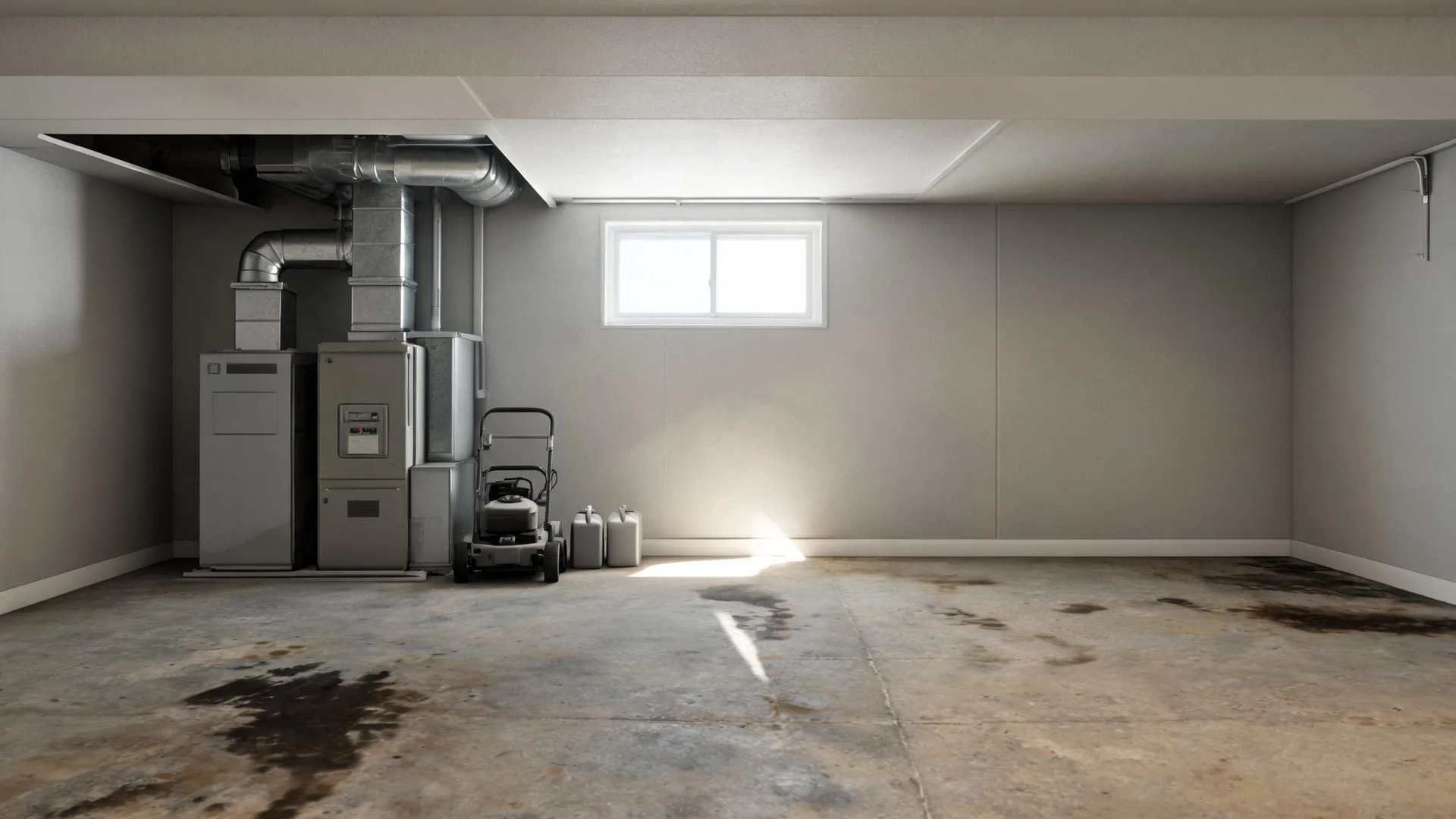
A gas furnace and sheet-metal air handler unit installed in an unfinished concrete basement.

A high-efficiency gas furnace would save about $160 a year to run in Jefferson County compared with a gas furnace.

  • A high-efficiency gas furnace$800 a year
  • A gas furnace$960 a year

Estimates for a typical Jefferson County home, from EIA household energy data, New York fuel prices and NOAA climate normals. Your home will differ.

The old furnace comes out first. The flue pipe, the gas line connection and the plenum where it ties into the ductwork all come off with it. The new unit gets set in place, leveled, and connected back to that same ductwork, gas line and venting, or to new versions of them if the efficiency tier changed. The gas line gets checked for leaks before anything is fired up. Once it's running, a tech checks the flame, checks the draft on the vent pipe, and checks that the blower is moving enough air across the furnace. A furnace that burns clean but doesn't get enough airflow will still run hot and wear out its own parts early. The whole system gets run through a full cycle, on and off, before anyone calls the job done.